
 Nila Kartika Wati
This story was originally published by Inside Climate News and is reproduced here as part of the Climate Desk collaboration.
For generations, summer in Montana was defined by the sensory details of freedom: the rhythmic whir of bicycle tires on pavement, the smell of pine needles on sun-drenched trails, and the collective sound of children playing baseball until the light faded behind the jagged silhouettes of the Rockies. Families planned their summers with a sense of security, stocking their gear for camping trips, confident that the mountain air would remain crisp and the skies clear.
Today, that rhythm has been fundamentally altered. For many parents, the morning ritual no longer begins with checking the weather forecast for rain or shine, but with a wary glance at the Environmental Protection Agency’s Air Quality Index (AQI). As wildfire seasons across the American West grow longer, more intense, and increasingly unpredictable, the once-temporary inconvenience of smoky skies has evolved into a persistent, seasonal reality. In Montana, where wildfire has always been a natural component of the ecosystem, the new "fire season" now includes weeks of forced confinement, where children are advised to stay indoors to protect their developing lungs from toxic air.
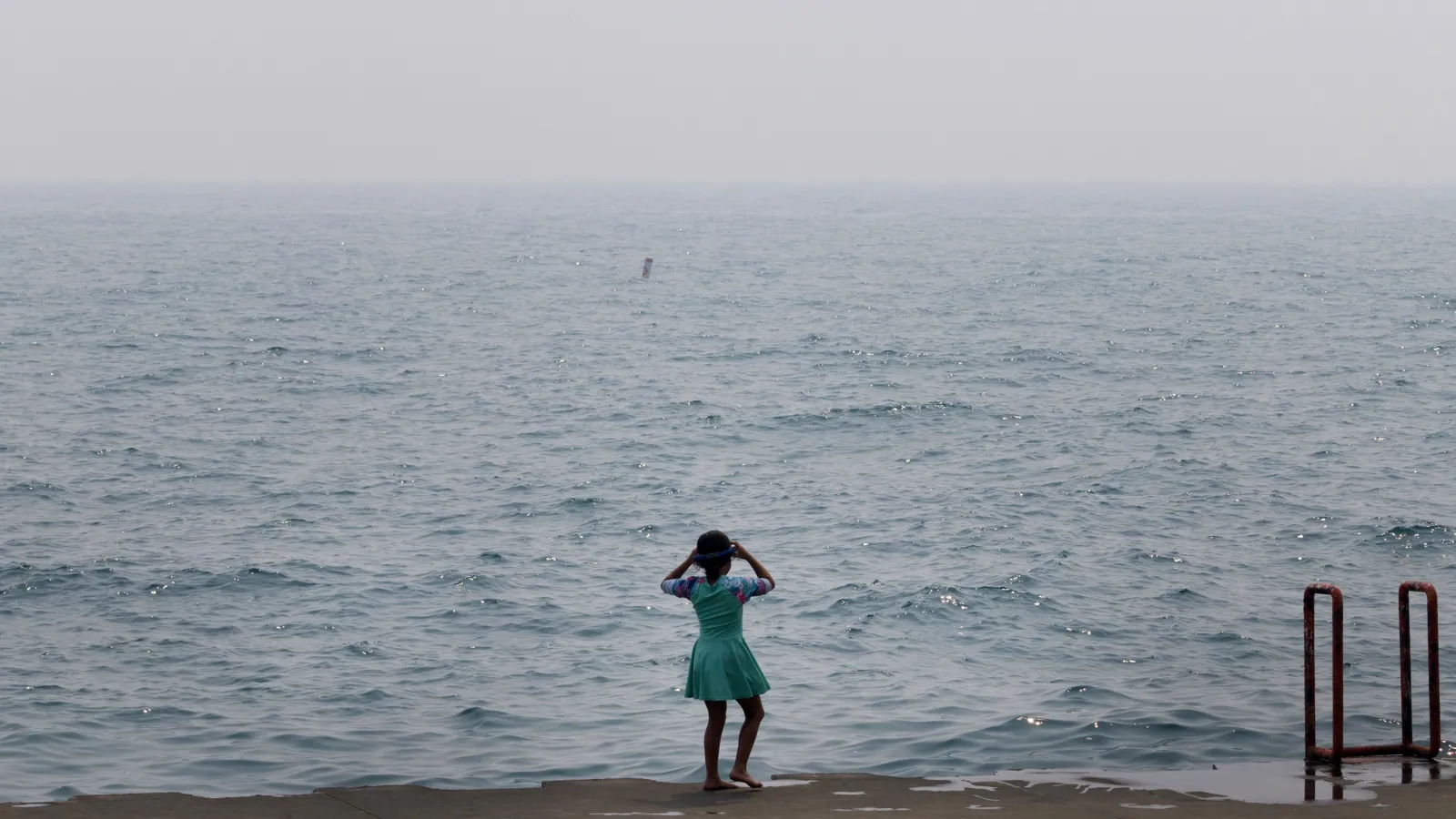
The Physical Toll: A Developmental Crisis
The health risks associated with wildfire smoke are no longer a matter of debate. Scientists have documented the grave dangers posed by PM2.5—microscopic particulate matter that can penetrate deep into the lungs and cross into the bloodstream. Because children breathe at a higher rate relative to their body weight than adults, and because their respiratory systems are still in critical stages of development, they are disproportionately vulnerable.
"Kids typically spend more time outdoors, and they’re usually running around, increasing their breathing rate and their exposure to wildfire smoke," explains Kerri Mueller, an air quality specialist with the Missoula City-County Health Department.
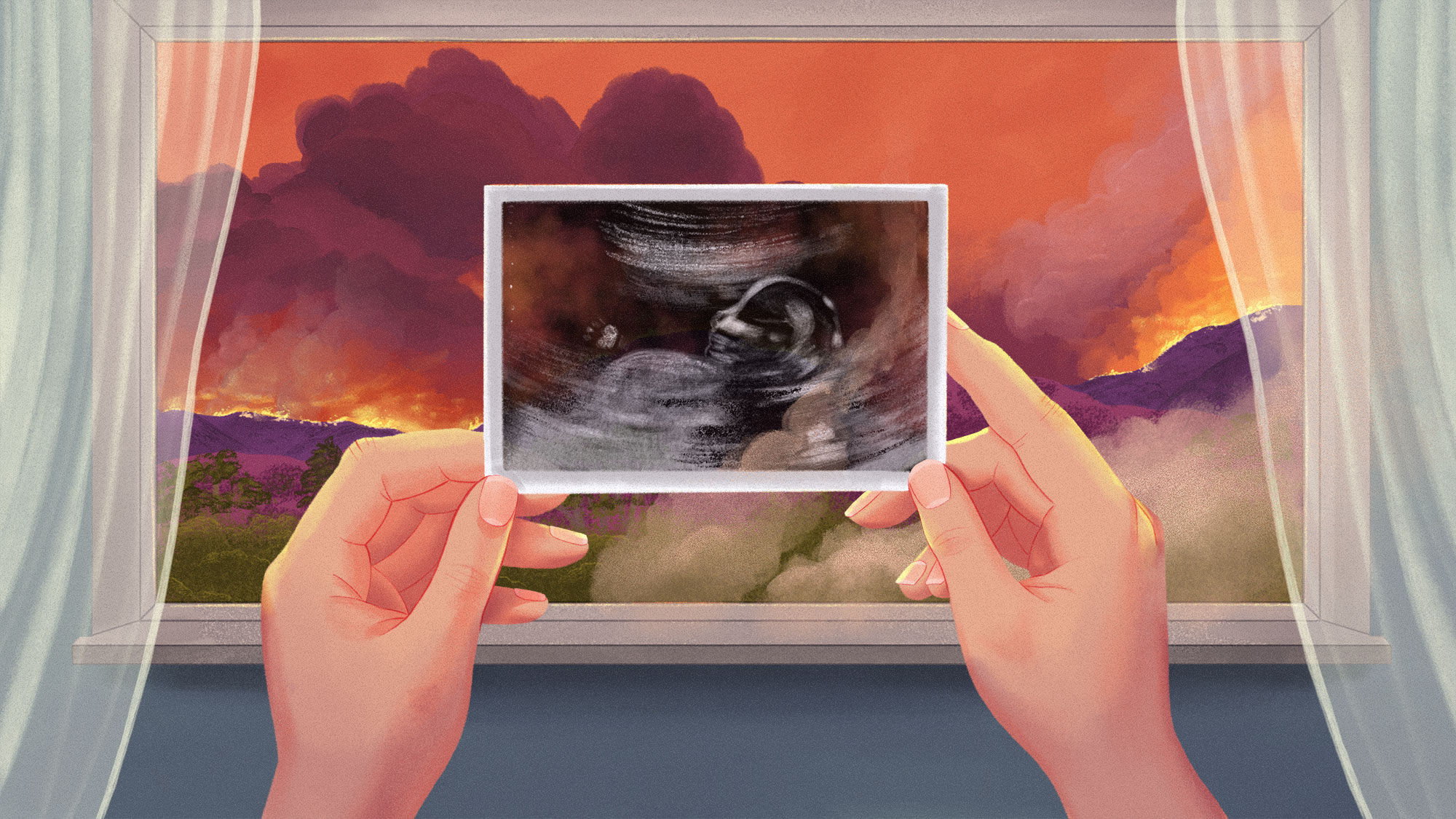
The immediate symptoms are well-cataloged: headaches, burning eyes, sore throats, and persistent coughing. However, the long-term implications are what keep pediatricians awake at night. Research published in the Journal of Exposure Science & Environmental Epidemiology has linked heavy smoke exposure to increased emergency department visits for asthma attacks and acute respiratory infections. Dr. Lori Byron, a pediatrician and chair of the nonprofit Montana Health and Climate, emphasizes that the damage can be even more insidious. "We also know much more now about particulate matter from wildfire smoke," Dr. Byron notes. "Those particles can get into our brains and even reach unborn babies. We’re only beginning to understand the full extent of the harm they can cause."
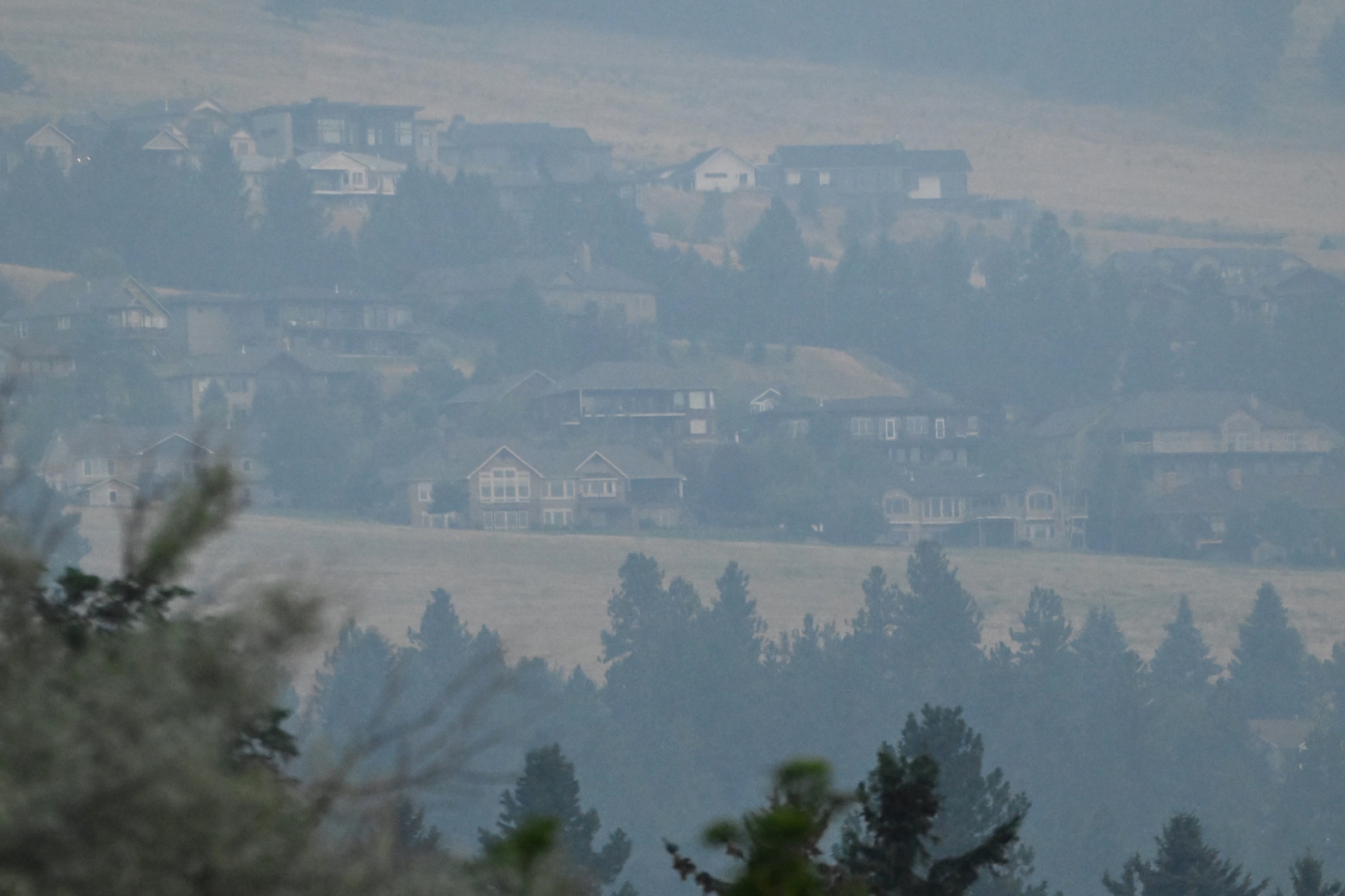
Chronology of a Shifting Landscape
The shift from occasional smoke to a seasonal phenomenon has been gradual but relentless. A decade ago, a "smoke week" was an outlier—a topic of conversation for its rarity. Today, it is an expectation.
- Early 2010s: Smoke events were largely treated as regional anomalies tied to specific, nearby forest fires.
- Mid-2010s: As droughts intensified, the duration of smoke events began to stretch from days to weeks, leading to the first widespread cancellations of youth sports and summer camps.
- 2020–2023: The "new normal" solidified. Research from the Lancet and other major medical journals began confirming that the cumulative effect of repeated smoke exposure was significantly reducing lung function in youth populations across the West.
- 2025–2026: The current era is defined by systemic adaptation. Schools are now being retrofitted for climate resilience, and families are investing in personal air-purification technology as a standard household utility, much like a refrigerator or a furnace.
The Invisible Weight: Mental and Emotional Impacts
While physical health is the primary concern, the psychological impact of a "smoky childhood" is increasingly coming into focus. A 2024 UNICEF report highlights that wildfire smoke does more than trigger asthma; it disrupts the fundamental structures of childhood—play, socialization, and discovery.
When outdoor play is prohibited, the loss is not merely physical; it is developmental. According to the American Academy of Pediatrics, unstructured outdoor play is essential for building social skills, confidence, and emotional resilience. When these opportunities are stripped away repeatedly, children lose their sense of environmental stability.
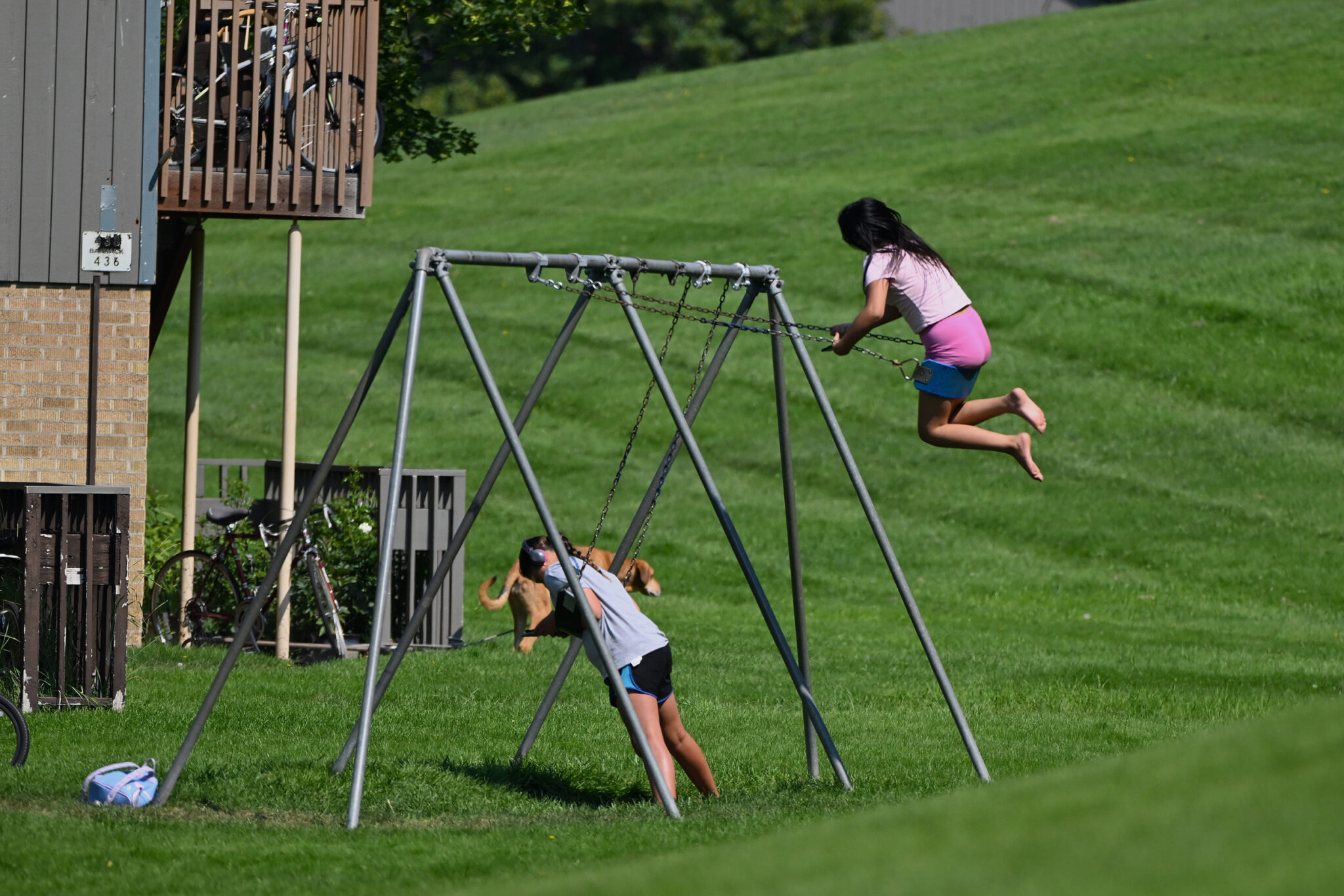
"Kids don’t understand why the world suddenly isn’t stable or why they can’t do what was planned," Dr. Byron says. "It kind of undermines a child’s faith in the world."
This disruption is compounded by parental anxiety. Parents like Sarah Lundquist, executive director of Families for a Livable Climate, describe a constant state of "health calculation." For Lundquist, an afternoon at the park is no longer a spontaneous joy but a risk assessment. Children, highly intuitive to their parents’ emotional states, pick up on this stress. A 2023 report in Current Psychiatry Reports indicates that children exposed to wildfire-related disruptions show higher rates of anxiety, depression, and post-traumatic stress, proving that the trauma of the climate crisis is not just physical—it is deeply emotional.
The "Smoked Out" Classroom: Institutional Challenges
The challenge of protecting children extends into the classroom. Missoula County Public Schools have found that keeping smoke out of school buildings is an architectural and logistical nightmare. High schools, with their high volume of student traffic, act as conduits for smoke every time a door is opened.
"Our high school has about 1,200 students," says Burley McWilliams, facilities director for the district. "They’re going in and out of the building all day long. Every time those doors open, smoke comes inside."
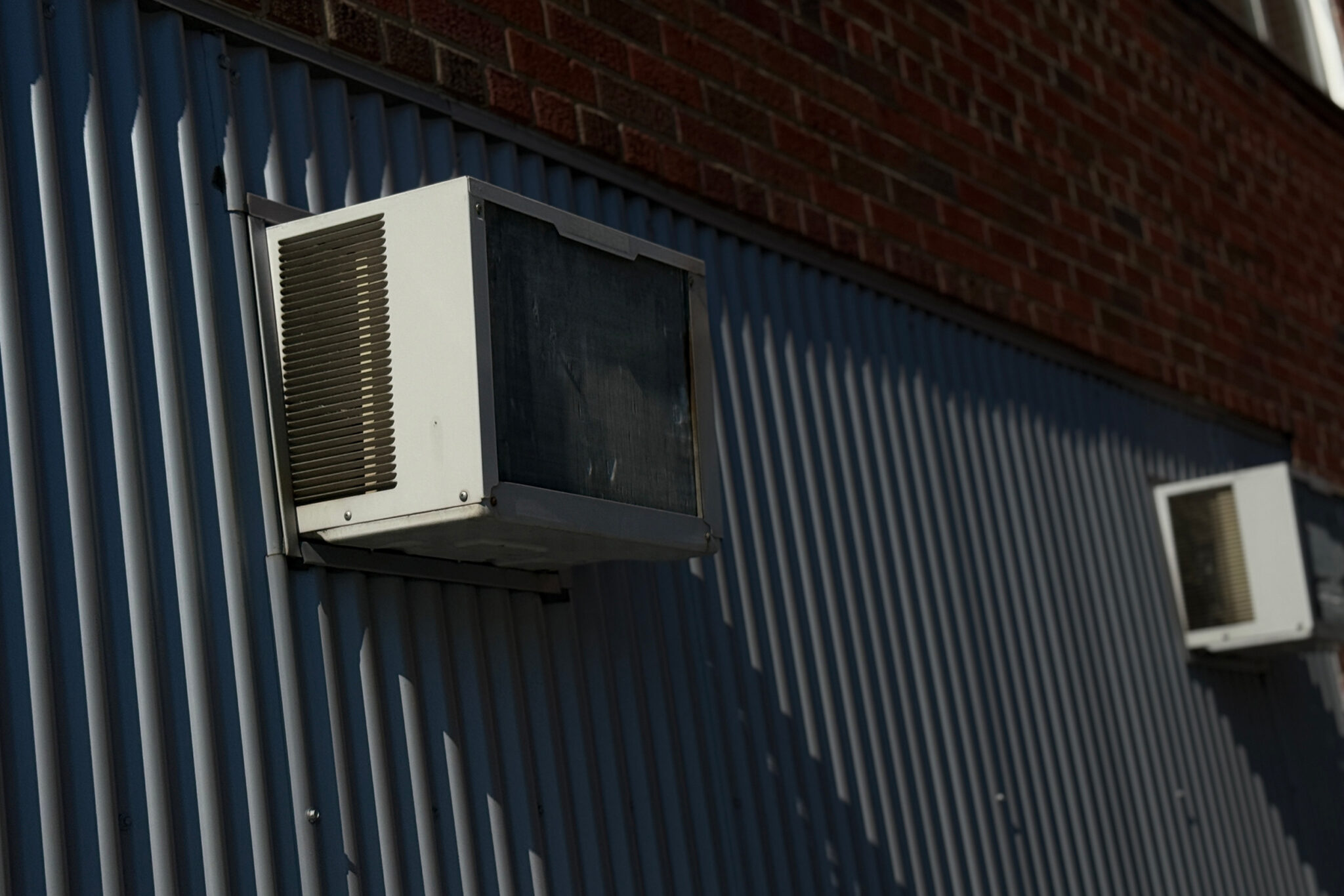
Furthermore, many older school buildings lack the modern HVAC systems necessary to filter air effectively, and rising summer temperatures mean that closing windows to keep out smoke often results in sweltering, unventilated classrooms. The academic cost is measurable; Stanford University researchers have found a direct correlation between wildfire smoke exposure and decreased academic performance. When schools close or learning is disrupted by air quality, the educational achievement gap widens, disproportionately affecting students who do not have access to high-quality air filtration at home.
Official Responses and the Funding Gap
In response to these systemic threats, Montana has launched the "Climate Ready Schools" initiative. This program seeks to redesign school infrastructure to include HEPA air filtration, better insulation, and shaded, heat-resistant outdoor areas. These schools are intended to serve as "clean-air shelters" for the wider community during the worst of the fire season.
However, the ambition of these projects is constantly checked by the reality of municipal budgets. Sarah Dobie, a project manager with CIS, which handles the technical design for these resilient schools, notes that the cost of retrofitting just three schools is estimated at $30 million. "School buildings must now be designed with climate change in mind," Dobie says, but she acknowledges that for most local districts, such an investment is financially out of reach without significant state or federal intervention.
Implications for the Future
The implications of this shift are profound. We are witnessing the rewriting of the "American Summer" for the next generation. If children grow up viewing the outdoors as a dangerous, unpredictable space, the long-term impacts on public health, social cohesion, and the human relationship with the natural world may be irreparable.
As Ann Bates, a Missoula resident and mother, observes, the emotional toll of watching children navigate these restrictions is significant. "I see young children struggling at school because of the smoke, sometimes with tears in their eyes," she says. "It breaks my heart. It makes me cry because they shouldn’t have to grow up like this."
The crisis of wildfire smoke is a clear indicator that the climate is changing faster than our infrastructure or our cultural expectations. While HEPA filters and air-conditioned classrooms are necessary stopgaps, they do not solve the root cause. For the children of the American West, the "new normal" is not just about adapting to smoke; it is about learning to navigate a world that feels increasingly fragile. Without a significant shift in how we approach both climate policy and community infrastructure, we risk raising a generation for whom the outdoors is no longer a playground, but a hazard.

 Ammar Sabilarrohman
 Nana Wu
 Lina Irawan

 Suro Senen
 Jia Lissa