
 Lina Hope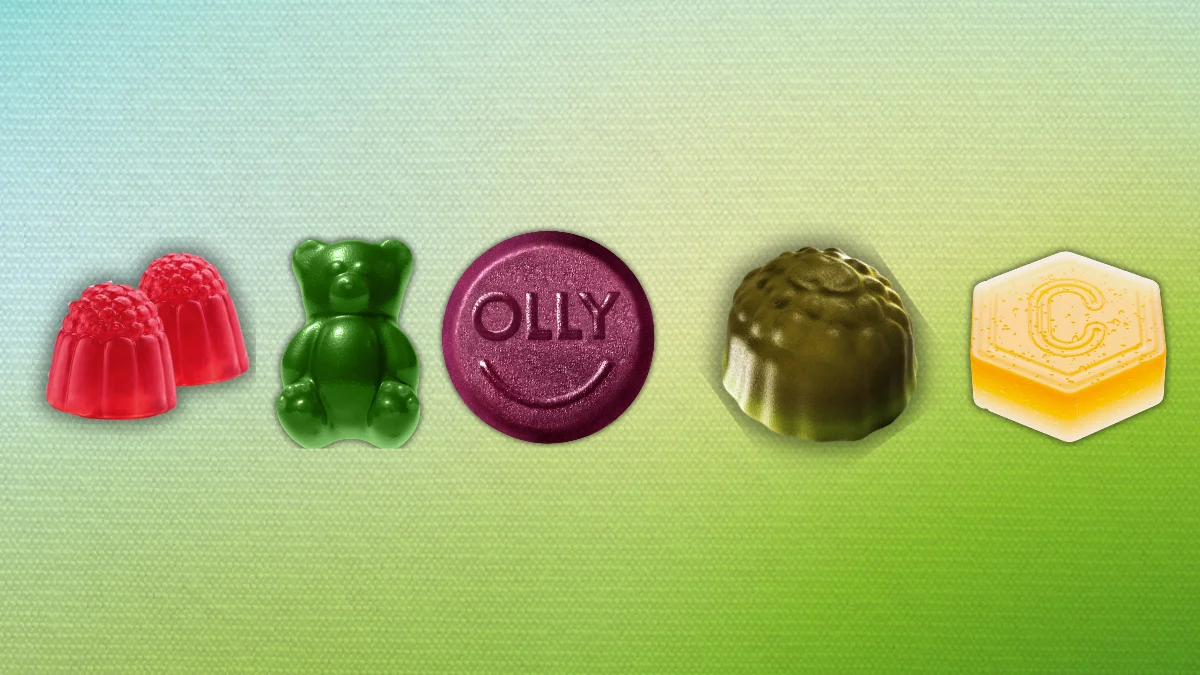
The global supplement industry is undergoing a seismic shift, moving away from the clinical, sterile aesthetic of the medicine cabinet and into the vibrant, experiential world of lifestyle branding. At the heart of this transformation is the humble gummy. Once dismissed as a sugary confection for children, the gummy supplement has emerged as the vanguard of a $6.3 trillion wellness economy, fundamentally altering how consumers interact with their health.
The Main Facts: A Billion-Dollar Sweet Tooth
The statistics surrounding the gummy market are as impressive as they are rapid in their growth. According to data from market research firm Mordor Intelligence, the global gummy supplement market is on an aggressive trajectory, with projections estimating that sales will hit $40.06 billion by 2031.
This is not merely a trend of "candy-fication"; it represents a psychological shift in consumer behavior. The modern wellness consumer is no longer looking for pills that remind them of illness. Instead, they are seeking products that integrate seamlessly into their morning routines, fitness regimens, and self-care rituals. By replacing chalky, oversized tablets with palatable, aesthetically pleasing gummies, brands have successfully lowered the barrier to entry for daily supplement adherence.
Chronology of a Wellness Boom
To understand the current dominance of the gummy, one must look at the evolution of the health and beauty sectors over the last decade.
- 2010–2015: The "Pill Fatigue" Era: For years, the supplement industry was dominated by heavy, pharmaceutical-style packaging. Consumers reported "pill fatigue," a genuine psychological and physical aversion to the act of swallowing large, tasteless, or foul-smelling tablets.
- 2016–2019: The Rise of the "Instagrammable" Supplement: As social media platforms like Instagram began to prioritize visual lifestyle content, the supplement industry saw an influx of direct-to-consumer (DTC) brands. These companies prioritized branding, clean labels, and—most importantly—delivery methods that looked good on camera.
- 2020–2022: The Pandemic Catalyst: The COVID-19 pandemic acted as a massive accelerant for the wellness economy. With an increased global focus on preventive healthcare and immune support, consumers began looking for daily habits that provided a sense of control and ritual in an uncertain world.
- 2023–Present: The Ritualization of Health: We are currently in the era of the "skincare-ification" of supplements. The gummy has transitioned from a niche alternative to the standard expectation for new entrants in the health market, ranging from collagen and probiotics to adaptogens and nootropics.
Supporting Data: The Economics of Wellness
The growth of the gummy market is inextricably linked to the broader wellness economy, which has reached an staggering $6.3 trillion valuation. Industry experts point to several key drivers behind these numbers:
- Consumer Trust and Transparency: Modern buyers are more educated than ever. They demand third-party testing, clean ingredients, and sustainable sourcing. The "gummy format" has allowed brands to combine these high-quality formulations with a sensory experience that encourages long-term retention.
- The Aging Demographic: As the "silver economy" grows, the demand for easy-to-consume supplements—especially for those with dysphagia or general difficulty swallowing pills—has spiked.
- Digital Integration: The rise of subscription models has allowed brands to keep customers engaged. Because gummies feel more like a "treat" than a "medicine," the psychological hurdle of maintaining a subscription is significantly lower.
Official Responses and Industry Insight
The transition in market positioning is perhaps best articulated by those on the front lines of the industry. Logan Chierotti, co-founder and CEO of the gut-health supplement brand Physician’s Choice, highlights the fundamental shift in consumer psychology.
"Supplements were previously marketed like medicine—focused entirely on the ailment and the clinical trial," Chierotti explains. "Now, they’re positioned more like skincare: a daily habit where the ritual or experience of your stack matters as much as the formulation and the science."
This perspective is shared by many in the nutraceutical space. The goal for modern brands is to transform a chore—taking vitamins—into a highlight of the day. By leveraging texture, flavor, and sophisticated packaging, companies are effectively "gamifying" health. When a consumer enjoys the taste of their daily supplement, they are far more likely to continue the habit, thereby improving health outcomes and increasing the brand’s lifetime value (LTV).
Implications: The Future of the Industry
The success of the gummy supplement carries significant implications for the future of healthcare, retail, and manufacturing.
The Challenge of Formulation
As the market moves toward gummies, the manufacturing challenge increases. Unlike a compressed powder tablet, a gummy requires complex stabilization to ensure that active ingredients—often sensitive to heat, light, and moisture—remain potent. This has forced the supplement industry to innovate rapidly, investing heavily in R&D to ensure that the "gummy experience" does not come at the expense of "clinical efficacy."
The Retail Landscape
Traditional pharmacies and health food stores are being forced to rethink their shelf space. The clinical "medicine aisle" is blurring into the "lifestyle aisle." Retailers are now placing high-end gummy brands alongside premium skincare and beauty products, acknowledging that consumers view these items as part of their holistic beauty and wellness routines.
The Ethical and Health Concerns
Critics of the gummy boom point to the sugar content inherent in many gummy formulations. While the industry is shifting toward sugar-free alternatives using sugar alcohols or monk fruit, the nutritional profile remains a point of contention. The "skincare-ification" of supplements may also lead to a blurring of lines between legitimate health advice and aesthetic-driven marketing, necessitating stricter oversight from regulatory bodies like the FDA.
The Sustainability Factor
As volume grows, the environmental impact of the supplement industry must be addressed. Many gummy products rely on single-use plastic packaging, which contradicts the "clean" and "natural" image that many of these brands project. Forward-thinking companies are already moving toward compostable pouches and refillable glass canisters, setting a new standard for the next decade.
Conclusion: The New Daily Ritual
The gummy supplement is more than just a passing trend; it is a symptom of a larger cultural evolution. We are living in an age where wellness is no longer defined by the absence of disease, but by the pursuit of optimization.
By framing supplements as a daily ritual—an act of self-love and self-care akin to a morning skincare routine—the industry has unlocked a level of consumer engagement that traditional pharmaceuticals could never achieve. As we look toward 2031 and beyond, the brands that succeed will be those that master the delicate balance between the science of health and the art of the experience.
The future of brands, as seen at industry forums like Brandweek, is moving toward this intersection of lifestyle and utility. For the consumer, the medicine cabinet of the future is no longer a source of dread or clinical obligation; it is a curated collection of rituals that make the act of staying healthy feel just a little bit sweeter.
As the industry continues to scale, the focus will undoubtedly shift toward balancing the high-performance, science-backed requirements of the supplement world with the sensory delight that the gummy delivery system provides. The $40 billion valuation is not just a projection; it is a testament to a world that is ready to embrace health, one gummy at a time.


 Reynand Wu
 Iffa Jayyana
 Ammar Sabilarrohman
 Azzam Bilal Chamdy
 Sagoh
Sagoh
 Suro Senen