
 Muslim
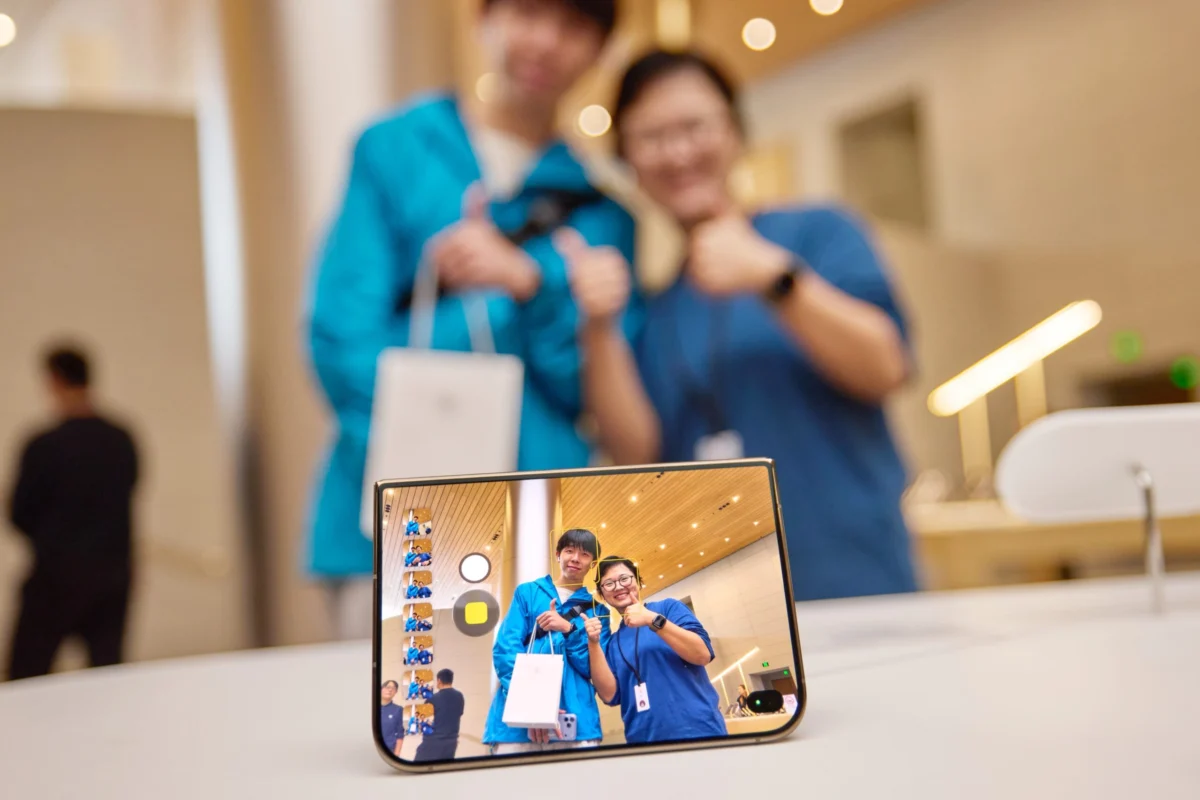
In the current global economic climate, characterized by a persistent cost-of-living crisis and a precipitous 20% contraction in the global smartphone and PC markets, luxury consumer electronics are typically the first casualties of tightened household budgets. Yet, Apple has once again subverted traditional market logic. With the launch of the "iPhone Duo"—its inaugural foldable smartphone—the Cupertino giant has managed to move millions of units at a staggering $2,000 price point. This achievement, occurring in the face of widespread skepticism and macroeconomic headwinds, raises a fundamental question: How did Apple convince consumers to invest in a premium, first-generation foldable device when the broader tech sector is struggling to maintain even baseline sales volumes?
The Premise: A Controversial Debut
The narrative surrounding the iPhone Duo’s launch was initially clouded by a wave of critical reviews. Early adopters from the media circuit were quick to point out the device’s apparent lack of third-party software support. Critics argued that the ecosystem felt hollow, with few apps optimized for the unique, expansive canvas of the folding display.
However, a closer look at the timing of these critiques reveals a fundamental misunderstanding of the software development lifecycle. Developers do not calibrate their release schedules to align with embargoed media reviews; rather, they target the retail release date. By the time the device reached the hands of the general public on October 23, the supposed "app drought" had evaporated. Apple’s coordinated software strategy ensured that by launch day, more than 50 major applications—including Netflix, Amazon Prime, Paramount+, Microsoft Office, Zoom, Slack, and Instagram—were fully optimized for the Duo’s unique form factor.
Chronology of a Tech Milestone
To understand the success of the iPhone Duo, one must look at the long-tail timeline of the project.
- 2011–2025: The R&D Phase: Speculation regarding an Apple-made foldable device has persisted for over a decade. This long gestation period primed the market, creating a "mythic" status for the device long before a prototype was ever glimpsed.
- Early 2026: Financial Engineering: Apple introduced its "Upgrade" program, a strategic financial initiative that allows users to lease hardware rather than pay the full cost upfront. This lowered the barrier to entry, masking the $2,000 price tag with manageable monthly installments.
- September 2026: Pre-Launch Hype: Rumors of constrained supply chains created a "scarcity effect," driving demand as potential buyers feared missing out on the first batch of units.
- October 22–23, 2026: Retail Launch: Despite the high price, crowds queued outside Apple Stores globally, signaling a level of brand fervor that remains largely unmatched in the industry.
- Post-Launch: Apple responded to the unexpectedly high demand by increasing manufacturing orders, confirming that the device was not just a niche prototype but a commercial juggernaut.
The Ecosystem Response
Susan Prescott, Apple’s Vice President of Worldwide Developer Relations, addressed the early criticisms by highlighting the seamless transition developers made to the new hardware. "The response to iPhone Duo from our developer community has been incredible, and we’re inspired by how quickly they’ve embraced its larger display and new ways to interact," she noted.
While some might dismiss this as corporate rhetoric, the sheer volume of software support at launch validates the claim. Furthermore, independent developers, including the Omni Group and the team behind the productivity staple Ulysses, pushed out dedicated updates immediately. This broad support serves as a pointed rebuttal to the early reviews that claimed the device was "late" or "lacking."
Identifying the Weak Spots: Honesty in Reporting
Despite the commercial success, the iPhone Duo is not without its flaws. Honest reporting remains essential, and it is a fact that the device represents a "Version 1.0" product. Apple clearly made compromises to bring the device to market in 2026.
The most notable absences are the lack of Face ID—a feature now standard on lower-tier iPhones—and a camera system that, while capable, does not match the professional-grade output of the iPhone Pro line. For photographers and filmmakers, the Duo is currently a secondary device rather than a primary tool. However, in the world of consumer technology, these omissions are rarely permanent. They are placeholders.
Industry analysts, including Bloomberg’s Mark Gurman, have already confirmed that Apple is deep in development of under-display Face ID sensors. The technological trajectory is clear: the limitations of the Duo today are the roadmap for the iPhone Duo 2, expected in roughly 11 months. Consumers buying the Duo now are participating in a continuum, effectively "buying in" to a platform that they know will be refined in the next iteration.
Supporting Data: Why the $2,000 Price Didn’t Deter Buyers
Why did millions pay $2,000 when the industry is shrinking? The answer is a confluence of factors:
- Brand Loyalty and Inertia: Apple’s ecosystem is famously "sticky." Once a user is embedded in the Apple services layer (iCloud, Apple Music, iMessage), the cost of switching away is higher than the cost of upgrading to a new, expensive piece of hardware.
- Strategic Financialization: As noted, Apple’s partnership with financial services and carrier-subsidized deals allowed users to compartmentalize the expense. By shifting the focus from "total cost" to "monthly service cost," Apple effectively mitigated the sting of the $2,000 price point.
- Targeted Demographics: The current economic downturn is not felt uniformly. The demographic most likely to purchase a $2,000 first-generation foldable is generally insulated from the inflationary pressures affecting the broader population. For this group, the device acts as a status symbol and a productivity tool, making it a "must-have" regardless of the market climate.
- Carrier Desperation: Telecommunications companies are currently struggling with stagnant smartphone upgrade cycles. To keep their subscribers tied to long-term contracts, they have incentivized the purchase of the iPhone Duo through aggressive trade-in schemes, which effectively subsidize the consumer’s cost.
The Implications: A New Era for Hardware
The success of the iPhone Duo suggests that the "premiumization" of the smartphone market is not a temporary anomaly, but a long-term strategy. By launching a high-margin, high-cost device, Apple has successfully bifurcated its market. There is the functional, standard-issue iPhone for the mass market, and the "Duo" class for those who value innovation and brand prestige above fiscal caution.
Furthermore, the "Duo" model sets a precedent for how Apple will handle future product categories. By acknowledging the limitations of the current hardware while simultaneously signaling the features of the next, Apple has turned the "first-generation" stigma into a feature. Customers are no longer just buying a phone; they are buying a subscription to an ongoing development cycle.
As the industry moves into 2027, the success of the iPhone Duo will undoubtedly force competitors to pivot. The question will no longer be whether foldable technology is viable, but whether other companies can replicate Apple’s ability to build a developer ecosystem, a financial support structure, and a brand narrative that convinces consumers to ignore the "cost-of-living" reality in favor of the cutting edge.
For now, the message from Cupertino is loud and clear: even in a downturn, innovation that carries the Apple logo is exempt from the laws of austerity. The market was primed, the apps were ready, and the consumers were waiting. With the iPhone Duo, Apple has proven that when it comes to brand power, perception remains the most potent currency of all.


 Jia Lissa

 Asep Darmawan

 Lina Irawan

 Pevita Pearce

 Suro Senen


 Ammar Sabilarrohman
 Raul Delapena Setiawan
