
 Jia Lissa
In the rapidly shifting sands of digital product design, there is a recurring temptation to chase the "next big thing." Every quarter brings a new wave of frameworks, experimental interaction models, and avant-garde aesthetic trends. Yet, as we navigate the complexities of 2026, a singular truth remains: the most effective interfaces are not those that demand the user relearn how to interact with the web, but those that master the art of purposeful evolution.
Good interface design is not about constant reinvention; it is about the refinement of universal human-computer interaction (HCI) principles. The patterns that endure do so because they have earned the user’s trust. They provide a sense of rhythm, reliability, and intuition that transcends technological cycles. By anchoring innovation in these tried-and-tested UI foundations, designers can push creative boundaries without alienating their audience.
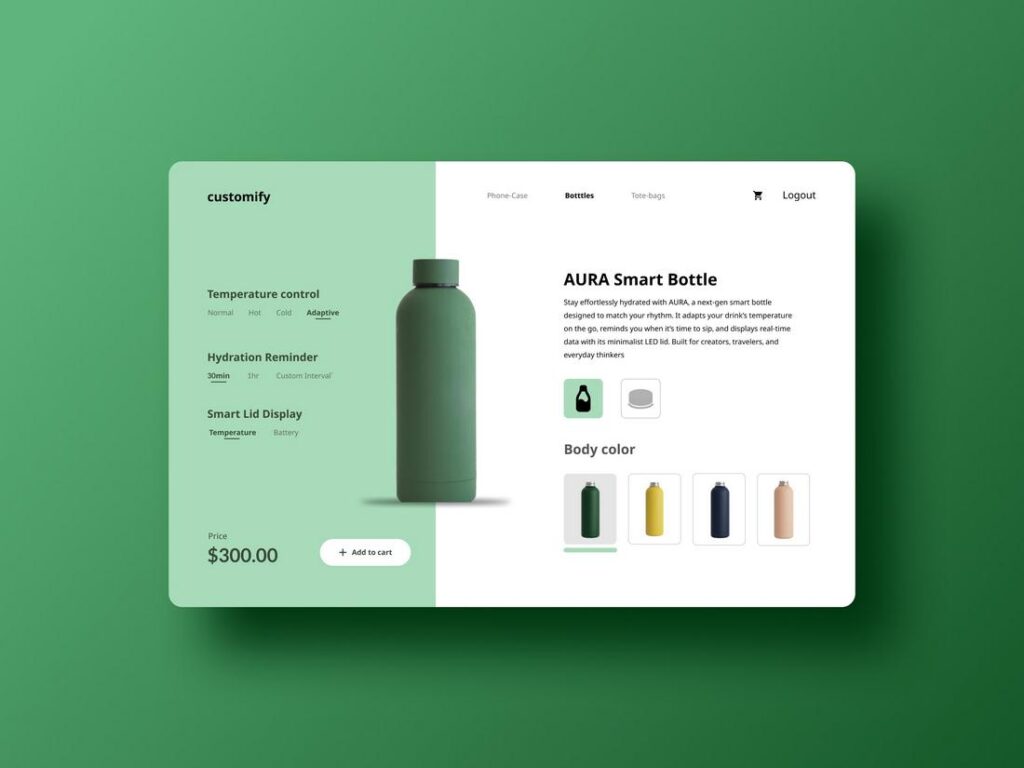
The Foundation of Familiarity: A Chronology of UI Evolution
The history of the web is a testament to the survival of the fittest design patterns. In the early 2000s, navigation was often chaotic, and "discovery" was a matter of guesswork. The shift toward standardized UI—such as the transition from top-heavy link lists to the sticky navigation bars we see today—marks a transition from "exploratory" web design to "utility-driven" architecture.
By the mid-2010s, the rise of mobile-first design necessitated the creation of the Floating Action Button (FAB) and the Card Grid. These were not mere aesthetic choices; they were structural responses to the constraints of smaller viewports. As we move through 2026, these patterns have not disappeared; they have simply matured. They have moved from static, "dumb" containers into dynamic, context-aware components that leverage artificial intelligence to tailor the experience to the individual user.
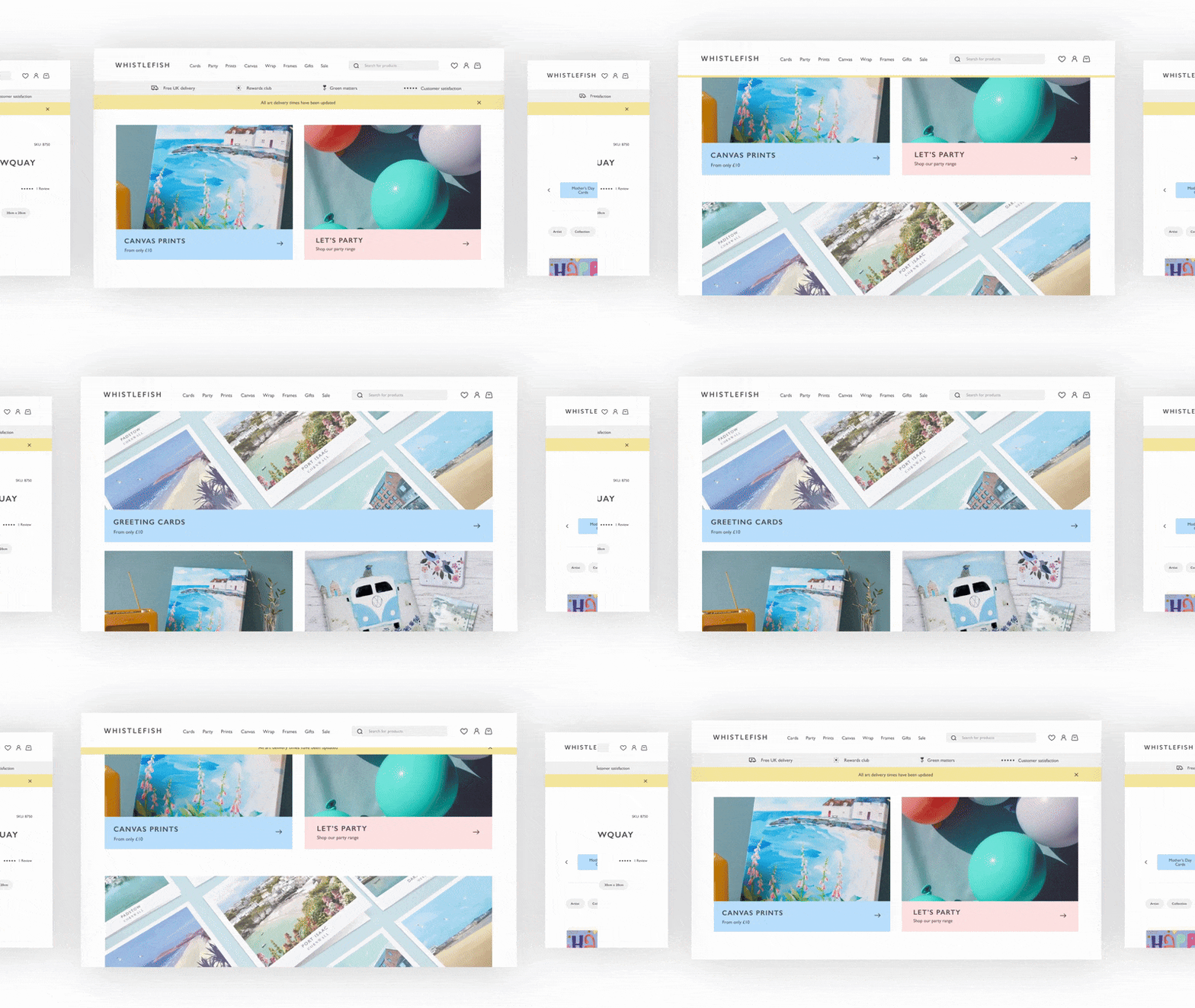
Supporting Data: Why Consistency Drives Conversion
Data from UX research labs consistently indicates that "recognition over recall"—a core heuristic—remains the primary driver of user satisfaction. Users spend the vast majority of their time on other websites; consequently, they expect your site to behave like all the others.
- Cognitive Load: When users encounter a familiar pattern, the cognitive load required to navigate is significantly lower. Research shows that deviations from standard navigation patterns can increase bounce rates by up to 40% in e-commerce environments.
- Performance Metrics: Modern implementations of infinite scroll and lazy-loading cards have shown that when paired with "smart" progress indicators, user engagement time increases by an average of 22% compared to traditional paginated layouts.
- Accessibility Compliance: Patterns like the collapsible sidebar and dark mode toggles are no longer "features"; they are accessibility requirements that ensure digital inclusivity, meeting WCAG 3.0 standards for diverse user needs.
10 Pillars of Modern Interface Design
1. The Dynamic Sticky Navigation Bar
The sticky navbar is the anchor of the modern viewport. In 2026, it has moved beyond a static strip at the top of the screen. Today’s dynamic navbars respond to the user’s velocity and intent. When a user is reading, the navbar recedes to maximize screen real estate; when they begin to scroll upward, the menu reappears, anticipating the need for navigation.
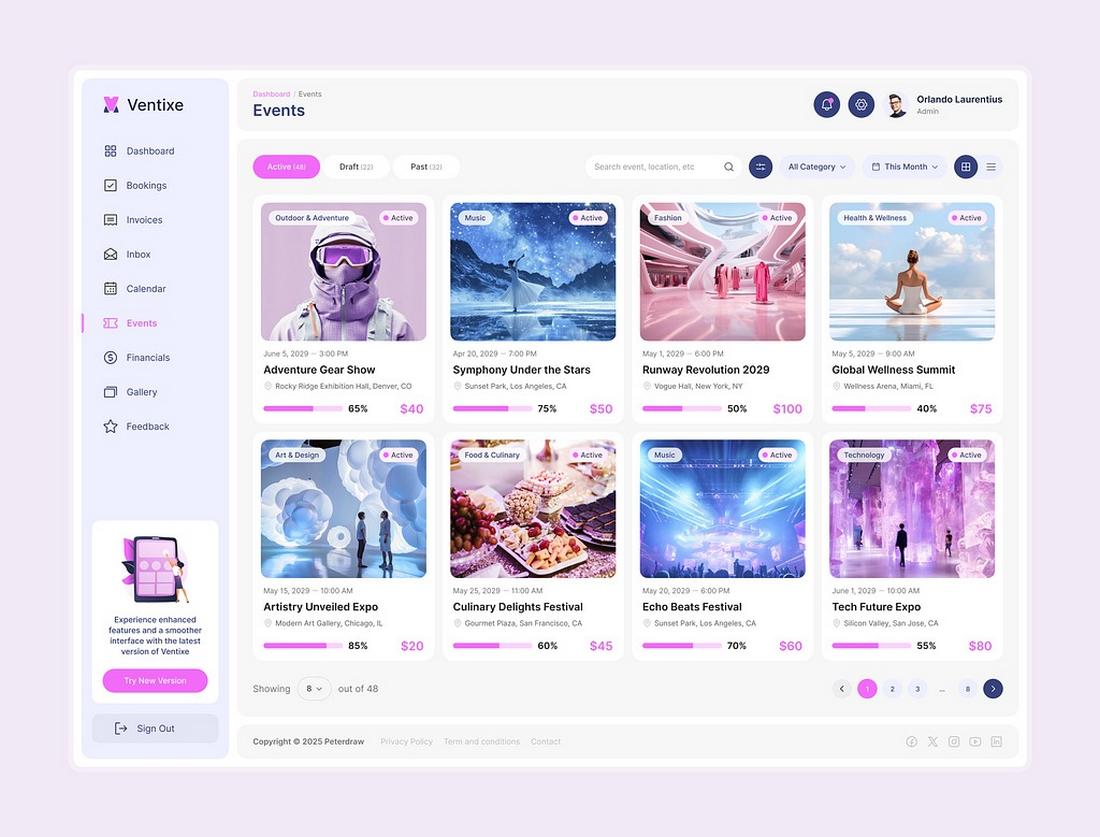
2. The AI-Enhanced Card Grid
Cards serve as the atomic unit of modern design. By grouping visuals, metadata, and actions into a single block, they provide a modular, scannable experience. In 2026, these grids are increasingly personalized by AI, which reorders content based on past user behavior, ensuring that the most relevant products or stories are always front-and-center.
3. Infinite Scrolling: The Art of Intentional Flow
Once feared for its potential to frustrate, infinite scroll has been perfected. Modern implementations use "breaks"—sections that provide a natural pause—and clear footer accessibility. This maintains the momentum of exploration while ensuring the user never feels lost in an endless feed.

4. The Interactive Split-Screen
The split-screen layout offers a dual-pane view that is perfect for comparison or parallel workflows. Today, this pattern has evolved into an interactive interface where users can drag the central divider to re-proportion their workspace, shifting from a text-heavy view to a media-centric one on the fly.
5. The Intelligent Floating Action Button (FAB)
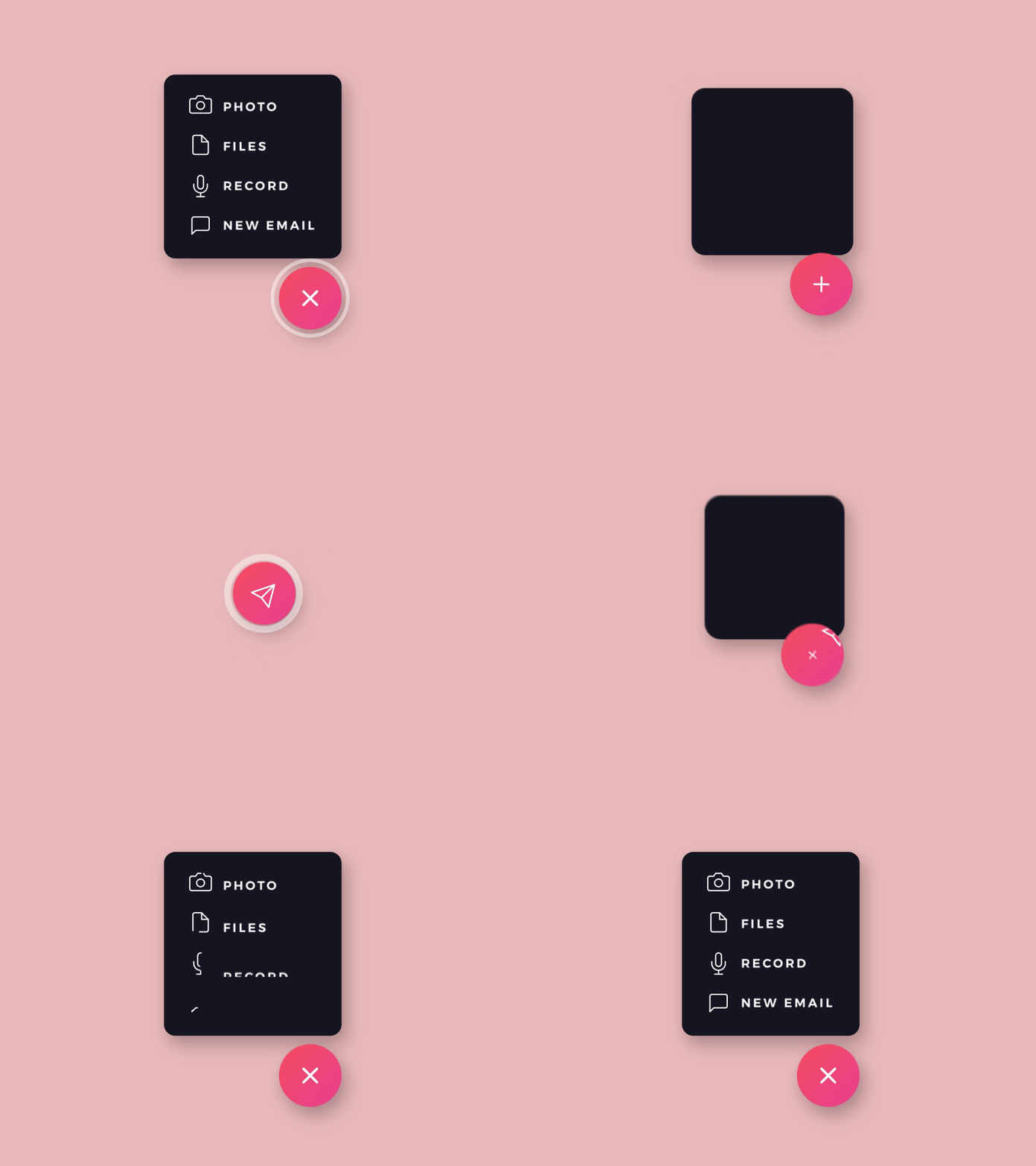
The FAB remains the gold standard for mobile primary actions. Modern iterations now employ "morphing" states; a single button might transform into a multi-option menu based on the context of the user’s current task, providing maximum utility with a minimal physical footprint.
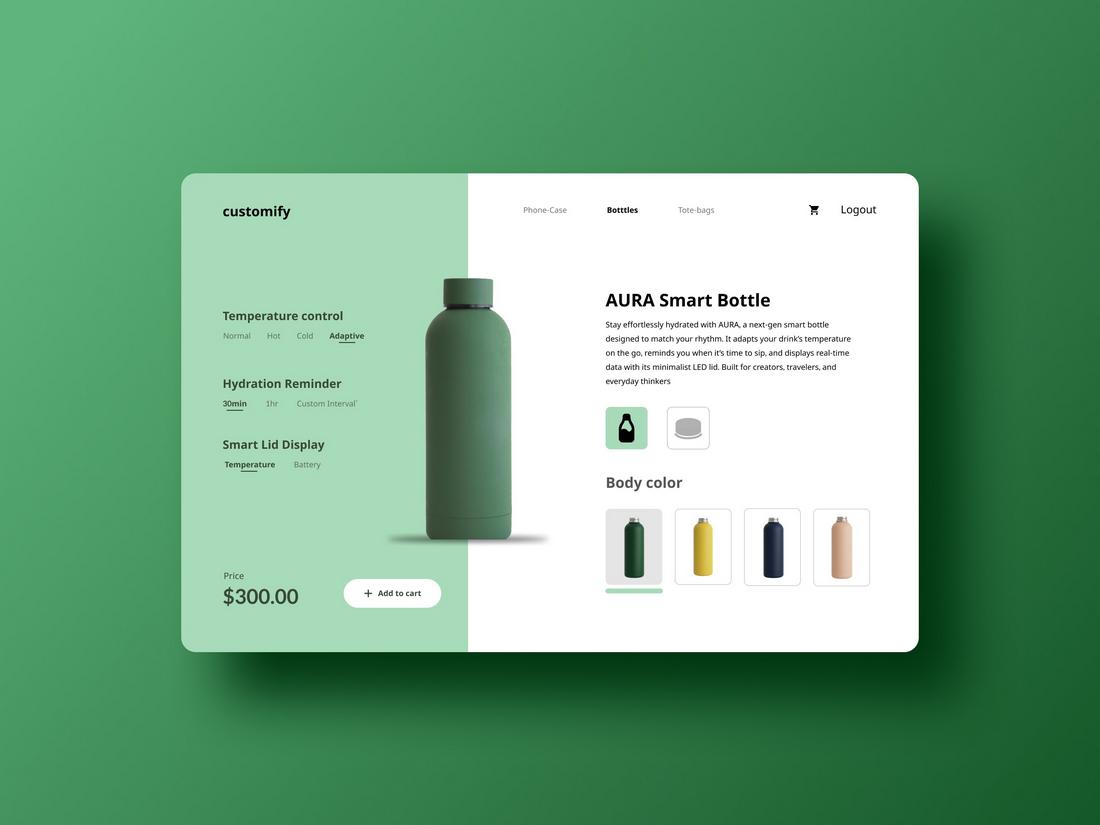
6. The Collapsible Sidebar
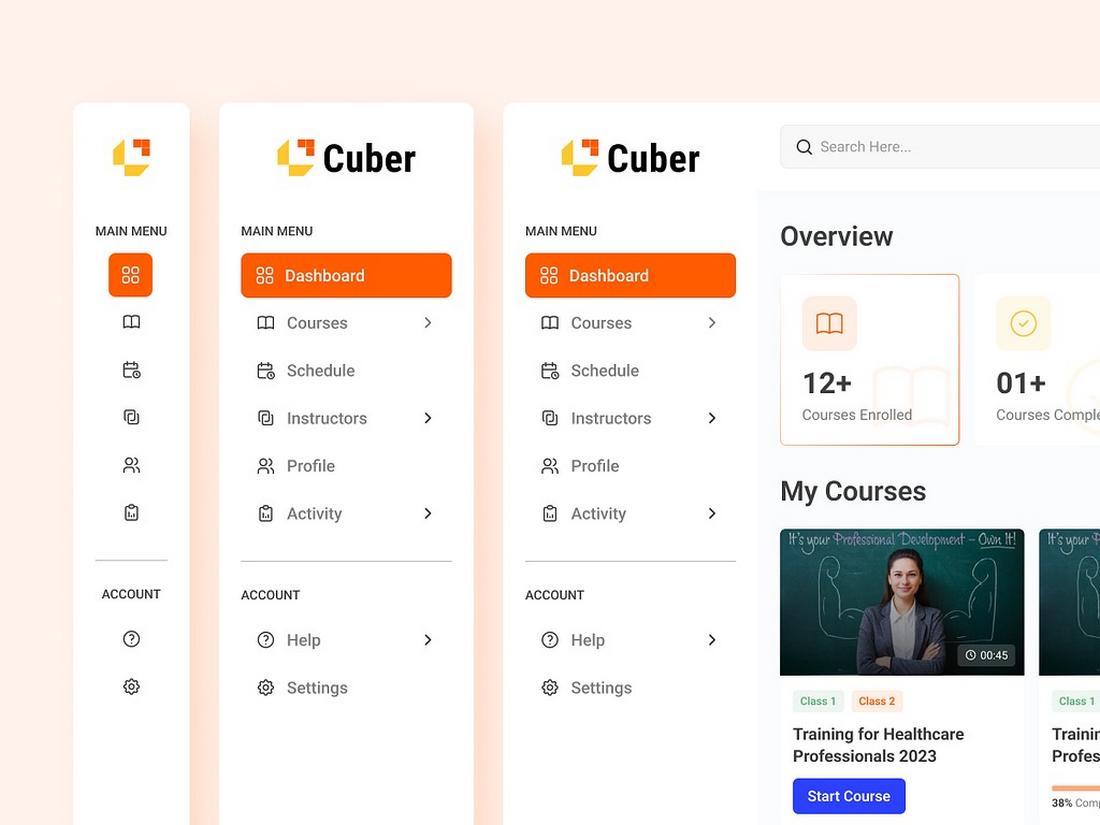
In productivity and SaaS dashboards, the collapsible sidebar is the ultimate tool for focus. By allowing users to toggle between a "deep-work" view and a "navigation-heavy" view, designers empower the user to define their own workspace environment.
7. Conversational Onboarding Walkthroughs
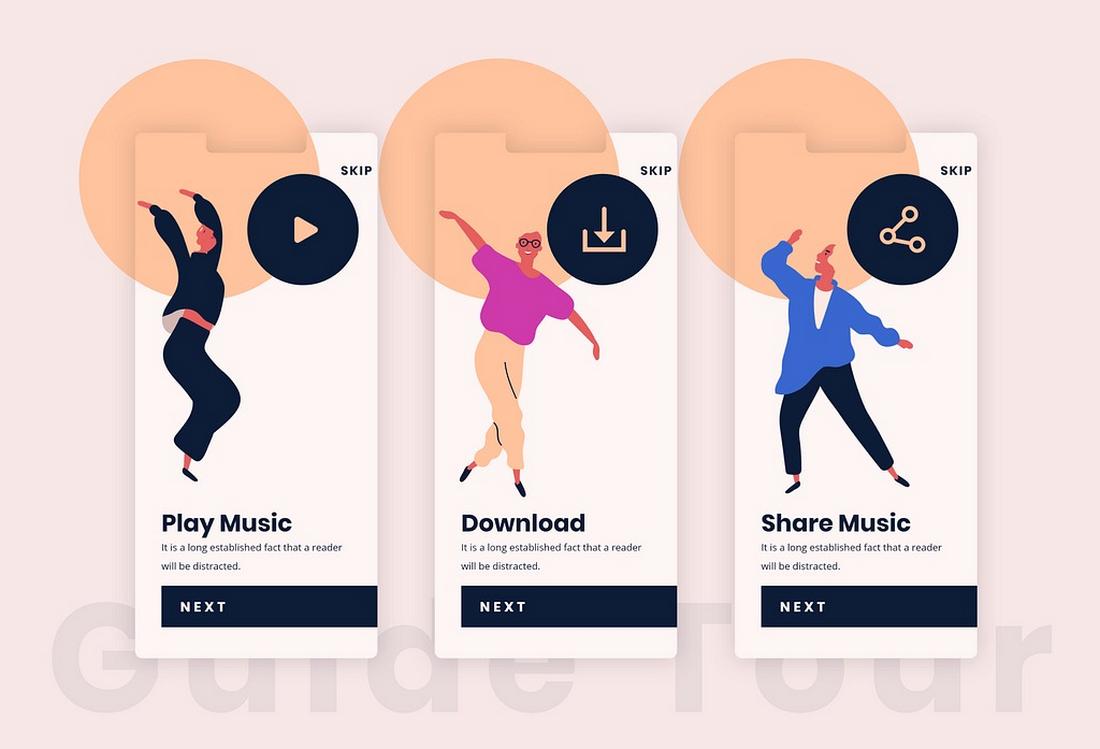
Static, multi-step tutorials are being replaced by "just-in-time" guidance. Using behavioral triggers, modern apps offer small, helpful prompts only when a user hesitates or reaches a specific milestone, reducing the initial barrier to entry.
8. Adaptive Dark Mode Toggles
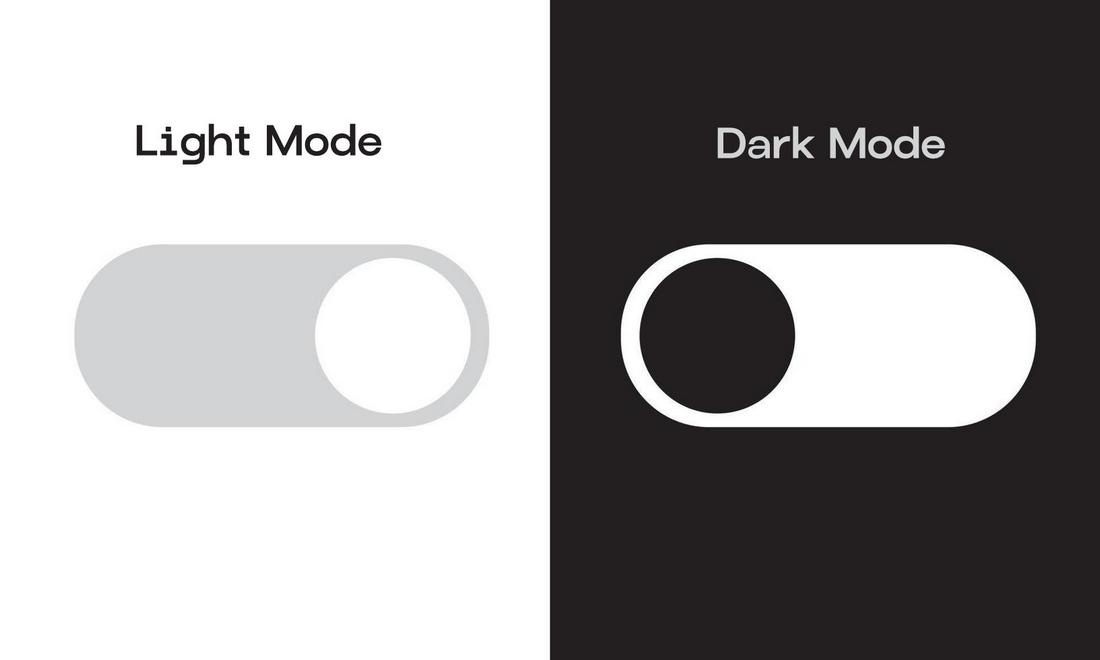
Dark mode is now a fundamental expectation. The current standard involves "ambient awareness"—where the interface doesn’t just switch between black and white but adjusts contrast, saturation, and blue-light levels based on the time of day and ambient lighting conditions.
9. Predictive Search-as-You-Type
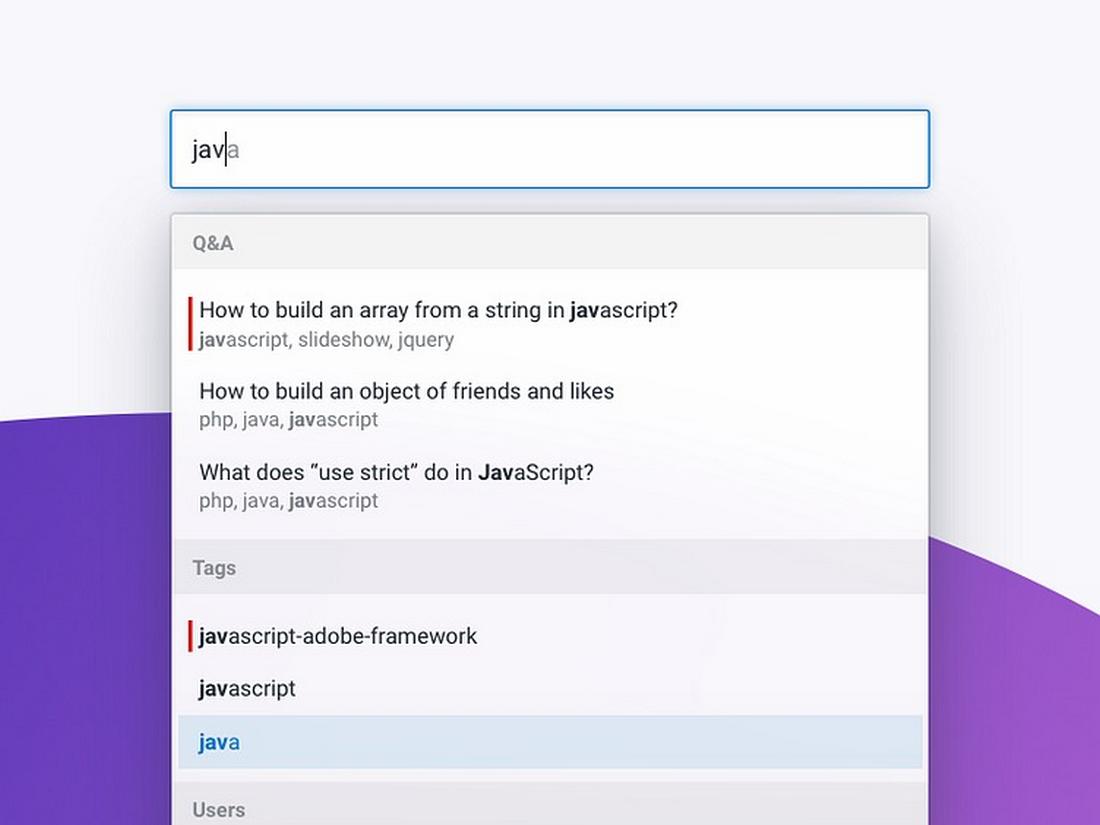
Search is no longer a passive box; it is an active assistant. Using Natural Language Processing (NLP), modern search bars provide real-time suggestions that account for user intent, correcting typos and surfacing deep-linked content before the user finishes typing.
10. Adaptive Feedback Systems
Whether it is haptic feedback on a mobile device or subtle micro-animations on a desktop, feedback systems have become the "voice" of the interface. They reassure users that their input was received, providing a tactile, human-centric layer to the digital experience.
Official Industry Perspectives: The Human-Centric Shift
Leading design systems managers emphasize that these patterns are not a restriction on creativity but a framework for it. "When you remove the friction of learning a new navigation system, you free up the user’s mental energy to appreciate the actual content, the brand storytelling, and the unique value proposition of the product," notes one lead UI architect.
The industry is moving away from the "designer-as-artist" mentality and toward the "designer-as-architect" model, where the goal is to build spaces that feel natural, predictable, and supportive of human needs.
Implications for the Future of Digital Experience
The implication of this reliance on proven patterns is clear: design is becoming more invisible. As AI continues to influence how interfaces adapt, the "UI" itself will begin to melt away, leaving only the interaction.
For businesses, this means that the competitive edge will no longer be found in having the most complex, "never-before-seen" layout. Instead, the edge will be found in how seamlessly a brand can implement these established patterns to create a sense of trust and reliability.
Conclusion: Rethinking the Familiar
Innovation, in the context of 2026, is not about the invention of new shapes; it is about the purposeful application of the old ones. By honoring the rhythm of the sticky navbar, the clarity of the card grid, and the comfort of adaptive feedback, designers create an environment where the user feels empowered rather than overwhelmed.
The future of the web isn’t a radical departure from what we know—it is a deeper, more empathetic refinement of the patterns that have defined our digital lives for decades. By focusing on the user’s need for consistency, we build interfaces that do not just work; they resonate.

 Sagoh
Sagoh
 Asep Darmawan
 Raul Delapena Setiawan
 Reynand Wu


 Azzam Bilal Chamdy
 Ali Ikhwan