
 Siti Muinah
For decades, the “designer-developer handoff” has functioned as the industry’s most persistent bottleneck. It is a ritual characterized by friction: designers export assets, developers write boilerplate code, and stakeholders pray that the final product resembles the original vision. While the recent explosion of generative AI has dramatically increased individual productivity, it has—somewhat ironically—exacerbated this divide.
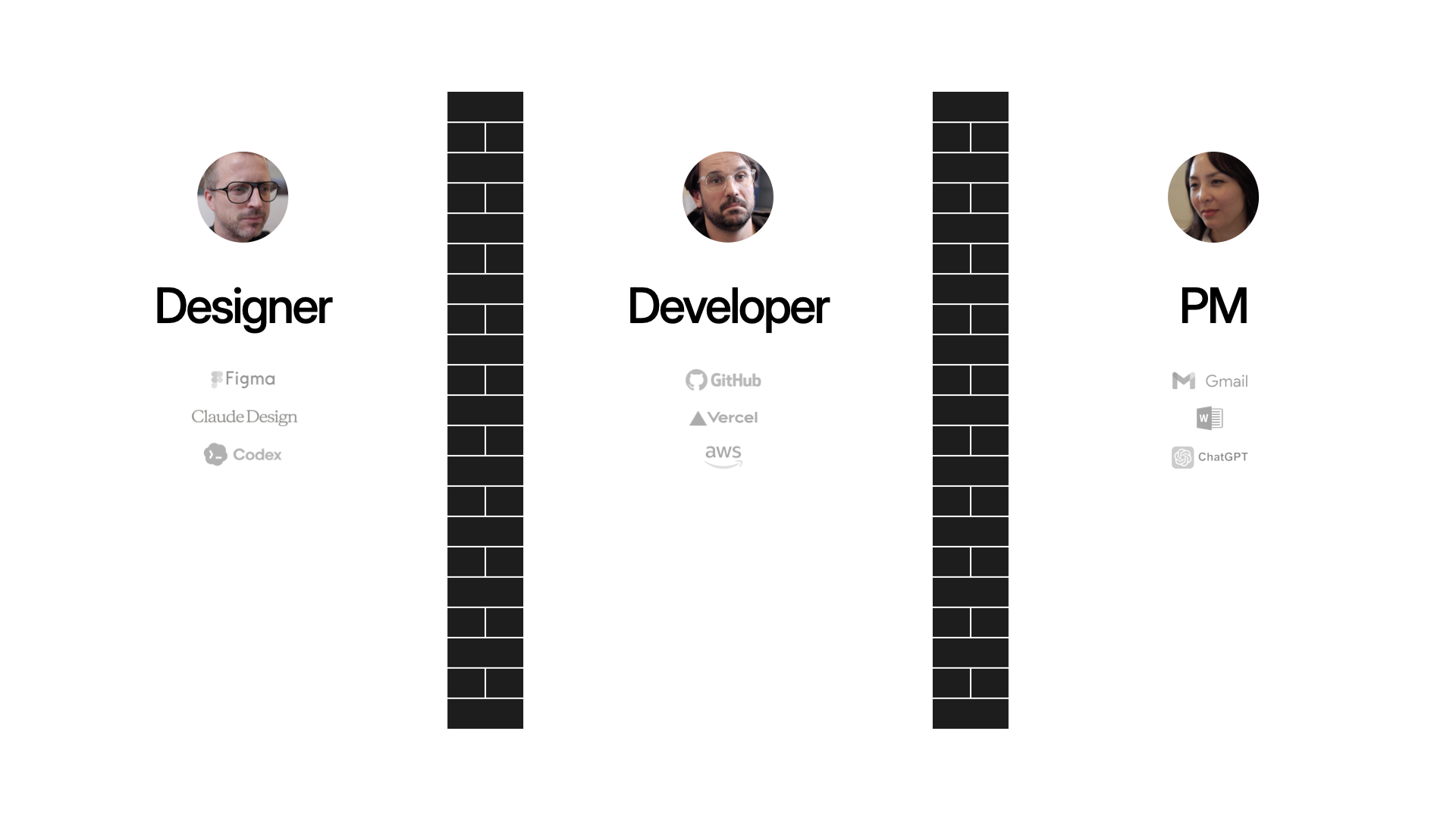
Instead of fostering collaboration, modern AI tools have encouraged a “throw-it-over-the-wall” culture at scale. Now, teams aren’t just passing static files; they are firing off AI-generated PRs and code snippets at a blistering pace, often leaving their counterparts overwhelmed and the project’s cohesive integrity in tatters.
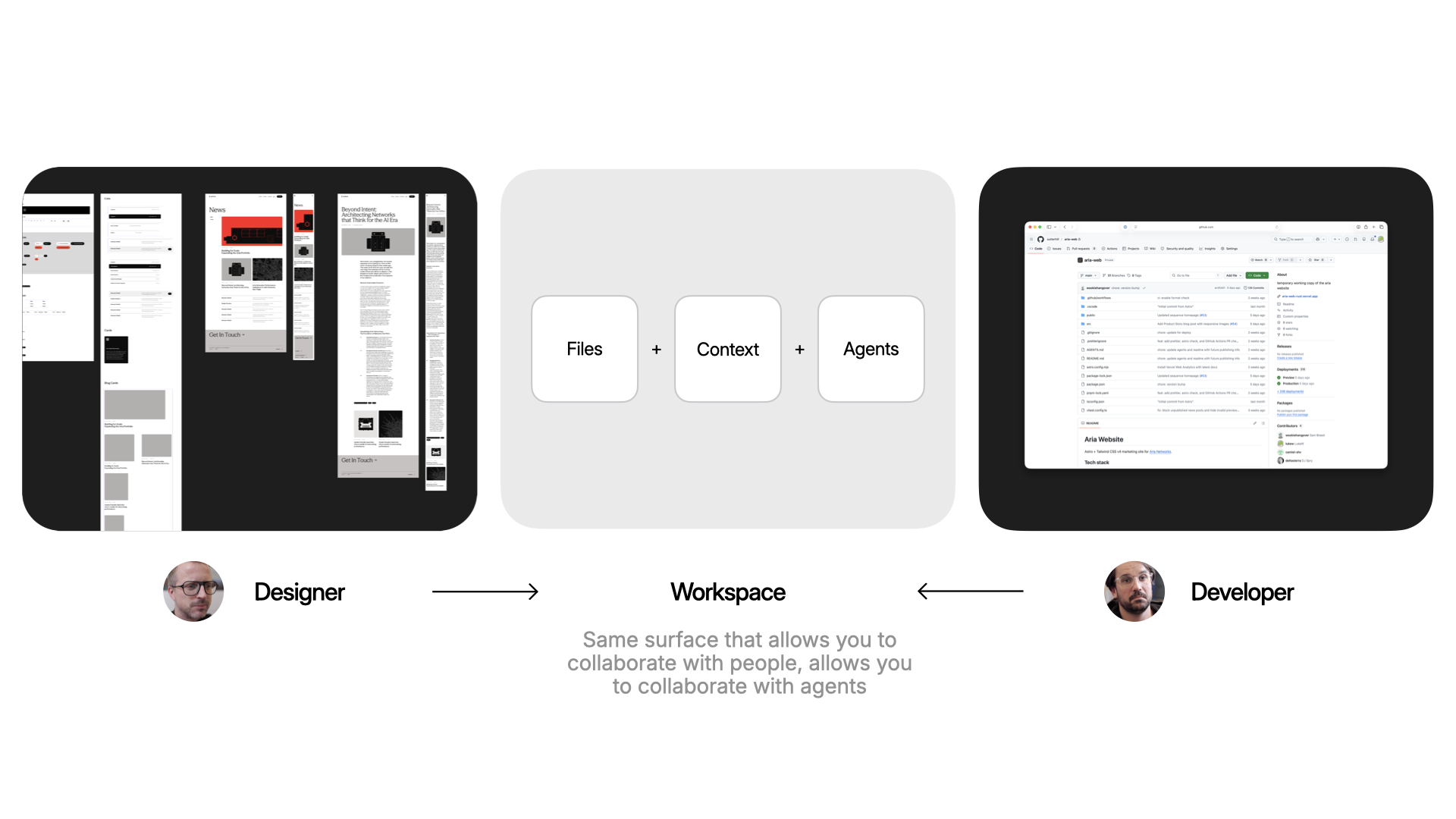
A new initiative, presented by industry veterans Amelia Wattenberger and Luke Wroblewski at the Design Futures Assembly, suggests that the solution to this crisis is not more speed—it is a fundamental restructuring of the collaborative workspace. Through their new platform, Intent, the team is proposing a move away from siloed tools toward a unified, context-aware environment that treats “taste” as a codebase-level primitive.
The Chronology of the Disconnect
To understand why the industry is currently struggling, one must look at the evolution of digital toolsets. As user experience (UX), front-end development, and product management matured into distinct professional disciplines, the industry built specialized fortresses for each.
Designers migrated to Figma; developers stayed in their IDEs; product managers occupied Jira and Notion. While this specialization allowed for deep technical mastery, it also cemented a culture of compartmentalization.
The AI Acceleration
When generative AI entered the mainstream, it promised to bridge these gaps. However, the initial discourse focused almost exclusively on individual empowerment. We saw a surge in sentiment where designers claimed, “I don’t need developers anymore,” while developers similarly asserted they could bypass the design phase entirely.
This led to the current state of the industry:
- The Phase of Siloed Productivity: Each role uses AI to amplify their own output.
- The Bottleneck of Volume: The sheer volume of AI-generated assets and code creates an overwhelming influx of pull requests and design tweaks.
- The Crisis of Cohesion: As teams ship faster, the "invisible threads" that tie a product together—consistent typography, fluid animations, and structural integrity—begin to fray.
Supporting Data: The Case for a New Workflow
The current paradigm assumes that collaboration is something that happens after work is produced. In contrast, the Intent approach argues that collaboration must happen within the environment where work is created.
The Workspace Primitive
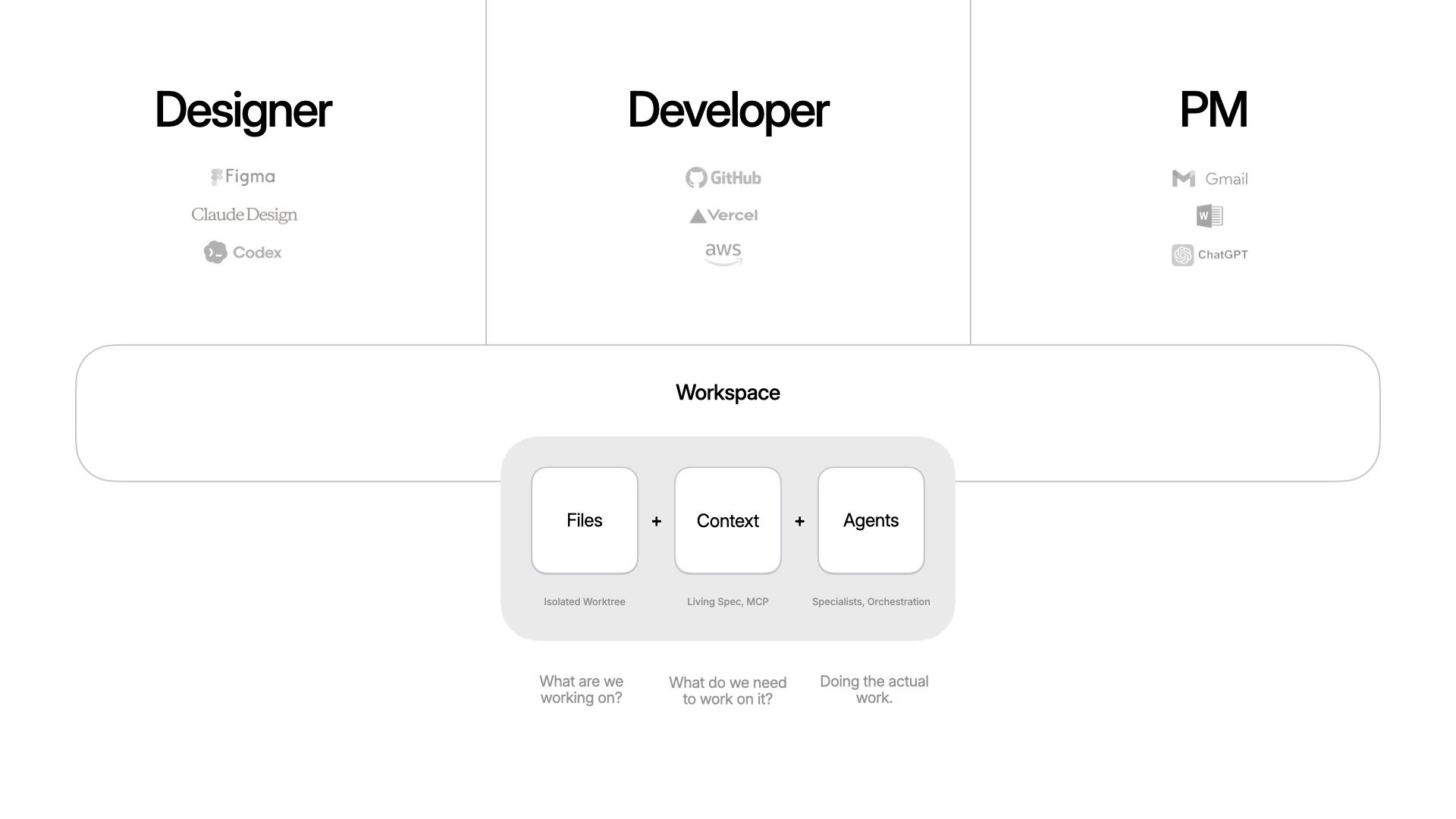
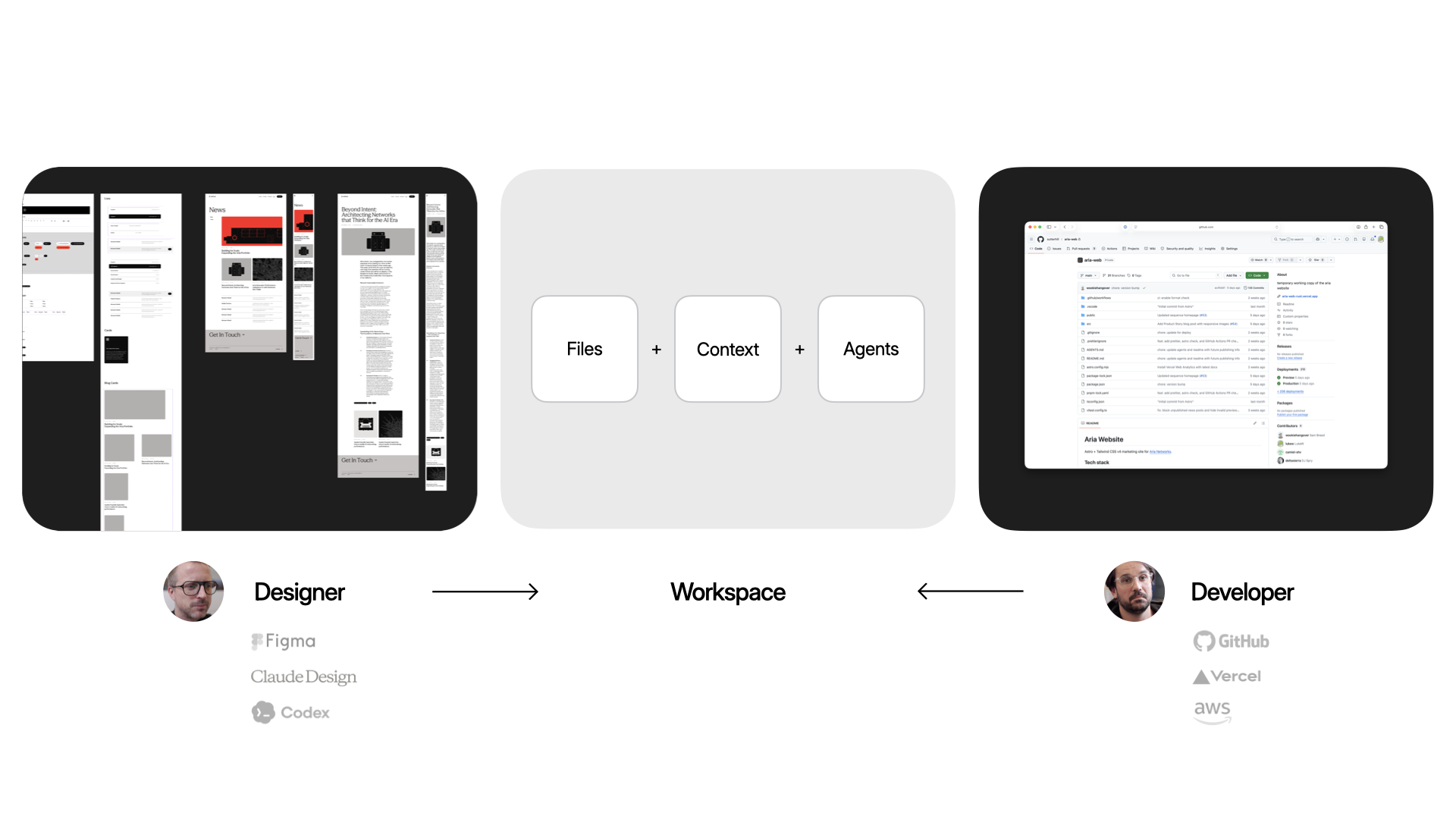
At the heart of the Intent platform is the "Workspace Primitive." Instead of treating a project as a collection of disjointed files stored in disparate cloud repositories, a workspace acts as a comprehensive bundle of context. Each workspace includes:
- Isolated Codebases: A sandboxed environment where changes can be made without destabilizing the primary production build.
- Contextual Data: Access to specifications, scratchpads, and live data from external systems via Model Context Protocol (MCP).
- Orchestration Agents: AI agents that do not just “generate code,” but act as stewards of the team’s predefined standards.
The Economics of Parallelism
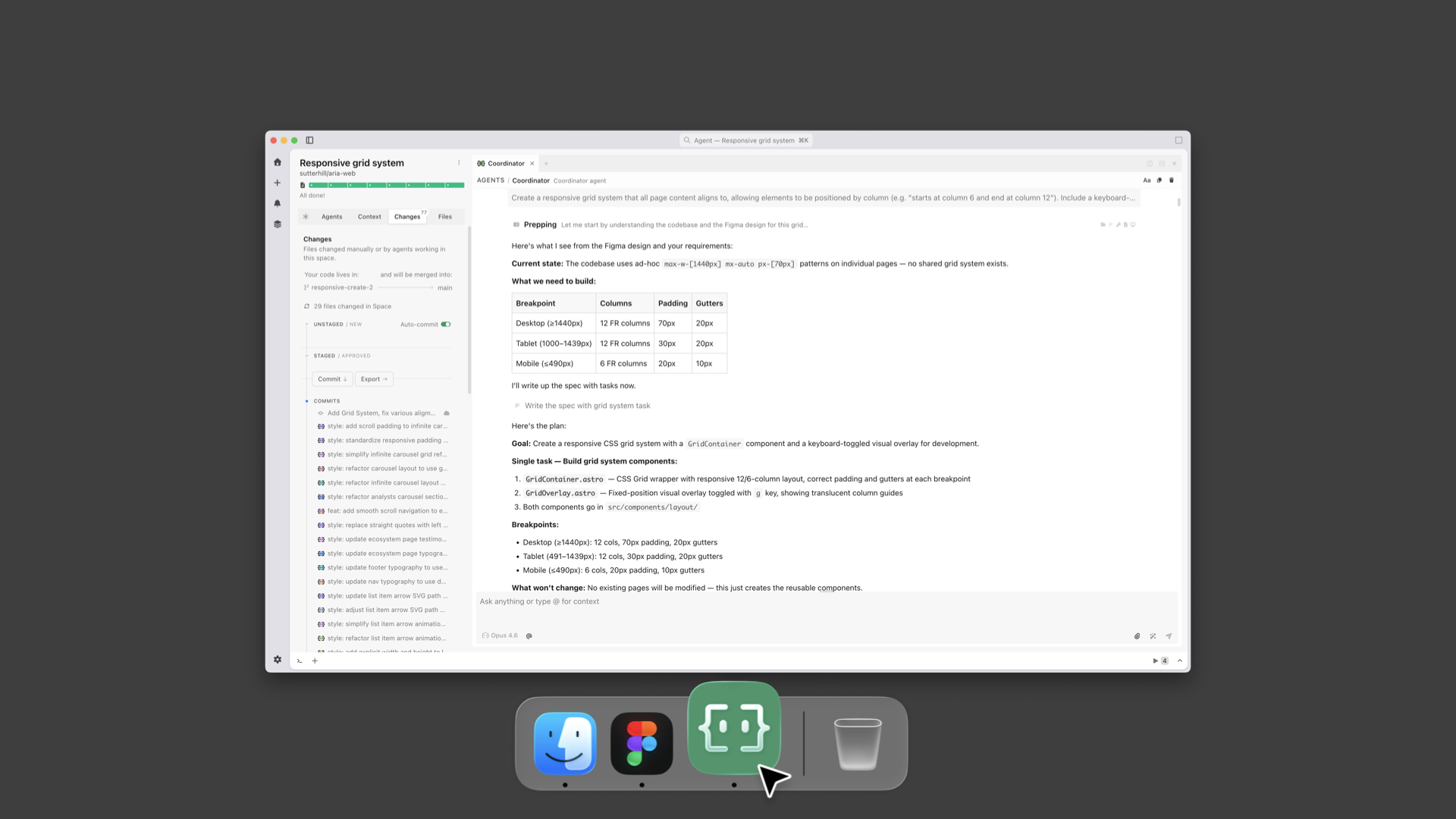
By encoding design and development constraints into these workspaces, companies can achieve what the team calls “massive parallelism.” In a traditional setup, a late-night, last-minute feature request would be a nightmare for a developer already balancing a heavy queue. With a templated, encoded workspace, an agent can ingest the design intent and technical requirements, executing the request within the existing system’s parameters.
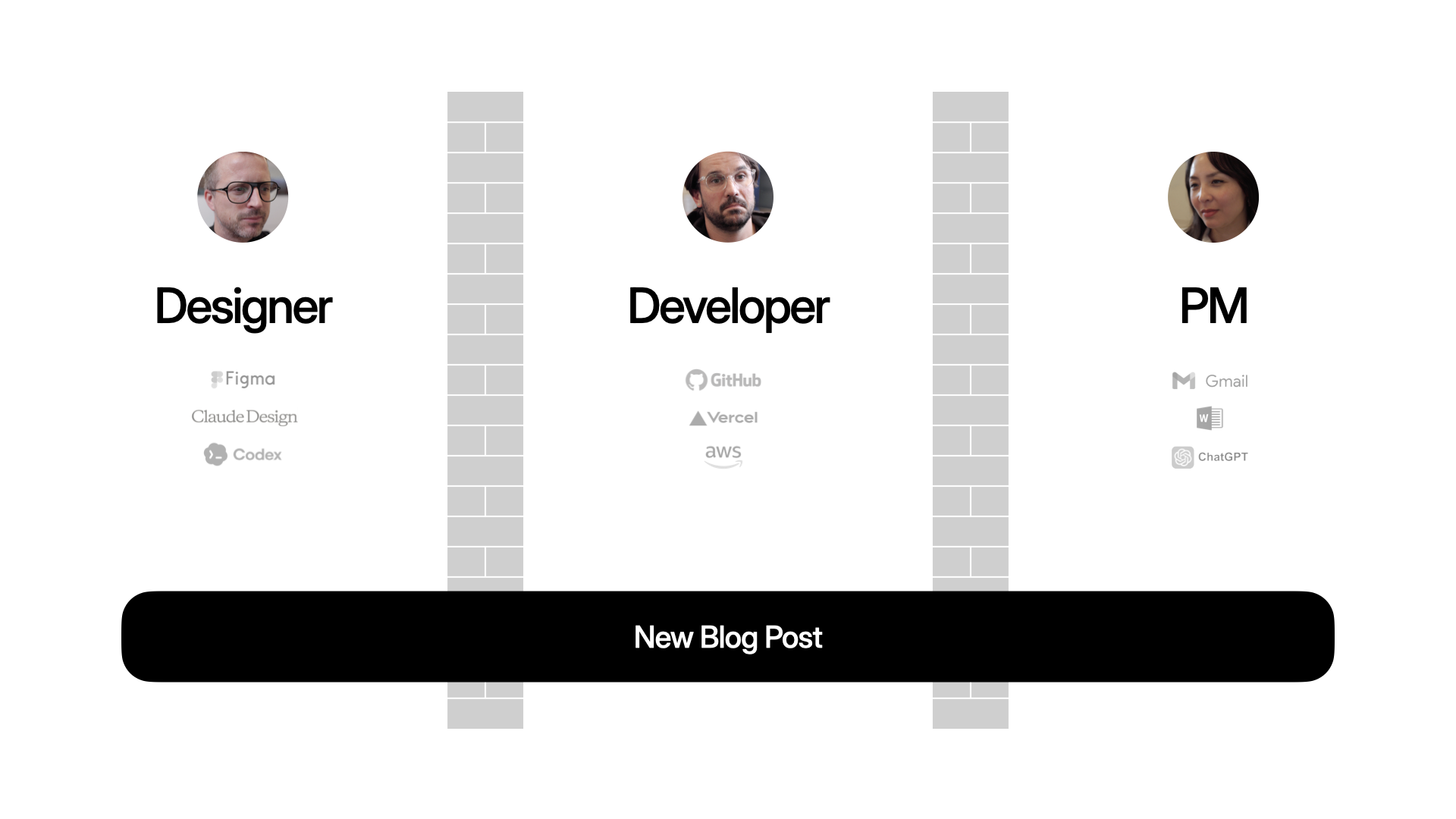
In demonstrations, developers have shown the ability to tackle ten high-priority tasks in minutes, all while maintaining the visual and technical consistency of the original product.
Official Perspectives: The Philosophy of Taste
The primary hurdle in implementing this workflow is cultural, not technical. Most companies are hindered by years of “cemented process”—entrenched habits and political structures that resist change.
“Changing how designers and developers work together means unwinding habits, tools, and politics that have been building for a long time,” says the team behind Intent.
Defining "Taste" as Code
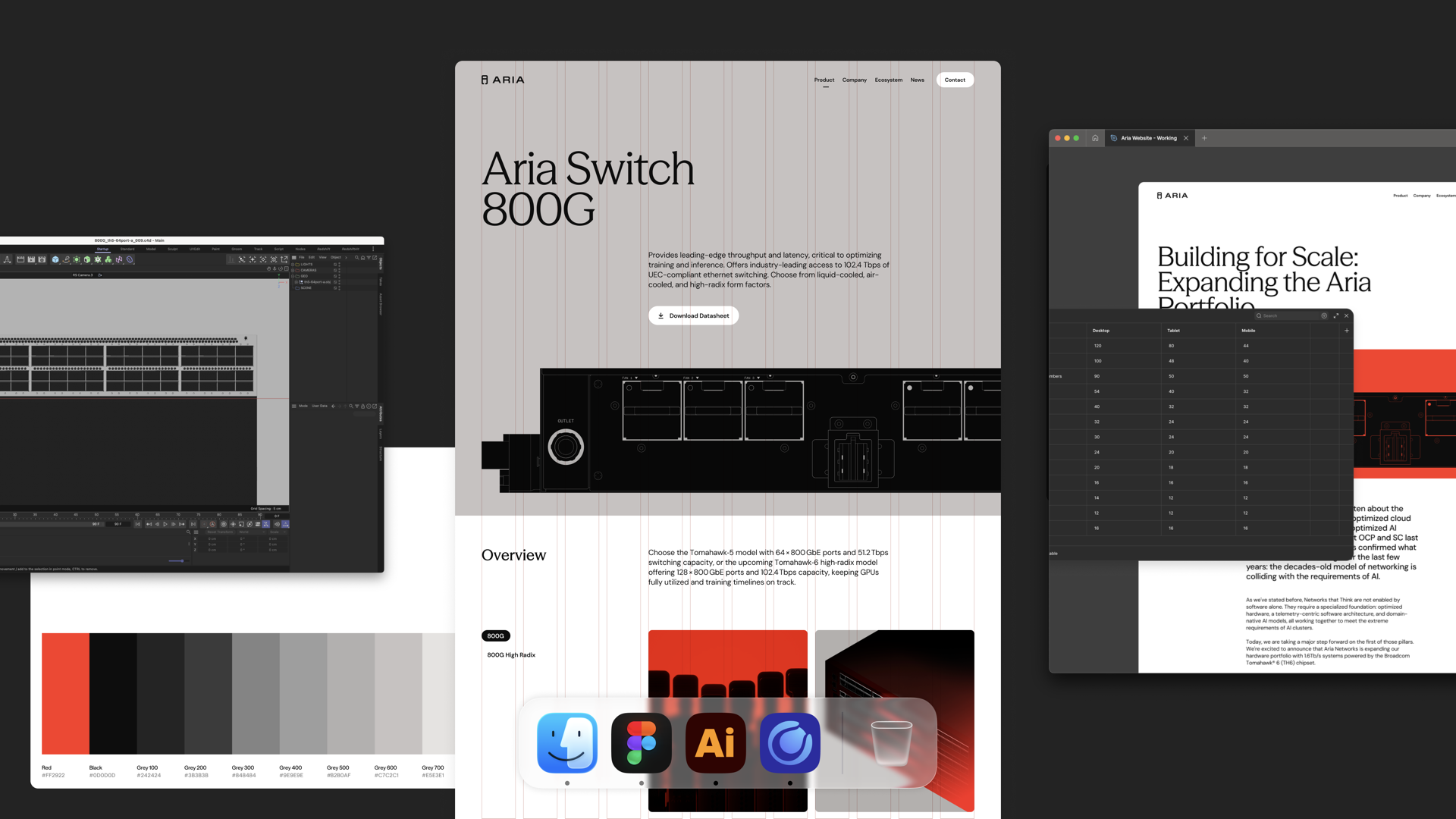
A critical innovation in this new workflow is the concept of encoding "taste." In traditional software, "taste"—the subtle decisions regarding grid alignment, typography, and animation—is often lost in translation between the design file and the CSS.
In the Intent environment, the designer’s expertise is encoded into the workspace at the start. When an agent creates a new page, it doesn’t just guess at the layout; it references the grid, breakpoints, and animation curves defined by the designer. Similarly, the developer encodes the technical architecture, including Tailwind configurations and testing suites.
When a content writer or an illustrator contributes, they are not operating in a vacuum. They are working within a workspace that has already been “pre-baked” with the team’s collective standards. The result is a unified output that feels like it was crafted by a single entity, despite the contribution of multiple specialists.
Implications: The Death of the "Handoff"
The broader implications for the industry are significant. If we accept the premise that the handoff is an artifact of a bygone era, we must reconsider the role of the individual contributor.
1. The End of the Silo
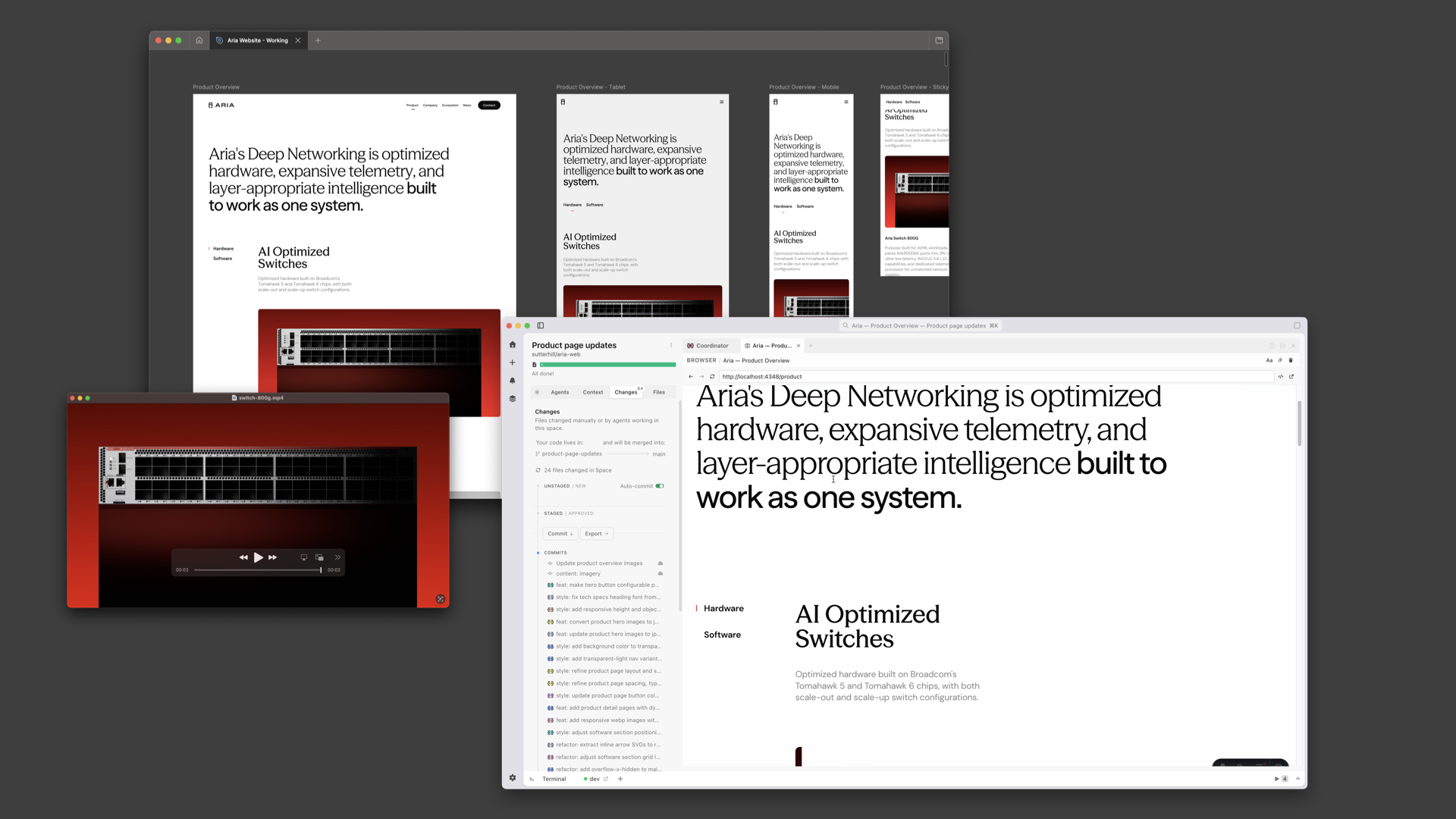
If a designer and a developer can share a single surface—where the designer’s grid becomes the developer’s CSS framework—the need for a formal “handoff” effectively disappears. The workspace becomes the living document, the asset repository, and the production environment all in one.
2. A Shift in Skillsets
This shift demands a new kind of "T-shaped" professional. While depth in a discipline remains essential, the ability to define, encode, and curate the systems that AI agents use will become the most valuable skill in the workforce. Designers will need to think in terms of system constraints, and developers will need to focus on architecture that is easily "consumable" by automated agents.
3. Sustainability and Scale
As AI-driven output continues to accelerate, companies that rely on manual coordination will find themselves drowning in technical debt and design drift. By automating the alignment of work through pre-encoded workspaces, organizations can scale their output without sacrificing the quality of the user experience.
4. The Future of Agency
For startups and agencies, this approach allows for a "clean slate" mentality. By spinning up new companies and projects with these modern workflows from day one, organizations can bypass the "unwinding" of legacy habits. They are effectively building "AI-native" teams that prioritize cohesion over the velocity of individual parts.
Conclusion
The promise of AI is not simply to make us faster; it is to make us better at working together. The "throw-it-over-the-wall" modality is a vestige of a time when tools were disconnected and information was hard to synchronize.
As we look toward the future of software development, the focus must shift from individual productivity to systemic cohesion. By embedding the expertise of designers and developers into a shared, intelligent workspace, we don’t just get more work done—we get better work done. We reach a point where "handoffs" are replaced by continuous alignment, ensuring that regardless of who is working on what, the final product remains a unified, high-quality expression of the team’s collective intent.
The wall between disciplines isn’t just crumbling; it’s being replaced by a bridge. And for those willing to adapt, the result will be a new era of software craftsmanship.

 Sagoh
Sagoh
 Asep Darmawan
 Raul Delapena Setiawan
 Reynand Wu


 Azzam Bilal Chamdy
 Ali Ikhwan