Azzam Bilal Chamdy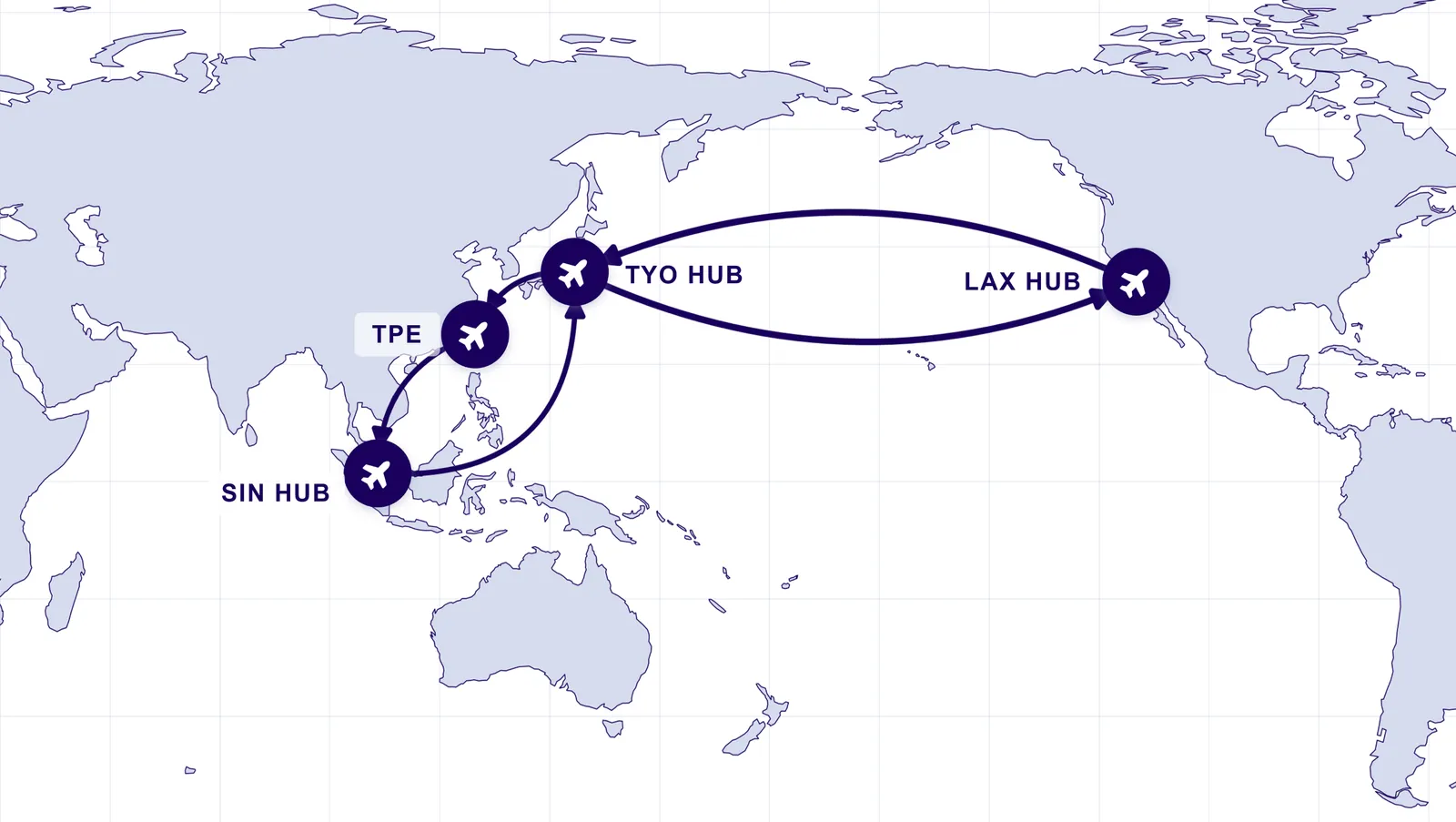
In a move that underscores the tightening synergy between global logistics providers and the rapidly expanding semiconductor industry, Nippon Express and Japan Airlines (JAL) have officially inaugurated a dedicated air cargo circuit connecting Los Angeles (LAX) to critical Asian hubs, including Narita (NRT), Taiwan (TPE), and Singapore (SIN). This strategic collaboration is designed specifically to address the surging demand for the transport of high-value, heavy-duty hardware essential to the global proliferation of artificial intelligence (AI) and digital infrastructure.
As of October 2026, this new freighter service represents a significant shift in how logistics giants are positioning themselves to capitalize on the "AI gold rush." By utilizing large-capacity freighters, the partnership aims to provide the stable, flexible, and high-capacity transport necessary to move delicate, oversized equipment like server racks and advanced data center components across the Transpacific corridor.
Main Facts: A New Arterial Route for Digital Infrastructure
The service is not merely a point-to-point connection but a multi-stop circuit designed to optimize the movement of goods in an era where speed-to-market is the primary competitive advantage for tech hardware manufacturers.
The route connects North America’s logistics gateway at Los Angeles directly to Japan, Taiwan, and Singapore. The inclusion of these specific hubs is intentional: Narita acts as the primary Japanese gateway; Taiwan remains the epicenter of semiconductor manufacturing (home to TSMC and other critical silicon foundries); and Singapore serves as a strategic nexus for regional distribution into Southeast Asia.
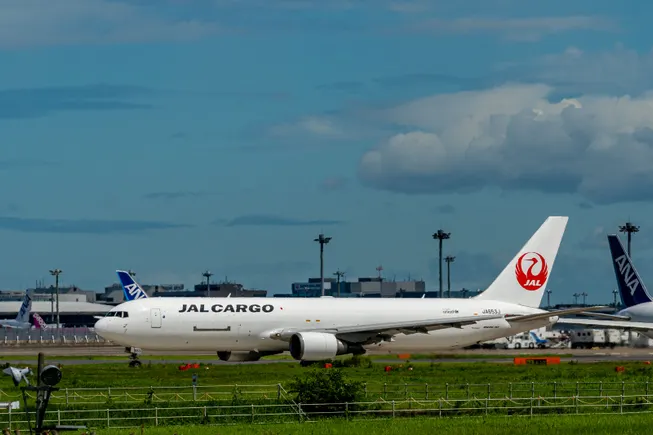
By deploying 100-ton capacity freighter aircraft, Nippon Express and JAL are targeting a specific niche of the market that is often underserved: the "heavy and bulky" category. While standard air freight is optimized for small parcels or palletized consumer electronics, the hardware required for generative AI—massive GPU clusters and high-density computing server units—requires specialized handling, pressurized environments, and significant weight capacity. This circuit allows for the loading and unloading of cargo at each port of call, enabling a flexible, "hub-and-spoke" style efficiency that few other carriers can currently match within the intra-Asia region.
Chronology of a Market Shift
The launch of this service follows a sustained period of market volatility and growth that has redefined the air cargo sector over the last 24 months.
- Early 2025: Air cargo operators begin to notice a shift in cargo profiles, with "tech-heavy" shipments replacing traditional consumer electronics.
- June 2026: Global air cargo demand experiences a 7% year-over-year surge, a trend attributed largely to the urgent logistical requirements of AI infrastructure deployment, as documented in industry reports by Xeneta.
- August 2026: Global semiconductor sales reach a staggering $159.7 billion, marking the 18th consecutive month of growth. This growth trajectory set the stage for the announcement of the JAL-Nippon Express partnership.
- October 2026: The formal inauguration of the LAX-NRT-TPE-SIN circuit, providing a reliable, weekly backbone for the movement of AI-critical hardware.
Supporting Data: The Semiconductor Boom
The necessity for this air route is backed by undeniable data regarding the state of the semiconductor industry. According to World Semiconductor Trade Statistics (WSTS), the industry has sustained an unprecedented run of growth.
Regionally, the data reveals a massive concentration of capital investment and hardware movement. In August 2026, semiconductor sales in the Americas saw an astronomical increase of over 180% year-over-year, while the Asia-Pacific region saw a 143% increase. This divergence highlights the global nature of the supply chain: semiconductors are being designed and ordered in the Americas, manufactured in Asia, and then shipped back to the U.S. to be installed in the data centers powering the next generation of AI models.

While AI-related hardware still accounts for less than 10% of total global air cargo volume according to Xeneta, its impact is disproportionately high. Because these shipments represent the "brains" of the modern economy, they are prioritized for air transport over slower, cheaper maritime options. The high value-to-weight ratio of advanced microchips and the urgent timeline for data center commissioning make air freight the only viable choice for the sector.
Official Responses and Strategic Intent
Nippon Express has positioned this service as a bespoke solution to the bottlenecks currently plaguing the high-tech supply chain. In a press release accompanying the launch, the company emphasized that the service is built to be "flexible," acknowledging that the needs of data center developers change rapidly.
"Because cargo can be loaded and unloaded at each port of call on the circuit route, the service enables the design of diverse transport routes and efficient transport operations," the company stated. This design is a direct response to the "intra-Asia" demand gap. While many airlines focus on the Asia-to-US lane, few operators are providing sufficient heavy-freighter capacity within the Asian continent itself. By facilitating seamless movement between Singapore, Taiwan, and Japan, Nippon Express is positioning itself as the primary logistics partner for the semiconductor "ecosystem" that spans these nations.
Japan Airlines, by providing the aircraft and operational expertise, is leaning into its role as a facilitator of global trade. The partnership allows JAL to maximize its utilization of heavy-lift aircraft, ensuring that every flight is optimized for high-value cargo that justifies the premium cost of air transport.

Implications for the Global Logistics Landscape
The launch of this circuit is emblematic of a broader trend: the "verticalization" of logistics. Rather than acting as generalist carriers, top-tier logistics firms are increasingly aligning their routes and aircraft configurations with the specific needs of high-growth industries like AI, green energy, and advanced medical technology.
1. Competitive Pressure on Other Carriers
The move by Nippon Express and JAL puts immediate pressure on competitors. When DHL Global Forwarding launched its thrice-weekly service between Bangkok and Cincinnati earlier in 2026, it set a new benchmark for tech-specific corridors. The JAL-Nippon Express partnership effectively raises the bar, forcing other legacy carriers to either invest in similar specialized, heavy-lift routes or risk losing the most profitable segment of the air cargo market.
2. The Rise of "Data-Driven" Logistics
The reliance on AI as a primary growth engine changes the cadence of logistics. Unlike retail goods, which follow predictable seasonal spikes (like the holiday shopping rush), AI hardware follows the release schedules of tech giants and the funding cycles of data center developers. Logistics companies that can offer "just-in-time" delivery for a multi-ton server rack will find themselves with a significant advantage over those stuck in traditional shipping patterns.
3. Regional Hub Dynamics
The selection of Taiwan and Singapore is critical. As the U.S. and its allies continue to navigate complex geopolitical tensions, the ability to maintain reliable, high-speed logistics channels through these specific hubs is a strategic asset. The stability of the LAX-to-Asia route is not just a commercial win; it is a vital component of the resilience of the global digital infrastructure supply chain.
4. Sustainability and Efficiency
While air cargo is inherently carbon-intensive, the efficiency gains from a dedicated, optimized circuit allow for higher load factors—meaning fewer "empty" miles flown. By consolidating the cargo of multiple tech companies into a single, high-capacity, multi-stop route, Nippon Express and JAL are arguably creating a more efficient logistical footprint than a series of fragmented, ad-hoc shipments.
Conclusion: A Future Built on Silicon
The collaboration between Nippon Express and Japan Airlines is a clear signal that the logistical requirements of the AI era have arrived. As the demand for computing power continues to scale, the physical infrastructure—the servers, the cooling systems, and the microchips—must move across the globe with speed and reliability.
By targeting the Transpacific and intra-Asia corridors with 100-ton capacity freighters, this new service is not just moving boxes; it is moving the foundation of the future digital economy. Whether this strategy will lead to further expansions into other regions, such as the growing data center markets in Northern Europe or the Middle East, remains to be seen. However, for now, the LAX-NRT-TPE-SIN circuit stands as a testament to the fact that in the 21st century, the most important logistics routes are those that serve the digital backbone of the world.


 Lina Irawan
 Raul Delapena Setiawan
 Laily UPN
 Iffa Jayyana
 Rifan Muazin
 Suro Senen
 Lina Hope