Raul Delapena Setiawan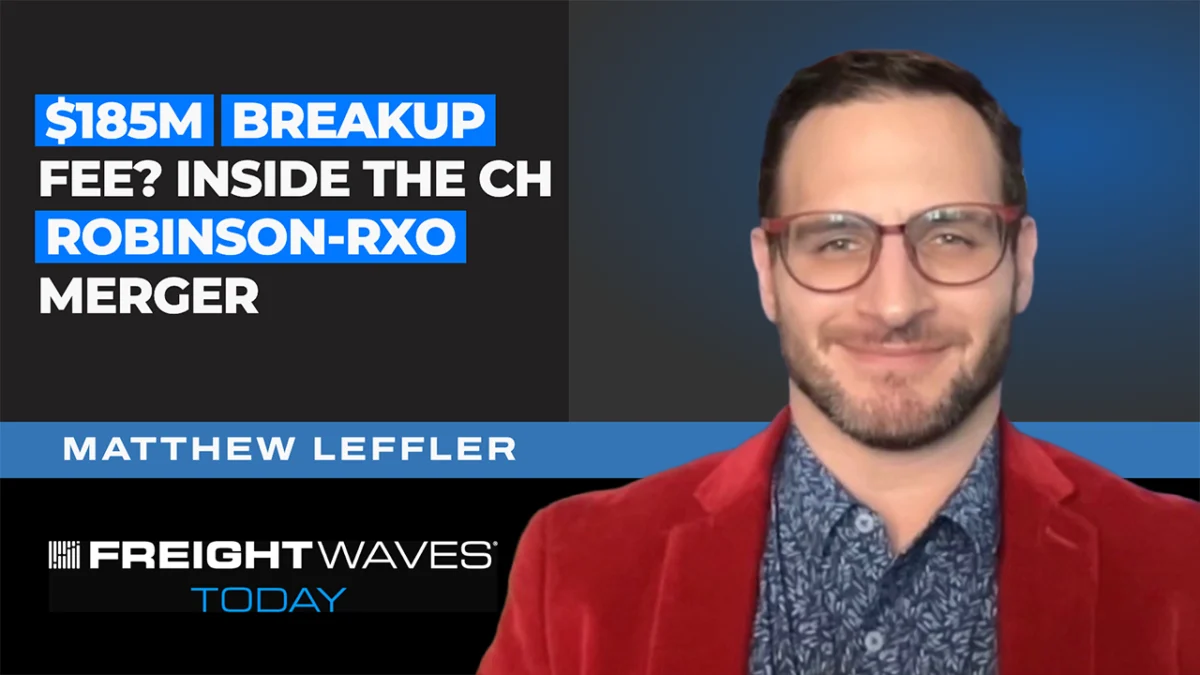
The logistics sector is witnessing a transformative moment as C.H. Robinson, a titan of the North American freight brokerage industry, moves to acquire RXO in a deal valued at $5.8 billion. This acquisition, if finalized, represents more than just a consolidation of market share; it is a fundamental bet on the future of asset-light logistics, trailer network dominance, and the ability to extract massive synergies in an increasingly volatile transportation environment.
However, the deal has ignited fierce debate among industry analysts and financial stakeholders. Priced at a staggering 42 times EBITDA—a massive premium compared to the industry standard of 8 to 13 times—the acquisition rests on a high-stakes promise to wring $300 million in cost savings out of the combined entity within just 24 months. As the industry watches closely, the deal raises critical questions about regulatory oversight, legal liability, and the long-term viability of the current 3PL (Third-Party Logistics) business model.
The Core Facts: A Premium Valuation
The financial structure of the proposed merger is the primary point of contention. C.H. Robinson’s valuation of RXO is, by all traditional metrics, aggressive. By paying 42x EBITDA, C.H. Robinson is signaling that it believes the strategic value of the combined network far outweighs the current earnings profile of the assets.
The deal is structured primarily as a stock-for-stock transaction, meaning that RXO shareholders will become deeply invested in the long-term success of the merged entity. While the companies argue that their combined footprint accounts for only a single-digit share of the broader, fragmented transportation market, the reality is that the deal would grant the new entity approximately 20% of the brokered freight market. This concentration of power has immediately drawn the gaze of market observers, though experts like Matthew Leffler, widely recognized as the "Armchair Attorney" of the freight industry, suggest that antitrust hurdles may be less significant than the internal financial pressures of the merger itself.
Chronology and Context: Building to the Announcement
The path to this potential merger was paved by several years of intense volatility in the freight market.
- 2020–2022 (The Pandemic Era): A period of unprecedented capacity shortages and record-high spot rates fueled massive expansion for 3PLs. Companies like RXO (which spun off from XPO) sought to capitalize on digital brokerage growth.
- 2023 (Market Correction): As spot rates plummeted and demand softened, smaller brokers began struggling with rising insurance costs and a tightening regulatory environment.
- 2024 (The Coyote Integration): RXO’s acquisition of Coyote Logistics served as a precursor to its current status, forcing the company to undergo a significant integration process. This ongoing work makes the prospect of further consolidation with C.H. Robinson particularly complex.
- Q4 2024/Q1 2025: The formal proposal for the $5.8 billion merger emerged, catching the market off guard with its high valuation and ambitious synergy targets.
- Future Milestones: The industry is currently awaiting the RXO shareholder vote and subsequent regulatory reviews. Should the deal fail, both parties are tethered by a $185 million breakup fee, a figure that, while substantial, is relatively modest compared to major rail-merger penalties.
Supporting Data: Why Trailer Networks Matter
One of the most under-discussed aspects of this merger is the strategic shift toward proprietary trailer networks. For decades, the brokerage model was strictly about matching shippers with third-party carriers. Today, the "value-add" is increasingly defined by the ability to offer "drop-and-hook" capabilities.
Data shows that brokers managing their own pools of trailers—often numbering between 3,000 and 8,000 units—can offer shippers a level of efficiency that standard brokerages cannot. This model reduces the dwell time for drivers and creates a more seamless flow of goods. However, scaling this is expensive. Leffler points out that roughly 70% of unplanned maintenance events in the transportation sector are linked to trailing assets. By acquiring RXO, C.H. Robinson is essentially scaling a massive, capital-intensive infrastructure project to ensure it can offer differentiated services that keep shippers loyal in a race-to-the-bottom pricing environment.
The Regulatory and Legal Landscape
Beyond the balance sheet, the merger occurs against a backdrop of increasing litigation risk. The "post-Montgomery" liability environment has shifted the burden of proof in many catastrophic accident cases, with courts increasingly scrutinizing the relationship between brokers and motor carriers.
The Liability Question
A critical point raised by legal analysts is the transfer of liabilities. Because the deal is structured as a stock merger, C.H. Robinson will absorb all existing legal baggage tied to RXO. This includes ongoing litigation related to severe accidents. The Lupus Superior case, which suggested that C.H. Robinson could be viewed as a "co-employer" of a carrier’s driver, serves as a cautionary tale. If brokers are increasingly held liable for the safety and compliance of the carriers they hire, the business model faces an existential threat.
Antitrust and RICO Concerns
While antitrust regulators may not block the deal due to the fragmented nature of the broader transportation market, other legal threats loom. C.H. Robinson is currently navigating a separate RICO lawsuit, and observers expect the company to file a motion to dismiss in the coming weeks. The outcome of these legal battles could significantly impact the company’s ability to focus on the operational integration of the RXO deal.
Implications: The Future of the 3PL Industry
The potential success or failure of this acquisition will serve as a bellwether for the rest of the industry.
Consolidation vs. Transparency
As mid-sized brokers exit the market due to the rising costs of insurance, technology, and litigation, the industry is trending toward a "barbell" structure. At one end, we see a few massive, publicly traded giants; at the other, a swarm of private equity-backed firms. Leffler argues that this trend is detrimental to market transparency, as private entities are not required to disclose the same operational metrics as their public counterparts.
The $300 Million Hurdle
The credibility of the deal rests almost entirely on the promise of $300 million in cost savings. Given that RXO is already operating as a lean organization following the Coyote integration, many shareholders are questioning where these savings will actually come from. If the company fails to hit these numbers, the 42x EBITDA valuation will look like a significant error in judgment.
The Path Forward for Shippers
For shippers, the merger implies a double-edged sword. On one hand, a larger, more integrated C.H. Robinson will offer a wider range of services, better trailer availability, and potentially more consistent capacity. On the other hand, the reduction in the number of large-scale competitors could limit options and pricing leverage, particularly in niche corridors.
Conclusion: A High-Stakes Transformation
The proposed $5.8 billion acquisition of RXO by C.H. Robinson is a definitive moment for the North American logistics sector. It highlights a desperate need for scale in an environment defined by high insurance costs, complex regulatory pressures, and the operational demands of maintaining physical trailer fleets.
While the financial premium is high, the strategic logic is clear: in the modern world of freight, size and asset-like capabilities are becoming the only ways to ensure long-term relevance. However, the path to integration is fraught with legal, financial, and operational traps. Whether this merger becomes the blueprint for the next generation of logistics giants or a cautionary tale about overpaying for market share remains to be seen. The coming months, dominated by regulatory scrutiny and shareholder deliberations, will determine which path C.H. Robinson takes.
As the industry prepares for the upcoming Future of Freight Festival in Chattanooga, the conversation will undoubtedly be dominated by this massive shift in the landscape, as leaders and stakeholders debate whether this is the dawn of a new era or a sign that the 3PL model is becoming increasingly fragile.

 Lina Irawan
 Laily UPN

 Iffa Jayyana
 Rifan Muazin
 Suro Senen
 Lina Hope