
 Pevita Pearce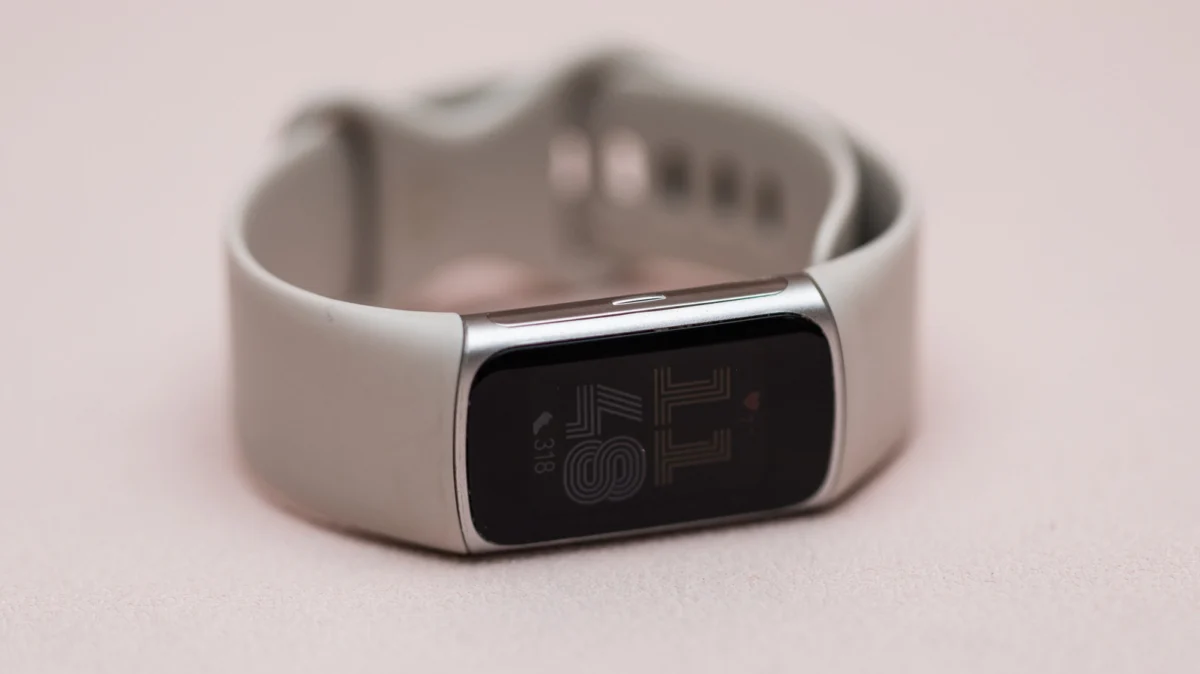
As the consumer wearable market continues to evolve, Google is positioning itself to bridge the gap between minimalist health tracking and full-featured smartwatches. Following months of speculation, supply chain whispers, and inadvertent marketing leaks, Google has officially pulled back the curtain on its next hardware venture. By teasing the upcoming "Fitbit Edge" on social media platforms, the tech giant has signaled that it is ready to challenge the status quo in the mid-range fitness tracker segment.
With an official reveal date set for October 12, 2026, the industry is bracing for a device that aims to balance the simplicity of the Fitbit Air with the sophisticated interface of the flagship Pixel Watch series.
The Core Facts: What We Know About the Fitbit Edge
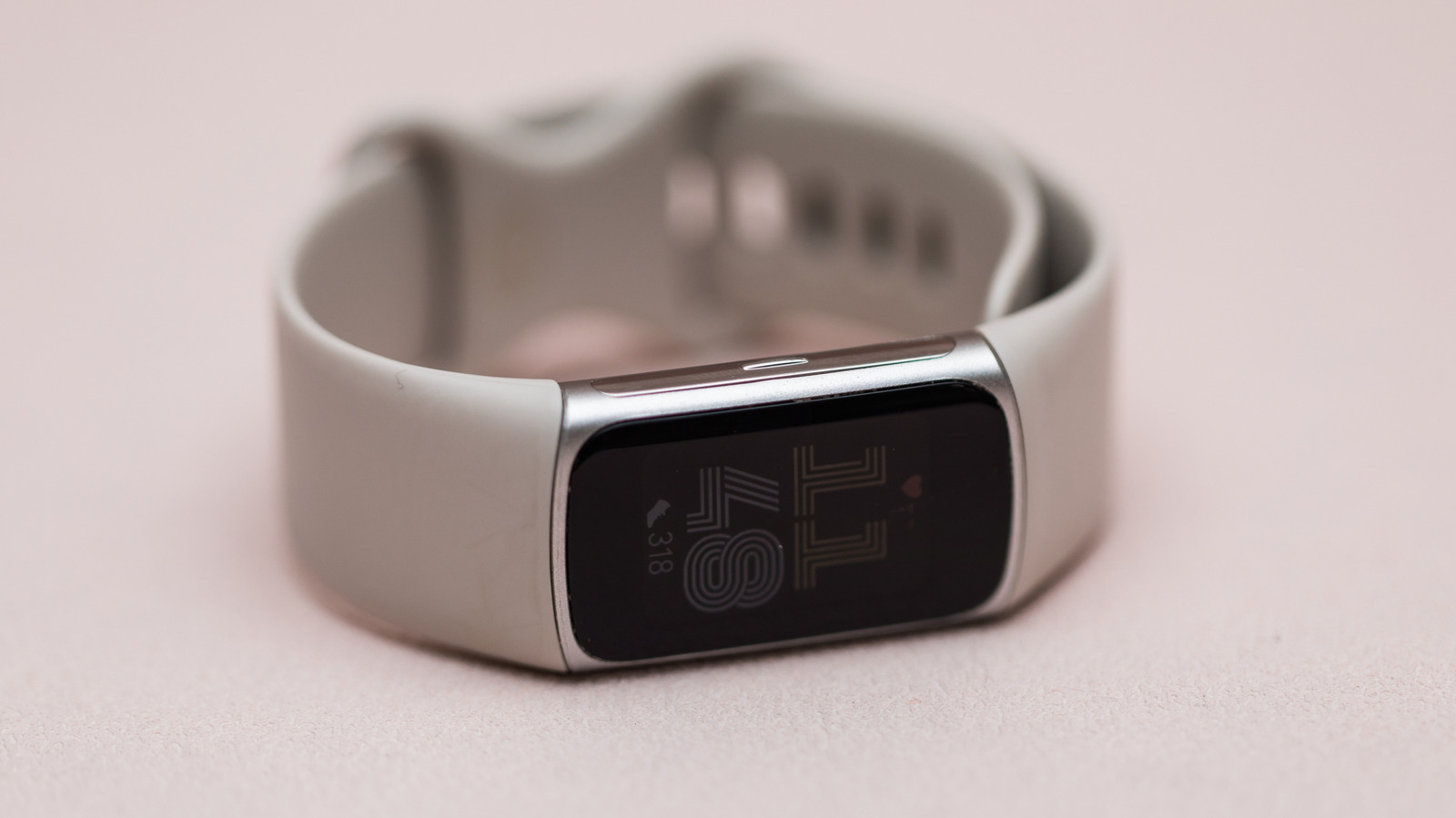
The confirmation came via a cryptic but clear message from the official Google Health channels on X (formerly Twitter) and Instagram. The post, which featured a sleek close-up of a physical side button, was accompanied by the tagline: "Get an Edge on your health. 10.12.26."
This confirmation validates weeks of intense reporting from tech publications. The Fitbit Edge is designed to occupy a "Goldilocks" position within Google’s current hardware ecosystem. On one end of the spectrum sits the Fitbit Air, a screenless, coach-oriented device that prioritizes battery life and passive tracking. On the other end is the Pixel Watch 5, a powerful, display-centric wearable that functions as a wrist-bound extension of the Android smartphone experience. The Edge appears to be the answer for consumers who want the tactile feedback and visual data of a screen, but without the high price tag and charging frequency of a full-blown smartwatch.
Technical Specifications and Expected Features
Based on recent leaks from outlets such as Android Headlines and Dealabs, the hardware profile for the Fitbit Edge suggests a robust set of features:
- Display: A high-fidelity screen capable of always-on functionality.
- Battery Performance: Reports suggest a modular battery experience. Users can expect up to seven days of usage under standard conditions, dropping to approximately two days when the always-on display (AOD) feature is activated.
- Interface: The inclusion of a physical side button marks a return to tactile navigation, a feature that was well-received on the legacy Fitbit Charge 6.
- Pricing: European pricing is currently pegged at €179. Industry analysts anticipate a stateside launch price of approximately $180, placing it firmly in the premium-entry bracket of the fitness tracker market.
A Chronology of the Leak: From Marketing Blips to Official Teasers
The path to the October 12 announcement has been anything but linear. The journey of the Fitbit Edge provides a fascinating look at how modern tech giants manage, or fail to manage, the flow of product information.
August 2026: The First Glimpse
The first sign of the device emerged in mid-August, when eagle-eyed observers at 9to5Google identified an unfamiliar, sleek fitness tracker in promotional material for the Pixel 11 smartphone. At the time, the device was unnamed and appeared only in fleeting B-roll footage, sparking immediate speculation among enthusiast communities regarding whether this was a successor to the Charge series or an entirely new product line.
Early October 2026: The Floodgates Open
As the anticipated launch date neared, the pace of leaks accelerated. Android Headlines provided the first concrete look at the device’s software capabilities, detailing a suite of built-in applications and enhanced health-tracking sensors. This was swiftly followed by an in-depth report from the French magazine Dealabs, which served as a masterclass in leaks, providing not just the design confirmation, but also accurate battery benchmarks and regional pricing structures.
October 9, 2026: Official Confirmation
The cycle concluded with Google’s own social media team stepping into the fray. By formally announcing the "Edge" moniker and the October 12 date, Google effectively cut off the rumor mill, shifting the narrative from "what is this device?" to "what will this device do for the user?"
Supporting Data: Why the "Edge" Segment Matters
To understand the strategic importance of the Fitbit Edge, one must look at the current fragmentation of the wearable market. Consumers are increasingly fatigued by smartwatches that require daily charging, yet many find "smart bands" without screens to be too limiting for active sports or health monitoring.
The Battery-to-Feature Ratio
The reported seven-day battery life is a critical selling point. In the modern era of health tracking, data continuity is king. Sleep tracking, stress monitoring, and heart rate variability (HRV) analysis require consistent, multi-day data sets. If the Edge can maintain its core tracking features for a full week while offering an always-on display option, it effectively solves the "charging anxiety" that plagues Pixel Watch users, who are often tethered to a charger every 24 to 36 hours.
Market Positioning
Google’s strategy seems to be a tiered approach to the "Google Health" ecosystem. By offering the Air ($99) at the base, the Edge (~$180) in the middle, and the Pixel Watch ($300+) at the high end, Google is ensuring that it has a product for every rung of the consumer ladder. This hardware diversity is designed to funnel more users into the Google Health Premium subscription service, which provides the advanced analytics and AI-driven coaching insights that these devices are built to collect.
Official Responses and Corporate Strategy
Google has maintained a policy of "controlled silence" regarding the finer details of the Fitbit Edge. While the social media posts confirmed the existence of the device, the company has declined to provide early review units or detailed technical white papers prior to the October 12 reveal.
However, the messaging surrounding the brand has been consistent. Google Health executives have frequently spoken about the need for "frictionless health tracking." The design language of the Edge—specifically the physical side button and the sleek, ergonomic profile—is a direct response to feedback from users who found touch-only interfaces difficult to navigate during high-intensity workouts or while wearing gloves.
By integrating the "Edge" into the wider Pixel 11 marketing campaign, Google is signaling that this device is not a standalone experiment, but a core component of its mobile strategy. The device is expected to offer seamless integration with the Pixel 11, allowing for cross-device data synchronization that remains a primary competitive advantage over third-party trackers.
Implications: The Future of the Fitness Tracker
The release of the Fitbit Edge carries significant implications for the future of wearable technology.
The Death of the "Dumb" Tracker
With the Edge, the line between a fitness tracker and a smartwatch continues to blur. As display technology becomes cheaper and more power-efficient, the "screenless" tracker may eventually become a niche product. If the Edge proves that a device can be both highly functional and long-lasting, it could set a new industry standard that forces competitors to rethink their entry-level offerings.
The AI-Driven Health Frontier
The most profound implication is the role of the Edge in the broader Google Health ecosystem. The device is expected to leverage advanced AI models to interpret health data, offering users actionable insights rather than raw numbers. As Google continues to unify its health and fitness apps, the Edge acts as the data-gathering "edge" (pun intended) of the spear, feeding the machine learning models that make the Google Health Premium subscription so compelling.
Impact on the Competition
Companies like Garmin, Oura, and Samsung should be paying close attention. Garmin, in particular, owns the "performance tracker" space, while Samsung competes directly with the Pixel Watch. The Fitbit Edge threatens to eat into the market share of mid-tier trackers that lack the deep, unified ecosystem benefits of Google. If the Edge delivers on its promise of a premium experience at a sub-$200 price point, it will be a formidable opponent for any company attempting to capture the casual-to-serious athlete demographic.
Conclusion: The Final Countdown
As we look toward the October 12 launch, the anticipation surrounding the Fitbit Edge is a testament to the enduring appeal of the wearable category. Google is attempting to refine its hardware identity, moving away from the purely experimental and toward a cohesive, tiered lineup of devices that serve a wide array of user needs.
Whether the Fitbit Edge will truly "give you an edge" on your health remains to be seen once real-world testing begins. However, the move is a clear sign that Google is no longer content to let others define the fitness tracker market. With a blend of refined design, competitive pricing, and the powerful backing of the Google Health software suite, the Edge appears primed to become a staple of the wrist-wearable market for years to come. All eyes will be on the official reveal this October, where the full capabilities—and the final price—will finally be laid bare.


 Evan Lee Salim
 Suro Senen
 Basiran
 Neng Nana
 Iffa Jayyana
 Raul Delapena Setiawan
 Rifan Muazin
 Asro
Asro