
 Evan Lee Salim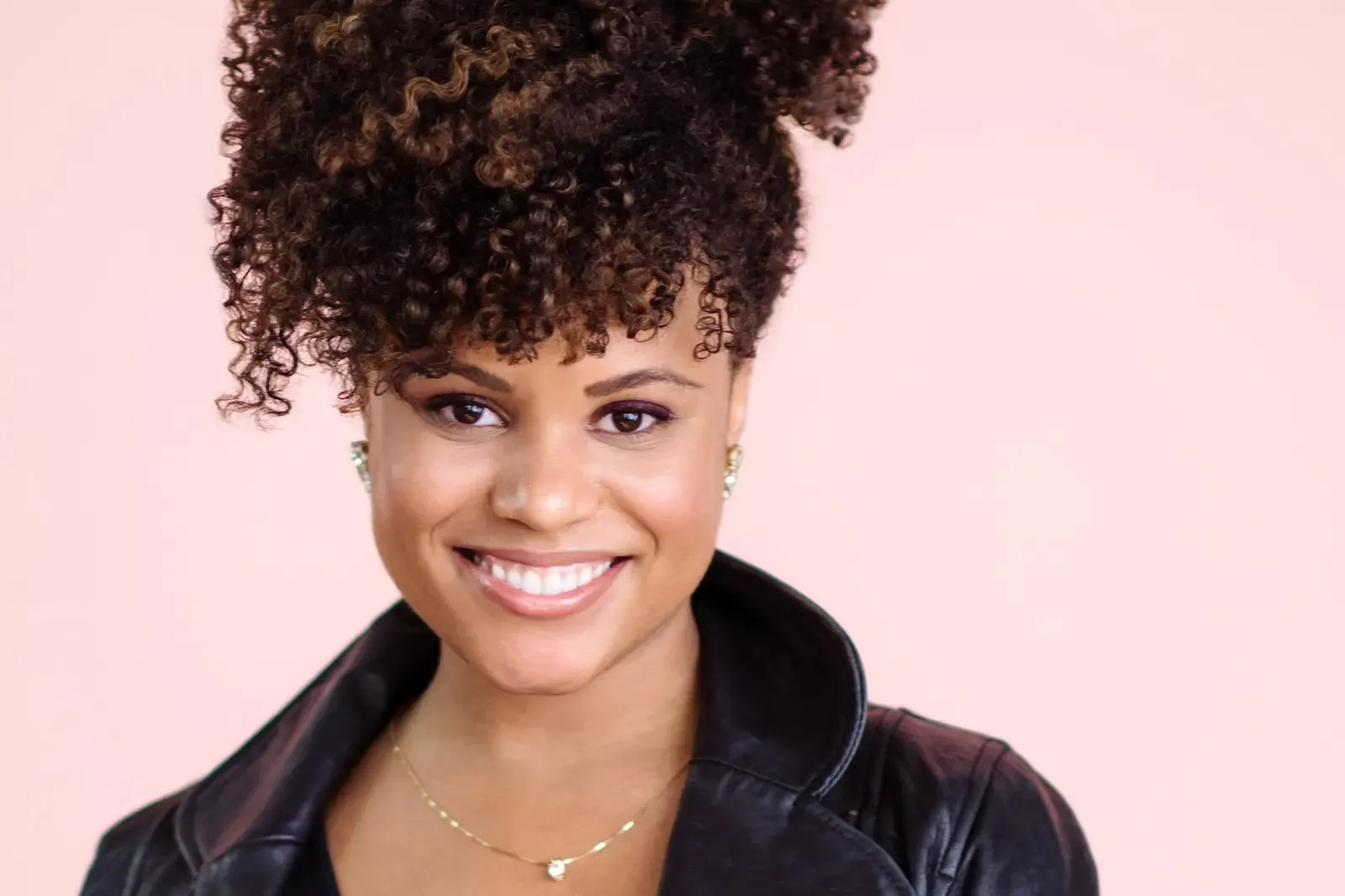
For millions of people with textured, curly, or coily hair, the "wash day" ritual is far from a relaxing self-care moment. It is often a grueling, hours-long marathon of detangling, sectioning, applying multiple products, and struggling against tools designed for hair types that do not share the same structural biology. For Dawn Myers, the founder of Richualist, this industry-wide oversight wasn’t just a nuisance—it was a systemic failure of innovation.
By blending materials science with intuitive design, Myers has created "Mint," a handheld device that condenses the wash-day process into a single stroke. As her company gains traction in major retailers and secures its place in the prestigious TechCrunch Startup Battlefield 200, Myers’ journey stands as a testament to the power of addressing long-ignored market gaps.
The Genesis of an Idea: Beyond the "Frankenstein" Prototype
The seed for Richualist was planted eight years ago while Myers was watching Shark Tank. As she observed a pitch for a curly hair product, she realized that despite the proliferation of hair tools—blow dryers, curling irons, and flat irons—almost every device on the market was engineered to straighten or chemically alter textured hair.
For Myers, who typically wears her hair in a voluminous afro, the reality was a one-hour-and-20-minute struggle every time she washed her hair. The industry, she realized, had spent decades focusing on tools that forced textured hair into a Eurocentric standard of beauty.
"If you think back to slavery, we were mandated to cover our hair," Myers told TechCrunch. "That’s where do-rags come from. You had to cover your hair. Why? Because our hair was seen as ugly and unkempt and unacceptable."
Driven by this realization, Myers grabbed a legal pad and began sketching. Her first "prototype" was a rudimentary, DIY-style construction built from parts sourced at Ace Hardware and a local CVS—a "Frankenstein-looking" device that would eventually evolve into the sleek, high-tech Mint.
Engineering the Solution: The "Mint" Technology
Richualist’s flagship product, Mint, is designed to disrupt the traditional multi-step hair care routine. The device acts as an all-in-one station that detangles, conditions, and styles hair using refillable product pods. Crucially, it incorporates specialized warming technology that gently heats the product before application, ensuring that the hair cuticle receives the treatment effectively.
How It Changes the Game:
- Time Efficiency: The tool reduces a 90-minute styling session to roughly seven to 10 minutes.
- Health Benefits: By automating the detangling and product distribution process, Mint reduces physical stress on the hair strands. Users have reported a 70% reduction in shedding and breakage.
- Bespoke Design: Unlike generic brushes or straighteners, Mint was developed with an understanding of the specific molecular bonds found in textured hair.
To bring this vision to life, Myers collaborated with the materials science giant Dow. The partnership began after an early prototype caught the attention of Dow’s executives during a startup accelerator. Recognizing that they had also identified a "white space" in the beauty market, Dow provided the engineering expertise and manufacturing guidance necessary to move the device from a concept to a commercial product.
The Economic and Cultural Challenges of Beauty Hardware
Securing funding for hardware is notoriously difficult, but Myers faced an additional hurdle: the skepticism of a beauty industry that, at the executive level, often lacked representation.
"There are no people who look like me in those R&D suites," Myers noted. When she approached potential investors and corporate partners, she frequently had to explain what a "wash day" was. To many in the boardroom, the concept of a complex, hours-long grooming process was entirely foreign.

The lack of funding for Black women founders is a well-documented crisis in the venture capital world. Myers eventually became one of the first 100 Black women to raise more than $1 million in venture funding, but the road to that milestone was paved with personal sacrifice. To fund the initial research and development—a five-year process that required conducting original research on how much product people with textured hair actually consume—Myers liquidated her 401(k) and sold her home.
"It’s really impossible to get hardware funded," she said. "It’s even more impossible to get it funded when we’re talking about such a niche problem."
A Trial by Fire: Overcoming Personal and Professional Adversity
Just as Myers was preparing to bring her product to market in 2022, she received a life-altering diagnosis: stage three colorectal cancer.
The following months became a blur of chemotherapy and high-stakes entrepreneurship. While receiving treatment at Johns Hopkins, Myers continued to work, sitting in the infusion chair with her laptop, closing funding rounds. Her resilience extended to her public appearances; when she finally filmed her Shark Tank episode in 2023, she was wearing a medical compression binder beneath her dress to manage the physical toll of her treatment.
Her persistence on the show paid off. She secured a deal with billionaire investor Mark Cuban and entrepreneur Emma Grede. Grede, known for her business acumen, played a pivotal role in the company’s expansion, helping Richualist land a spot on the online shelves of beauty giant Ulta earlier this year.
Implications for the Beauty Industry
The success of Richualist signals a broader shift in the beauty industry—a move away from "one-size-fits-all" tools and toward inclusive, technology-driven care. The industry is finally beginning to acknowledge that textured hair requires different, often more sophisticated, engineering than straight hair.
Market Impact:
- Normalization of Texture: By centering the experience of Black women, companies like Richualist are helping to normalize the celebration of natural hair.
- Increased R&D Investment: The involvement of companies like Dow suggests that major players are finally investing in the chemistry and mechanics of textured hair.
- The "Wash Day" Economy: Richualist has tapped into a massive, underserved consumer base that is willing to pay for tools that respect their time and hair health.
Looking Ahead: Disrupting the Future
As the company prepares to mark its inventory as "sold out," Myers is looking toward the next phase of growth. Being selected as one of the TechCrunch Startup Battlefield 200 startups is more than a branding win; it is a validation of the intersection between beauty and high-tech hardware.
As she prepares to take the stage at TechCrunch Disrupt, Myers reflects on her journey with a mix of humility and excitement. As an introvert, the prospect of the conference’s networking demands is daunting, but the significance of the moment outweighs the discomfort.
"What I am most excited for is textured hair to be sitting on the stage with some of the most sophisticated tech in the space," Myers said.
Richualist is not just selling a hair tool; it is advocating for a shift in how the industry values the time and needs of Black women. With a proven product, a strong partnership with retailers, and an unwavering commitment to her mission, Dawn Myers has turned a "crazy bet" into a defining moment for beauty-tech innovation. Whether through the efficiency of her device or the example of her resilience, Myers is ensuring that the "wash day" is no longer a burden, but a space for innovation and self-empowerment.


 Suro Senen
 Lina Hope
 Dwi Wanna
 Neng Nana
 Raul Delapena Setiawan