Lina Hope
The long-standing challenge of "greenwashing" and the ambiguity surrounding corporate sustainability commitments may finally have a definitive remedy. In a landmark move aimed at transforming corporate intent into measurable impact, the International Organization for Standardization (ISO) and the United Nations Development Programme (UNDP) have officially launched ISO/UNDP 53001.
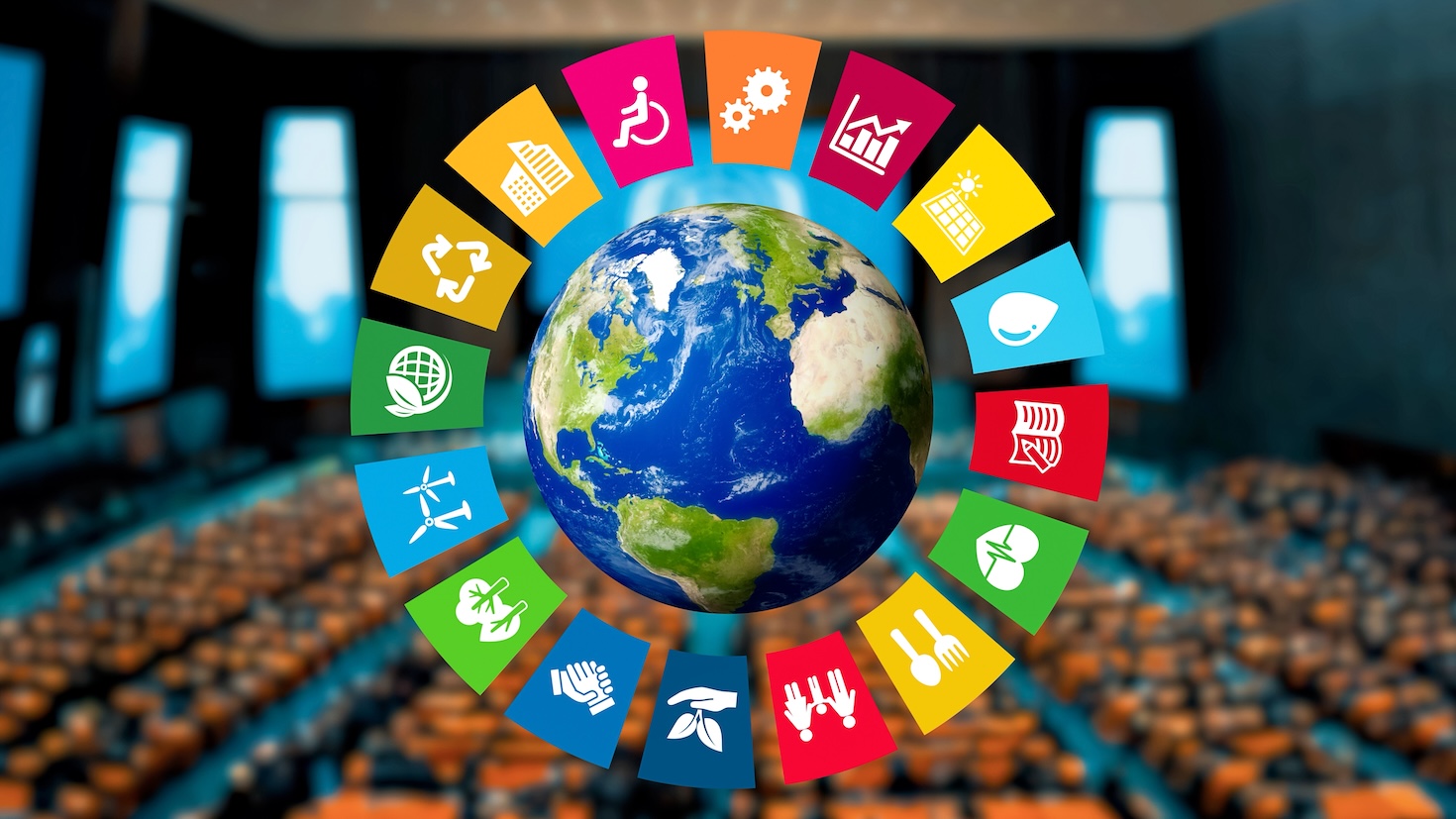
This new formal framework provides a rigorous, standardized management system for businesses to prioritize, track, and report on their contributions to the United Nations Sustainable Development Goals (SDGs). By bridging the gap between high-level ESG (Environmental, Social, and Governance) aspirations and operational reality, this standard represents the most significant shift in corporate accountability since the SDGs were first adopted in 2015.
The Genesis of a Global Framework: A Chronology of Accountability
To understand the weight of ISO/UNDP 53001, one must look at the evolution of the UN’s development agenda.
2015: The Birth of the 17 Goals
The SDGs were established as a universal call to action to end poverty, protect the planet, and ensure that by 2030, all people enjoy peace and prosperity. These 17 goals provided a North Star for governments and civil society, but they were initially broad, lacking a specific "instruction manual" for the private sector to translate these objectives into daily business operations.
2015–2023: The Era of "SDG-Washing"
In the years following their adoption, the SDGs became a staple of corporate brochures. According to the Global Reporting Initiative, an estimated 80 percent of large corporations now include references to the SDGs in their ESG disclosures. However, critics have long argued that these mentions are often performative—lacking the granular data or management systems required to prove actual impact.
2024: Building the Foundation
Recognizing the disconnect, ISO and the UNDP released a set of preliminary guidelines earlier in 2024. These documents were designed to initiate a conversation about what a "management system" for development goals would look like. This groundwork served as the pilot phase for what would eventually become the formal standard.
September 28, 2024: The Official Launch
During the ISO annual meeting, the organization officially unveiled ISO/UNDP 53001. This marked the transition from a voluntary guideline to a structured management standard, allowing companies to integrate SDG alignment directly into their quality and environmental management protocols.
Supporting Data: The Case for Standardization
The necessity for ISO 53001 is underscored by the current state of corporate sustainability reporting. Despite the ubiquity of ESG reporting, investors and stakeholders have grown increasingly skeptical of self-reported progress.
The Transparency Gap
Data suggests that while 80 percent of firms mention the SDGs, the depth of that engagement varies wildly. Many companies focus on "low-hanging fruit," such as paper reduction or basic diversity hiring, while ignoring the more complex aspects of their supply chains or the systemic impact of their core business models on human rights and climate change.
Integration with Existing Systems
ISO 53001 is intentionally designed to be "interoperable." It integrates seamlessly with existing frameworks such as ISO 9001 (Quality Management) and ISO 14001 (Environmental Management). This is a critical feature: by folding SDG metrics into existing audit structures, companies can avoid "compliance fatigue." Instead of creating a separate silo for SDG reporting, the standard forces companies to bake development goals into the core business processes they already manage.
Official Responses: Aligning Global Ambitions
The leadership behind this initiative emphasizes that the era of "aspirational" sustainability is coming to an end, replaced by an era of "operational" sustainability.
The Perspective from ISO
ISO Secretary-General Sergio Mujica has been a vocal proponent of this transition. "The SDGs have provided a shared global vision for a decade," Mujica noted during the launch. "Today, organizations are looking for concrete ways to translate that vision into action." His statement reflects a broader sentiment within the standards-setting community: the need for a common language that allows stakeholders to compare the sustainability performance of different firms on an apples-to-apples basis.
The Role of the UNDP
For the UNDP, this partnership is about scale. By leveraging ISO’s massive global network, the UN can reach small-to-medium enterprises (SMEs) and multinational corporations alike, standardizing the approach to development goals across borders. The UNDP’s involvement ensures that the standard remains tethered to the original intent of the 2030 Agenda—specifically addressing global inequality and systemic risks.
Implications: What ISO 53001 Means for the Corporate World
The introduction of this standard will likely reshape the corporate sustainability landscape in three fundamental ways.
1. From Aspiration to Evidence
The primary implication of ISO 53001 is the requirement for "key performance indicators" (KPIs). Companies can no longer simply state that they support "Climate Action" (SDG 13). Under the new framework, they must set specific, time-bound targets, define the metrics used to measure them, and maintain a management system that accounts for the governance decisions made in pursuit of those targets.
2. Independent Certification as a Competitive Advantage
While the standard is not mandatory, the option for independent certification will likely become a market differentiator. Just as ISO 9001 certification provides assurance to B2B customers regarding quality control, ISO 53001 certification will serve as a "seal of integrity." Companies that choose to be audited by a third party will be able to prove their impact to investors, regulators, and consumers, effectively raising the bar for competitors who choose not to undergo the process.
3. A Universal Language for All Stages of Growth
A critical aspect of the standard is its applicability. ISO/UNDP 53001 is designed to be scalable, meaning it applies to companies in any growth stage—from nascent startups to massive conglomerates. By providing a framework that is flexible enough to accommodate different business sizes but rigorous enough to provide meaningful data, ISO is aiming to democratize the sustainability movement.
Looking Ahead: The Roadmap to 2027
The launch of ISO/UNDP 53001 is only the beginning. The two organizations have laid out a clear roadmap for the coming years to ensure the standard gains traction and evolves alongside global best practices.
The 2027 Guidance Update
In early 2027, ISO and the UNDP plan to release comprehensive additional guidance. This will include:
- Case Study Examples: Real-world demonstrations of how different sectors—from manufacturing to technology—have successfully integrated the standard.
- Sector-Specific Tools: Tailored advice for industries that face unique challenges in SDG alignment, such as agriculture, mining, or finance.
- Performance Benchmarks: Aggregate data insights that will help companies understand how their progress compares to industry peers.
The Long-Term Impact on Global Governance
As the 2030 deadline for the SDGs approaches, the pressure on the private sector to deliver measurable results will only increase. Regulators in the European Union and beyond are already tightening requirements for sustainability reporting. ISO 53001 offers a proactive solution, allowing companies to align with these emerging regulatory requirements before they become law.
Conclusion
The release of ISO/UNDP 53001 represents a pivotal shift in the corporate narrative. For years, the private sector has viewed the SDGs as a menu from which they could choose the easiest items to support. With the introduction of this management system, the SDGs are transformed into a core business requirement.
By demanding evidence, structure, and accountability, this framework does more than just track progress; it forces organizations to confront the reality of their social and environmental footprint. Whether this standard becomes the "gold standard" for corporate responsibility remains to be seen, but the clear, unequivocal signal from the UN and ISO is that the era of vague promises is over. In the new landscape, sustainability is not just about what a company says—it is about what a company manages, measures, and proves.
About the Author
Heather Clancy is a veteran journalist whose work has appeared in Entrepreneur, Fortune, The International Herald Tribune, and The New York Times. She covers the intersection of technology, policy, and sustainable business, focusing on how corporations are navigating the transition to a low-carbon, equitable economy.


 Dwi Wanna
 Asro
Asro
 Nila Kartika Wati
 Jia Lissa
 Basiran
 Sagoh
Sagoh