
 Lina Irawan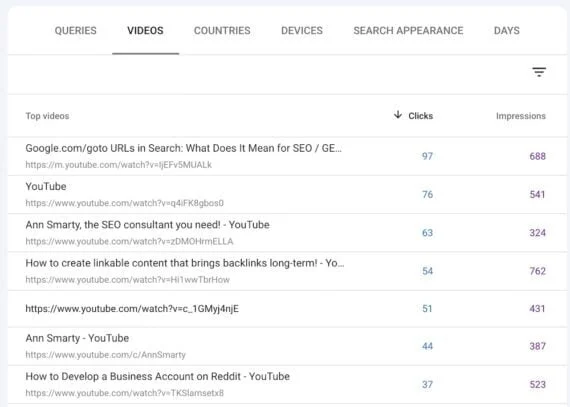
In an era where organic search traffic is becoming increasingly volatile, marketers are pivoting toward a more holistic, cross-channel strategy. As traditional SEO struggles to maintain the dominance it once held, social media platforms have emerged as essential pillars for brand awareness, customer acquisition, and direct sales. However, a persistent "data silo" problem has historically hampered these efforts: marketers could track internal engagement within TikTok, YouTube, or Instagram, but they remained blind to how that content performed within the broader ecosystem of Google Search.
Google has finally addressed this divide. Following a phased, cautious rollout, Google Search Console (GSC) has officially integrated social media profiles—specifically YouTube, TikTok, X (formerly Twitter), and Instagram professional accounts—as "platform properties." This update allows business owners and SEO professionals to treat their social profiles with the same analytical rigor as their own websites.
The Evolution of Search Analytics: From Websites to "Platform Properties"
For years, Search Console was exclusively the domain of webmasters managing domains and subdomains. If you wanted to know how your YouTube video was ranking in Google, you were largely reliant on third-party scrapers or YouTube’s own Studio analytics, which lacked context regarding Google Search visibility.
The new integration fundamentally changes this paradigm. By classifying social profiles as "platform properties," Google allows users to authenticate these accounts directly within the Search Console dashboard. Once authenticated, data begins flowing into the interface within 36 hours.
How to Get Started
The integration process is streamlined to encourage rapid adoption:
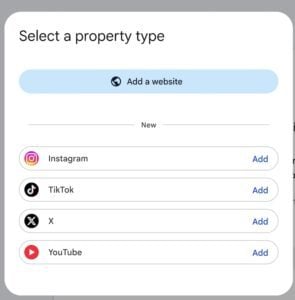
- Navigate to the Property Selector: Open your Google Search Console dashboard and click the top-left drop-down menu.
- Select "Add Property": You will now see your existing website properties alongside the new options for YouTube, TikTok, X, and Instagram.
- Authentication: Follow the prompts to authorize your account. Because these are "professional" or "business" accounts, the verification process typically involves standard OAuth procedures.
- Data Synchronization: Once verified, wait approximately 36 hours for the initial performance data to populate the dashboard.
Chronology of the Integration
The path to this feature was not an overnight development. The search landscape has been shifting toward "multimodal" discovery—where users search using text, images, and video interchangeably—for several years.
- Early 2024: Industry whispers began regarding Google’s internal testing of "Social Properties" within GSC. At this stage, it was limited to select YouTube channels, focusing on how video metadata interacted with Google’s evolving AI Overviews.
- Mid-2024: Beta testing expanded to include TikTok and Instagram, specifically targeting the professional account segments that rely on "Link in Bio" traffic and external search referrals.
- Late 2024: The feature moved from limited availability to a global rollout. Google began treating these platforms as distinct indexable entities, acknowledging that a TikTok profile or an X account is now just as likely to appear in a SERP (Search Engine Results Page) as a traditional blog post.
- Current Status: As of this writing, all Search Console users have access to these tools, marking the end of the "blind spot" era for social media managers.
Supporting Data and Dashboard Capabilities
While the new dashboard is more streamlined than the traditional website view, it provides the essential metrics required for strategic planning. The dashboard is divided into two primary sections: Insights and Performance.
The Performance Filter Breakdown
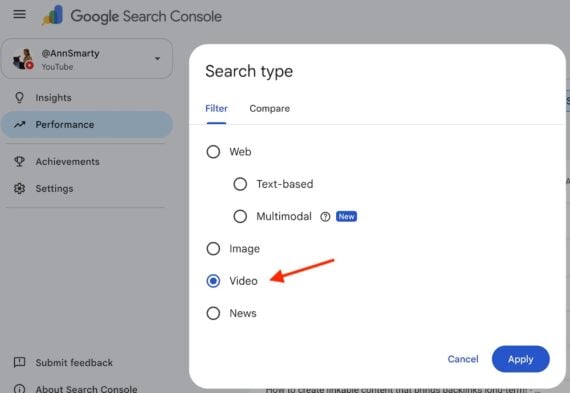
The Performance section is where the real value lies. Users can filter by:
- Web Search: The standard text-based query performance.
- Image Search: Crucial for Instagram users looking to see if their product shots are appearing in visual search results.
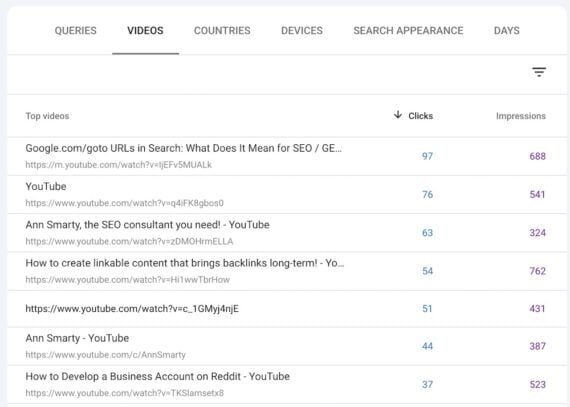
- Video Search: The powerhouse for YouTube creators, providing clarity on how videos are discovered in the main Google search tab.
- News: Relevant for creators who use social media to break industry updates.
Perhaps most importantly, the integration tracks Discover visibility. With Google Discover becoming a primary traffic driver for mobile users, seeing how your social content trends in Discover feed is a significant competitive advantage.
Implications for Video SEO
The "Video" search filter is arguably the most impactful element of this update. For years, video SEO was a game of guesswork. Now, creators can see exactly which queries lead users to their videos.
Consider the "Video SEO" optimization cycle:
- Identify Underperformers: Look for queries where your video has high impressions but a low click-through rate (CTR) and an average position lower than 4.
- Title Optimization: If a video is ranking for a high-volume query but isn’t getting clicks, re-evaluating the video title to more closely match the user’s intent is a direct path to improvement.
- Keyword Expansion: By analyzing the query list, creators can find "long-tail" keywords they didn’t even realize they were ranking for. These can then be used to inspire future content, creating a self-reinforcing loop of SEO-optimized video production.
Strategic Cross-Channel Marketing
The implications for e-commerce and digital branding are profound. Marketing managers can now create a synchronized content calendar that spans the entire digital footprint.
For example, a fashion retailer can publish a new article on "Summer Trends," create a companion YouTube video, and post carousel product images on Instagram. By annotating their Search Console data with these go-live dates, they can correlate spikes in search traffic across all three channels. This allows for a granular analysis of which channel serves as the primary "discovery" point for a specific customer demographic.
Furthermore, this tool helps businesses navigate the rise of AI-driven search. As Google’s AI Overviews and Gemini rely increasingly on high-authority video and social content, knowing which of your assets are being indexed and cited gives you a strategic lever to influence AI-generated summaries.
Addressing the Limitations
Despite the excitement, it is important to maintain a balanced view. The current implementation does not yet include a dedicated "Branded Search" filter, which would allow users to quickly isolate queries that specifically mention their company name. However, this is a minor hurdle; power users can manually filter the query list to identify variations of their brand name, ensuring they still have the data needed to monitor reputation.
Additionally, this tool is not a replacement for native analytics. TikTok’s internal tools will still tell you more about "watch time" or "follower demographics," and Instagram’s insights will remain superior for tracking "saves" and "shares." Instead, this GSC update acts as the connecting tissue that explains how those social assets exist in the wider, open web.
Conclusion: A New Standard for SEO
The integration of social media profiles into Google Search Console signals a fundamental shift in how Google views the internet. The distinction between a "website" and a "social profile" is blurring. For the modern marketer, this means that every piece of content—whether it lives on a WordPress site or an Instagram grid—must be treated with an SEO-first mindset.
By embracing these tools, businesses can move away from siloed marketing tactics and toward a unified growth strategy. The ability to track, analyze, and optimize across these platforms is no longer a luxury; it is the new requirement for staying relevant in an increasingly crowded and search-driven digital marketplace. As we move further into the era of multimodal and AI-assisted search, the brands that master this cross-platform visibility will undoubtedly define the next decade of digital commerce.


 Rifan Muazin
 Asro
Asro
 Raul Delapena Setiawan
 Dwi Wanna
 Muslim
 Nana Wu
