
 Suro Senen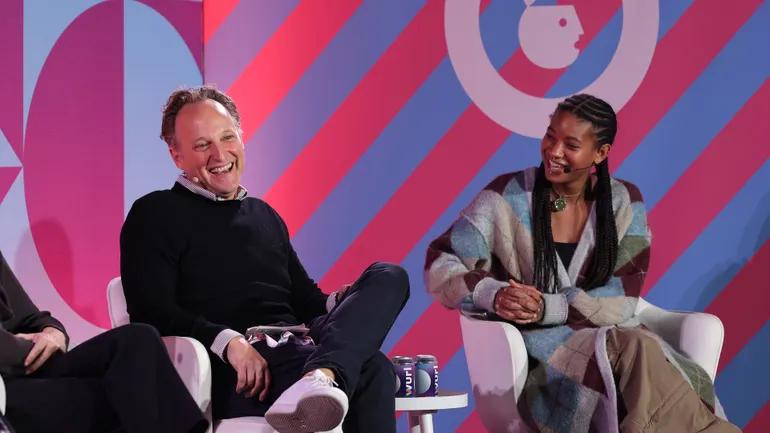
In the modern marketing landscape, the relationship between fashion brands and celebrity talent has long been defined by the "transactional model." Typically, a brand pays a premium for a star’s likeness, slotting them into a pre-conceived campaign, dressing them in high-gloss apparel, and deploying them across social media channels to capture fleeting attention. However, a recent collaboration between lifestyle brand Free People and the multidisciplinary artist Willow (formerly Willow Smith) signals a seismic shift toward a more nuanced, sustainable, and creatively equitable model: cultural co-authorship.
Speaking at Advertising Week New York on October 7, executives and the artist herself detailed how moving away from rigid brand briefs allowed for a deeper integration of values, resulting in a campaign that prioritized artistic integrity over mere product placement.
The Core Facts: A Departure from Traditional Marketing
The collaboration for Free People’s Fall 2026 campaign represents a significant departure from standard industry practices. Rather than imposing a restrictive creative brief, Free People—under the guidance of Chief Marketing Officer Jack Reynolds—invited Willow to bring her own vision to the table. This included not only standard ad photography but also the production of an immersive live performance video and a collaborative record release party.
The partnership was facilitated by United Talent Agency (UTA), which recognized that Willow, an "artist with a capital A," required a canvas rather than a contract that would stifle her creative output. The result was a multimedia experience featuring naturalistic, earth-toned visuals, including a moss-covered set and organic staging, which aligned with both Willow’s aesthetic sensibilities and Free People’s bohemian roots.
A Chronology of Collaboration
The evolution of this partnership suggests a timeline defined by mutual discovery rather than a linear production schedule:
- Early Inception: Long before the official campaign, Willow identified Free People as a brand she had admired since childhood. This genuine affinity acted as the foundation for the partnership.
- The Planning Phase: During the initial negotiations, the focus shifted from "what the brand wants" to "what the artist needs." CMO Jack Reynolds and his team opted to cede control, opting for a collaborative dialogue regarding tone, styling, and creative direction.
- The Campaign Launch: The rollout included a multi-layered approach, featuring a live performance video—a cornerstone of the campaign—and a series of high-gloss photographic assets that maintained a raw, authentic edge.
- October 7, 2024: During a panel at Advertising Week New York, the stakeholders discussed the success of the collaboration, framing it as a new standard for the industry.
- October 8, 2024: The partnership extended beyond the digital realm, with a live performance by Willow at the company’s Philadelphia headquarters, signaling that the relationship is ongoing rather than episodic.
Supporting Data and Market Context
The move toward co-authorship comes at a time when the marketing industry is grappling with the pressures of an AI-driven, algorithm-heavy environment. As generative tools make it easier for brands to flood the market with content, the "human touch" has become the ultimate differentiator.
According to recent industry observations, consumers—particularly Gen Z—are increasingly adept at detecting "inauthentic" partnerships. When a brand simply treats a celebrity as a billboard, the audience disengages. By contrast, co-creation models, where the talent has a hand in the product or the narrative, consistently show higher engagement metrics.
For Free People, the collaboration offered a strategic expansion of their demographic. Willow, an African-American icon with a massive, diverse following, introduced the brand to communities that had not historically been the primary target of the label’s bohemian aesthetic. This isn’t just a win for brand visibility; it is a calculated effort to broaden the brand’s cultural relevance and social footprint.
Official Responses: Ceding Control for Creative Gain
The panel discussion provided a rare glimpse into the internal dynamics of a high-stakes corporate-artist partnership.
Jack Reynolds, CMO of Free People:
Reynolds acknowledged the tension inherent in handing over creative control but emphasized that rigidity is the enemy of innovation. "If you give rigid, you get rigid," he stated. "The position we had to take was less about giving something up and more about who we were giving it to… at some point, you just have to trust it."
Willow, Artist:
Reflecting on the process, Willow emphasized that the collaboration forced her out of her comfort zone, which she viewed as a necessary catalyst for growth. "I’ve been seeing the artistic evolution of Free People for so long that I knew that it was quality… but you’re always taking a little bit of a risk. If you’re not taking a little bit of a risk, we’re not moving forward."
Samantha Tacón, United Talent Agency:
Tacón underscored the necessity of this shift for the survival of brand-talent relationships. "Cultural co-authorship is where the future is headed… if brands want to reach their communities, trying to fit a square peg into a round hole doesn’t always work." She further noted that early financial conversations are key to ensuring that the partnership is viewed as a collaboration of peers, rather than an employer-employee dynamic.
Implications: The Future of Cultural Co-Authorship
The Free People-Willow collaboration provides a blueprint for how legacy brands can navigate a fragmented media landscape. The implications for the fashion and retail industries are significant:
1. The Death of the "Rigid Brief"
The success of this campaign proves that when brands hire talent, they are also hiring a specific creative perspective. By allowing that perspective to permeate the campaign, brands gain a level of authenticity that cannot be manufactured by an agency or an algorithm.
2. Community Expansion
By aligning with artists who possess their own distinct, dedicated followings, brands can cross-pollinate communities. Willow’s influence has helped Free People transcend its traditional niche, inviting a more diverse audience into the brand’s orbit. As Willow noted, the goal is "reaching groups of people that maybe you wouldn’t have reached before."
3. Human-Centric Partnerships
Perhaps the most poignant takeaway from the panel was Willow’s reminder that artists are not products. The industry is seeing a pushback against the "objectification" of talent. Future collaborations will likely require brands to treat artists as human partners with their own distinct "ethos." This includes respecting their time, their vision, and their need to be supported beyond the check.
4. Continuity Over Campaigns
The decision to avoid a "defined start or end date" for the partnership is a radical departure from the seasonal model. By framing the relationship as a long-term conversation, Free People and Willow are building a brand ecosystem that feels lived-in and real, rather than a fleeting moment of marketing noise.
Conclusion: A New Standard for Authenticity
As brands look toward the future, the lessons from the Free People-Willow partnership are clear: authenticity cannot be bought; it must be co-authored. By moving away from the transactional nature of traditional marketing and embracing the messy, unpredictable, and highly rewarding process of creative collaboration, companies can forge deeper, more meaningful connections with their audiences.
The collaboration represents a pivot toward a more respectful, artist-led model where the brand acts as a partner in the artist’s vision, rather than a master of their image. As the digital world becomes increasingly crowded with automated content, this focus on human-to-human collaboration—rooted in shared values and creative trust—will likely define the next generation of brand leadership.
For Free People, the strategy has already paid dividends in cultural currency. For the rest of the industry, it stands as a challenge: are brands prepared to stop dictating and start listening? The future of brand engagement depends on the answer.

 Rifan Muazin
 Azzam Bilal Chamdy
 Basiran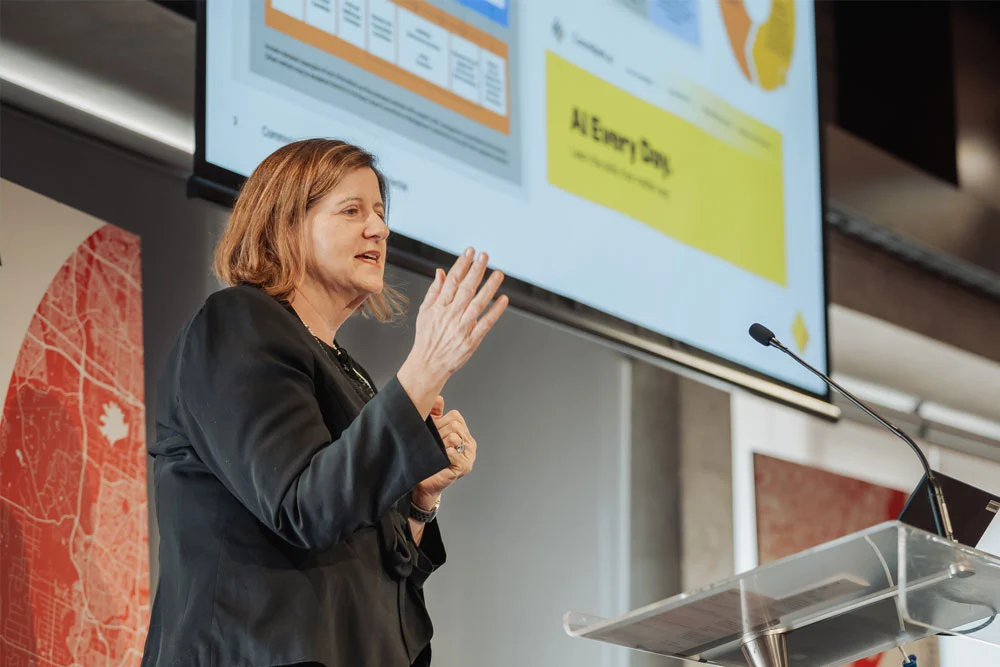
 Neng Nana
 Iffa Jayyana
 Raul Delapena Setiawan

 Asro
Asro