
 Ammar Sabilarrohman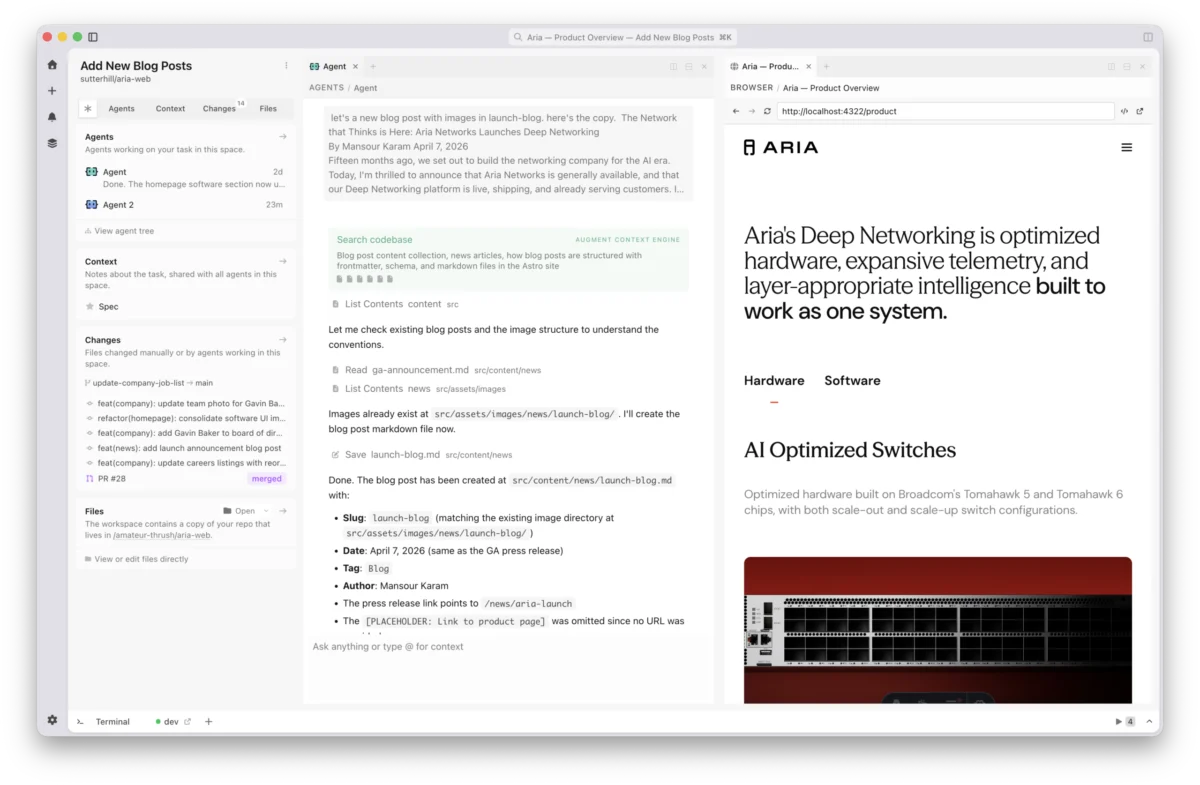
By Luke Wroblewski | April 15, 2026
For over a decade, the standard operating procedure for web development has been a choreography of silos. Designers labor in tools like Figma to construct pixel-perfect visions, developers translate those visions into code in IDEs, and project managers act as the bridge, frequently caught in the friction of the "handoff." This process is inherently bottlenecked: it is linear, prone to misinterpretation, and fraught with "translation loss."
However, a recent project for Aria Networks suggests that this era of fragmented collaboration may be drawing to a close. By utilizing Intent, an AI-native development environment, a three-person team managed to design, build, and ship a high-fidelity, professional-grade website in just three weeks. This achievement wasn’t merely a testament to speed; it was a demonstration of a new paradigm where the wall between design and engineering is effectively dissolved.
The Chronology: From Concept to Launch
The project followed a three-phase trajectory that replaced traditional handoff cycles with continuous, parallel integration.
Phase 1: The Design Foundation (Weeks 1–2)
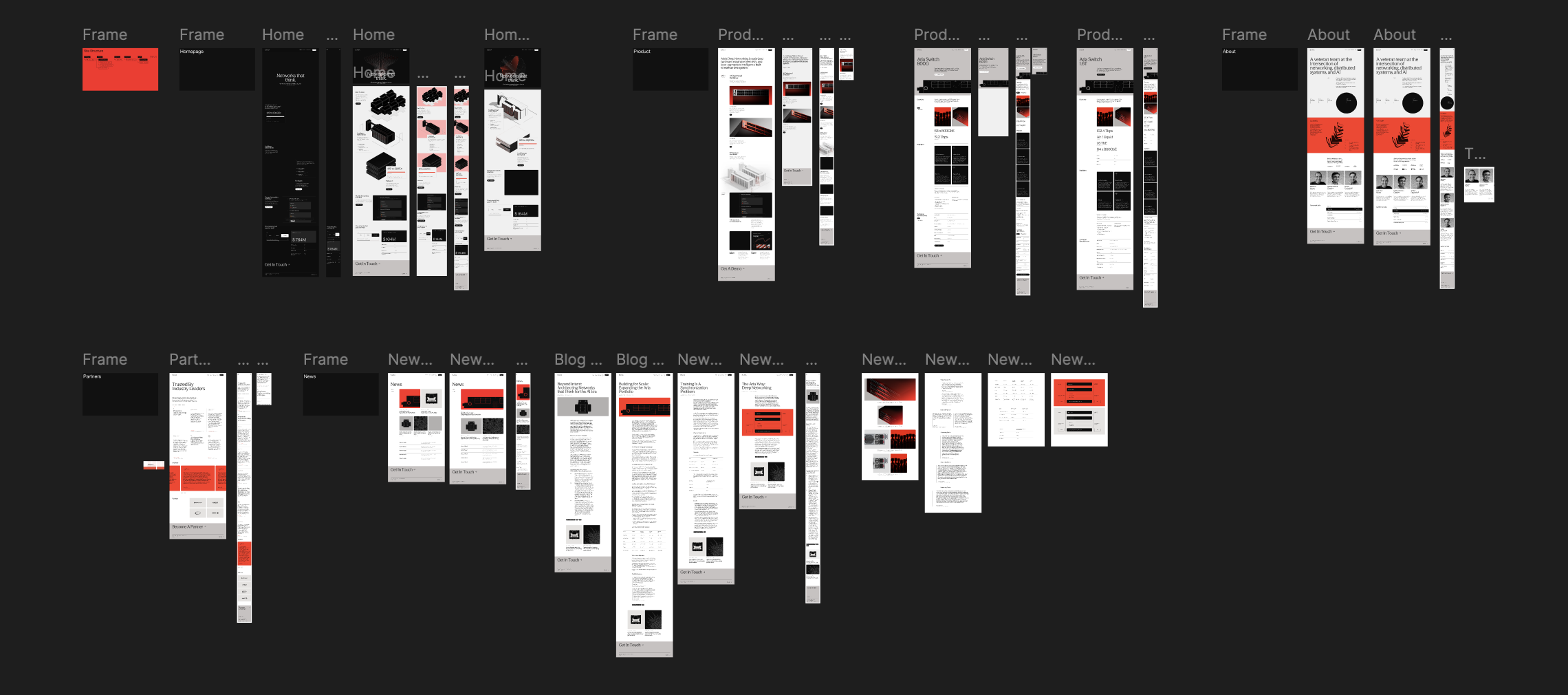
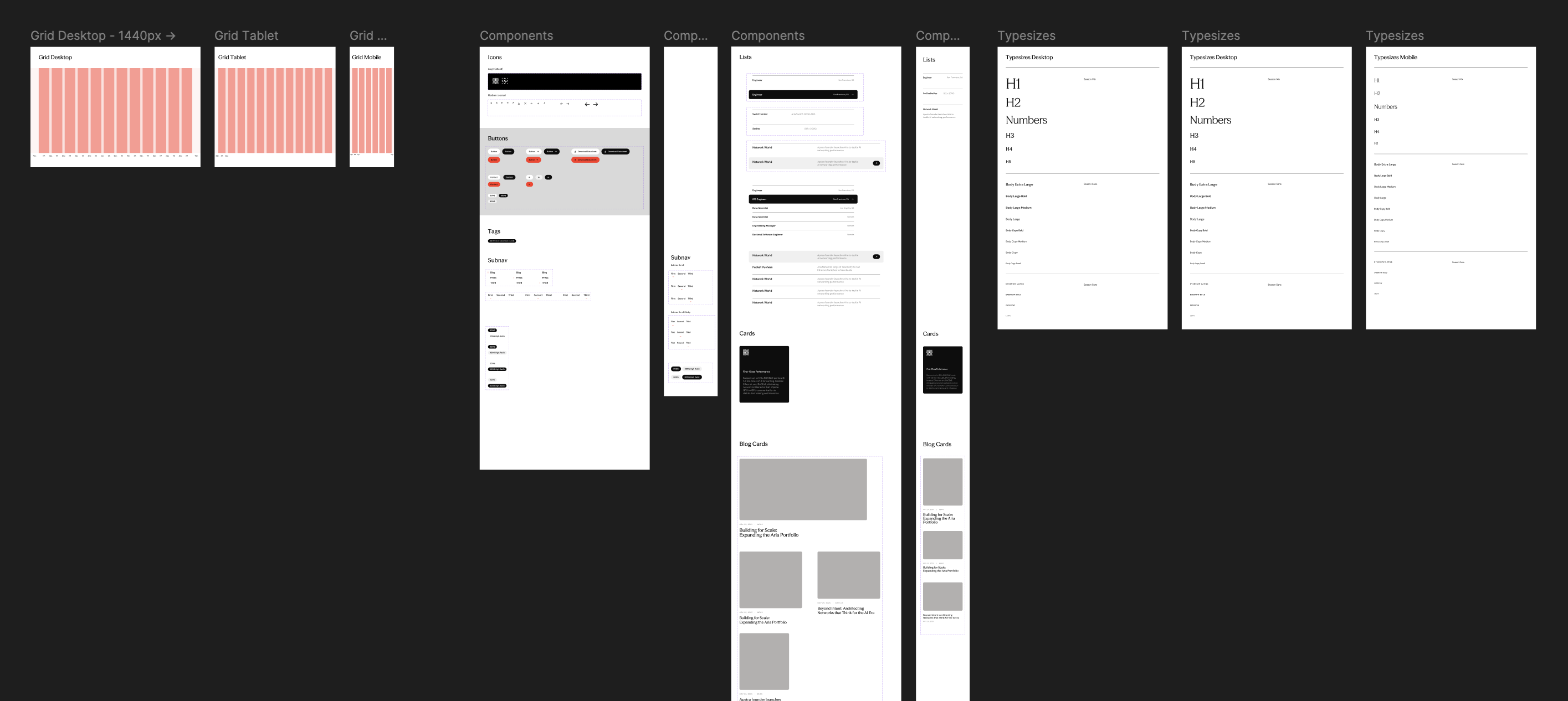
The project began in a familiar space: Figma. The design team focused on establishing the core visual language—typography scales, color variables, grid systems, and component libraries. This was the "Design First" approach, ensuring that before a single line of code was written, the structural and aesthetic intent was clearly defined.
During these two weeks, the team iterated on desktop and mobile compositions. Feedback loops were tight, focusing on visual style and content direction. By the end of this phase, they had a robust design system that served as the "source of truth." However, unlike traditional workflows where this document is sent over a wall to a developer, this system served as the prompt database for the next stage.
Phase 2: Building the Infrastructure (Days 1–2)
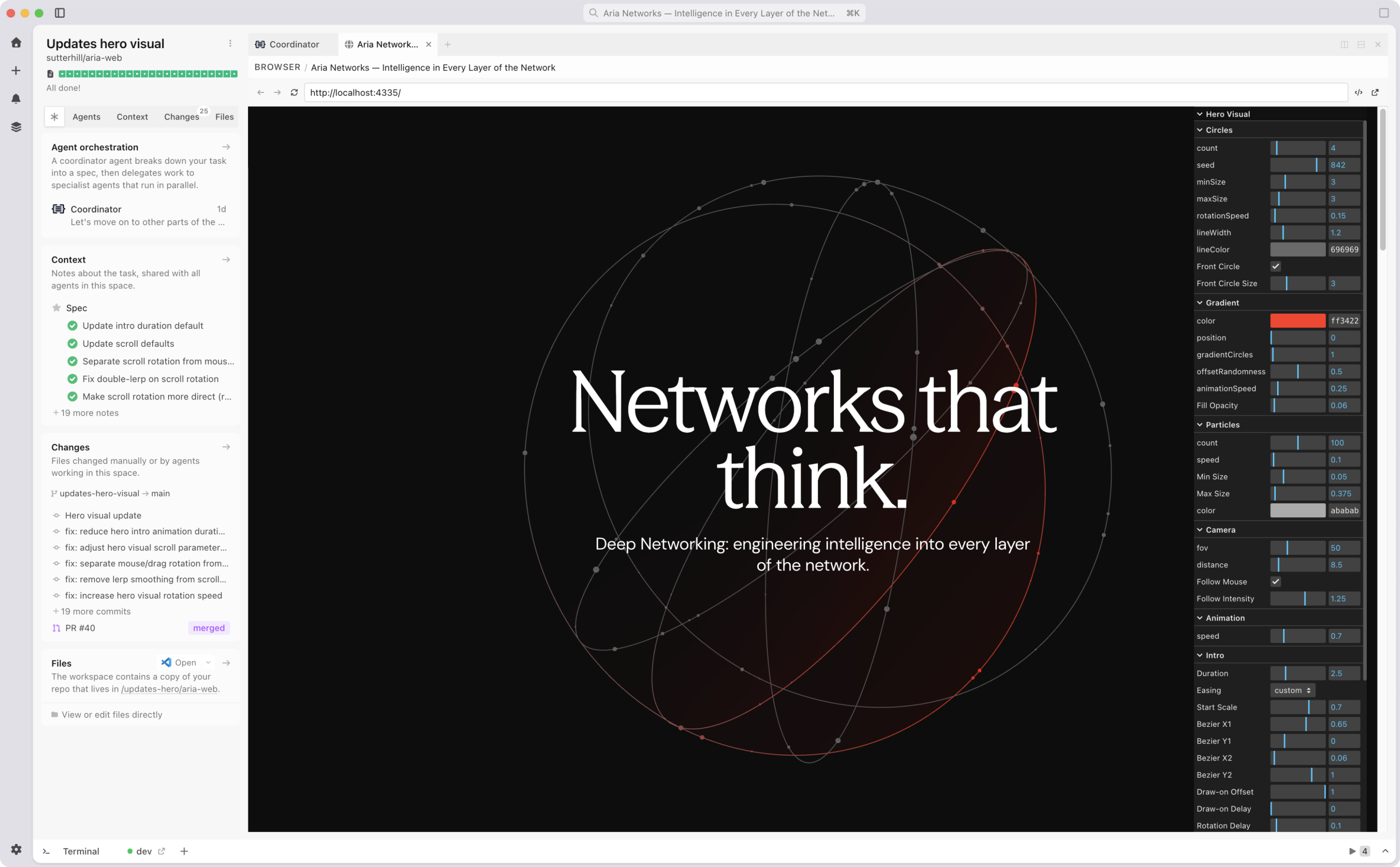
Once the designs were finalized, the developer shifted the process into Intent. Rather than manually coding pixels, the developer configured the project scaffolding using modern frameworks (Astro and Tailwind). By connecting the Figma "Model Context Protocol" (MCP) and defining an agents.md file, the developer created a bridge between the design system and the development environment.
In just 48 hours, the developer utilized parallel workspaces to generate the entire front-end infrastructure. The AI agents ingested the design tokens and populated the pages. By the end of the second day, the site existed in code at roughly 85% fidelity. It was not pixel-perfect, but it was functional, performant, and structurally sound.
Phase 3: The Parallel Sprint (The Final Week)
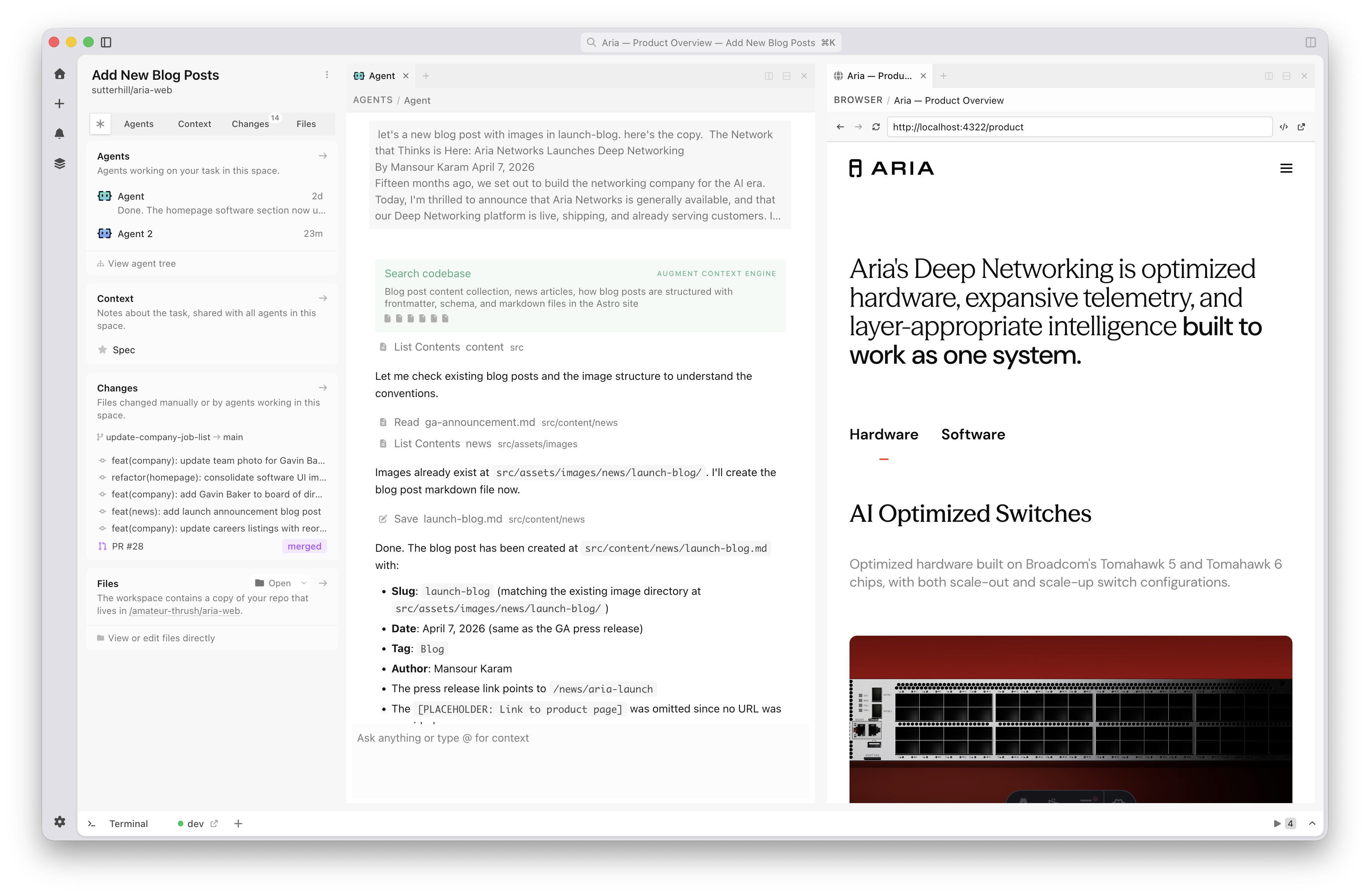
The final week was characterized by the breakdown of traditional roles. With the staging environment live, the designer, the developer, and the project manager worked simultaneously within the same codebase—not by editing raw code, but by directing agents to perform specific tasks. This allowed for granular, concurrent progress that would typically take months to achieve in a sequential environment.
Supporting Data: Efficiency Through Automation
The metrics of this project challenge the necessity of the "handoff." By treating design systems as living data rather than static documentation, the team reduced the typical feedback-to-implementation lag from days to hours.
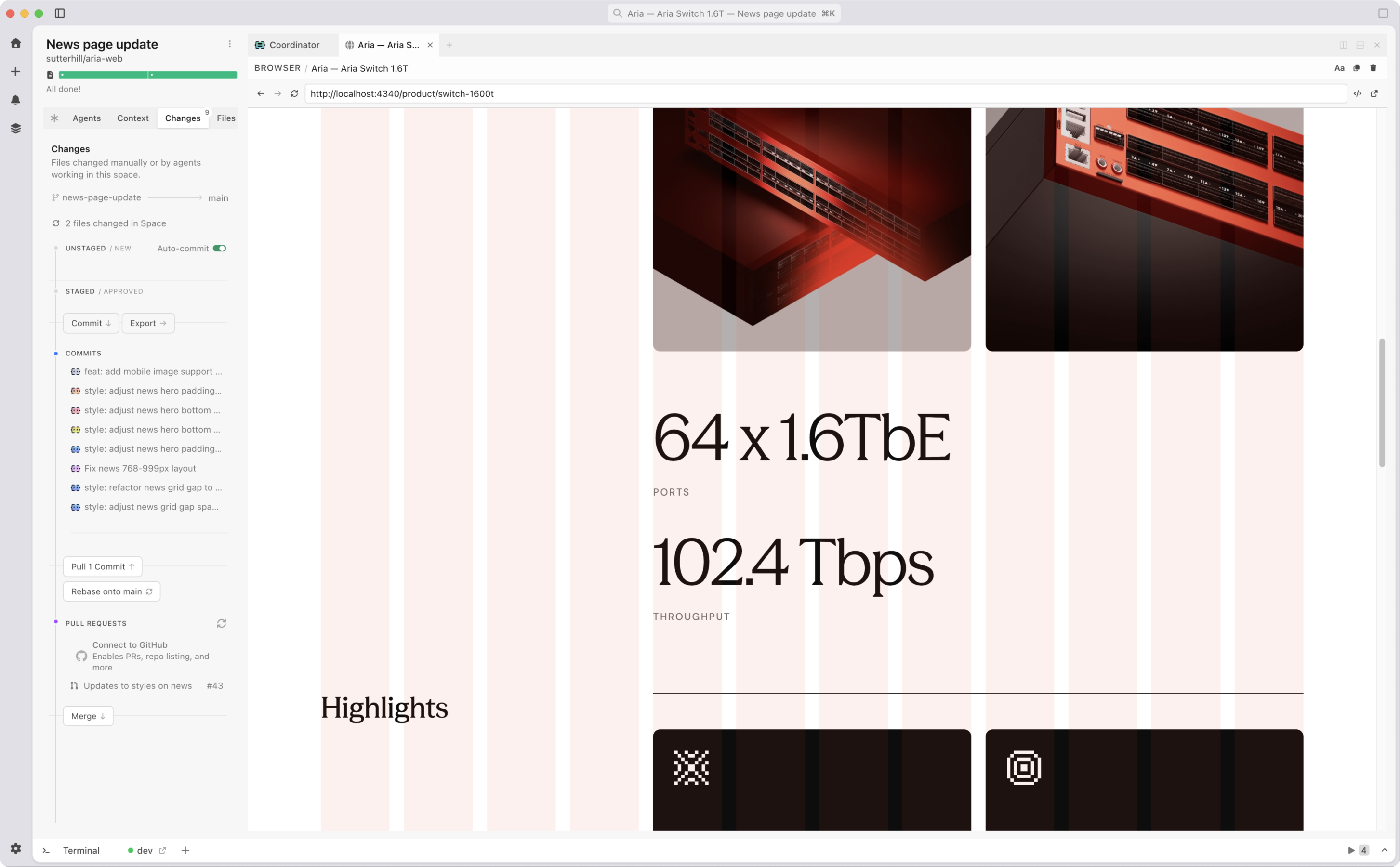
- Conflict Resolution: Across the project, the team generated between 30 and 40 pull requests. Remarkably, only five required manual intervention to resolve conflicts. The AI agent, acting as a steward of the codebase, managed the merging process and architectural integrity.
- Animation Fidelity: Traditionally, designers specify easing curves and timings in documentation, which developers then struggle to replicate. In this workflow, the designer directly manipulated the animation properties within the agent’s workspace. The result was a high-fidelity "feel" that was achieved in hours rather than the days of back-and-forth communication that usually plague UI refinement.
- Scalability: By documenting emerging code patterns in the
agents.mdfile, the team ensured that every new element—such as icons or new page sections—adhered to established standards automatically. This "governance by documentation" turned the developer into a systems architect rather than a ticket-filler.
Implications for the Future of Web Development
The success of the Aria Networks project holds significant implications for the broader tech industry. We are moving toward a future where the distinction between "designer" and "developer" is increasingly fluid, replaced by a "builder" mentality where the primary skill is intent definition rather than manual execution.
The Death of the Handoff
The most profound implication is the obsolescence of the handoff. When designers and developers work in the same environment, the "lost in translation" phenomenon disappears. Designers can tweak grids and animations in real-time, while developers can focus on high-level architecture and resolving complex technical debt. This creates a "continuous delivery" model that isn’t just for software features, but for design itself.
Democratizing Development
The project manager’s role in this workflow is perhaps the most telling. By using agents to perform discrete, low-level tasks (like migrating content or making text changes), the product lead was able to contribute directly to the production codebase. This means that teams can move faster without overwhelming their engineering staff with trivial requests. It empowers non-engineers to own the "last mile" of a product’s polish.
The New Learning Curve
It is essential to acknowledge that this process is not a "magic button." It requires a new set of skills:
- Systemic Thinking: Users must understand how to structure prompts and documentation so agents can act consistently.
- Conflict Management: While agents handle most tasks, the developer must still act as the final arbiter, maintaining the integrity of the architecture.
- Tool Fluency: There is a distinct learning curve for those who have spent their careers in design-only or code-only environments.
Official Perspectives: Reflections on the "Aria" Experiment
When asked about the project, the team noted that the most challenging aspect wasn’t the technology, but the habit of waiting. "We are so conditioned to believe that we must wait for a designer to finish before a developer starts, or wait for a developer to deploy before we can see our changes," the team noted.
Breaking this habit is the final hurdle. The software, while powerful, only works when the team culture shifts from "task delegation" to "concurrent collaboration." The project proved that when the barriers are removed, a small team can produce work that feels like the output of a much larger, more expensive organization.
Conclusion
The Aria Networks project is not just a case study in building a website; it is a preview of the "Post-Handoff" era. By utilizing AI to handle the heavy lifting of translation, the team was able to focus on what actually matters: the craft, the user experience, and the speed of iteration.
While CSS layout struggles and Git complexities remain, the core reality of web development has fundamentally changed. We are entering a phase where the vision in a designer’s mind can be brought into the browser by anyone on the team, simultaneously, without the friction of the past. The question for the industry is no longer "How do we build this?" but rather, "How fast can we refine it?" The bottleneck is no longer the tools; it is our own outdated processes. It is time for the industry to move past the handoff, and start building.

 Sagoh
Sagoh
 Asep Darmawan
 Raul Delapena Setiawan
 Reynand Wu


 Azzam Bilal Chamdy
 Ali Ikhwan