
 Asro
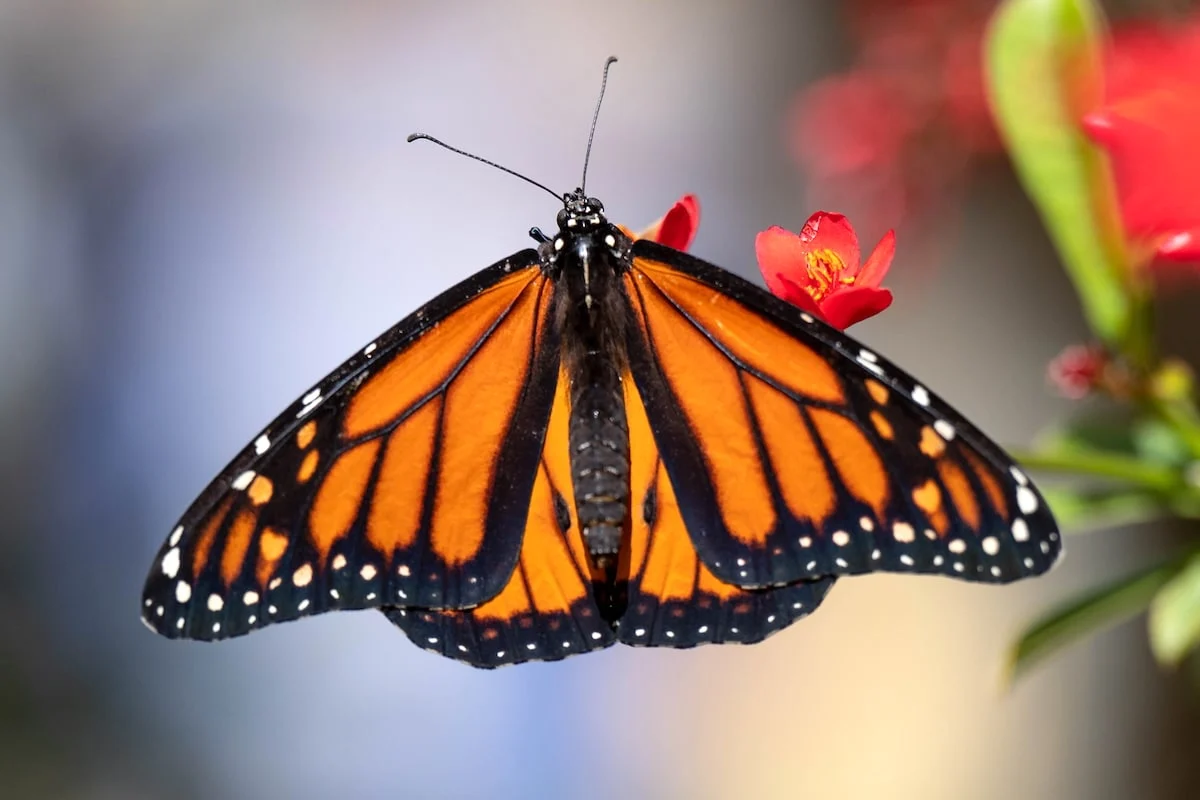
In the quiet groves of Pacific Grove, California—a sanctuary long revered as "Butterfly Town, U.S.A."—a grim discovery in early 2024 sparked a scientific investigation that has profound implications for the survival of the Western monarch butterfly. A new, peer-reviewed study published in the journal Environmental Toxicology and Chemistry has officially linked a mass mortality event to a toxic cocktail of pesticides, providing the strongest evidence yet that chemical exposure is a primary driver in the rapid decline of this iconic species.
The findings, led by researchers at the Xerces Society for Invertebrate Conservation, confirm that the butterflies found dead at the Pacific Grove Monarch Sanctuary were not suffering from natural causes, but were instead victims of a concentrated exposure to human-made insecticides. As populations of Western monarchs hover on the precipice of extinction, this discovery serves as a clarion call for a radical shift in how we manage chemical use in our agricultural, urban, and residential landscapes.
Chronology of a Tragedy
The alarm was first raised in January 2024, when concerned observers and researchers discovered hundreds of monarch butterflies dead or in their final death throes near the Pacific Grove Monarch Sanctuary. This site is a critical refuge where Western monarchs congregate to overwinter, clustered in the canopy of trees to survive the colder months.
Following the initial discovery, a team of scientists mobilized to determine the cause of the sudden collapse. Using advanced analytical techniques—specifically liquid and gas chromatography combined with mass spectrometry—the researchers conducted a forensic examination of the deceased insects. The results were startling. The testing revealed a chemical footprint consisting of 15 distinct substances, including insecticides, herbicides, and fungicides.
The timeline of the event highlights the extreme vulnerability of the species. Because monarchs aggregate in such high densities during their overwintering phase, they are uniquely susceptible to "point-source" events. A single application of a pesticide in the vicinity of a grove can result in a localized massacre, as seen in the Pacific Grove event and a similar 2020 incident in North Dakota, where aerial mosquito spraying decimated a migrating population.
The Toxic Cocktail: Breaking Down the Data
The study’s findings regarding the chemical composition found in the butterflies were not just indicative of exposure; they were indicative of lethality. Researchers found, on average, seven different pesticides per individual butterfly. Among the substances detected were three specific human-made pyrethroid insecticides: bifenthrin, cypermethrin, and permethrin.
The presence of these compounds is particularly alarming because they were found at or near their lethal doses. According to the study data:
- Bifenthrin: Present in every single sample tested.
- Cypermethrin: Present in every single sample tested.
- Permethrin: Present in all but two samples.
Staci Cibotti, the study’s lead author and a pesticide risk prevention specialist at the Xerces Society, emphasized that while Monterey County authorities were unable to pinpoint the exact source or single event that led to the contamination, the concentration levels left little room for interpretation. "The high levels detected suggest that insecticides were likely responsible for the monarch deaths," Cibotti noted.
The complexity of the "chemical soup" found on the butterflies suggests that their exposure was likely cumulative, coming from various sources—farmland runoff, urban landscaping, or residential pest control—that overlapped in the environment surrounding the sanctuary.
A Population in Freefall
To understand the gravity of this discovery, one must look at the broader, harrowing trajectory of the Western monarch population. The Western monarch has suffered a staggering decline of nearly 95% since the 1980s. The 2024 data, which showed the second-lowest population numbers ever recorded, was followed by a sobering count in 2025 that identified only 9,119 individuals remaining.

The International Union for Conservation of Nature (IUCN) has already listed the migratory monarch as endangered. Furthermore, climate modeling and habitat loss projections have led the U.S. Fish and Wildlife Service to estimate a 99% probability of extinction for the Western monarch population by the year 2080 if current trends are not reversed. The loss of hundreds of individuals in a single event is not merely a tragedy for those specific butterflies; it is a significant blow to a population that has little room left for error.
Official Responses and Scientific Perspective
The Xerces Society has been vocal about the need for systemic change. In an official statement, the organization highlighted that the Pacific Grove event is not an isolated occurrence but a symptom of a systemic issue.
"Protecting monarchs from pesticides will require both public education and policy change," said Emily May, co-author of the study and agricultural conservation lead at the Xerces Society. She added that the organization is committed to working with policymakers to transform overwintering sites into "healthy refuges" rather than toxic traps.
In a follow-up statement provided to EcoWatch, Staci Cibotti contextualized the incident within the broader environmental landscape. She noted that pesticide exposure is a widespread threat across the entire range of the monarch. "These chemicals are commonly used not only in agriculture, but also across developed landscapes for structural pest control, home gardening, landscaping, turf management, mosquito abatement and more," Cibotti explained.
The scientific consensus is shifting toward a realization that our obsession with sterile, pest-free environments—whether in our backyards or in corporate agricultural operations—is directly sabotaging the ecological services provided by pollinators. The "migratory cycle" of the monarch is a window of extreme sensitivity, and the study underscores that protecting these butterflies during their journey is critical to their ability to rebound in the spring.
Implications for Future Conservation
The path forward, according to conservationists, requires a multi-pronged approach to pesticide management. The study outlines several essential recommendations:
- Establishment of Pesticide-Free Zones: Creating buffers around known overwintering sites where the use of insecticides is strictly prohibited.
- Public Education: Increasing awareness among homeowners and land managers regarding the long-range, lethal effects of commonly used pyrethroids.
- Policy and Regulation: Implementing stronger oversight and tracking of pesticide use by public officials, particularly regarding mosquito abatement programs that often occur during peak migration times.
- Integrated Pest Management (IPM): Shifting from chemical-heavy pest control to sustainable alternatives that do not threaten non-target species like pollinators.
The implications of the 2024 Pacific Grove die-off are clear: we can no longer treat pesticide use as a localized, inconsequential act. Every application has the potential to ripple through the ecosystem. As the Western monarch hovers on the edge of the abyss, the evidence from Environmental Toxicology and Chemistry provides a roadmap for what must be done.
Conservation is no longer just about protecting habitat; it is about cleaning the environment of the invisible, chemical hazards that have turned vital sanctuaries into sites of mass mortality. The survival of the Western monarch will depend on whether we can move beyond the status quo of chemical reliance and prioritize the health of the pollinators upon which so much of our own food security and ecosystem health depend.
As the sun sets over the California coast, the survival of these orange-and-black migrants rests in the hands of the very communities that surround their overwintering grounds. The question remains: will we act in time to ensure that the Pacific Grove sanctuary remains a place of life, rather than a monument to a lost generation of butterflies?


 Nana


 Lina Irawan

 Dwi Wanna

 Pevita Pearce


 Azzam Bilal Chamdy
 Ammar Sabilarrohman
