
 Laily UPN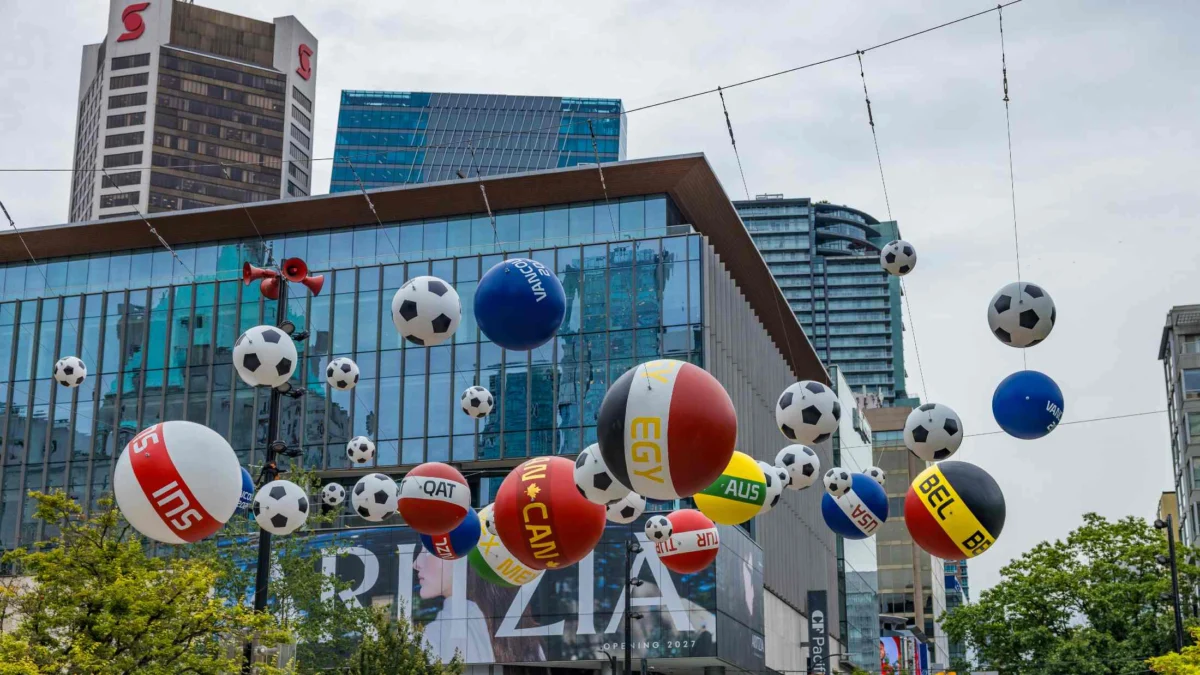
This summer, the global sporting landscape became a theater of the unexpected. While official sponsors poured millions into securing their spots on the pitch, a new wave of "guerrilla" marketers proved that an official partnership is no longer the only—or even the most effective—way to dominate the conversation. Through a sophisticated blend of real-time consumer data, social media agility, and a dash of creative rebellion, several brands transformed themselves into the tournament’s true protagonists.
By analyzing consumer research, brand mentions, and cross-platform search trends between June 11 and July 8, we can identify a shift in marketing dynamics. This wasn’t about big-budget ad spots; it was about "reactive marketing"—the ability to spot a cultural spark and fan it into a flame before the competition even opened their laptops.
The Strategy of Disruption: Turning Restrictions into PR Gold
The tournament’s organizers enforced some of the strictest "clean stadium" policies in sports history. These mandates required venues to purge all non-sponsor branding, from stadium signage and staff uniforms to humble product packaging. For a traditional marketer, this was a nightmare; for a savvy, agile brand, it was an invitation.
Levi’s and Heinz: Branding by Omission
The Levi’s Stadium, host to six high-profile matches, was subjected to a total brand blackout. Its iconic name was stripped from the facade, replaced by the sterile, temporary moniker "San Francisco Bay Area Stadium." Massive white tarps were draped over the branding, creating a visual vacuum.
Rather than retreating, Levi’s leaned in. The brand updated its Instagram profile picture to the image of its covered-up logo and exported the concept globally, draping storefronts in Europe, Latin America, and Asia in matching white sheets. They even released a "Nobody’s gonna know" limited-edition T-shirt. By engaging with the censorship, Levi’s transformed a negative restriction into a badge of honor. With 20.1k mentions, the brand proved that its silhouette is more powerful than its text.
Heinz followed a similar playbook. When their condiment bottles were taped over inside stadiums, they didn’t complain. Instead, they launched a social media campaign that turned the black tape into a tongue-in-cheek aesthetic. A viral, cross-brand exchange with Levi’s solidified their status as the "cool" brand that refused to be silenced, netting 5.1k mentions during the tournament window.
Chronology of the "Tartan Army" Takeover
While stadiums were busy covering logos, the fans—specifically Scotland’s "Tartan Army"—were busy creating a cultural phenomenon. Their presence in the U.S. became the heartbeat of the tournament’s social media narrative.
June 11–15: The Tartan Army arrives. As they traverse American cities, they begin to make a distinct impact on local economies.
June 17–20: The "Beer Drought" begins. Reports emerge that Boston bars are running dry, unable to keep pace with the spirited Scottish fans. This triggers a viral social media cycle with over 3.4k mentions of "beer shortages."
June 21: Miller Lite executes a masterstroke. Identifying the logistical chaos as a branding opportunity, they commission a "beer barge" to intercept the fans in Miami. The campaign, tagged "Restock the Scots," becomes an instant hit on X, generating 76k views and 2.2k likes.
June 22–24: Delta Air Lines shifts from service provider to superfan. Greeting the Tartan Army at Miami airport with balloons and a heartfelt "thank you" for the joy they brought to the city, the brand taps into the human side of the event. A video of the welcome, shared by BBC Sport Scotland, explodes to 463.5k views and 10k likes.
These brands didn’t just "show up"; they entered the narrative at the precise moment of maximum emotional resonance.
Supporting Data: The Ranch Dressing Phenomenon
The most unexpected breakout star of the summer wasn’t a player or a team—it was American ranch dressing. Between June 11 and July 8, mentions of the condiment soared to 104k, a 324% increase from previous periods.
The Kraft Catalyst
On June 16, the Transportation Security Administration (TSA) posted a humorous, lighthearted reminder about liquid restrictions at airport security. Kraft, utilizing real-time social listening, identified the intersection between the "ranch obsession" trend and the TSA’s guidelines.
They rapidly developed and launched a "TSA-Compliant Ranch" kit—miniature packets housed in a clear, quart-sized bag. The result was a staggering 3,998% increase in brand mentions within the ranch discourse. Data from Trajaan confirmed that this wasn’t just idle chatter; search interest for the brand surged 586.4% in the same period, proving that social buzz was driving tangible consumer intent.
Official Responses and the "Clean Stadium" Policy
The tournament’s organizing committee maintained that the clean stadium policies were essential for maintaining the commercial integrity of the tournament for official partners who paid top-dollar for exclusivity. However, the unintended consequence of these policies was the "Streisand Effect"—the more the organizers tried to hide non-sponsor brands, the more the public focused on them.
Industry analysts note that while official sponsors gain reach, they often struggle with "ad fatigue." Conversely, the brands mentioned above benefited from "authentic engagement." By positioning themselves as underdogs or cultural participants rather than corporate advertisers, they bypassed the skepticism fans often feel toward massive tournament sponsors.
Implications: The New Rules of Engagement
The events of this summer demonstrate a fundamental evolution in marketing. For brands looking to make an impact, the following three takeaways are now essential:
1. Speed is the New Scale
The "Beer Barge" and "TSA-Compliant Ranch" weren’t planned months in advance. They were the result of teams monitoring social signals and responding within hours. In the age of viral content, a slow response is a non-response.
2. Embrace the Context
Levi’s and Heinz didn’t fight the stadium regulations; they integrated them into their brand identity. Successful reactive marketing requires finding the "hook" in a bad situation and twisting it to your advantage.
3. Data-Driven Intuition
The synergy between social conversation and search behavior is the new gold standard. When the data shows a 300% spike in interest, the opportunity is fleeting. Brands that integrate social listening tools with search intelligence can spot the "velocity" of a trend before it peaks, allowing for the precise timing of a campaign launch.
4. Authenticity Over Budget
The Delta Airlines activation cost a fraction of a stadium-naming rights deal, yet it garnered nearly half a million views through genuine, human-centric content. Fans are highly adept at identifying "cringe-worthy" corporate interventions; by keeping their activations simple and celebratory, brands like Delta earned their place in the conversation.
Conclusion
As we look back on the summer’s festivities, it is clear that the traditional sponsorship model is facing a serious challenger: the reactive, agile, and socially-tuned brand. While official partnerships offer a platform, they do not guarantee attention.
The brands that "won" this summer understood a simple, profound truth: fans are telling a story, and the most successful brands are those that ask for a seat at the table rather than trying to own the room. By listening to the pulse of the crowd, moving with speed, and embracing the quirks of the moment, these brands proved that you don’t need a multi-million dollar logo on a stadium wall to live rent-free in the minds of the public.
In the future, the winners won’t necessarily be the ones who pay the most—they will be the ones who pay the most attention.

 Pevita Pearce
 Reynand Wu
 Ammar Sabilarrohman
 Nana Wu
 Suro Senen
 Jia Lissa
 Evan Lee Salim