
 Jia Lissa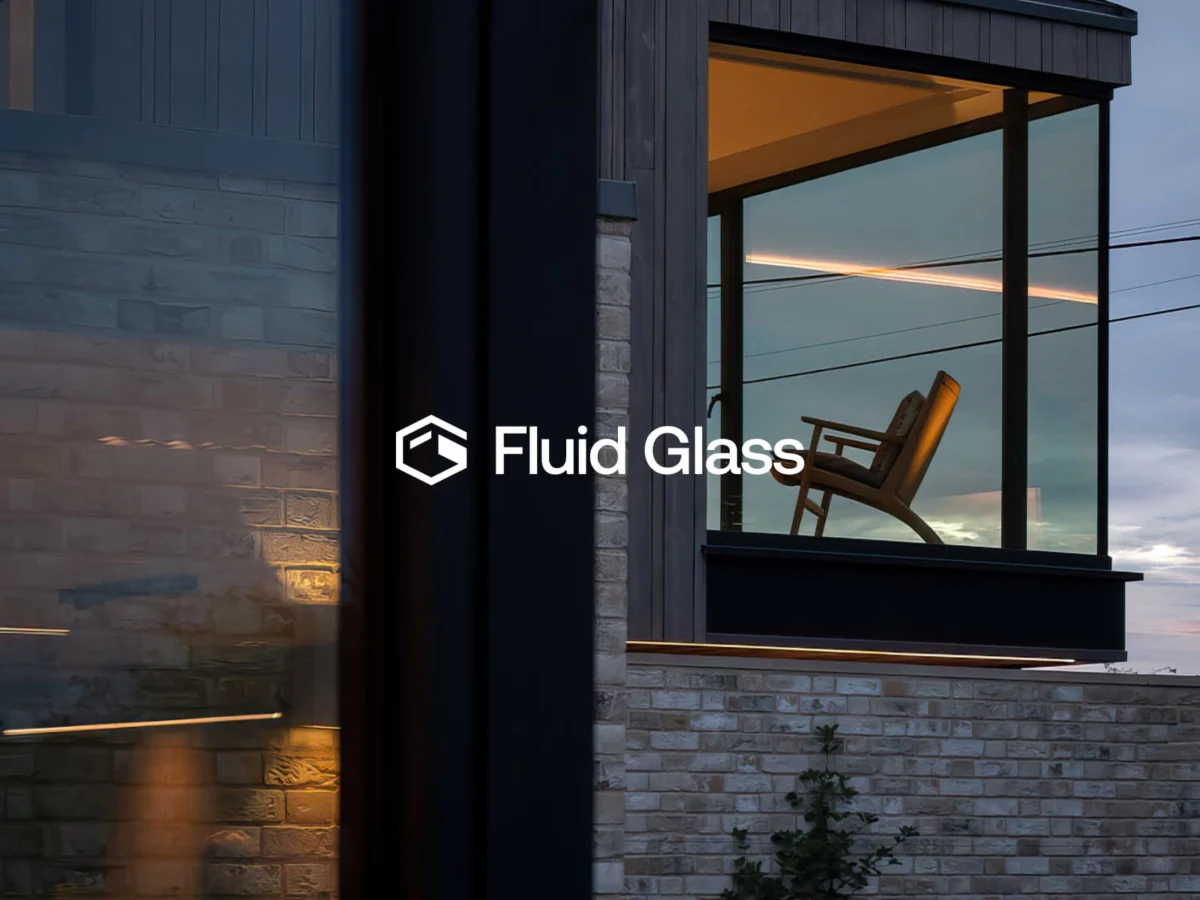
In the world of high-end architectural glazing, the difference between a good project and a masterpiece often lies in the invisible details—the seamless joins, the perfectly calibrated weight, and the way light interacts with structure. For UK-based specialist Fluid Glass, these principles of precision and craft are the bedrock of their operations. However, for years, their digital presence failed to mirror the sophistication of their physical installations.
This is the story of how a strategic collaboration with the Dutch digital studio Exo Ape redefined the brand’s online identity, moving away from a traditional product catalogue toward an immersive, narrative-driven experience that captures the essence of architectural artistry.
The Challenge: Bridging the Gap Between Technicality and Craft
Fluid Glass occupies a unique space in the construction sector, working alongside architects and developers to turn ambitious, complex glazing concepts into reality. Their work is defined by a rigorous technical standard and a bespoke approach to every project.
When Exo Ape began their engagement, they identified a fundamental misalignment. Most companies in the structural glazing sector rely on one of two web strategies: a dry, technical repository of product specifications or a superficial gallery of lifestyle photography. Neither approach was sufficient for Fluid Glass. The former lacked the human element of collaboration, while the latter failed to demonstrate the company’s deep technical competency.
"The goal," notes the design team, "was to make the process visible. We needed to use projects, imagery, and structure to give a better sense of their work, their process, and how they approach each project." The challenge was to create a digital environment that felt less like an e-commerce site and more like an architectural portfolio, fostering a sense of trust and competence that would encourage potential clients to reach out.
Chronology of the Transformation
The project was not merely a design overhaul but a fundamental shift in how the brand communicates its value proposition.
Phase 1: Conceptualization and Motion Studies
The process began with an intensive research phase where the team analyzed not just the visual language of Fluid Glass, but the "feel" of their interaction. Exo Ape conducted extensive motion studies to test how elements should behave. Instead of relying on static design theory, the developers explored various easing, timing, and responsiveness patterns. This ensured that every button, transition, and menu behavior reflected the quiet, deliberate precision of a master glazier.
Phase 2: Building the Digital Infrastructure
Technically, the project utilized a modern, high-performance stack. Nuxt.js was chosen to power the front end for its speed and modularity, while Storyblok served as the headless CMS, allowing the Fluid Glass team to manage content with ease. The site was deployed via Vercel, ensuring that the heavy, high-resolution imagery and video assets remained fluid and responsive globally.
Phase 3: Integrating the "Physical" Experience
A significant hurdle was translating the experience of visiting a physical showroom into a digital format. The team introduced a dedicated video module, allowing users to move from passive browsing to active engagement. This was supported by a streamlined "Get a Quote" flow, designed to capture specific project data that helps the Fluid Glass team provide more informed, context-aware advice from the very first conversation.
Supporting Data: The Anatomy of the New Interface
The resulting website is a masterclass in "digital minimalism." It is a design that is deliberately sparse but never empty.
- The Navigation Island: A central, adaptive navigation system that shifts depending on the user’s location within the site, ensuring that browsing remains continuous rather than fragmented.
- Continuous Storytelling: By utilizing
GSAP’s ScrollTrigger, the site allows for seamless transitions between case studies. Instead of navigating back and forth through a menu, users can "scroll through" the entire portfolio, viewing the work as an evolving narrative. - The Premium Loader: An elegant, branded entrance that serves as a "handover" from the brand identity to the project content, setting a tone of calm and professional intent from the first second of interaction.
- Digital Hospitality: A subtle, responsive interaction at the base of every page that expands the menu as a user reaches the end of their reading, anticipating their next need without cluttering the screen.
Official Perspective: The Philosophy of Design
The creative direction behind this project, led by Ronald Gijezen, was rooted in the belief that digital luxury is defined by the "human touch." In an era where many websites are built to be as loud and intrusive as possible, Fluid Glass opted for restraint.
"In an ever-expanding sea of noise, digital character and the human touch are the ultimate luxuries," says the Exo Ape team. By focusing on the process—showing the coordination, the installation, and the behind-the-scenes effort—the website succeeds in humanizing a technical service. The site doesn’t just show a finished window; it shows the effort required to make that window feel "effortless."
This philosophy extended into the development of their "Product Database." By linking products directly to the specific projects where they were used, the site provides a contextual understanding of the glazing solutions, allowing architects to see how specific systems perform in the real world.
Implications for the Architecture and Construction Sector
The collaboration between Fluid Glass and Exo Ape sets a new benchmark for B2B digital experiences. The implications for the construction industry are significant:
- The Shift to Narrative-Led Sales: Companies that succeed in the future will be those that tell a story about how they work, rather than just listing what they sell. By highlighting the collaborative nature of the glazing process, Fluid Glass has positioned itself as a partner, not a vendor.
- The Death of the Traditional Catalogue: As shown by the project’s success, high-end clients are increasingly wary of static product lists. They require evidence of capability. The use of video modules and process-focused content serves as a "digital showroom" that significantly shortens the distance between initial interest and a signed contract.
- The Importance of "Digital Hospitality": The concept of anticipating user needs—such as the "navigation island" or the frictionless contact forms—proves that web design is a form of customer service. When a website behaves with the same care as a physical service, it builds an subconscious layer of trust.
Conclusion: A Digital Benchmark
The Fluid Glass website is more than a digital brochure; it is an extension of the brand’s physical craft. By embracing a design-first approach, the company has successfully translated the precision of their structural glazing into a digital environment that feels, above all else, intentional.
As the industry continues to digitize, the Fluid Glass project serves as a clear reminder that technology should never be the goal in itself—it is the medium. When that medium is handled with the same care as the materials it represents, the result is an experience that is as enduring as the architecture it serves.
Project Credits
- Creative Direction: Ronald Gijezen
- Creative Development: Rob Smittenaar
- Digital Design: Robbert Schefman
- Technology Stack: Nuxt.js, Storyblok, Vercel, GSAP
For those interested in exploring the project further, the site remains live as a primary case study for modern, experience-driven B2B design.

 Sagoh
Sagoh
 Asep Darmawan
 Raul Delapena Setiawan
 Reynand Wu

 Azzam Bilal Chamdy
 Ali Ikhwan