
 Jia Lissa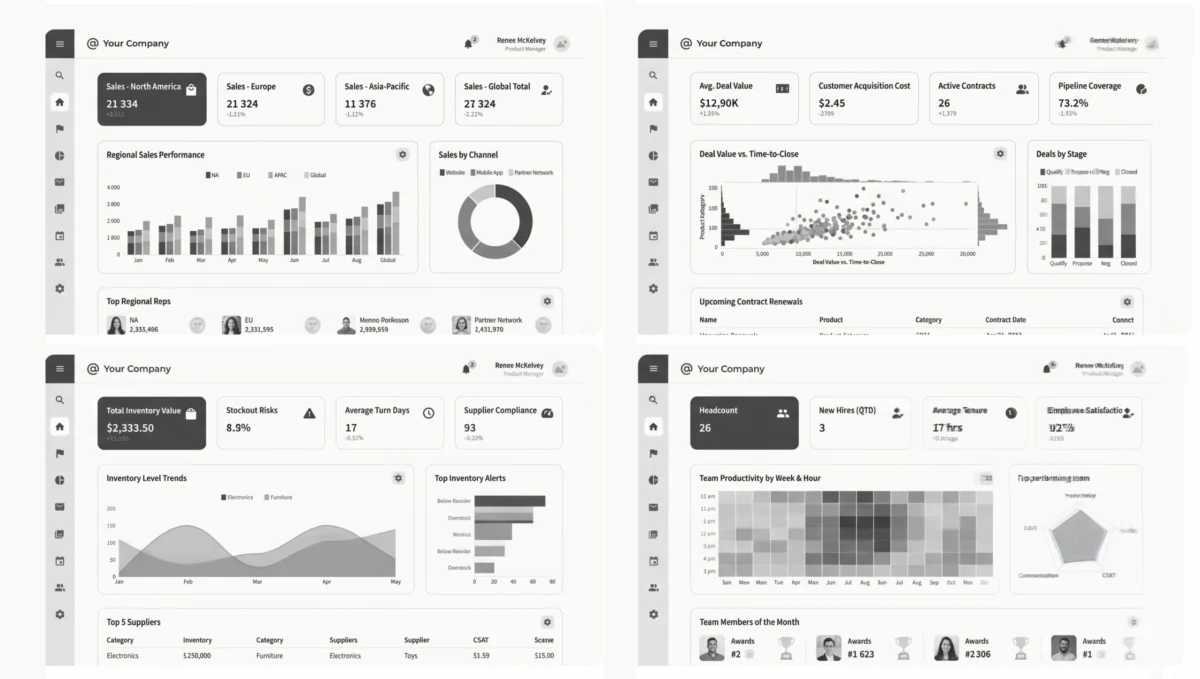
In the contemporary tech landscape, the barrier to entry for creating a user interface has effectively vanished. With the rapid integration of generative AI tools into the product development workflow, anyone—from a backend engineer to a product manager—can generate professional-grade mockups in a matter of minutes. While some view this as an existential threat to the design profession, industry leaders are increasingly framing this shift as a long-overdue transition: the move from "pixel-pushing" to systems-thinking.
The core argument is simple yet profound: the mockup was never the hard part of design. The difficult, value-driven work has always been maintaining coherency, intent, and structural integrity across a product ecosystem. As AI renders the act of visual creation nearly instantaneous, the role of the designer is evolving from a gatekeeper of aesthetics to a curator of complex systems.
The Chronology of a Paradigm Shift
The traditional product development cycle was historically bottlenecked by the "design phase." Designers would spend days, or even weeks, iterating on high-fidelity mockups, leaving other team members to wait for visual artifacts before they could provide meaningful feedback.
This linear process began to fracture with the introduction of low-code tools, but it has completely disintegrated with the advent of generative AI. Consider a recent cross-functional meeting involving a backend engineer, a product manager, and a frontend developer. Instead of reviewing a single proposal from a designer, the team arrived with three distinct, fully realized mockup concepts—all generated via AI tools.
At first glance, this saturation of visual output might suggest that the designer’s role has been commoditized. If everyone can produce a mockup, is the designer’s specialized skill set obsolete? The answer lies in the shift of the meeting’s agenda. Because the "baseline" of visual representation was established before the meeting even began, the participants were forced to bypass the superficial debate of "do you like this layout?" and move directly to the substantive, structural inquiries that actually determine product success.
Supporting Data: The Efficiency of the "Baseline"
The phenomenon observed in tech teams mirrors a significant shift currently taking place in higher education. At the recent Design Futures Assembly, educators noted a similar evolution in business school classrooms. When students were tasked with analyzing complex case studies, many initially turned to AI to perform the baseline analysis.
Rather than banning these tools, professors began to lean into them. By having every student arrive at the classroom with a high-quality baseline analysis generated by AI, the pedagogical focus shifted. Previously, a 60-minute lecture might be spent simply getting the entire cohort to reach a basic consensus on the case study’s facts. Now, that same process takes less than ten minutes. The remaining 50 minutes are spent on high-level synthesis, debate, and critical analysis—the "meaty" topics that were previously squeezed out by the time-intensive labor of reaching a baseline.
This data point provides a crucial lesson for the tech industry: AI is not a replacement for thinking; it is a catalyst for higher-level discourse. When the cost of production (the mockup) drops to near zero, the value of the underlying logic—the "why" behind the "what"—increases exponentially.
Official Perspectives and Expert Analysis
The consensus among forward-thinking design leaders is that we are witnessing the "death of the mockup" as a primary output. Industry observers argue that while UI layout remains vital, it should be viewed as the output of a system, not the input.
"The mockup was never the hard part," notes Luke Wroblewski, a seasoned product designer and tech strategist. "AI has made that abundantly clear." The industry is beginning to recognize that when multiple stakeholders—PMs, engineers, and designers—all contribute to the visual representation of a product, it actually facilitates a more robust mental model.
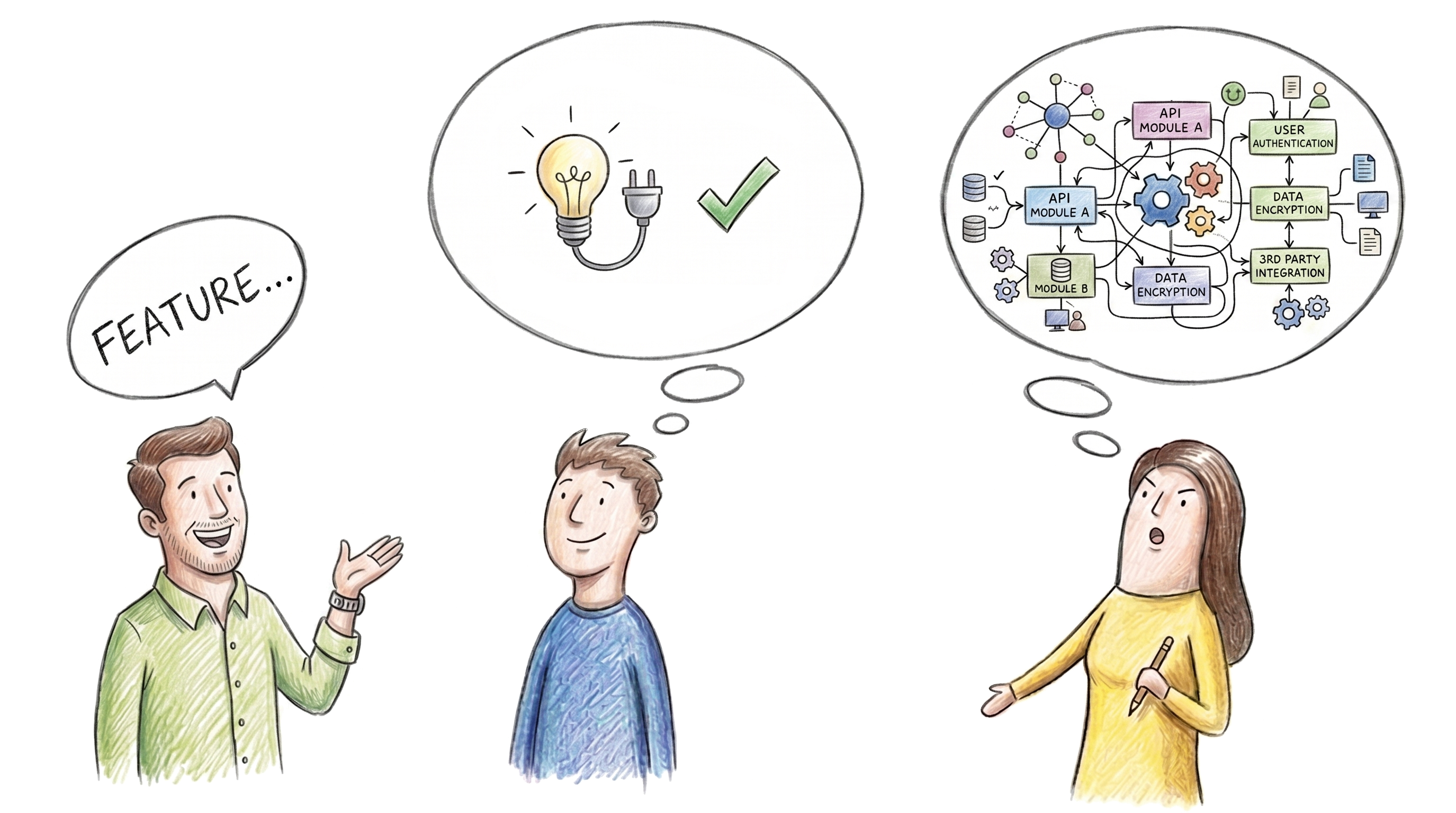
When a backend engineer provides a mockup, it often reflects a structural understanding of data relationships that a designer might overlook. When a product manager provides one, it often highlights a specific user outcome. By synthesizing these diverse, AI-generated perspectives, a team can achieve a "shared understanding" that was previously difficult to codify. The designer’s role, therefore, becomes one of an architect—someone who takes these disparate, AI-generated ideas and weaves them into a coherent, scalable, and intuitive system.
Implications for the Future of Design
The implications of this shift are wide-ranging, affecting everything from hiring practices to the fundamental definition of design.
1. The Death of the "Pixel Pusher"
The role of the designer who purely focuses on UI layouts, color palettes, and component placement is undeniably under threat. If a junior designer’s primary value proposition is their ability to draw screens, AI will replace them. To remain relevant, designers must pivot toward areas where AI currently struggles: empathy, strategic synthesis, cross-departmental communication, and the management of long-term product vision.
2. Design as a Systemic Discipline
The future of design lies in "Systems Thinking." This involves defining how data structures, user journeys, and business objectives interrelate. Designers will be required to spend less time in tools like Figma and more time mapping out the logic of the system. The goal is to create products that work for people, rather than forcing people to conform to the constraints of a poorly thought-out interface.
3. The Democratization of Product Development
We are entering an era of "Team-Wide Design." As AI lowers the barrier to visual expression, designers will find themselves in a role more akin to an editor or a creative director. They will guide the team through the process of articulating their mental models, ensuring that while everyone is contributing to the visual design, the final result remains unified and purposeful.
4. The Rise of "Deep Work" in Meetings
Meetings will become less about presentations and more about collaborative problem-solving. When every stakeholder brings a prototype to the table, the meeting ceases to be a passive viewing session and becomes a high-intensity collaborative workshop. This allows teams to identify contradictions in their mental models much earlier in the process, reducing the need for costly redesigns during the development phase.
Conclusion: The New Frontier
The anxiety surrounding AI in the design industry is a natural reaction to a rapidly changing landscape. However, the fear that "designers will be replaced" stems from a narrow definition of what design actually is. Design has never been about the screen; it has always been about the relationship between a user, their goals, and the system designed to facilitate those goals.
By automating the baseline, AI is clearing the clutter from our professional lives. It is forcing us to confront the questions we have been avoiding—questions about system architecture, data relationships, and the fundamental mental models that underpin our products.
The future of design is not a future without designers; it is a future where designers are freed from the mundane task of production to focus on the essential task of orchestration. We are moving toward a reality where the quality of a product is determined not by the speed of its mockups, but by the depth of the intent behind them. In this new world, the designer’s greatest asset is not their proficiency with design software, but their ability to synthesize, critique, and guide the collective intelligence of the entire product team.
The mockup was merely the start of the conversation. Now, thanks to AI, we finally have the time to have the real conversation.

 Nila Kartika Wati
 Iffa Jayyana
 Ammar Sabilarrohman
 Reynand Wu

 Azzam Bilal Chamdy
 Sagoh
Sagoh
 Suro Senen