
 Rifan Muazin
Introduction: The "Kungfupunk" Vision
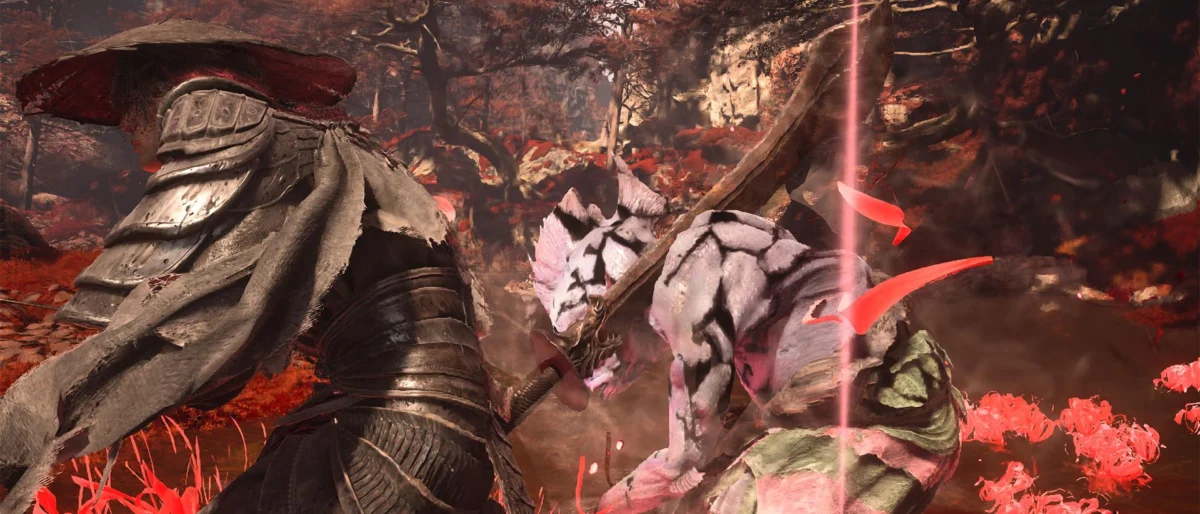
In the rapidly expanding landscape of Chinese-developed AAA titles, Phantom Blade Zero stands out as a distinctively stylish contender. Developed by S-Game and helmed by director Soulframe Liang—whose pedigree traces back to the 2009 indie RPG Rainblood: Town of Death—this title aims to redefine the martial arts action genre through a self-coined aesthetic: "kungfupunk."
Set to release on October 29, 2026, for PlayStation 5 and PC, Phantom Blade Zero is a visual and mechanical marvel that attempts to bridge the gap between traditional wuxia storytelling and the high-octane sensibilities of modern gaming. However, while its combat systems and world-building are undeniably ambitious, the experience is frequently undermined by technical instability and rigid design choices, preventing it from reaching the pantheon of the absolute masters of the genre.
Main Facts and Core Gameplay Mechanics
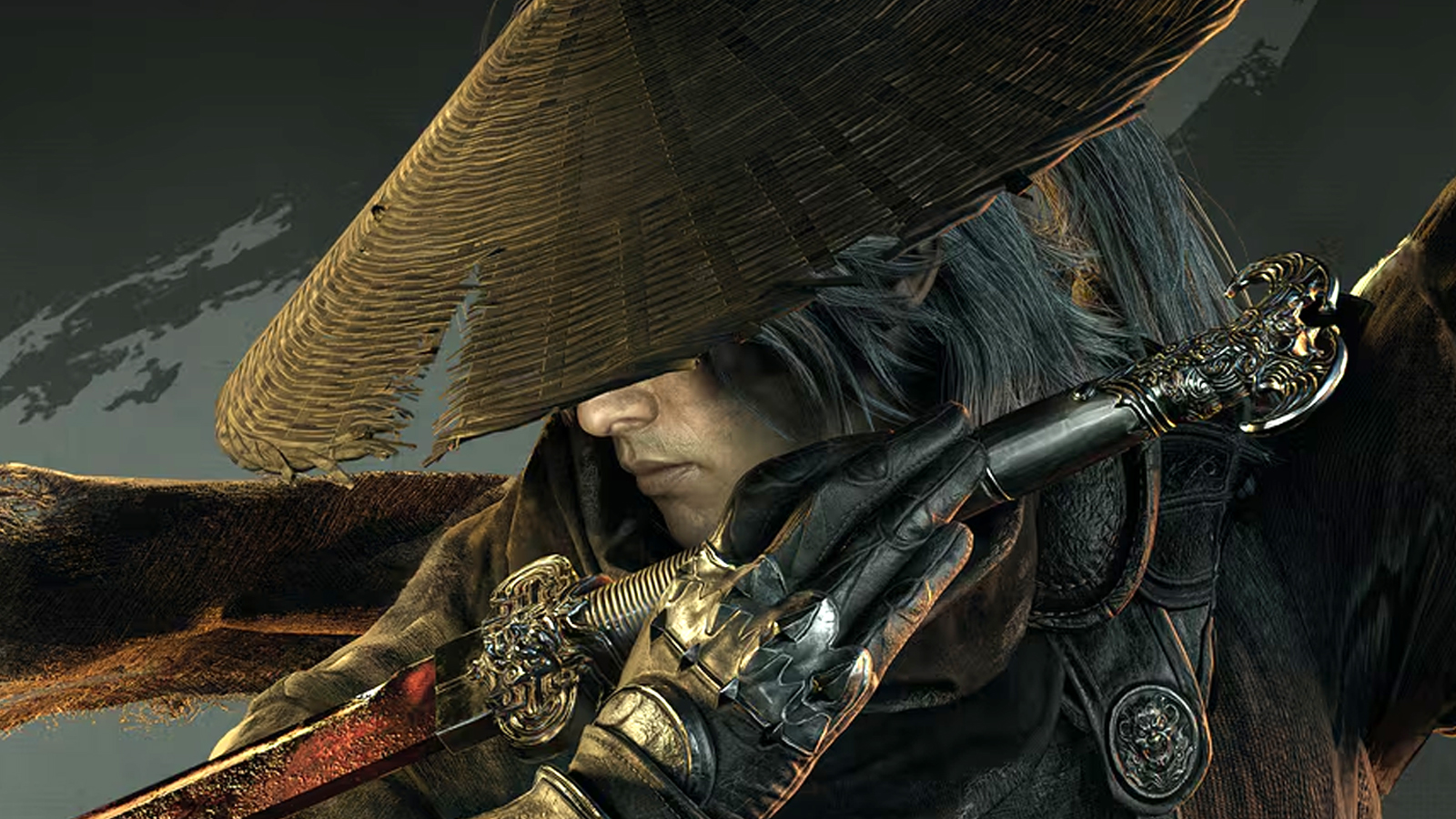
At the heart of Phantom Blade Zero is the protagonist, Soul, an elite assassin serving the mysterious Order. Following a pivotal duel that leaves him with a mere 66 days to live, Soul is thrust into a journey of vengeance and discovery. Unlike many titles that utilize "Metroid-style" progression resets, Soul’s martial prowess evolves throughout the game, rewarding the player with an ever-expanding suite of lethal maneuvers.
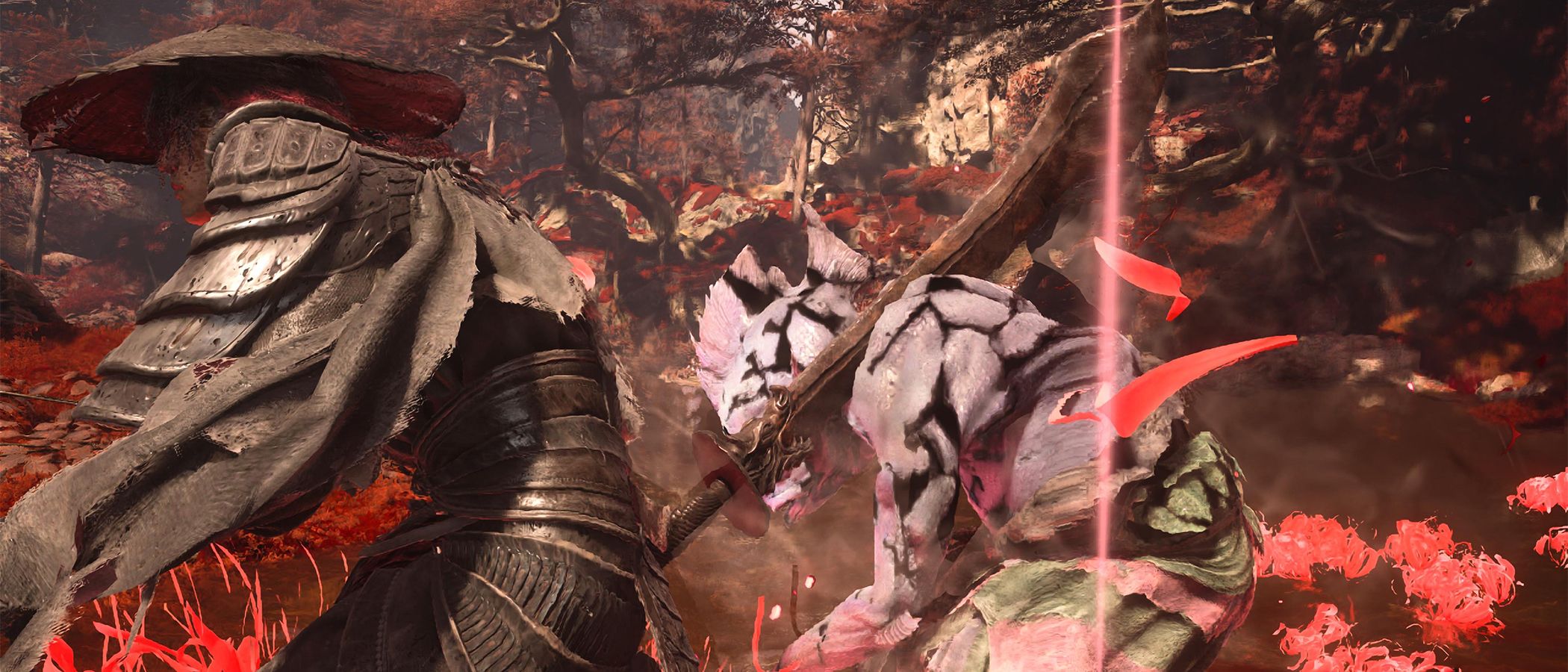
The combat is the game’s undeniable centerpiece. By utilizing professional martial arts motion capture—featuring contributions from Hong Kong legend Donnie Yen and his elite stunt team—the developers have achieved a level of fluidity that makes every strike feel intentional and impactful. The game utilizes a "Sha-Chi" energy system, which functions as a stamina gauge for heavy combos and defensive guarding, but also serves as the thematic backbone for the world’s technology, powering both mechanical contraptions and physical techniques.
With over 50 distinct weapons to acquire, ranging from the bleed-inducing Jagged Steel to the weighty, crowd-controlling Scarlet Wraithblade, the game encourages a high-speed, reactive playstyle. The ability to swap weapons mid-combat to refresh the Sha-Chi gauge adds a layer of tactical depth, forcing players to manage their resources while maintaining an unrelenting offensive rhythm.
Chronology of Development and Design Evolution
The lineage of Phantom Blade Zero is deeply rooted in S-Game’s history. Soulframe Liang’s original Rainblood vision has matured over 15 years, evolving from a pixelated indie project into a massive Unreal Engine 5 production.
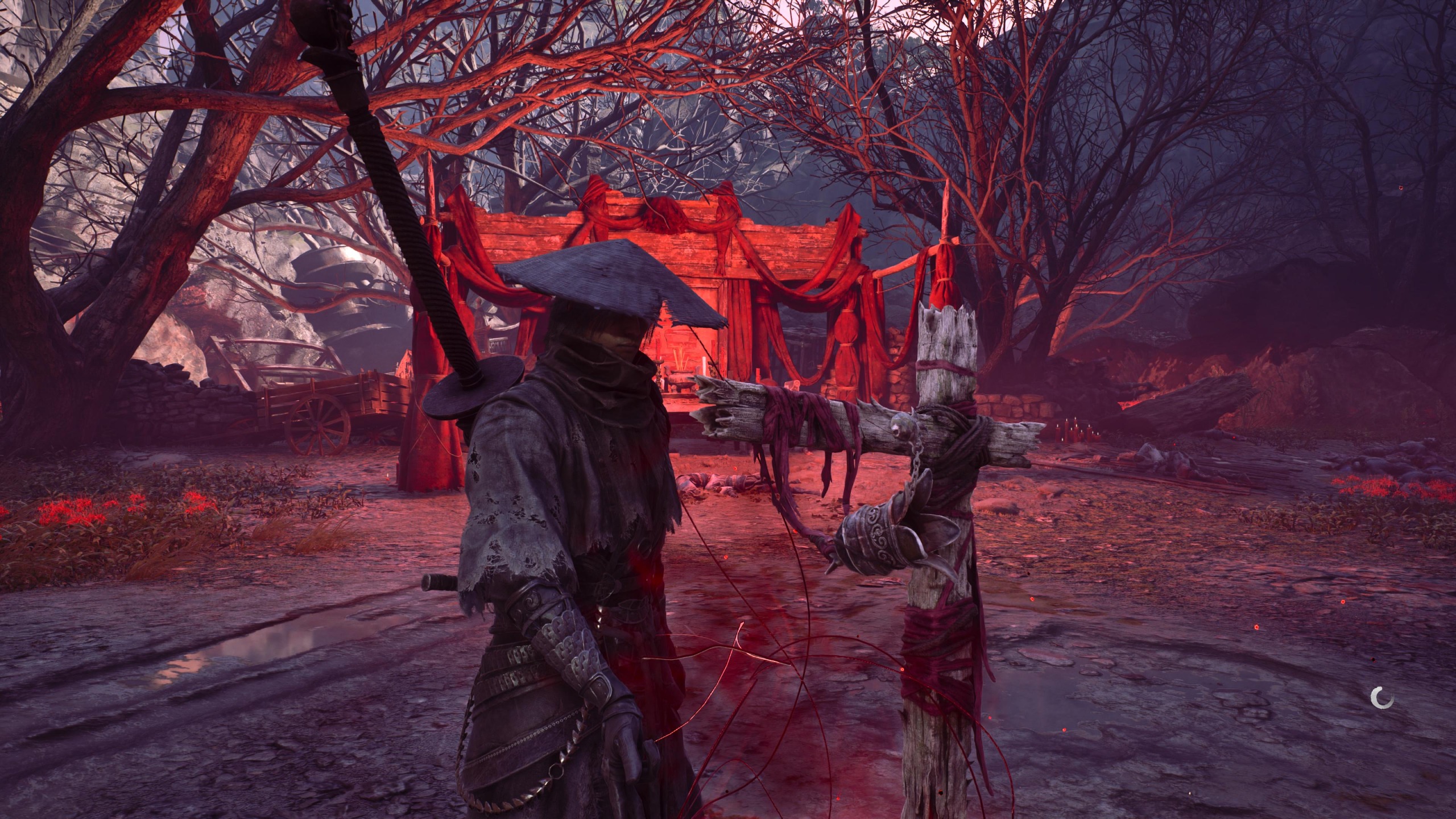
The studio’s decision to move away from the saturated "Soulslike" formula is evident in their design philosophy. While the game shares the atmospheric density of the genre, it abandons the punitive nature of corpse-runs and infinite enemy respawns at checkpoints. Instead, it leans into a more cinematic, momentum-based experience. However, the transition from an indie narrative roots to a sprawling open-world AAA format has resulted in some friction. The game takes players through varied biomes—from mist-shrouded mountain peaks and dense bamboo forests to the industrial, steel-factory architecture of the "kungfupunk" aesthetic—but these environments often feel disjointed by invisible walls and restrictive traversal mechanics that contrast sharply with the game’s otherwise free-flowing combat.
Supporting Data and Technical Performance
During extensive testing on the PlayStation 5 Pro, the game presented a complex technical profile. While the artistic direction—reminiscent of traditional Chinese ink-wash paintings—is breathtaking, the underlying engine performance remains a point of concern.
Technical Performance Highlights:
- Ray Tracing & Graphics: Even when disabling ray tracing and opting for "Performance Mode," the game struggled to maintain a stable frame rate.
- Audio/Visual Bugs: Reviewers noted significant desynchronization between voice lines and background music, as well as environmental rendering issues, such as reflective surfaces failing to populate correctly.
- Combat Stability: The most severe issue involved frame-rate drops during high-intensity combat sequences. When the screen becomes filled with visual effects during a finishing move, the game often hitches, turning fluid action into a stuttering slideshow.
While S-Game has issued post-launch patches intended to address these stability issues, the initial experience suggests that the title required more rigorous optimization cycles before hitting the market.
The "Soulslike" Dilemma: Boss Fights and Difficulty
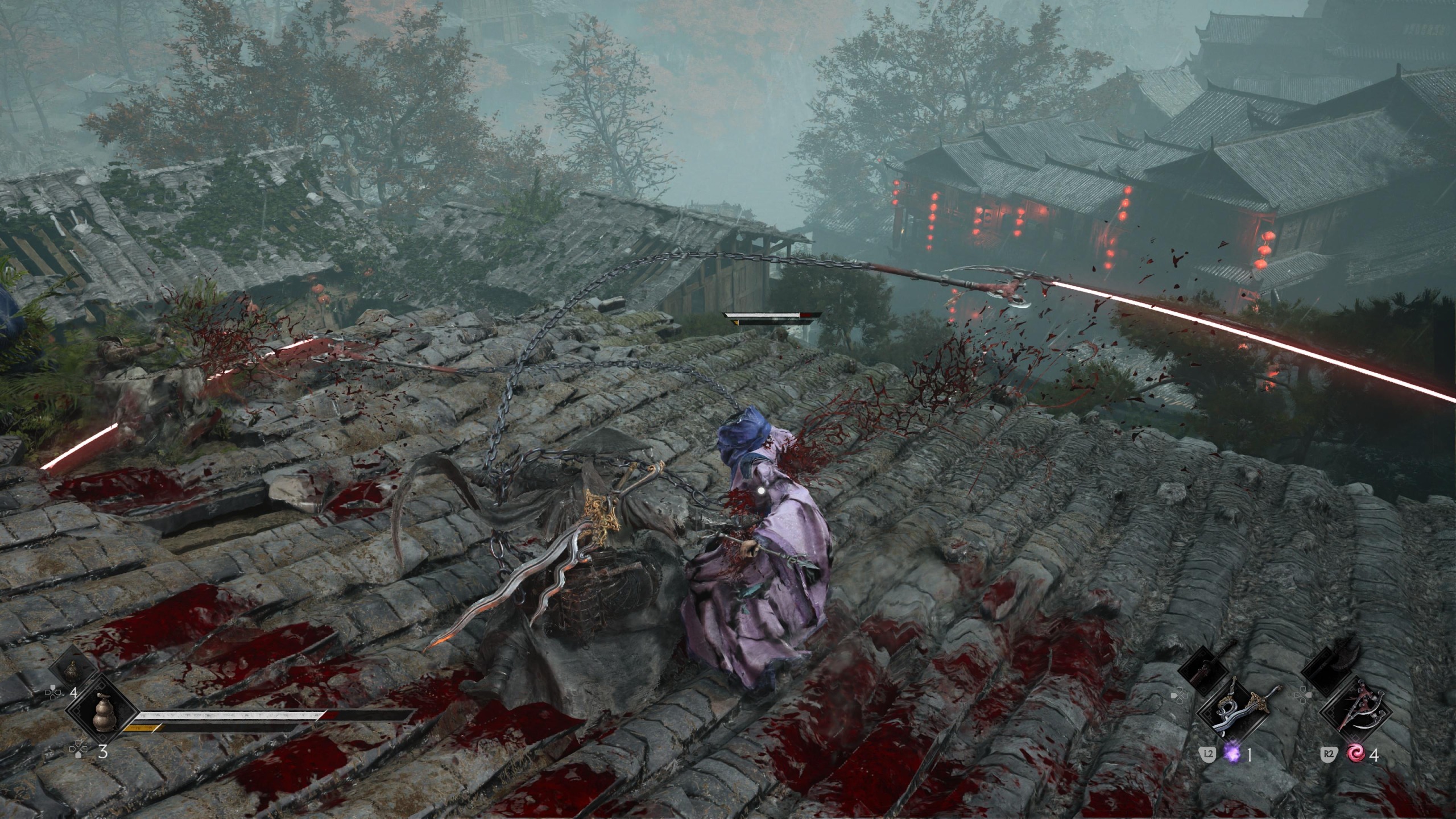
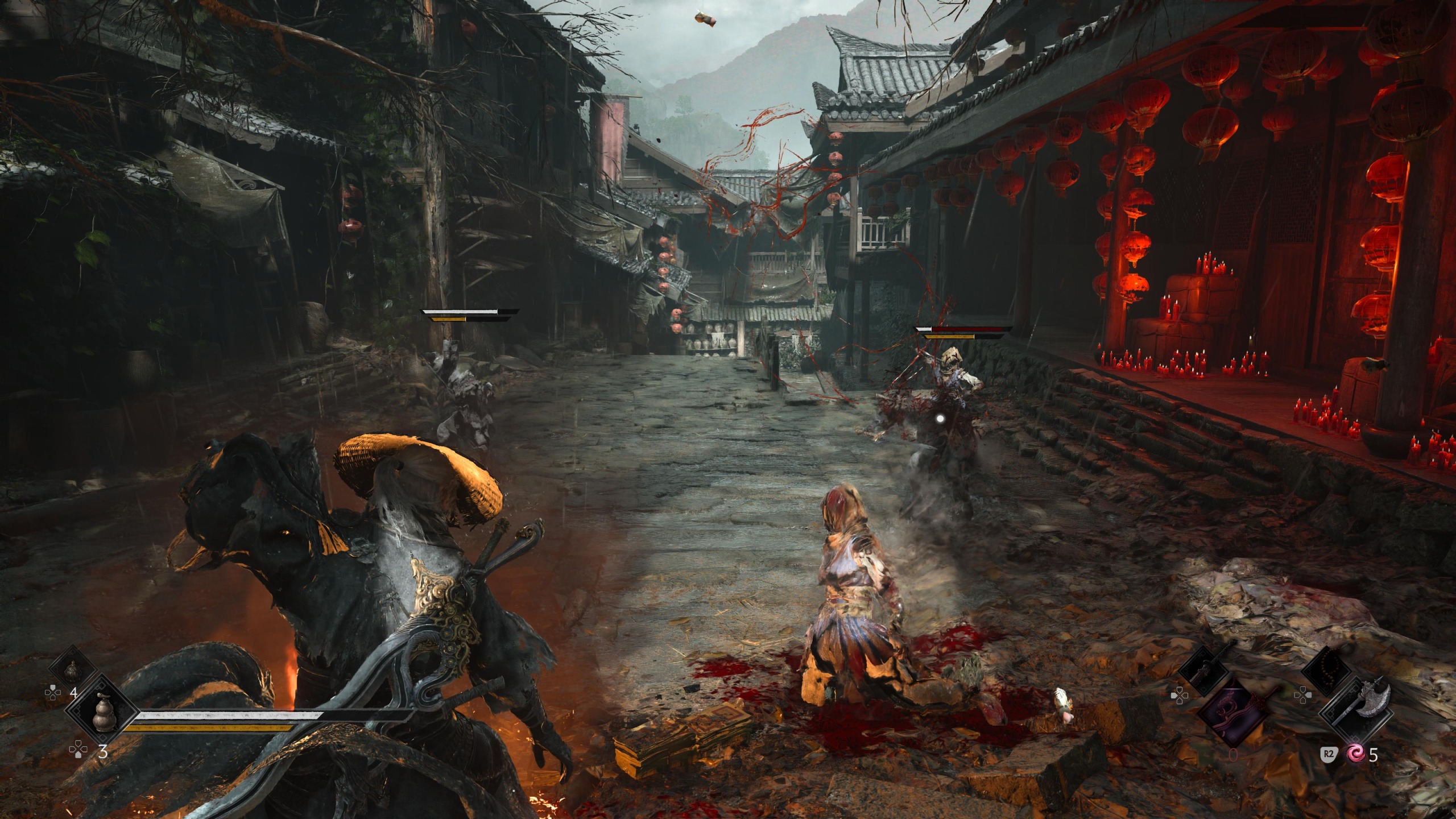
The question of whether Phantom Blade Zero constitutes a "Soulslike" is complicated. While it avoids some of the genre’s more tedious tropes, the boss encounters borrow heavily from the Lords of the Fallen or Dark Souls design philosophy. Bosses are massive, intimidating, and possess health pools that can feel excessively "spongy."
Even when a player successfully breaks a boss’s posture, the subsequent damage windows can feel underwhelming. The impact of heavy attacks against staggered foes often fails to convey the power implied by the visual spectacle, leading to a sense of repetition. Furthermore, the camera—while generally competent—often struggles in tight spaces, leading to awkward framing during climactic finishing moves where the environment obscures the action.
However, there are moments of brilliance. The town of Pangzhen, for example, is a masterclass in level design. It is a labyrinthine, densely packed urban environment that invites exploration, rivals the complexity of Yharnam from Bloodborne, and serves as the backdrop for some of the game’s most rewarding narrative beats.
Implications: A Work in Progress
The release of Phantom Blade Zero serves as a case study for the modern gaming industry’s struggle to balance artistic ambition with technical polish. On one hand, the game offers a unique, vibrant, and culturally rich experience that pushes the boundaries of wuxia storytelling. Its combat system is a triumph of choreography and mechanical design, setting a new benchmark for martial arts-inspired games.
On the other hand, the limitations of the game’s current state—particularly the technical hiccups and the occasional, jarring transition from open-world freedom to restrictive, prompt-based traversal—highlight the challenges of scaling indie-style creativity to AAA expectations.
For players, the implication is clear: Phantom Blade Zero is a title that demands patience. It is a game of immense highs, where the rhythm of the sword-play and the beauty of the "kungfupunk" world create an unparalleled atmosphere. Yet, it is also a game currently defined by its rough edges.
Official Responses and Future Outlook
While S-Game has acknowledged the feedback regarding performance through their patch notes, the reliance on day-one and post-launch updates to "fix" the experience is a growing pain for the studio. The developer’s commitment to post-release support is encouraging, and the depth of the questlines—which offer meaningful, ending-altering choices—suggests a team deeply invested in their narrative craft.
As the game enters the wider market, the success of Phantom Blade Zero will likely depend on whether the studio can stabilize the core engine performance. If the framerate issues are mitigated and the environmental navigation is smoothed out, the game has all the components to become a cult classic. As it stands, it remains a flawed but fascinating experiment that suggests the future of Chinese AAA gaming is bright, even if it is not yet fully polished.
Conclusion
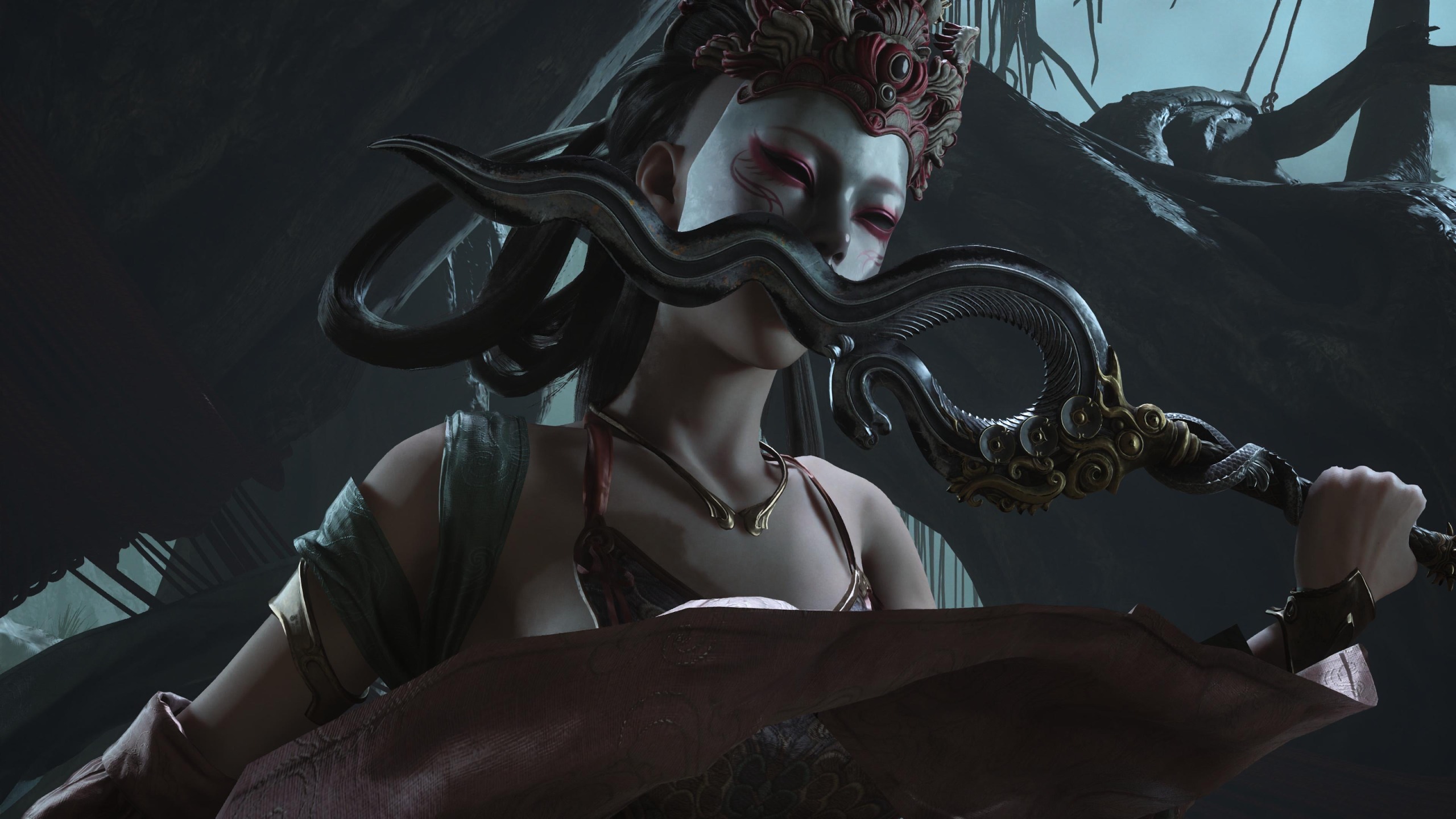
Phantom Blade Zero is a testament to the power of a singular creative vision. It manages to deliver a combat experience that is both deep and visceral, successfully marrying the grace of traditional martial arts with the kinetic energy of punk-influenced technology. For those who can look past the current technical instability and the occasionally restrictive level design, there is a grand, sweeping, and beautiful experience to be found.
However, for the mainstream audience, the game serves as a cautionary tale about the perils of over-ambition in the face of tight development timelines. It is not quite the "grand master" of the genre it aspires to be, but it is certainly a skilled initiate with a promising future. Whether or not it achieves greatness will likely be determined in the months following its launch, as the developers continue to refine the code and iron out the creases in their digital Wulin.


 Evan Lee Salim


 Lina Irawan

 Pevita Pearce
 Suro Senen

 Muslim

 Ammar Sabilarrohman

 Raul Delapena Setiawan
