
 Muslim
By Jeremy Adelman
October 22, 2026
In the corridors of power from Washington to Brasilia, Argentine President Javier Milei is frequently cited as the gold standard for radical market transformation. To his allies, he is the "chainsaw-wielding" visionary who arrested the inflationary death spiral of one of South America’s largest economies. To his critics, however, he is the architect of a social catastrophe, a leader whose geoeconomic utility to the United States masks a deepening domestic vulnerability that threatens to turn Argentina into the weak link of a fragile regional coalition.
As Argentina approaches critical elections in 2027, the "Milei Model"—a blend of aggressive austerity, currency stabilization, and libertarian fervor—faces a reckoning. While the administration points to cooling inflation and international validation as markers of success, the human cost of these policies has reached a level that may soon prove politically unsustainable.
The Main Facts: A Geopolitical Linchpin Under Pressure
Javier Milei’s ascent to the presidency in late 2023 was predicated on a singular, brutal promise: to excise the "cancer" of state spending through the metaphorical use of a chainsaw. Nearly three years into his term, the results are a study in stark contrasts.
On the macroeconomic front, Milei has achieved a level of price stability that seemed impossible during the hyperinflationary years of his predecessors. By drastically slashing fiscal subsidies and devaluing the peso, he has restored a semblance of order to the central bank. This performance has earned him the unwavering support of U.S. President Donald Trump, who views Milei as the cornerstone of a new, right-leaning geoeconomic order in the Western Hemisphere.
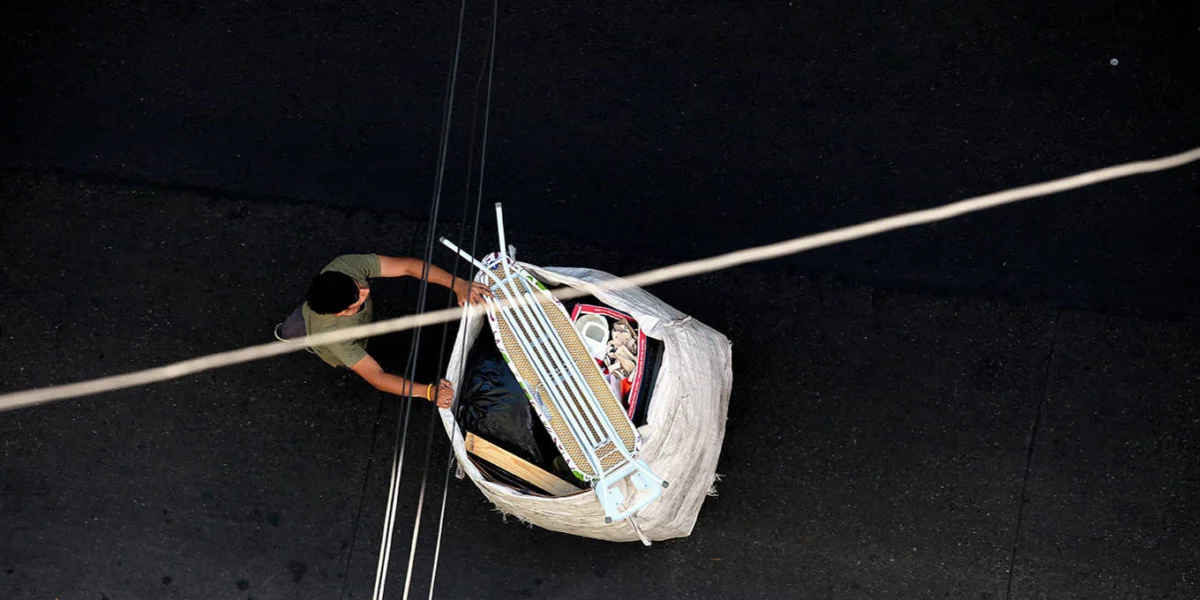
However, this stability has been purchased at a staggering social price. Millions of Argentines have been pushed into destitution, with poverty rates climbing to levels unseen since the 2001 financial collapse. The "Milei Miracle," as it is framed by his supporters, is increasingly perceived by the working class not as a path to prosperity, but as a systematic dismantling of the social contract.
Chronology: From Radical Outsider to Regional Icon
The transformation of Argentina under Milei did not happen in a vacuum. Understanding his trajectory requires a look at the key milestones of his presidency:
- Late 2023: Milei assumes the presidency, immediately launching his "shock therapy" program. He eliminates several government ministries, freezes public works, and begins the systematic deregulation of the economy.
- Early 2024: The "chainsaw" cuts begin to bite. Public sector layoffs and the removal of utility subsidies trigger massive protests in Buenos Aires. Despite the unrest, Milei maintains his rhetoric, branding critics as "caste-members" defending a corrupt status quo.
- Late 2025: Facing a potential economic collapse, the Trump administration intervenes with an unprecedented $20 billion currency swap line. This financial lifeline serves two purposes: it prevents a total collapse of the peso ahead of legislative elections and cements a strategic alliance between Washington and Buenos Aires.
- Mid-2026: Milei’s party secures a surprise victory in legislative elections, a win largely attributed to the relative stabilization of prices made possible by the U.S. swap line.
- October 2026: As the country heads toward the 2027 presidential cycle, the domestic tension between macroeconomic "success" and widespread poverty reaches a fever pitch.
Supporting Data: The Cost of the Chainsaw
The data surrounding Argentina’s current state paints a picture of a nation divided between the financial markets and the street.
Fiscal Consolidation
Milei has successfully achieved a primary fiscal surplus, a feat that has impressed the International Monetary Fund (IMF) and international bondholders. By effectively halting public investment and curbing transfers to provinces, the government has reduced the deficit that fueled years of money printing.
The Social Toll
The flip side of this fiscal discipline is found in the poverty statistics. According to independent indicators, poverty has surged to over 55%. The middle class, once the pride of Argentina, has been hollowed out. Purchasing power for the average worker has plummeted, and the cost of essential goods—despite the cooling of inflation—remains out of reach for a significant segment of the population.
Currency Stabilization
The $20 billion swap line from the U.S. was the "x-factor" that prevented a full-scale currency run. While it provided the necessary breathing room to stabilize the peso, economists note that this is a temporary fix. Without long-term structural investment and a recovery in exports, the debt burden of such interventions will eventually weigh on the next administration, regardless of who wins in 2027.
Official Responses and Political Rhetoric
The Milei administration remains defiant in the face of domestic criticism. Spokespeople for the Casa Rosada consistently argue that the suffering is a "necessary pain" required to cure decades of economic mismanagement.
"We are not here to be popular," a senior administration official stated during a recent press briefing. "We are here to save Argentina from the abyss. The alternative was a Venezuelan-style collapse. The people understand that the sacrifice is the only way to a sustainable future."
Conversely, the opposition has begun to coalesce around the theme of "humanity over metrics." Former political rivals, who were previously fractured, are increasingly finding common ground in the narrative that Milei has sold Argentina’s sovereignty to Washington in exchange for temporary financial bailouts.
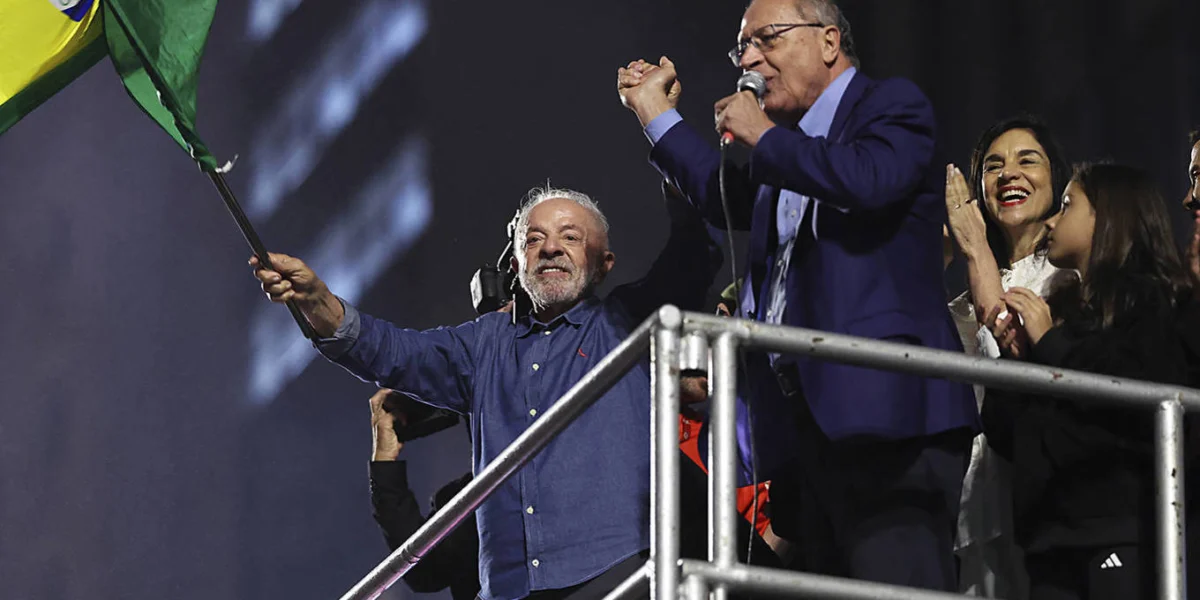
Internationally, the rhetoric is equally polarized. Flavio Bolsonaro, the Brazilian right-wing candidate, has explicitly modeled his platform on Milei’s, suggesting that if elected, he would seek to align Brazil with the Milei-Trump axis. This has created a regional bloc that looks to the U.S. for economic validation, setting up a potential ideological collision course with other Latin American nations that favor more protectionist or state-led economic models.
Implications: The Looming Election and Regional Stability
The implications of Argentina’s current path are profound, both domestically and internationally.
1. The 2027 Election as a Referendum
The upcoming presidential election will be the ultimate test of the "Milei Experiment." If the economic stabilization continues without a commensurate improvement in living standards, the electorate may choose to swing back toward a more populist, state-centric model. If Milei wins, it will likely entrench his libertarian agenda for another four years, potentially leading to permanent shifts in the Argentine state.
2. Geopolitical Alignment
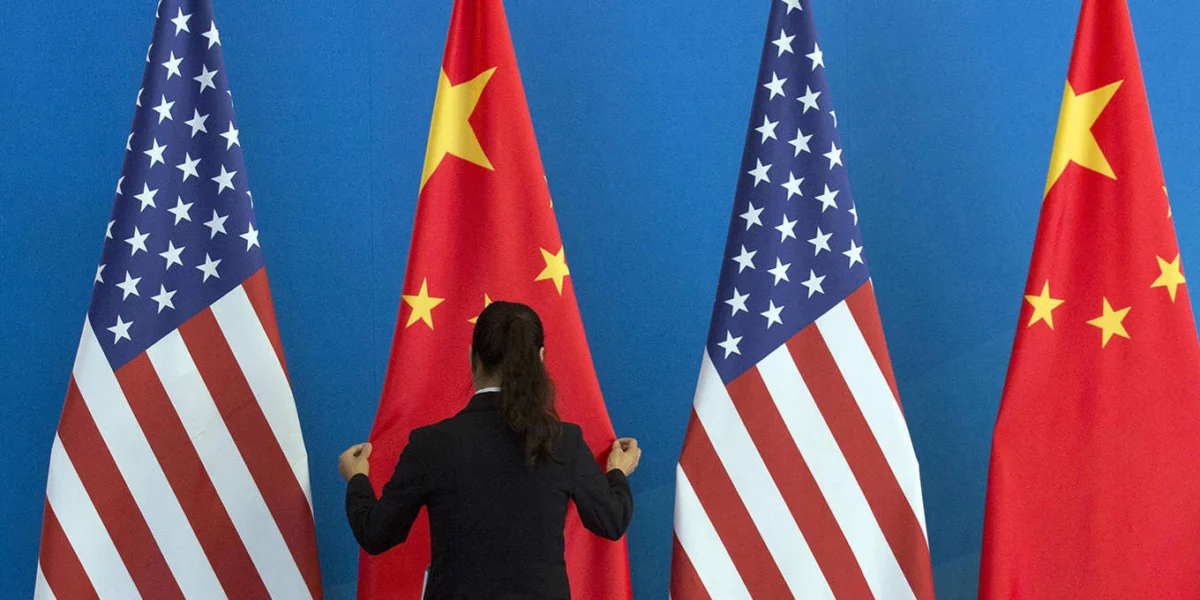
Milei’s Argentina is currently a key pillar of Donald Trump’s Latin American policy. Should Milei falter or lose power, the U.S. risks losing its most significant regional ally at a time when China is aggressively courting trade partnerships across South America. The $20 billion swap line is not just a financial contract; it is a geopolitical bet. If that bet fails, the U.S. will have little leverage left to influence Argentine policy.
3. The Risk of Social Explosion
Perhaps the most immediate concern is the risk of social instability. Historical precedents in Argentina—most notably the 2001 riots—show that when poverty reaches a critical threshold, even the most disciplined economic programs can be upended by civil unrest. Milei’s security policies have been as "aggressive" as his economic ones, but it remains to be seen if he can contain a widespread uprising if the promised prosperity continues to remain elusive.
4. The "Brazil Effect"
If the Milei model succeeds in holding the line, we may see a domino effect of radical right-wing market reforms across the region. If it fails, the "Milei" name will likely become synonymous with the dangers of excessive austerity, potentially triggering a regional backlash against libertarian economic theory for a generation.
Conclusion: A Knife’s Edge
Javier Milei is, in many ways, the quintessential leader of a disillusioned age. He captured the frustration of a nation exhausted by inflation and stagnation. However, by positioning himself as the favorite of Washington and the darling of the global far-right, he has tied his fate to forces beyond his control.
The "chainsaw" has indeed cut through the red tape and the deficit, but in doing so, it may have cut through the very foundation of the society it was meant to save. As the 2027 election nears, the question is no longer whether Milei can balance the books. The question is whether he can keep the country together while doing so. For now, Argentina remains on a knife’s edge, a country caught between the cold logic of the market and the burning reality of its people’s needs.

 Asep Darmawan
 Ali Ikhwan

 Lina Irawan

 Pevita Pearce
 Suro Senen


 Ammar Sabilarrohman
 Raul Delapena Setiawan
