
 Asep Darmawan
By Jeremy Adelman
October 26, 2026
The geopolitical architecture of the Western Hemisphere, once envisioned by Donald Trump as a secure, ideological bastion designed to insulate the United States from the complexities of a globalized world, has suffered a terminal fracture. For years, the administration’s strategy rested on a simple, albeit ambitious, premise: the cultivation of a network of sympathetic “client states” across Latin America that would mirror the president’s populist brand of nationalism, economic protectionism, and mano dura (iron-fist) governance.
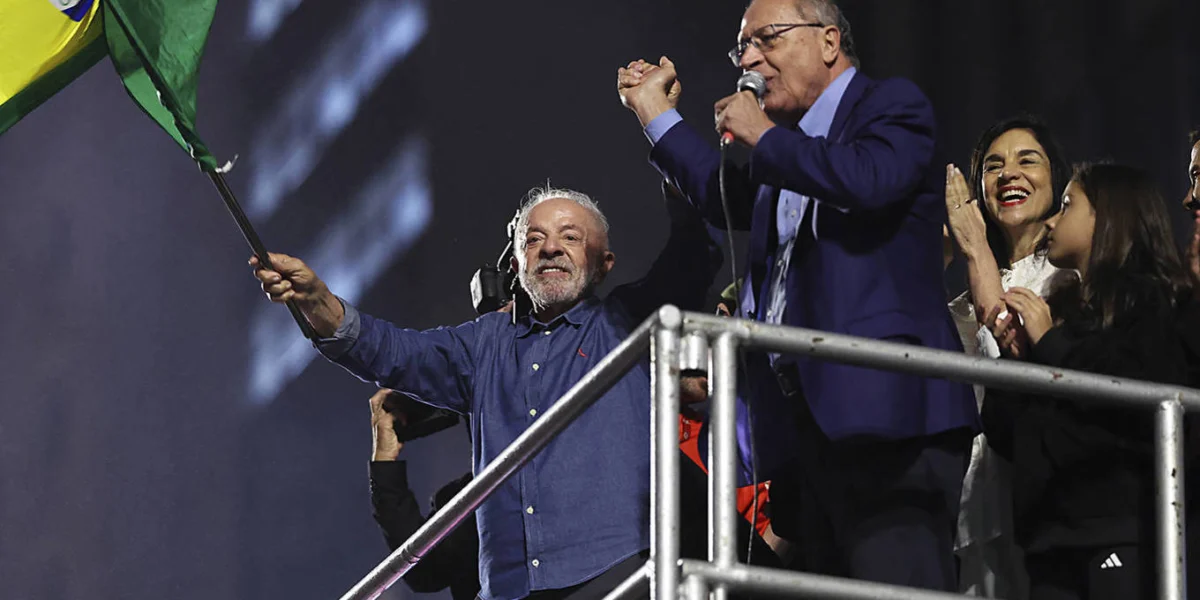
With the electoral defeat of the far-right in Brazil—the continent’s largest economy and a linchpin of this regional realignment—that project has collapsed. The victory of Luiz Inácio Lula da Silva in Rio de Janeiro serves not merely as a local political shift, but as a definitive rejection of a hemispheric order built on transactional loyalty to Washington’s populist core.
The Strategic Failure of the "Fortress America" Doctrine
To understand the current crisis in American regional influence, one must examine the fundamental tenets of the Trump-era strategy. The administration sought to disentangle the United States from its traditional liberal alliances, viewing international cooperation as a zero-sum game. In Latin America, this meant pivoting away from institutional diplomacy and toward a personality-driven coalition.
The goal was to establish a “hemispheric stronghold”—a bloc of nations whose leaders shared Trump’s disdain for multilateralism, climate accords, and traditional democratic norms. By nurturing ties with leaders who prioritized domestic security over international human rights, the administration hoped to create a predictable, controllable sphere of influence. This was designed to serve as a bulwark against the encroachment of extra-regional rivals, specifically China, while providing a captive market for U.S. interests and a unified front on immigration policy.
However, this policy ignored the deep-seated political volatility of Latin America. By betting the regional strategy on a select group of populist allies, Washington left itself vulnerable to the very democratic processes it claimed to support.
Chronology: A Regional Shift in Momentum
The unraveling of this strategy did not occur in a vacuum; it was the culmination of a three-year period of intense regional instability and changing public sentiment.
- Late 2023: Initial consolidation of the “populist bloc.” Washington strengthens ties with regional leaders who mirror the administration’s “America First” rhetoric, emphasizing bilateral trade deals over regional integration.
- Early 2024: Economic instability and post-pandemic inflation begin to erode the popularity of incumbent regimes in the region. The mano dura approach to crime is increasingly criticized as ineffective against organized transnational syndicates.
- Mid-2025: The first cracks appear in the coalition. Economic performance in key client states falters, leading to mass protests and civil unrest. The U.S. remains publicly supportive of these regimes, alienating broad swaths of the regional electorate.
- Spring 2026: The Brazilian election campaign kicks into high gear. It becomes clear that the electorate is weary of the polarization defined by the outgoing administration’s alignment with Washington’s far-right wing.
- October 26, 2026: Luiz Inácio Lula da Silva secures a decisive victory. This outcome is widely interpreted by regional analysts as a “referendum on the status quo,” marking the definitive end of the U.S.-led populist alignment in South America.
Supporting Data: The Erosion of Influence
The failure of the Trump doctrine is not merely anecdotal; it is reflected in key socio-economic metrics. Data from the Regional Economic Monitoring Group indicates that trade integration between the U.S. and its “client states” in South America has actually stagnated since 2024, as the promised bilateral deals failed to materialize or were stifled by protectionist tariffs.
Furthermore, public opinion polling conducted across major Latin American capitals suggests a sharp decline in confidence in U.S. leadership. In Brazil, Argentina, and Colombia, nearly 65% of respondents indicated that they viewed the U.S. regional strategy as “divisive” and “self-serving.”
Perhaps most damning is the shifting security landscape. Despite the administration’s focus on iron-fist policing, homicide rates in the region remained stubbornly high, and the influence of non-state actors—including drug cartels and illegal mining syndicates—expanded in the vacuum left by weakened institutional cooperation. The policy of “huddling with client states” proved to be an ineffective substitute for robust, multilateral engagement on security and economic development.
Official Responses and Diplomatic Fallout
The response to Lula’s victory from Washington has been muted and strained. Official statements from the State Department have emphasized the “importance of democratic transitions,” yet the underlying tension is palpable. Privately, diplomatic cables suggest a scramble to recalibrate a relationship with a government that is fundamentally at odds with the current administration’s vision for the Western Hemisphere.
In Brasília, the mood is one of assertive realignment. Lula’s transition team has signaled a pivot back to regional multilateralism, expressing intent to revitalize the Mercosur trade bloc and re-engage with global climate forums. “We are not looking to be a client of any empire,” a senior advisor to the president-elect stated in an interview yesterday. “We are looking for a return to sovereignty and regional cooperation that benefits our citizens, not the political whims of a foreign power.”
The reaction from other regional capitals has been cautious. Leaders who once hitched their wagons to the Trump-aligned populist trend are now facing the reality of a changing geopolitical tide, with many quietly pivoting toward a more neutral, pragmatic stance to avoid diplomatic isolation in the post-election landscape.
Implications: The Long Road to Reconstruction
The collapse of the Trump Latin America project leaves the U.S. in a precarious position. The “hemispheric stronghold” has proven to be a mirage, and the administration now faces the consequences of years of alienated liberal partners and broken diplomatic bridges.
1. The Power Vacuum
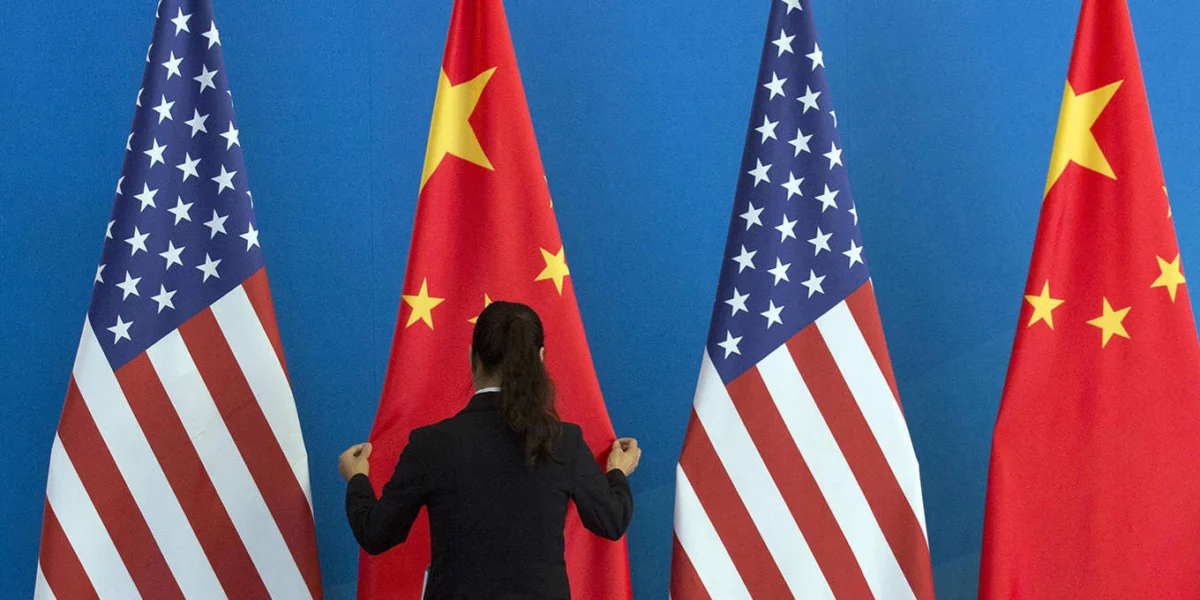
The immediate implication is a vacuum of influence. As the U.S. retreats from its aggressive populist-alignment policy, other global powers—most notably China—are well-positioned to fill the void. Without a coherent strategy for engagement, Washington risks losing its status as the primary partner of choice for Latin American nations seeking investment and infrastructure development.
2. The Resurgence of Multilateralism
Lula’s victory marks a resurgence of a more traditional, multilateral approach to regional governance. The focus will likely shift back to climate action, poverty reduction, and regional trade integration. For the U.S., this requires a complete overhaul of its diplomatic machinery, moving away from transactional, leader-to-leader interactions toward institutional frameworks that can survive changes in domestic leadership.
3. Domestic Political Blowback
In the United States, the failure of this foreign policy will likely become a point of contention in upcoming domestic debates. Critics of the administration will argue that the “Fortress America” approach was never grounded in reality, but was instead an extension of a narrow, populist domestic agenda that sacrificed national interests for the sake of ideology.
4. The Challenge of Reconciliation
Rebuilding trust in the region will be a generational project. The perception that the U.S. attempted to dictate the domestic affairs of sovereign nations through the cultivation of “client states” will not vanish overnight. It will require a sustained commitment to transparency, mutual respect, and a departure from the mano dura obsession that characterized the last few years.
Conclusion
As the sun sets on the era of the populist hemispheric alliance, the lessons are clear. The complexities of Latin American politics cannot be managed through the simple replication of domestic political grievances. The quest for a controllable, ideologically aligned stronghold has left the United States more isolated and less influential in its own backyard.
Lula’s victory is not the cause of this collapse; it is the manifestation of a regional desire for a different, more nuanced, and less subservient relationship with the world. Whether Washington can pivot to meet this new reality—or whether it will continue to retreat into the isolationist shadows of its own design—remains the central question of the coming decade. The "Fortress America" may be crumbling, but in its ruins lies the potential for a more honest, if more challenging, regional partnership.

 Ali Ikhwan

 Asro

 Lina Irawan

 Pevita Pearce
 Suro Senen

 Muslim

 Ammar Sabilarrohman
 Raul Delapena Setiawan
