
 Raul Delapena Setiawan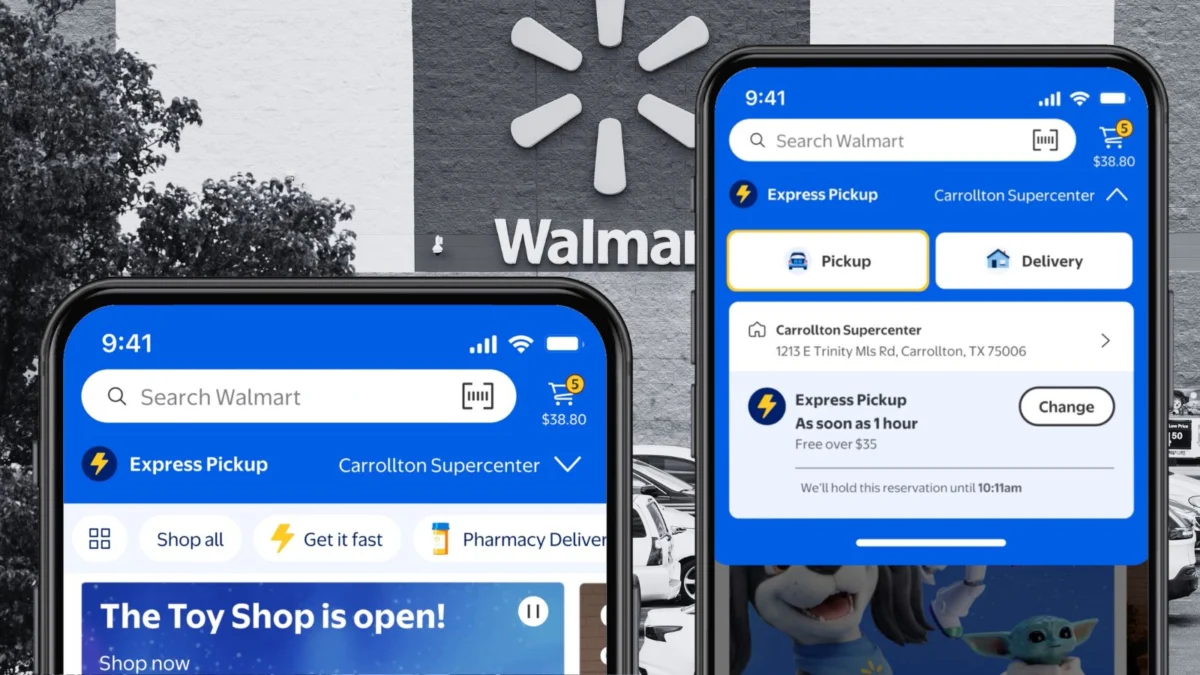
In a strategic maneuver designed to challenge the dominance of Amazon and Target ahead of the critical holiday shopping season, Walmart has announced the rollout of "Express Pickup." This new feature allows customers to reserve and collect items via curbside pickup in as little as one hour. By tapping into its massive infrastructure of 4,600 U.S. stores, the retail giant is attempting to turn its greatest physical asset—proximity to the consumer—into its primary digital competitive advantage.
The launch, currently live in 500 locations with a nationwide expansion planned for the coming weeks, represents a significant escalation in the ongoing "war for convenience." For Walmart+ members, this service will be offered at no additional cost, serving as a powerful incentive to drive subscriptions and lock shoppers into the company’s retail ecosystem.
The Strategic Shift: Why Express Pickup Matters
For years, the retail sector has been obsessed with "last-mile" delivery, with Amazon setting the gold standard for speed. However, as delivery costs mount and consumer patience for waiting wears thin, the "Click-and-Collect" model has emerged as a high-margin, high-efficiency alternative.
Walmart’s decision to launch Express Pickup is not merely a convenience update; it is a defensive and offensive play. By leveraging its vast network of physical stores as local fulfillment hubs, Walmart effectively bypasses the logistical nightmares of traditional e-commerce shipping. When a customer orders for curbside pickup, the "last mile" is completed by the customer themselves, significantly reducing the retailer’s cost of fulfillment while simultaneously driving foot traffic to the store.
The Competitive Landscape
The retail landscape in late 2026 is defined by a battle between Amazon’s digital prowess and Walmart’s physical ubiquity. Target has long leaned on its Shipt integration and store-based fulfillment, but Walmart’s sheer scale—with a store within 10 miles of 90% of the U.S. population—gives it a structural edge that competitors struggle to match. Express Pickup forces Amazon to play on Walmart’s home turf, where the retailer’s supply chain is already optimized for high-volume inventory management.
Chronology of Innovation: A Timeline of Walmart’s Speed Push
Walmart’s journey to the current state of "instant gratification" has been a decade-long evolution of supply chain technology and store modernization.
- 2017–2019: The Foundation. Walmart begins investing heavily in digital integration, transitioning its store associates into personal shoppers to support the early iterations of Online Grocery Pickup.
- 2020: The Pandemic Pivot. Accelerated by COVID-19, Walmart scales curbside pickup nationwide, proving that consumers prefer the safety and speed of non-contact collection.
- 2023: The Subscription Era. Walmart+ is refined as a competitor to Amazon Prime, bundling fuel discounts, streaming perks, and unlimited free delivery.
- May 2026: The 30-Minute Threshold. Walmart introduces 30-minute-or-less delivery in 33 select U.S. markets, signaling an aggressive push into ultra-fast commerce.
- October 2026: The Express Pickup Launch. Walmart officially rolls out Express Pickup in 500 stores, creating a hybrid model that allows for both instant pickup and home delivery options.
Supporting Data: The Power of Proximity
The efficacy of this move is supported by a growing body of retail data suggesting that consumers prioritize speed and reliability over almost every other factor.
The Cost of Convenience
According to recent industry reports, the cost of "last-mile" delivery accounts for as much as 53% of total shipping costs for retailers. By incentivizing Express Pickup, Walmart is essentially shifting that burden while simultaneously increasing the likelihood of "add-on" purchases. When a customer arrives at a Walmart parking lot to collect an order, the potential for impulse buying—whether via a quick trip inside or the visibility of seasonal merchandise—remains high.
Membership Dynamics
Walmart+ subscriptions have seen a steady growth trajectory throughout 2026. Data indicates that members are significantly more likely to engage with the brand’s digital ecosystem than non-members. By making Express Pickup a free perk for these members, Walmart is fostering "habitual shopping," where the convenience of the service becomes a justification for the annual membership fee.
Official Perspectives and Industry Implications
While Walmart has maintained a disciplined corporate message regarding the rollout, industry analysts view this as a pivotal moment for retail media and consumer behavior.

The Internal View
Walmart’s leadership has consistently emphasized "omnichannel" growth. The company’s focus is on ensuring that the digital and physical worlds are indistinguishable. By optimizing store inventory systems to allow for one-hour turnaround, Walmart is essentially transforming every store into a high-speed warehouse.
The Market Response
Retail analysts suggest that this move puts significant pressure on regional grocery chains and smaller retailers who lack the capital to implement such rapid fulfillment systems. If one-hour pickup becomes the standard, the retail market may see a "bifurcation," where only the largest players can afford to compete on speed, potentially leading to further consolidation in the grocery and general merchandise sectors.
Implications for the Future of Retail
The launch of Express Pickup carries profound implications for the future of retail, ranging from labor shifts to real estate strategy.
1. The Transformation of the Retail Associate
The role of the store associate has fundamentally shifted. They are no longer just cashiers or shelf-stockers; they are now part of a sophisticated logistics network. As Express Pickup grows, Walmart will likely continue to invest in proprietary technology—such as AI-driven inventory tracking and automated picking—to ensure that store staff can meet the one-hour deadline without disrupting the in-store shopping experience for traditional customers.
2. Retail Media and Data Monetization
The rise of retail media networks is one of the most significant trends in commerce. By increasing the frequency of digital interactions (ordering online, picking up in-store), Walmart gathers vast amounts of proprietary data on consumer habits. This data is invaluable for advertisers, allowing Walmart to charge premium rates for ad placements within its app. Express Pickup is not just a delivery service; it is a data-collection engine.
3. Sustainability and the Urban Density Challenge
While curbside pickup reduces the need for thousands of delivery vans to circulate, it does concentrate traffic in parking lots. As Walmart expands this feature, they will need to grapple with traffic management and the carbon footprint of high-frequency consumer trips. However, in the short term, the convenience factor is expected to outweigh these concerns for the average consumer.
4. The Holiday Season Test
The real-world test for Express Pickup will arrive in late November and December. As the holiday rush peaks, the ability to secure gifts in one hour will become a powerful marketing tool for procrastinating shoppers. If Walmart can execute this at scale without inventory errors or long wait times, they could effectively capture market share that would have otherwise gone to Amazon’s one-day shipping or Target’s Drive Up service.
Conclusion: A New Baseline for Retail
Walmart’s expansion of Express Pickup is a clear signal that the retailer is no longer content to simply "compete" with digital-first giants—it is actively seeking to redefine the speed of commerce. By leveraging its 4,600 stores as a competitive moat, Walmart is creating a frictionless bridge between the digital cart and the physical product.
For the consumer, the benefits are clear: the ability to acquire goods instantly without navigating store aisles. For the competition, the message is equally clear: the physical store is not a legacy burden—it is the ultimate weapon in the future of retail. As we head into the 2026 holiday season, the speed of pickup will be the primary battleground, and Walmart is betting that it has the infrastructure to win.
Mitchell Parton is ADWEEK’s senior commerce reporter, covering retail media as well as the rise of agentic and social commerce. Before joining ADWEEK in 2026, he was a reporter at Digiday Media’s Modern Retail and before that wrote for several regional publications in Texas.


 Suro Senen

 Laily UPN
 Iffa Jayyana
 Rifan Muazin
 Lina Hope
 Lina Irawan