
 Evan Lee Salim
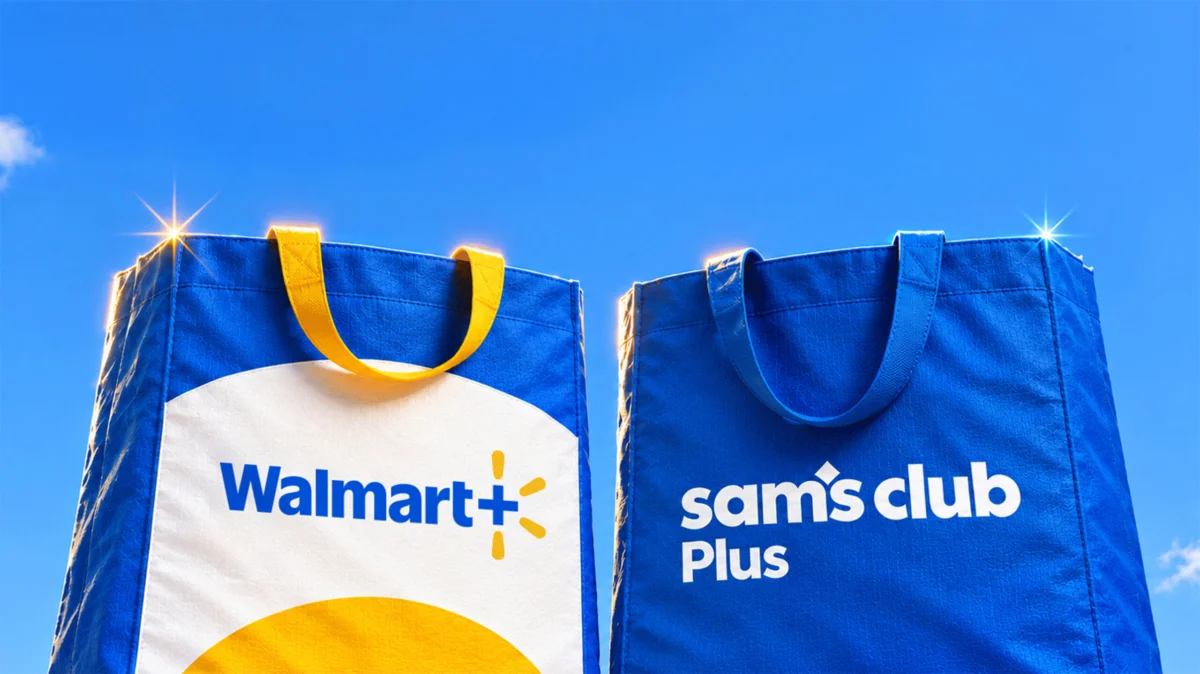
In an aggressive maneuver to solidify its dominance in the North American retail landscape, Walmart Inc. has announced the launch of a comprehensive membership bundle that merges its two flagship subscription services: Walmart+ and Sam’s Club Plus. By offering these combined services for a flat annual fee of $120, the retail titan is placing a significant bet on consumer behavior, banking on the premise that shoppers are increasingly seeking consolidated value in an era of persistent inflation and fragmented subscription fatigue.
This move marks a pivot in how the world’s largest retailer approaches customer retention, effectively forcing a convergence between its general-merchandise online powerhouse and its wholesale club division. As Walmart continues to leverage its position as the No. 2 retailer in Digital Commerce 360’s Top 1000 Database, this bundle represents a sophisticated attempt to increase the "share of wallet" from its most loyal customers.
The Mechanics of the Bundle: Breaking Down the Value Proposition
The new $120 annual fee is designed to be highly competitive, promising a total savings of nearly $100 compared to purchasing the memberships individually. For the average consumer, this value proposition is clear, yet the internal economics vary depending on the subscriber’s current status.
For existing Walmart+ members currently on the retailer’s annual plan, upgrading to the combined bundle necessitates an additional $22 investment per year. For Sam’s Club Plus members, the transition is even more frictionless: they can integrate Walmart+ into their existing subscription at no additional cost. For those who are not currently Plus members at Sam’s Club, the cost to access the full suite of both programs is $60 annually above the standard Sam’s Club membership.
A Comprehensive Suite of Perks
The bundled offering brings together a staggering 26 individual perks, ranging from digital streaming access to tangible savings on daily expenses. Among the highlights are:
- Streaming Access: Subscribers gain access to premium streaming content via either Peacock or Paramount+.
- Fuel Savings: A consistent 10-cent-per-gallon discount at over 17,000 participating fuel stations nationwide.
- Integrated Convenience: The union of free delivery from Walmart stores and the specialized wholesale bulk savings found at Sam’s Club.
These benefits are strategically curated to address the primary "pain points" of the modern consumer: the cost of fuel, the rising expense of digital entertainment, and the logistical burden of grocery and household shopping.
Chronology: The Evolution of Walmart’s Membership Ecosystem
To understand the significance of this bundle, one must look at the historical trajectory of Walmart’s digital transformation.
Phase 1: The Launch of Walmart+ (2020)
Launched in the height of the pandemic, Walmart+ was initially conceived as a direct challenger to Amazon Prime. Its primary value proposition was free, same-day delivery on groceries and general merchandise. At the time, analysts viewed it as a reactive measure to Amazon’s massive logistics advantage.
Phase 2: Expanding the Ecosystem (2022–2023)
Walmart began aggressively layering in third-party benefits to increase the perceived value of the subscription. Partnerships with streaming services like Paramount+ transformed Walmart+ from a mere logistics tool into a lifestyle platform. During this period, the retailer also focused on its AI-driven personalization, moving from 37th in Digital Commerce 360’s AI Commerce Rankings to a more dominant position by integrating advanced machine learning to predict consumer shopping habits.
Phase 3: The Wholesale Integration (2024)
The inclusion of Burger King discounts and Weight Watchers (WW) options into the membership fold signaled a shift toward health and wellness, as well as fast-casual dining. This period established the groundwork for the current bundle, proving that members were willing to engage with a diverse array of partner brands.
Phase 4: The Unified Bundle (2025–Present)
The introduction of the combined Walmart+ and Sam’s Club Plus membership marks the maturity of the retailer’s loyalty strategy. By bridging the gap between the mass-market convenience of Walmart and the bulk-buy economy of Sam’s Club, the company is effectively creating a "closed-loop" retail ecosystem.
Supporting Data and Market Positioning
Walmart’s ascent in the digital space is well-documented. As a perennial leader in the Top 1000 Database, the company has utilized its massive physical footprint—over 4,700 stores in the U.S. alone—as a competitive moat. Unlike pure-play e-commerce competitors, Walmart’s ability to turn its stores into fulfillment hubs has proven to be a decisive advantage.
The company’s investment in AI is equally noteworthy. By placing 37th in the AI Commerce Rankings, Walmart has demonstrated a commitment to using data to refine its membership offers. Predictive analytics allow the retailer to tailor perks to specific demographics—for instance, offering fuel discounts to commuters and streaming content to families.
Furthermore, the retail landscape is currently defined by a "membership war." Amazon Prime, with its estimated 170+ million members, remains the gold standard. However, the rise of Target Circle 360 and other loyalty programs has pressured Walmart to provide more than just free shipping. The bundle is a direct response to this competitive environment, offering a multi-faceted value proposition that targets the household budget from every angle.
Official Responses and Corporate Strategy
John Furner, President and CEO of Walmart U.S., has been the primary architect of this strategy. In a recent statement, Furner emphasized that the goal is not merely to sell subscriptions, but to enhance the daily lives of the consumer.
"We’re giving people a reason to expect more from their memberships," Furner stated. "For $120 a year, we’re raising expectations for what a membership can deliver: more money in their pockets and more time to call their own."
This rhetoric underscores a shift in corporate tone. Walmart is moving away from the "lowest price" messaging—which remains a pillar of its brand—and toward a "value-added" narrative. The company is positioning itself as an essential partner in the household’s financial and temporal management, rather than just a store where they purchase goods.
Implications: The Future of Retail Loyalty
The implications of this bundle are far-reaching for both the industry and the consumer.
For the Competition
Competitors such as Amazon, Costco, and Target are likely to feel the pressure. Amazon Prime, while robust, lacks the physical wholesale club integration that Sam’s Club provides. Conversely, Costco has historically relied on its membership-only model without the complex tiering and digital perks that Walmart is now deploying. Walmart’s move forces these competitors to reconsider their own value propositions. Will they move toward consolidation, or will they double down on niche, high-end services?
For the Consumer
The consumer is the clear winner in the short term. The ability to consolidate streaming, fuel, and grocery expenses under a single $120 annual fee is a deflationary move in a high-cost environment. However, there is a risk of "subscription lock-in," where consumers become so entrenched in the Walmart ecosystem that they stop cross-shopping, potentially limiting market competition in the long run.
For the Retail Industry
This bundle signals the end of the "siloed" retail experience. Moving forward, retailers will be judged by the breadth of their ecosystem. A store that only sells products is becoming a relic of the past; the future of retail is a service-based platform that manages the consumer’s lifestyle.
Conclusion: A Bold Bet on Loyalty
Walmart’s decision to bundle Walmart+ and Sam’s Club Plus is more than a promotional tactic; it is a strategic alignment of its two most powerful assets. By simplifying the consumer experience while simultaneously increasing the number of touchpoints, Walmart is building a high-barrier-to-entry ecosystem that will be difficult for competitors to replicate.
As the company continues to climb the ranks in AI commerce and e-commerce efficiency, the membership bundle will likely serve as the primary engine for future growth. The challenge for Walmart, however, will be maintaining the quality of these benefits as the subscriber base grows. If they can continue to provide tangible value while keeping costs manageable, the $120 bundle could become the new standard for the American household—a one-stop shop for modern living.
For those watching the retail industry, the message is clear: the era of the singular store visit is over. We have entered the era of the integrated subscription, and Walmart, through its latest move, has firmly seized the lead.


 Asro

 Muslim

 Ammar Sabilarrohman

 Reynand Wu
 Iffa Jayyana

 Azzam Bilal Chamdy
 Sagoh

 Suro Senen
