
 Ammar Sabilarrohman
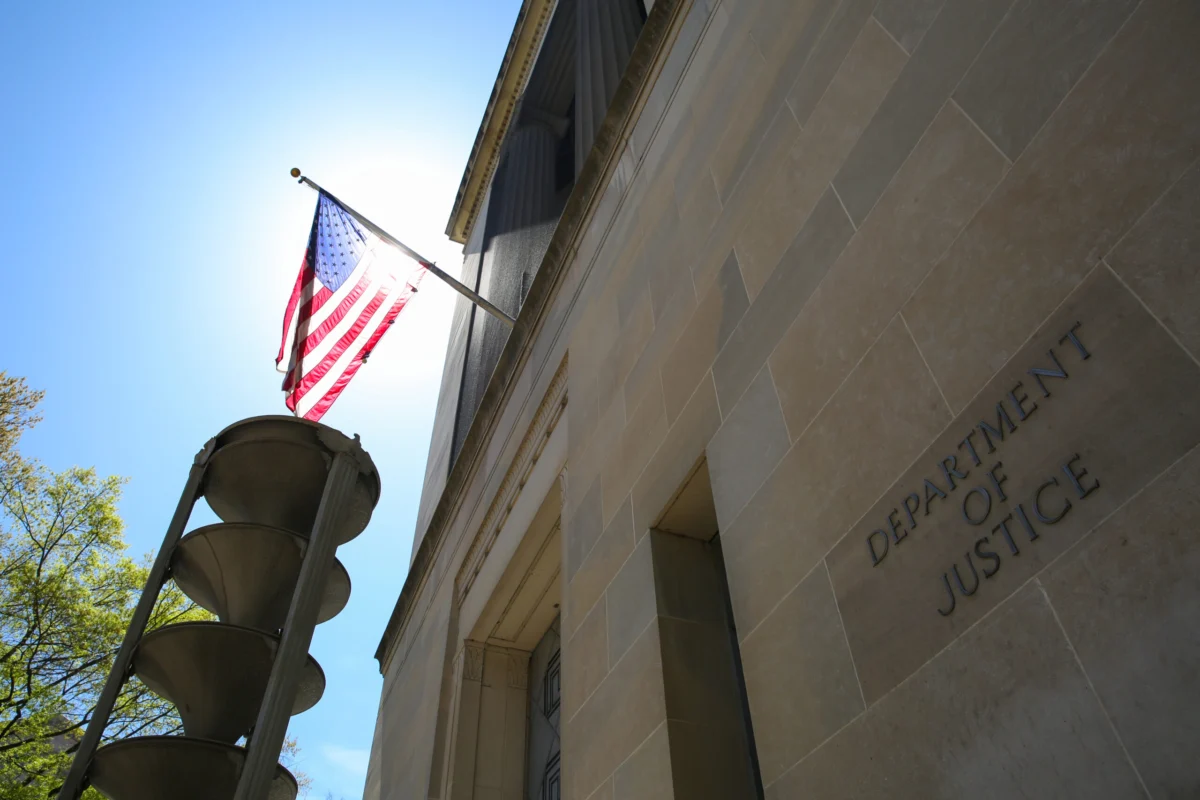
In a move that sends a resounding message to the tech industry regarding the sanctity of digital privacy, the United States Department of Justice (DoJ) has announced a staggering $400 million settlement with TikTok and its parent company, ByteDance. The agreement resolves long-standing allegations that the short-form video giant repeatedly violated the Children’s Online Privacy Protection Act (COPPA), a federal mandate designed to safeguard the data of the youngest internet users.
This settlement marks one of the most significant financial penalties ever levied under COPPA, highlighting a growing friction between rapidly evolving social media platforms and the regulatory frameworks intended to protect minors.
The Core Allegations: A Pattern of Non-Compliance
The litigation, which originated from a 2024 lawsuit, accused TikTok of systemic failures in managing the personal information of children under the age of 13. While TikTok offers a restricted “Kids Mode” for younger users, the DoJ alleged that the platform knowingly allowed children to bypass these restrictions to create standard accounts.
The core of the government’s case centered on four primary failures:
- Unauthorized Data Collection: The platform allegedly collected and retained the personal information of children under 13 without obtaining the required verifiable parental consent.
- Failure to Delete: TikTok was accused of failing to honor requests from parents to delete the accounts and associated data of their underage children.
- Inadequate Moderation: The company allegedly maintained insufficient internal procedures for identifying and purging accounts belonging to children who had circumvented age-gating mechanisms.
- Persistent Violations: Perhaps most damagingly, the DoJ argued that these practices continued even after TikTok had entered into prior agreements promising to tighten its compliance protocols.
A Chronology of Conflict
To understand the gravity of this settlement, one must look at the history of TikTok’s predecessor, Musical.ly, and the subsequent evolution of the regulatory scrutiny surrounding the platform.
2019: The Initial Warning
The regulatory spotlight first intensified in 2019 when Musical.ly—which was acquired by ByteDance and subsequently integrated into the TikTok ecosystem—reached a $5.7 million settlement with the Federal Trade Commission (FTC). That agreement was triggered by similar allegations that the platform had illegally harvested personal data from users under 13. At the time, the settlement was touted as a corrective measure, with the company promising to overhaul its data handling and age verification processes.
2023: The FTC Referral
Despite the promises made in 2019, the FTC remained concerned about the platform’s trajectory. Last year, the Commission referred a fresh investigation to the Department of Justice. The FTC’s referral suggested that the platform had not only failed to fully rectify its previous issues but had also allowed new, systemic vulnerabilities to emerge as its user base exploded globally.
2024: The DoJ Lawsuit
The legal pressure culminated in 2024 when the DoJ formally filed suit, moving beyond administrative settlements into active litigation. The move signaled a shift in how the U.S. government handles privacy breaches, moving from soft-touch enforcement toward more aggressive judicial oversight.
2025: The Settlement Agreement
The current $400 million settlement represents the conclusion of that 2024 litigation. Under the terms of the agreement, TikTok will pay $300 million immediately. An additional $100 million is contingent upon the outcome of a separate legal motion regarding the status of the 2019 consent decree. If a court decides to vacate the original Musical.ly agreement in favor of this new, more comprehensive framework, the final penalty will reach the full $400 million figure.
The Shift in Corporate Policy: Compliance and Accountability
The resolution is not merely a financial transaction; it acknowledges a tangible pivot in TikTok’s internal operations. The Department of Justice explicitly noted that since the onset of the 2024 investigation, TikTok has made significant changes to its corporate structure, data management policies, and legal compliance teams.
These changes include:
- Enhanced Age-Gating: Strengthening the technical barriers that prevent children from registering for standard accounts.
- Data Retention Overhaul: Implementing stricter policies regarding how long personal data is stored and ensuring that user-requested deletions are processed promptly and permanently.
- Parental Oversight Tools: Expanding the capabilities for parents to monitor and restrict their children’s activity, aligning the platform more closely with the expectations set by federal regulators.
Official Responses and the Stance of the Law
The Department of Justice’s rhetoric surrounding this settlement underscores the government’s intensifying focus on child safety in the digital age.
"Companies that collect children’s personal information must comply with the law," stated Assistant Attorney General Brett A. Shumate. "This resolution secures a significant monetary recovery and reflects the Department’s commitment to ensuring children receive the full protections that Congress mandated."
The message is clear: the era of treating privacy compliance as a secondary concern is over. By securing such a substantial sum, the DoJ is setting a precedent that the cost of non-compliance must far outweigh the potential benefits of harvesting user data.
However, the agreement also notes that this is a resolution of allegations. There has been no judicial determination or admission of liability by TikTok or ByteDance. The company has maintained that it is dedicated to creating a safe environment for all users, emphasizing that the settlement reflects its commitment to working with regulators rather than an admission of intentional wrongdoing.
Implications for the Tech Industry
The implications of this $400 million settlement extend far beyond TikTok. This case serves as a bellwether for the entire social media sector.
1. Increased Regulatory Scrutiny
Platforms that operate on a model of user-generated content and algorithmic feed delivery are under the microscope. Regulators are no longer satisfied with "best effort" compliance. They are increasingly demanding technical, verifiable proof that companies are preventing underage access.
2. The High Cost of Recidivism
The fact that this settlement builds upon a 2019 FTC action shows that regulators are particularly intolerant of repeat offenders. Companies that fail to live up to their own previous promises of compliance will face exponentially larger fines. The progression from a $5.7 million penalty to a $400 million penalty demonstrates that the government is willing to scale financial punishments to reflect the size and influence of the platforms involved.
3. Data Privacy as a Board-Level Issue
Privacy can no longer be relegated to the IT or legal department. It is now a critical business risk. With the potential for massive financial, reputational, and operational fallout, companies are being forced to prioritize privacy-by-design at the highest levels of corporate governance.
Looking Ahead: The Future of Children’s Online Privacy
As the digital landscape evolves, the definition of "privacy" is expanding. It is no longer just about preventing unauthorized data access; it is about preventing the psychological and developmental harms that can arise from unrestricted access to adult-oriented content and data-tracking algorithms.
The TikTok settlement is a landmark moment, but it is unlikely to be the final word. As Congress continues to debate updates to COPPA and other privacy legislation, the bar for compliance will likely continue to rise. For TikTok, the focus will now shift to executing the requirements of this settlement and proving that the platform can operate safely within the boundaries of U.S. law.
For the rest of the tech industry, the lesson is stark: the protection of the next generation of digital citizens is not just a moral imperative—it is a legal necessity. Companies that fail to internalize this reality risk not only their bottom line but their continued viability in the U.S. market.
Ultimately, while the $400 million figure makes headlines, the true impact of this case will be measured by the degree to which it compels meaningful change in how tech giants interact with their youngest and most vulnerable users. The mandate from the U.S. government is unambiguous: in the race for engagement, the rights and safety of children are not to be left behind.

 Basiran
 Iffa Jayyana
 Raul Delapena Setiawan
 Reynand Wu
 Sagoh
Sagoh

 Azzam Bilal Chamdy
 Ali Ikhwan