
 Raul Delapena Setiawan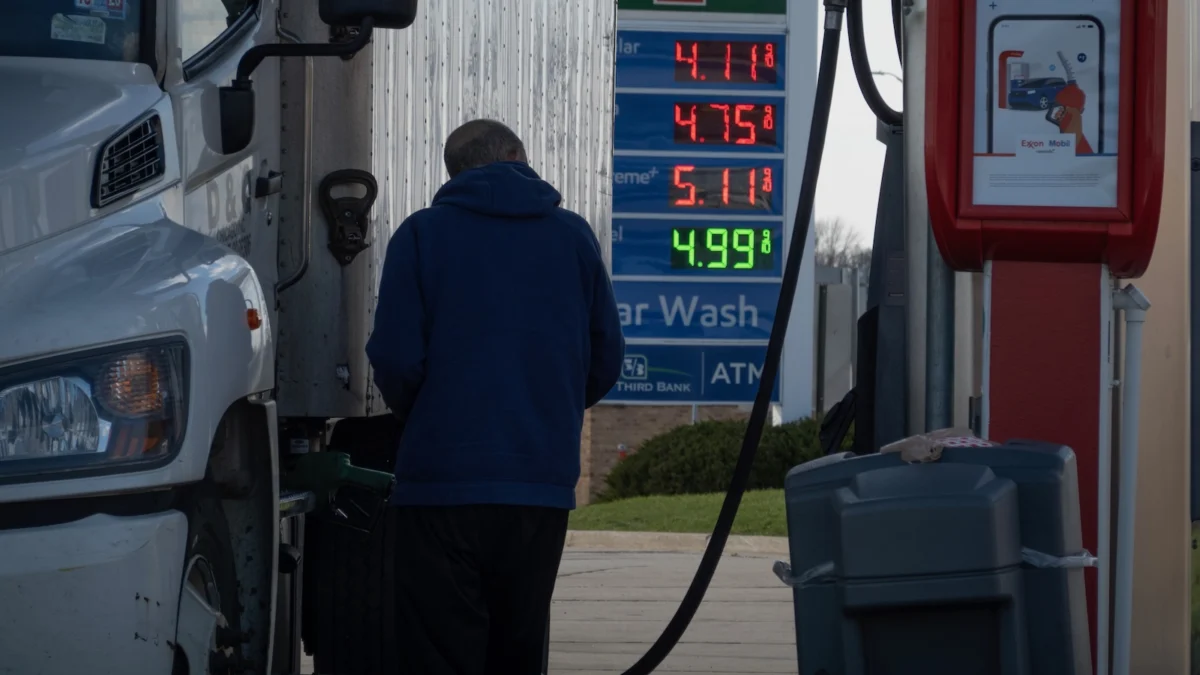
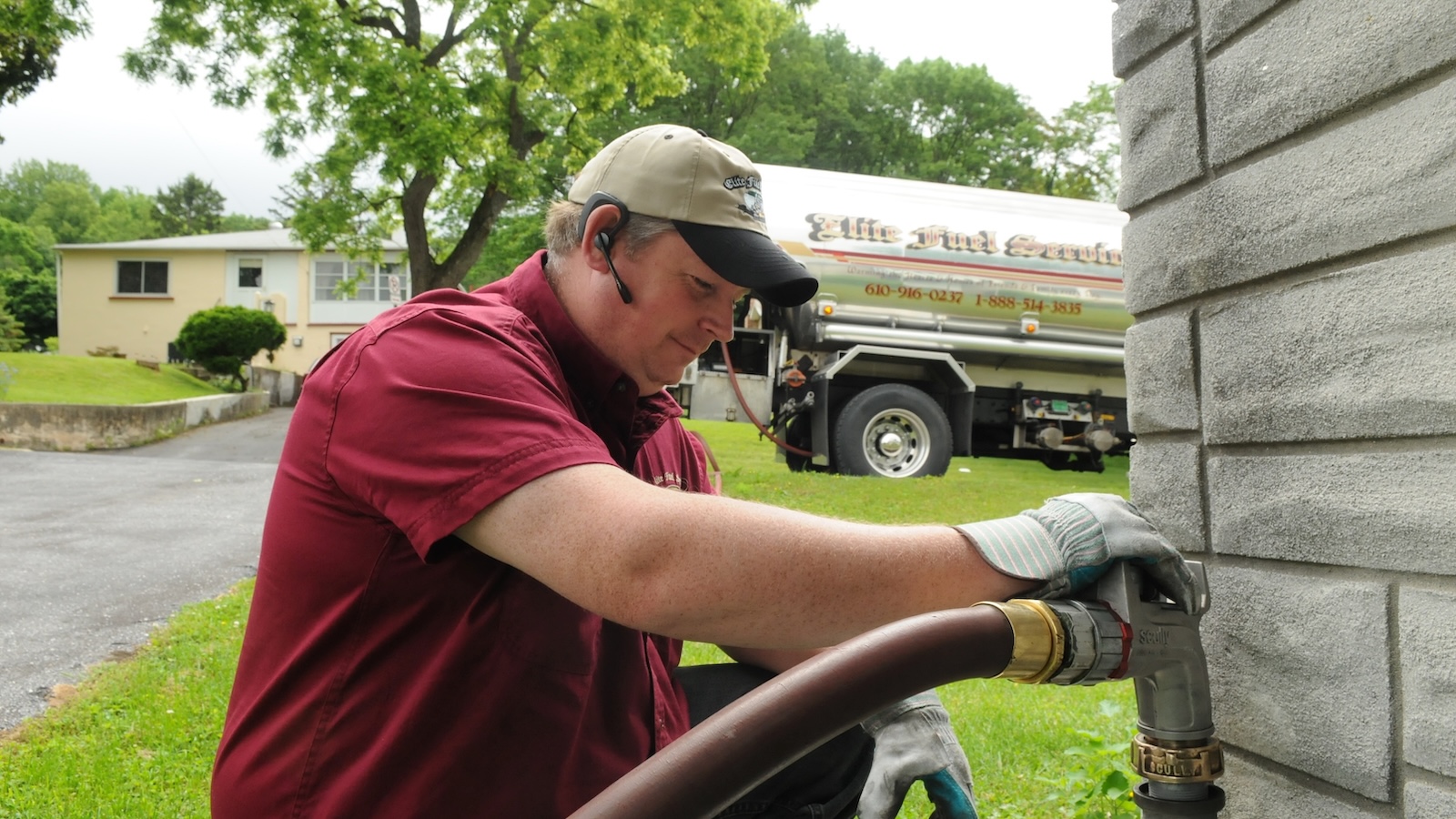
As the vibrant foliage of autumn begins to yield to the stark, biting winds of late November, millions of American households are facing a seasonal transition defined not by the comfort of a hearth, but by the anxiety of the fuel gauge. Across the Northeast, where nearly 82 percent of the nation’s heating-oil-dependent homes are located, the cost of staying warm has entered a period of unprecedented volatility. With prices hovering near $6 per gallon, families who rely on heating oil—essentially a refined form of diesel—are bracing for a winter that threatens to be as financially devastating as it is physically cold.
The Global Drivers of Domestic Pain
The current crisis is not a local anomaly but the direct consequence of a fractured global energy market. The ongoing conflict in the Middle East has created a geopolitical stalemate that has severely curtailed maritime traffic through the Strait of Hormuz. This critical chokepoint, through which roughly 10 percent of the world’s water-borne diesel once flowed, has become a bottleneck for global supply chains.
Compounding this pressure are targeted military operations in Eastern Europe. Strategic Ukrainian strikes on Russian oil refineries—a major source of global diesel exports—have further tightened an already strained market. Because heating oil is chemically synonymous with diesel, the commodity is subject to the same global price discovery mechanisms that dictate the cost of shipping and trucking. When the price of fuel spikes on the global stage, the impact is felt almost instantly in the basements of residential homes from Maine to Massachusetts.
A Chronology of Escalation
The speed at which the situation has deteriorated has caught even veteran energy analysts off guard.
- February 2026: Heating oil prices were holding steady in the mid-$3 range, a level considered manageable for most households, though still a significant line item in family budgets.
- Late Summer 2026: As geopolitical tensions in the Middle East flared into open conflict, market observers noted a sharp uptick in diesel futures.
- Early September 2026: The National Energy Assistance Directors Association (NEADA) issued an initial forecast suggesting a moderate increase in heating costs.
- Late September 2026: Within weeks of their initial report, NEADA was forced to revise its projections upward. Mark Wolfe, the organization’s executive director, noted that the speed of the price volatility was "scary," characterizing the surge as an inevitable cost of the broader geopolitical instability.
- Mid-October 2026: Massachusetts Governor Maura Healey declared a state of emergency, a formal recognition that the crisis had surpassed the ability of standard market mechanisms to protect the most vulnerable residents.
Supporting Data: The Burden on the American Household
The mathematical reality of this winter is sobering. According to NEADA, the average cost of warming a home with heating oil is projected to climb by 50 percent compared to previous seasons. In aggregate, this represents a $3.8 billion increase in total energy expenditures across the Northeast.
The impact is unevenly distributed, with the coldest states bearing the brunt of the burden. In states like Vermont and Maine, where insulation standards and climate conditions demand higher fuel consumption, analysts are bracing for potential price hikes of up to 76 percent. For a family on a fixed income, an increase of nearly $900 per household is not merely a budget adjustment; it is a fundamental threat to household solvency.
The ripple effect is already being felt in the housing and social services sectors. Because existing federal assistance programs were budgeted before the current price surge, the purchasing power of that aid has effectively been slashed in half. Where a grant might have covered two or three full oil deliveries last year, it may now only cover one, leaving families in a precarious position by mid-January.
Official Responses and Political Friction
The political response to the crisis has been characterized by a tense standoff between the legislative and executive branches. The Low Income Home Energy Assistance Program (LIHEAP), the primary federal safety net for energy costs, has become a focal point of partisan debate.
Historically, the administration of President Donald Trump has viewed LIHEAP as a target for elimination, citing fiscal austerity as a priority. While the program has survived previous attempts at defunding, advocates point to a pattern of bureaucratic inertia. Last spring, the administration faced criticism for withholding federal payments, leading to a bipartisan outcry.
A group of 31 senators, led by a bipartisan coalition, addressed a formal letter to Secretary of Health and Human Services Robert F. Kennedy Jr., urging the immediate release of the roughly $4 billion currently allocated to the program. "Given the extraordinary pressure consumers will face this winter," the senators wrote, "we ask that you make this distribution well before the [November 1] deadline."
In response, the Department of Health and Human Services (HHS) maintained that they are meeting their obligations. "HHS has staff and capacity to distribute these funds in a timely manner," the agency stated in an email to reporters. However, many legislators remain unconvinced that current funding levels are sufficient, with a new House bill seeking to inject an additional $1 billion into the program. Whether this legislation can clear the hurdle of pre-midterm politics remains an open question.
The Public Health Crisis and Individual Desperation
Beyond the spreadsheets and legislative debates lies a burgeoning public health crisis. Mark Wolfe of NEADA warns that many low-income families are being forced into "heat-or-eat" scenarios, where the choice is between filling an oil tank and purchasing food or essential medications.
The anecdotal evidence from community forums and social media mirrors the grim statistics. On platforms like Reddit, residents describe a sense of helplessness. "I just had my boiler cleaned for the season, and honestly, I’m terrified of the oil bill," one user wrote. Another expressed a sentiment shared by many: "I have no plan, and I’m all out of ideas."
The lack of viable alternatives only compounds the fear. While natural gas remains cheaper, the cost of replacing an oil furnace with a gas-fired system is prohibitive, often costing thousands of dollars with a multi-year payback period. Electric space heaters, while accessible, are notoriously inefficient and carry their own risks, including fire hazards and electrical grid strain.
Strategic Mitigations and Future Outlook
As the winter sets in, states are attempting to fill the gap left by federal inaction. Massachusetts’ state of emergency declaration is the most aggressive move to date, activating anti-price gouging laws and expanding aid to 50,000 middle-class families who were previously ineligible for support.
For homeowners, the focus has shifted to "weatherization"—the process of sealing windows, adding insulation, and performing preventative maintenance. Federal programs exist to subsidize these efforts, but experts note that these are long-term solutions for an immediate, short-term emergency.
While the El Niño weather pattern offers a glimmer of hope for a milder-than-average winter in the Northeast, meteorology is an unreliable hedge against market volatility. For now, the millions of Americans who rely on heating oil are caught in a waiting game. They are watching the global oil markets with a renewed sense of urgency, waiting to see if their local dealers will offer price-locking contracts—a rarity in such an uncertain market—or if they will be forced to pay the spot price on the day their tank runs dry.
In the final analysis, the winter of 2026 stands as a stark reminder of the intersection between international conflict and domestic survival. As households across the Northeast tighten their belts and turn down their thermostats, the crisis serves as a grim indicator of how fragile the domestic energy safety net truly is when the gears of global supply are ground to a halt by the frictions of war.

 Laily UPN
 Dwi Wanna

 Jia Lissa
 Neng Nana
 Iffa Jayyana
 Evan Lee Salim
 Rifan Muazin