
 Nila Kartika Wati
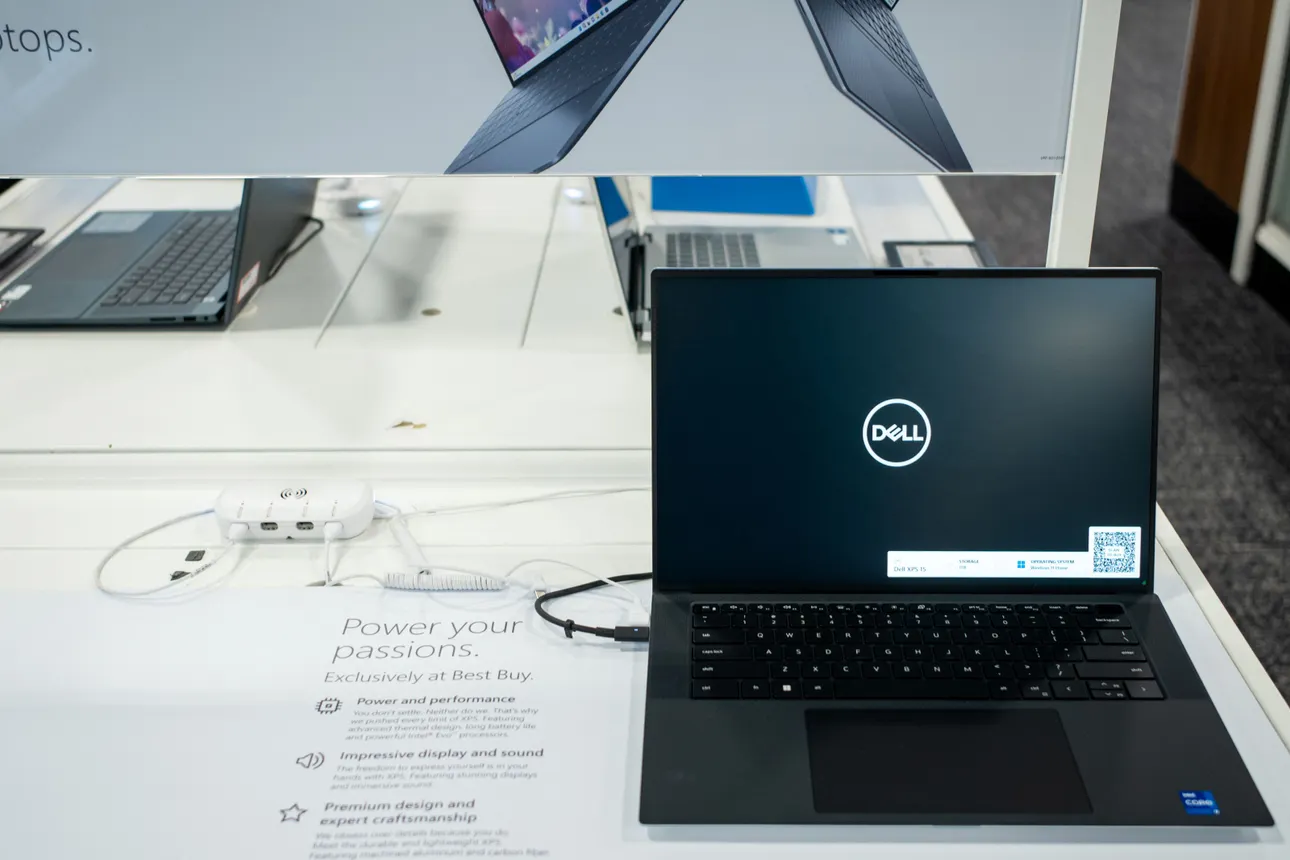
The consumer electronics industry is currently navigating a period of unprecedented volatility, defined by a critical memory supply crisis that has sent shockwaves through global production lines. As the insatiable hunger for artificial intelligence (AI) computing power consumes the world’s supply of high-end memory and processing chips, electronics manufacturers are finding themselves in a fight for survival. With memory prices surging by as much as 400% over the last two years, companies are being forced to abandon short-term, reactive strategies in favor of a profound, multi-year structural transformation.
The Anatomy of the Crisis: Facts and Drivers
The current supply chain bottleneck is not merely a logistical hiccup; it is a fundamental shift in resource allocation. The explosive growth of AI, supported by massive hyperscale data centers, has created a "chip squeeze" that leaves little room for traditional consumer electronics manufacturers.
Willy Shih, the Robert and Jane Cizik Baker Foundation professor of management practice at Harvard Business School, characterizes the current environment as one of "desperation." Manufacturers who previously enjoyed predictable supply flows are now engaging in "tactical scrambling." The crisis is exacerbated by a trifecta of pressures: surging demand for specialized AI hardware, a complex web of fluctuating international trade regulations, and persistent logistical disruptions—ranging from regional conflicts to climate-driven infrastructure stress.
Chronology of a Market Shift
The path to the current instability can be traced back to the post-pandemic recovery era.
- 2022-2023: As global markets emerged from COVID-19 lockdowns, initial supply chain normalization was interrupted by the rapid pivot toward generative AI. Investment in data centers skyrocketed, redirecting silicon and memory production away from traditional laptops, smartphones, and gaming consoles.
- Early 2024: Memory manufacturers, struggling to keep pace with demand from AI giants like NVIDIA and cloud hyperscalers, began prioritizing higher-margin enterprise contracts.
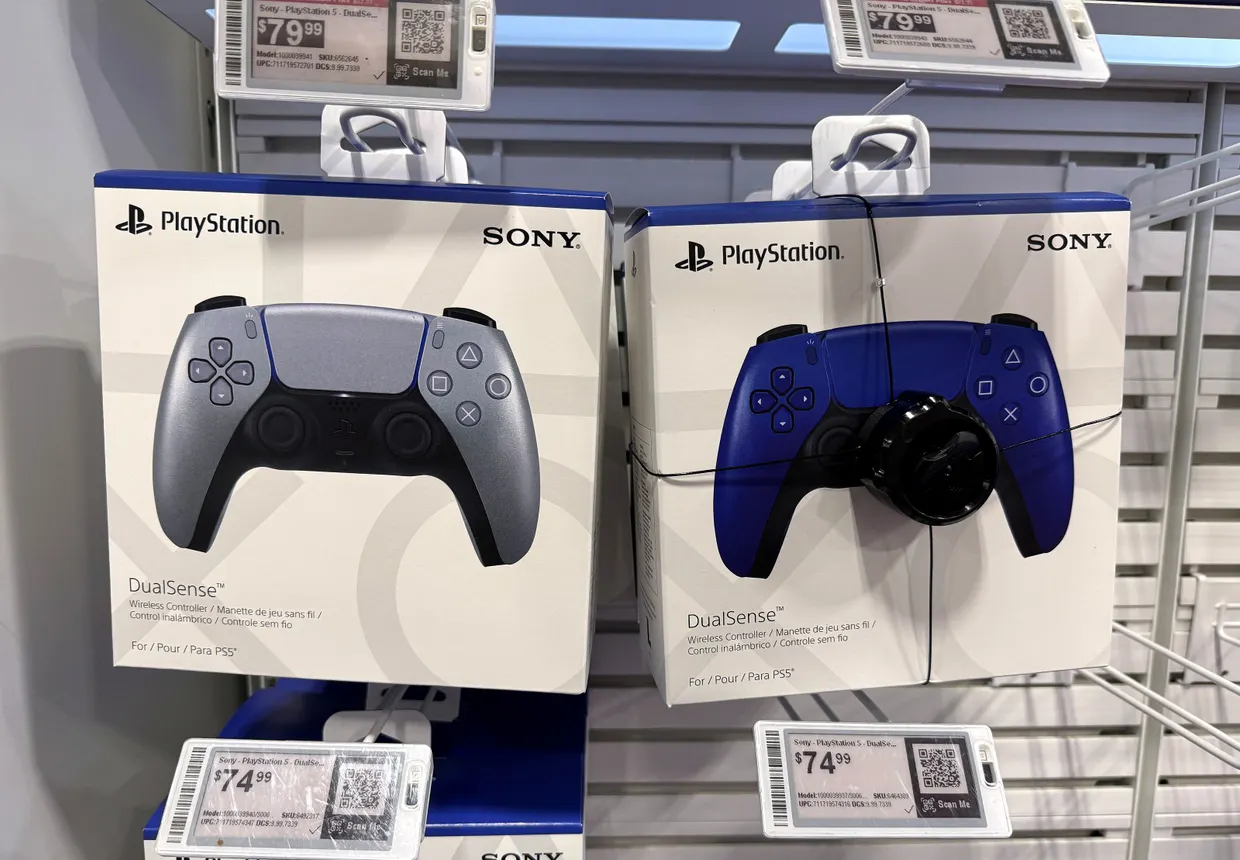
- Mid-2024 to Present: The "consumer squeeze" became acute. Major manufacturers like Sony and Microsoft began passing significant cost increases to consumers. Sony increased prices on its PlayStation 5 ecosystem, while Microsoft adjusted Xbox console pricing by as much as $150 to combat the inflationary pressure on components.
Data-Driven Insights: The Cost of Scarcity
The impact of this crunch is quantifiable across several key metrics:
- Price Inflation: Memory costs have seen a staggering 400% increase in some segments, forcing manufacturers to sacrifice margins or raise retail prices.
- Capital Allocation: Companies are now required to offer 30% or higher advance payments to secure capacity with top-tier silicon vendors.
- Operational Shifts: Firms are increasingly pivoting away from low-margin, high-volume consumer goods to prioritize premium, high-margin products that can better absorb the rising costs of raw materials and logistics.
1. The Renaissance of Long-Term Planning
The era of just-in-time, lean inventory management is undergoing a significant transition toward a more robust, long-term planning discipline. Experts at Gartner and BCG suggest that firms are no longer looking at annual budgets; they are building three-to-five-year roadmaps.

Cori Masters, a senior research analyst director at Gartner, emphasizes that organizations are moving toward a "multi-year strategy" that balances inventory levels with long-term investment cycles. This "renaissance in planning" involves a return to disciplined operational models that many companies neglected after the pandemic. By utilizing advanced software suites from vendors like Kinaxis, Blue Yonder, and SAP, companies are integrating AI to enhance demand sensing, allowing them to remain responsive even when the supply environment is hostile.
2. Product Design and the "Margin-First" Mandate
High costs are forcing a radical redesign of product portfolios. When the cost of core components like memory and advanced silicon becomes prohibitive, manufacturers look for ways to trim costs elsewhere—or they stop producing the affected items entirely.
Venky Ramesh, a director at AlixPartners, highlights that the "mitigation" phase is over. Companies are now actively substituting materials. For instance, in the industrial automation sector, some firms are replacing expensive aluminum components with specialized plastics to offset the impact of steel and aluminum tariffs. Furthermore, manufacturers are increasingly abandoning lower-end, budget-friendly product lines to focus on premium models where price elasticity is lower, effectively insulating their bottom line from the worst of the cost volatility.
3. Deepening Supplier Integration
The days of transactional, one-year procurement contracts are fading. In their place, a model of deep, multi-year integration is emerging. Major industry players like Apple and Hewlett-Packard Enterprise (HPE) are setting the standard by signing long-term, multi-year agreements with silicon vendors.
This trend is not just about price; it is about "provenance." Companies are seeking transparency across the entire value chain—from raw material extraction to final assembly. By entering into joint ventures, equity investments, and "take-or-pay" agreements, manufacturers are ensuring they remain at the front of the queue when inventory is allocated. As Ramesh notes, "If I want my supplier to put me higher up on their priority list, I need to give them a sweeter deal." This creates a barrier to entry, as only the largest firms with significant balance sheet capacity can afford these long-term commitments.
4. Diversification and the Regionalization Mandate
The fragility of single-source supply chains has been exposed, leading to a scramble for geographical diversification. While companies are still reliant on major manufacturing hubs like China, the trend toward "China Plus One" strategies is accelerating.
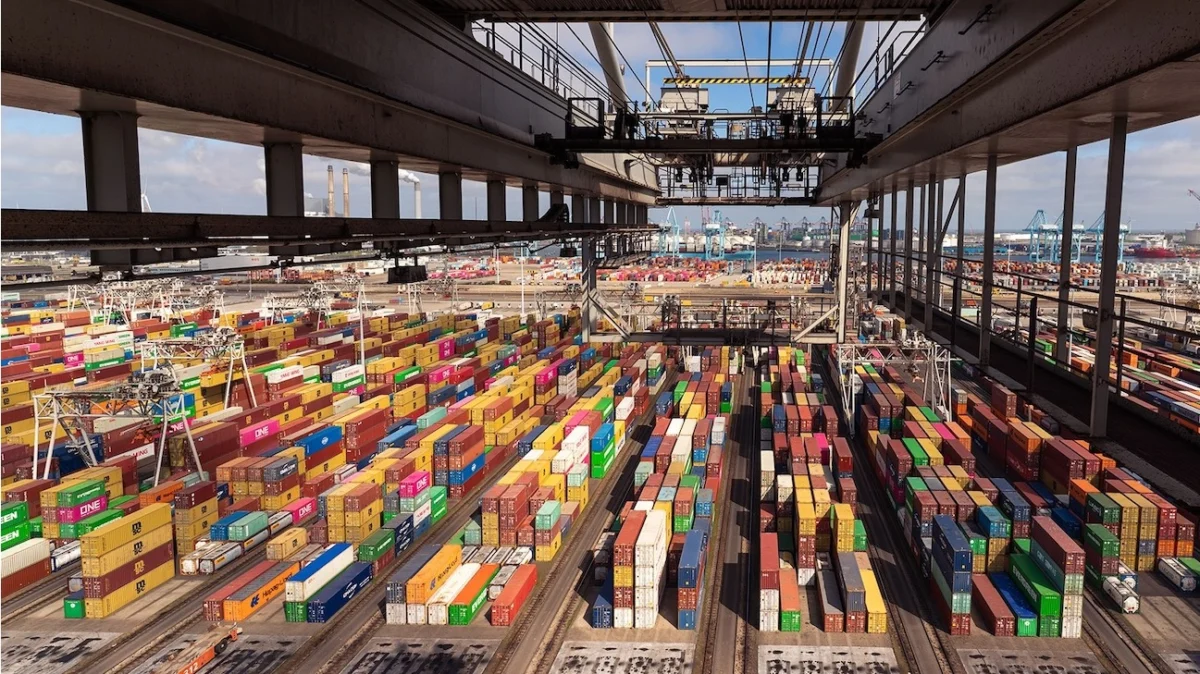
Manufacturers are increasingly favoring regionalized supply chain models—producing goods in or near the markets where they are sold. This serves a dual purpose: it reduces the vulnerability to trans-oceanic logistics disruptions and helps companies navigate the localized geopolitical hurdles that frequently trigger tariff and trade disputes. While building a new supplier base is a multi-year endeavor, firms are steadily moving toward this redundant, multi-node model to ensure that a localized problem does not result in a global product stoppage.
5. Logistics: Scarcity Overrules Cost
Perhaps the most significant shift in mindset is how companies view freight. Historically, logistics was a cost-minimization function. Today, it is an availability-maximization function.
"Mode and route decisions are now driven by component scarcity rather than freight cost," says Ramesh. Because the cost of an idle production line far outweighs the premium of air-freighting a batch of missing chips, companies are willing to pay for speed. This has led to a bifurcated logistics strategy:
- The Baseline: A cost-efficient ocean-freight base for standard components.
- The Expedite Lane: A deliberate, premium air-freight channel for critical, constrained parts.
This "best-in-class" approach allows companies to maintain a degree of financial discipline while ensuring that the "brain" of their electronic products—the memory and processors—arrives in time to keep the assembly line moving.
Implications for the Future
The consumer electronics industry is moving toward a future where supply chain resilience is as important as product innovation. The "AI Gold Rush" has fundamentally altered the economics of hardware. Companies that successfully navigate this crisis will be those that have mastered the art of long-term planning, secured their supplier relationships through deep integration, and accepted that the cost of logistics is now a strategic, rather than administrative, expense.
For the consumer, the implications are clear: the era of cheap, readily available consumer electronics is likely behind us. As manufacturers continue to prioritize margin and navigate the silicon squeeze, consumers can expect higher price points and a more deliberate, segmented approach to product releases. The supply chain has moved from the back office to the boardroom, and it is likely to stay there for the foreseeable future.

 Reynand Wu


 Lina Hope

 Rifan Muazin

 Asep Darmawan


 Basiran
