
 Dwi Wanna

Artificial intelligence (AI) is no longer a peripheral tool in the scientific community; it has become a central pillar in our quest to decode, predict, and combat the escalating climate crisis. As the planet warms at an unprecedented rate, climate scientists are leveraging a diverse array of AI technologies—ranging from machine learning (ML) and neural networks to generative models—to process vast oceans of data, refine weather forecasts, and optimize energy infrastructures.
While the integration of AI offers transformative potential for efficiency and accuracy, it brings with it a complex set of challenges. Experts warn that the field must navigate issues of energy consumption, data bias, and the critical danger of overreliance on "black box" systems that lack transparency. In a recent consultation with ten leading climate experts, a nuanced picture emerged: AI is a powerful force-multiplier, but it is not a silver bullet.
The Evolution of AI in Climate Science: A Chronology of Integration
The journey of AI in climate science has accelerated from niche academic experimentation to operational reality in just a few short years.
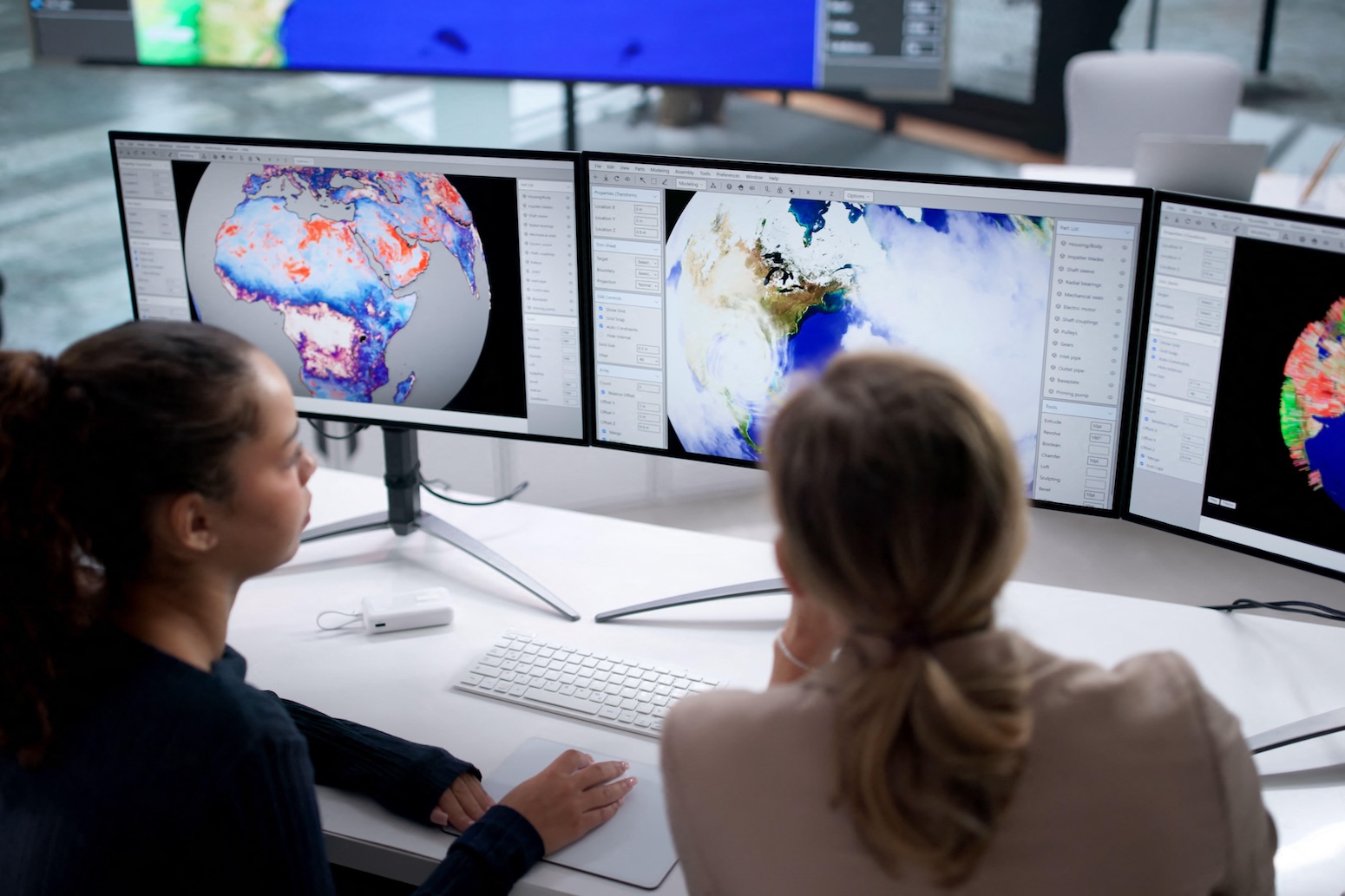
Early Adoption (2010–2020): During this phase, machine learning was primarily used for specific, isolated tasks, such as pattern recognition in satellite imagery or simple data classification. The focus was on "proof of concept," demonstrating that algorithms could perform tasks like identifying deforestation or cloud cover patterns more quickly than manual human review.
The Generative Surge (2021–2024): With the rise of deep learning and large-scale data processing, the focus shifted to forecasting. Projects like "Ice Net" demonstrated that deep-learning systems could outperform traditional physical models in seasonal Arctic sea ice predictions. This period marked the transition of AI from a diagnostic tool to a predictive one.
Operational Maturity (2025–Present): Today, AI is being woven into the fabric of major international bodies. The European Center for Mid-Range Weather Forecasts (ECMWF) has successfully integrated AI-based systems into its official operational communications. Simultaneously, the Intergovernmental Panel on Climate Change (IPCC) has established working groups to standardize the use of AI in their Seventh Assessment Report (AR7), signaling a new era of institutional legitimacy.
Weather Forecasting: The Hybrid Revolution
One of the most significant shifts in meteorology is the move toward "hybrid modeling." Traditionally, climate scientists relied on numerical models based on fundamental mathematical equations of physics. These models are incredibly accurate but computationally expensive and slow.
Dr. Doug McNeall, a science lead at the UK Met Office, notes that AI models are now capable of generating two-week forecasts with far less computing power than their predecessors. By learning from millions of data points, these models can simulate the atmosphere with remarkable speed. However, they struggle with "unprecedented" events.
"AI forecast models perform well on typical weather, but often underperform physics-based models on record-breaking extremes," explains Dr. Amirpasha Mozaffari of the Barcelona Supercomputing Centre. This has led to the current consensus: the future lies in hybrid models. These systems marry the physical consistency and "laws-of-physics" constraints of traditional models with the pattern-recognition speed of AI. This ensures that even when the AI encounters a scenario it hasn’t seen before, it remains tethered to the fundamental laws of thermodynamics and fluid dynamics.
Beyond Weather: Satellite Intelligence and Global Monitoring
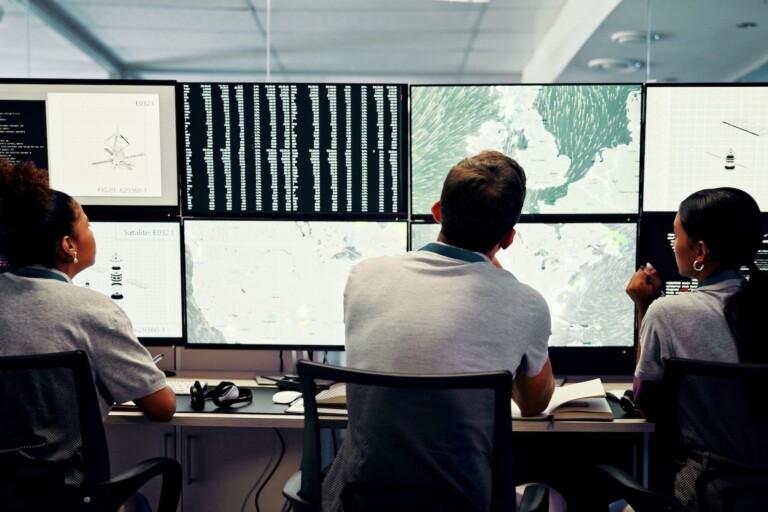
AI’s ability to ingest and synthesize massive, unstructured datasets has revolutionized Earth observation. The proliferation of satellites has created a "geospatial data deluge," but AI provides the shovel.
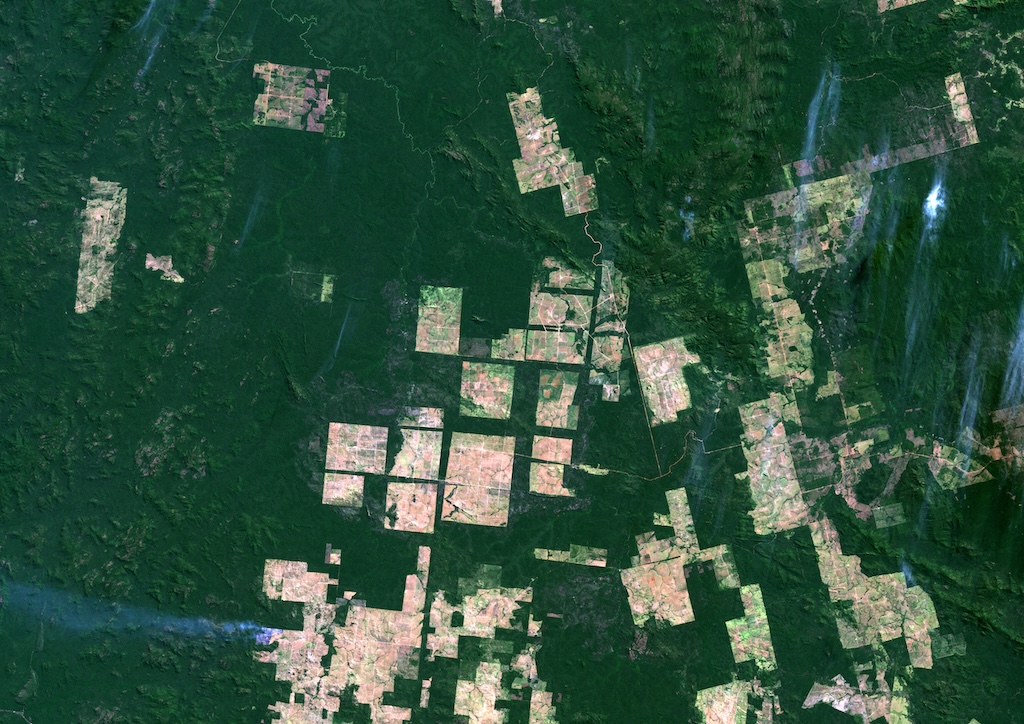
Dr. Stefano Materia highlights that AI is now used to scan hyperspectral imagery in real-time, pinpointing industrial methane leaks that are otherwise invisible to the naked eye. Similarly, machine learning models process thousands of satellite images daily to monitor glacier retreat, track illegal logging in the Amazon, and analyze land-use changes. These AI systems act as early-warning sentinels, providing actionable intelligence long before human analysts could sift through the imagery.
Decarbonizing the Grid: AI in Policy and Mitigation
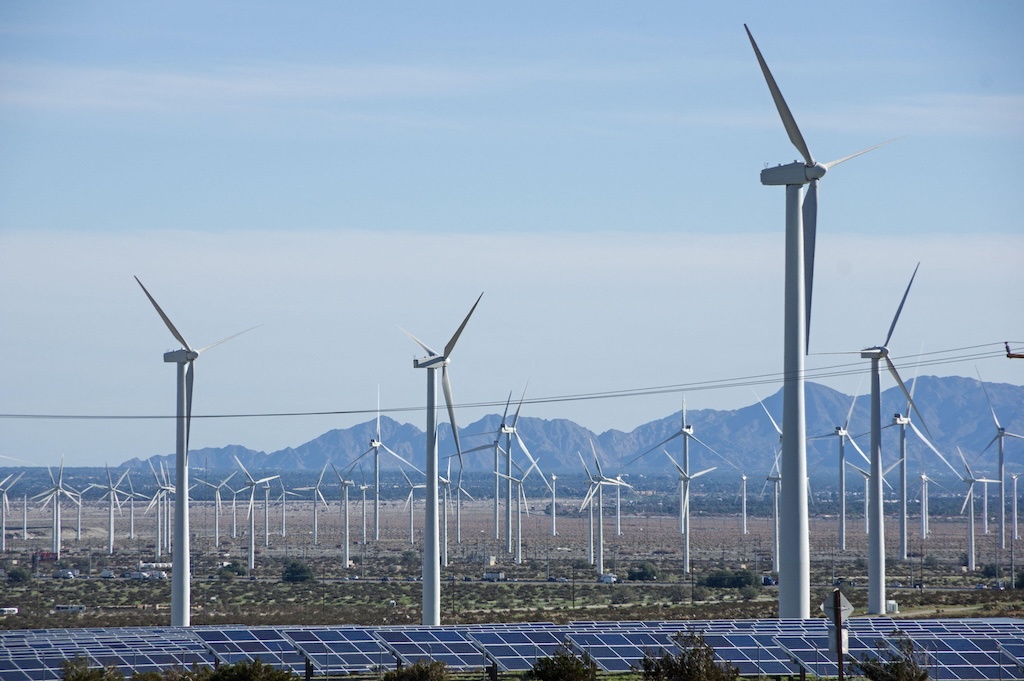
AI’s role extends beyond prediction into the heart of climate mitigation: the energy transition. As grids become increasingly reliant on volatile renewable sources like solar and wind, managing energy supply becomes a complex optimization problem.

Prof. Priya Donti of MIT explains that AI is critical for modernizing the power grid. By better predicting the variability of wind and solar output, grid operators can reduce uncertainty. Furthermore, AI optimizes the "demand side"—managing the charging of millions of electric vehicles and the usage of industrial heat pumps to ensure the grid remains balanced.
Dr. Carlos Rodriguez-Pardo notes that AI assists the entire policy cycle. In the "measurement" phase, AI harmonizes fragmented policy databases, allowing researchers to track the effectiveness of climate laws across jurisdictions. In the "modeling" phase, AI-based emulators allow economists to run thousands of climate-economic scenarios in the time it once took to run a handful, allowing for a much deeper understanding of risk and uncertainty.
Risks, Challenges, and the "Truthiness" Trap
Despite the excitement, the climate research community remains deeply cautious. The foremost concern is the "truthiness" of AI output. Dr. William Collins of the University of East Anglia warns that AI models are designed to be obedient. If asked a question, they will provide a plausible, coherent answer, even if that answer is physically invalid.
"The risk is getting a plausible answer that is ‘truthy’, but not the truth," Collins says. This necessitates a rigorous process of independent evaluation and physical validation.
There is also a palpable fear regarding inequality. Dr. Amirpasha Mozaffari points out that frontier AI models are almost exclusively built in the Global North. They are trained on data that is densest in wealthy nations and validated against benchmarks that reflect those same regions. Without deliberate efforts to share data infrastructure and co-produce knowledge with scientists in the Global South, AI risks automating and amplifying the existing divide in climate information, leaving the most vulnerable regions with models that don’t reflect their specific environmental realities.
Finally, there is the issue of "attention diversion." Dr. David Rolnick of McGill University stresses that AI is not a magic wand. "The first and foremost risk is AI diverging attention from other forms of climate action. AI is not a silver bullet. It is only one part of the solution."

Future Outlook: Toward the Eighth Assessment
As we look toward the late 2020s and the development of the IPCC’s Eighth Assessment Report, AI is expected to become an even more pervasive force. Some experts suggest that large language models (LLMs) could assist in the monumental task of synthesizing thousands of peer-reviewed papers, though this introduces new questions about academic rigor and the role of human oversight.
The scientific community is currently undergoing a "paradigm shift." The integration of AI into Earth system models is not about replacing the physical sciences, but rather augmenting them. By narrowing down uncertainties in the terrestrial carbon sink and identifying potential climate "tipping points," AI is helping us refine our understanding of the planet’s future.
Ultimately, the consensus among experts is clear: AI must remain a tool that augments human judgment, not a substitute for it. As Dr. Carlos Rodriguez-Pardo concludes, "Like any other technology, AI should augment human judgment in climate decisions, not replace it. As researchers, it is our responsibility to ensure the field serves as a force for social progress."
As we stand at this technological crossroads, the success of climate science will depend on maintaining the delicate balance between rapid innovation and the slow, steady, and essential work of scientific verification. The silicon climate is here, but the future of the physical one remains in human hands.


 Laily UPN

 Nana Muazin

 Siti Muinah

 Ammar Sabilarrohman

 Reynand Wu

 Iffa Jayyana

 Azzam Bilal Chamdy

 Sagoh
