Evan Lee Salim
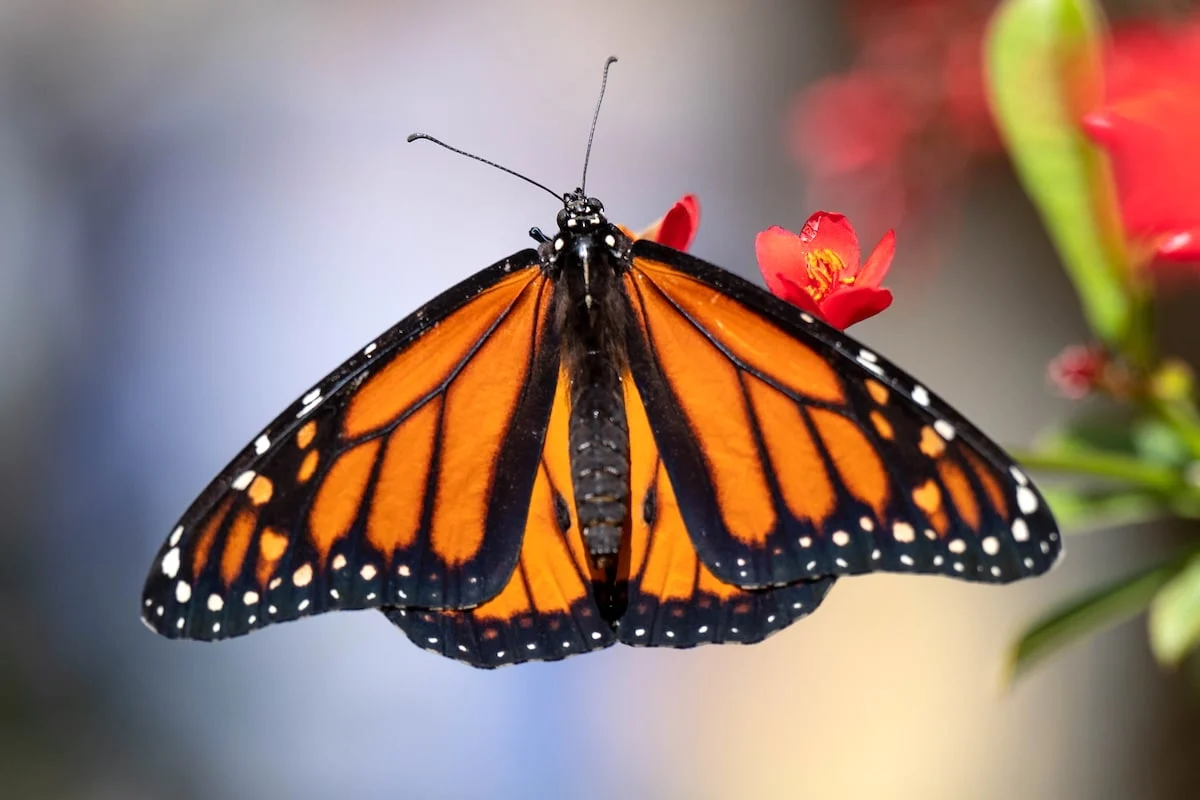
In the quiet groves where Western monarch butterflies seek refuge during their arduous winter migration, a harrowing scene unfolded in January 2024. Researchers at the Pacific Grove Monarch Sanctuary in California—a critical overwintering site—discovered hundreds of monarchs dead or in their final, twitching throes. This incident, while initially shrouded in mystery, has now been definitively linked to chemical contamination. A new peer-reviewed study published in the journal Environmental Toxicology and Chemistry provides the smoking gun: a toxic cocktail of pesticides is the likely culprit behind the mass mortality event.
As the Western monarch population teeters on the brink of functional extinction, this finding is more than a localized tragedy; it is a clarion call regarding the pervasive, lethal threat that modern chemical reliance poses to one of the world’s most iconic pollinators.
The Anatomy of a Mass Die-Off: Scientific Findings
The investigation into the January 2024 event was exhaustive. Following the discovery of the deceased butterflies, researchers employed advanced analytical techniques—liquid and gas chromatography combined with mass spectrometry—to identify the chemical profile of the victims. The results were startling.
The team detected an average of seven different pesticides per butterfly, including a potent mix of insecticides, herbicides, and fungicides. "We found an average of seven different pesticides per butterfly, including multiple insecticides that are highly toxic to insects," explained Staci Cibotti, lead author of the study and a pesticide risk prevention specialist at the Xerces Society for Invertebrate Conservation.
The most damning evidence involved human-made pyrethroid insecticides. The study confirmed that bifenthrin, cypermethrin, and permethrin were present at or near lethal doses in the samples. Specifically, every single butterfly analyzed contained bifenthrin and cypermethrin, while all but two samples tested positive for permethrin. These compounds, commonly used in both agricultural and urban settings, are designed to disrupt the nervous systems of insects—a function they performed with devastating efficiency on the monarchs at the sanctuary.
Chronology of a Declining Species
The 2024 die-off is merely the latest chapter in a long-term, systemic decline of the Western monarch population. To understand the gravity of this event, one must look at the timeline of the species’ struggle:
- 1980s to Present: The Western monarch population has plummeted by approximately 95%. Once numbering in the millions, the population has experienced a steady, alarming contraction.
- September 2020: A precursor to the 2024 event occurred in North Dakota, where hundreds of monarchs were killed following an aerial mosquito control spraying operation during their migration, highlighting the extreme vulnerability of the species during transit.
- January 2024: The Pacific Grove incident occurs. Researchers discover hundreds of dead monarchs, sparking the study that would eventually reveal the presence of multiple lethal chemicals.
- 2024–2025: Annual counts conducted by the Xerces Society reveal the population has hit its second-lowest number on record. By 2025, the total count of overwintering Western monarchs fell to a precarious 9,119 individuals.
- Future Outlook: Conservationists and federal agencies now warn that without radical intervention, the Western monarch faces a 99% probability of extinction by 2080.
The Mechanics of Exposure: Beyond the Farm Gate
A common misconception is that pesticide threats to monarchs are limited to large-scale agricultural operations. However, the reality is far more complex and pervasive. As Staci Cibotti noted in an update to the study, the threat is ubiquitous.
"Pesticide exposure is a widespread threat to monarchs across their range," Cibotti stated. "These chemicals are commonly used not only in agriculture, but also across developed landscapes for structural pest control, home gardening, landscaping, turf management, mosquito abatement, and more."
The vulnerability of the monarch is magnified during specific stages of its life cycle. During migration and overwintering, butterflies congregate in massive clusters. This social behavior, while essential for survival, becomes a liability when chemical drift or localized spraying occurs. A single, targeted application—meant to manage mosquitoes or protect ornamental plants—can result in the mass death of hundreds or even thousands of individuals that happen to be roosting in the area. This "bottleneck" effect means that localized events have a disproportionately large impact on the total population numbers.

Official Responses and Conservation Strategy
The Xerces Society for Invertebrate Conservation, which has been at the forefront of monarch protection, has laid out a comprehensive framework for addressing the pesticide crisis. The organization argues that the current approach to chemical regulation fails to account for the cumulative, synergistic effects of multiple pesticide exposures.
Their recommendations include:
- Increased Public Education: Promoting awareness regarding the risks of cosmetic pesticide use in residential and commercial landscaping.
- Pesticide-Free Buffer Zones: Establishing strictly enforced "no-spray" zones around known overwintering sites to protect monarchs during their most vulnerable months.
- Policy Reform: Integrating rigorous pesticide exposure protections into federal and state conservation and recovery plans.
- Coordinated Monitoring: Enhancing communication between public health officials (who manage mosquito abatement) and environmental agencies to prevent spraying during peak migration windows.
Emily May, co-author of the study and agricultural conservation lead at the Xerces Society, emphasized that the solution must be systemic. "Protecting monarchs from pesticides will require both public education and policy change," she said. "We are committed to working with communities and decision-makers to ensure that overwintering sites are healthy refuges for these butterflies."
Implications: The Anthropocene and the Butterfly
The plight of the monarch is often cited as a sentinel indicator of the health of the North American environment. As the International Union for Conservation of Nature (IUCN) lists migratory monarchs as an endangered species, the Pacific Grove incident serves as a brutal reminder of the "Anthropocene" effect—the period during which human activity has become the dominant influence on climate and the environment.
The reliance on synthetic chemicals, often applied with little regard for non-target species like pollinators, is a direct contributor to the loss of biodiversity. When monarchs perish, they take with them the complex ecological services they provide, including pollination for a vast array of native plants and crops.
The 2024 die-off has provided the data necessary to move from speculation to action. However, the data also provides a stark warning: the window for intervention is closing. The 99% extinction risk figure is not a prediction of fate, but a projection based on current trends. Changing those trends requires a fundamental shift in how society manages its chemical footprint.
Looking Ahead: A Path to Recovery?
The recovery of the Western monarch population will require more than just protecting overwintering sites; it will require the restoration of habitat corridors filled with native milkweed and nectar sources that are free from the invisible shadow of pesticide residue.
As the scientific community continues to analyze the long-term effects of chronic pesticide exposure, the message from the Xerces Society and other environmental groups is clear: we can no longer treat insects as collateral damage in our management of the environment. Every garden, every park, and every farm that chooses to adopt Integrated Pest Management (IPM) or organic practices acts as a potential life-raft for a species that has traveled thousands of miles only to find its sanctuary poisoned.
The death of hundreds of butterflies in Pacific Grove was a tragedy, but if it serves as the catalyst for stricter chemical oversight and a renewed commitment to habitat safety, it may yet provide the momentum needed to prevent the total loss of this regal species. The task ahead is daunting, but the science is settled: if we want the Western monarch to continue its historic migration, we must first clear the path of the chemical hazards that have made their journey so deadly.


 Laily UPN

 Nana Muazin


 Iffa Jayyana

 Sagoh

 Ali Ikhwan

 Rifan Muazin