
 Dwi Wanna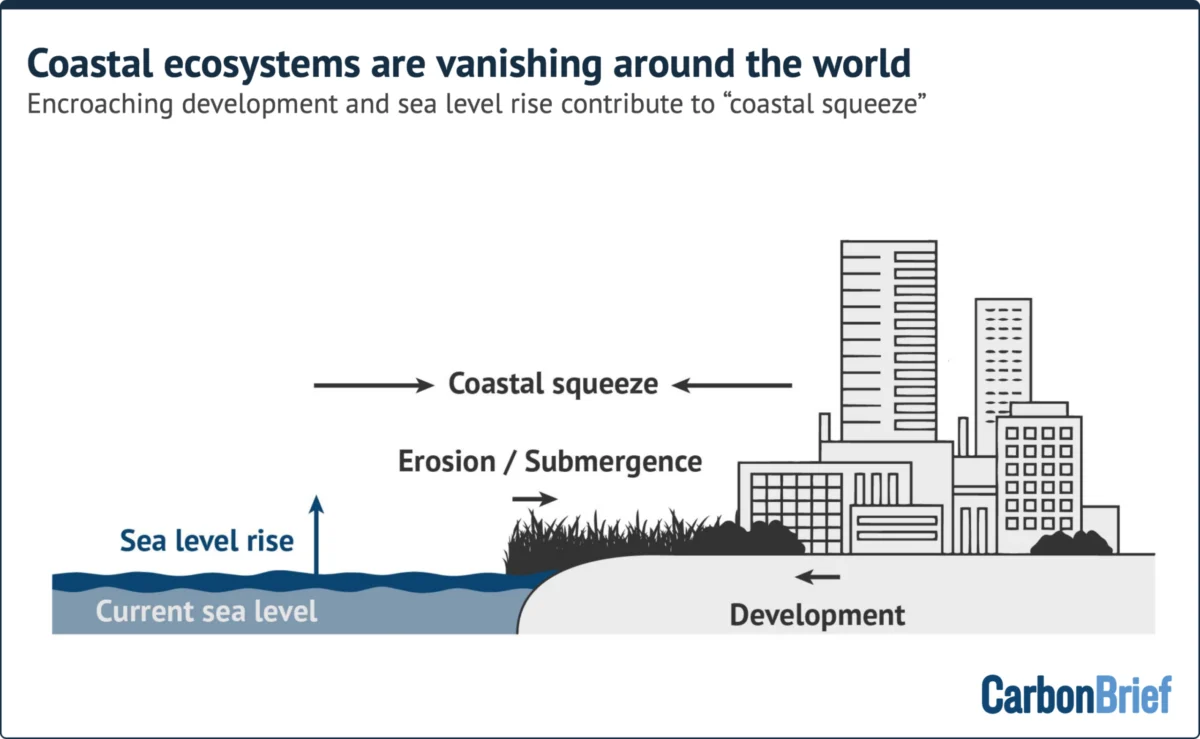
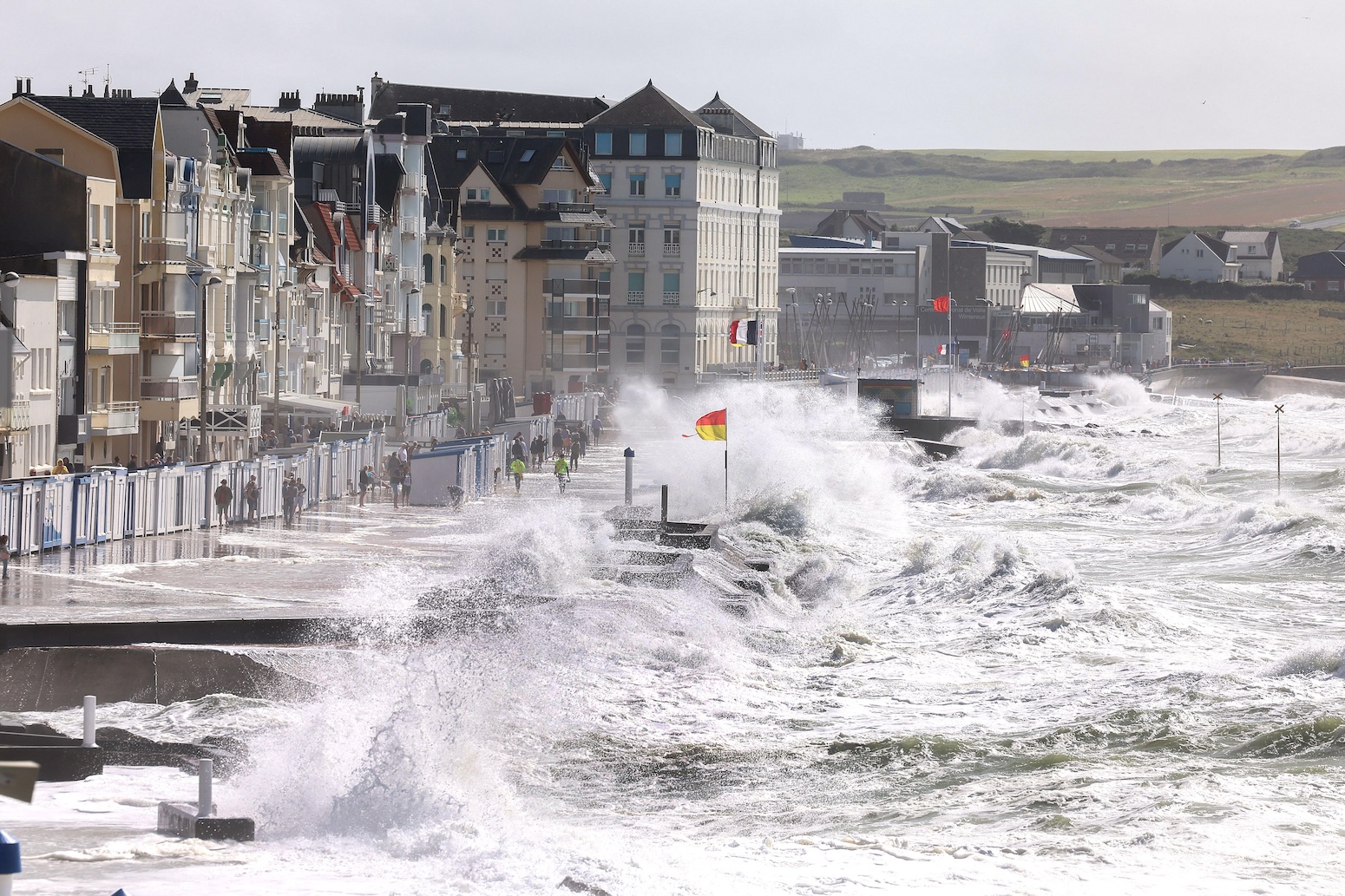
For millions of people across the globe, the encroaching ocean is no longer a distant climate model prediction—it is a lived, daily reality. As the UN General Assembly convenes in New York this week, world leaders are poised to adopt a high-level declaration addressing the "existential threat" of sea level rise. The message is clear: the oceans are rising at a pace unseen in at least three millennia, and human activity is the undisputed architect of this change.
The Science of a Warming Ocean: Main Facts
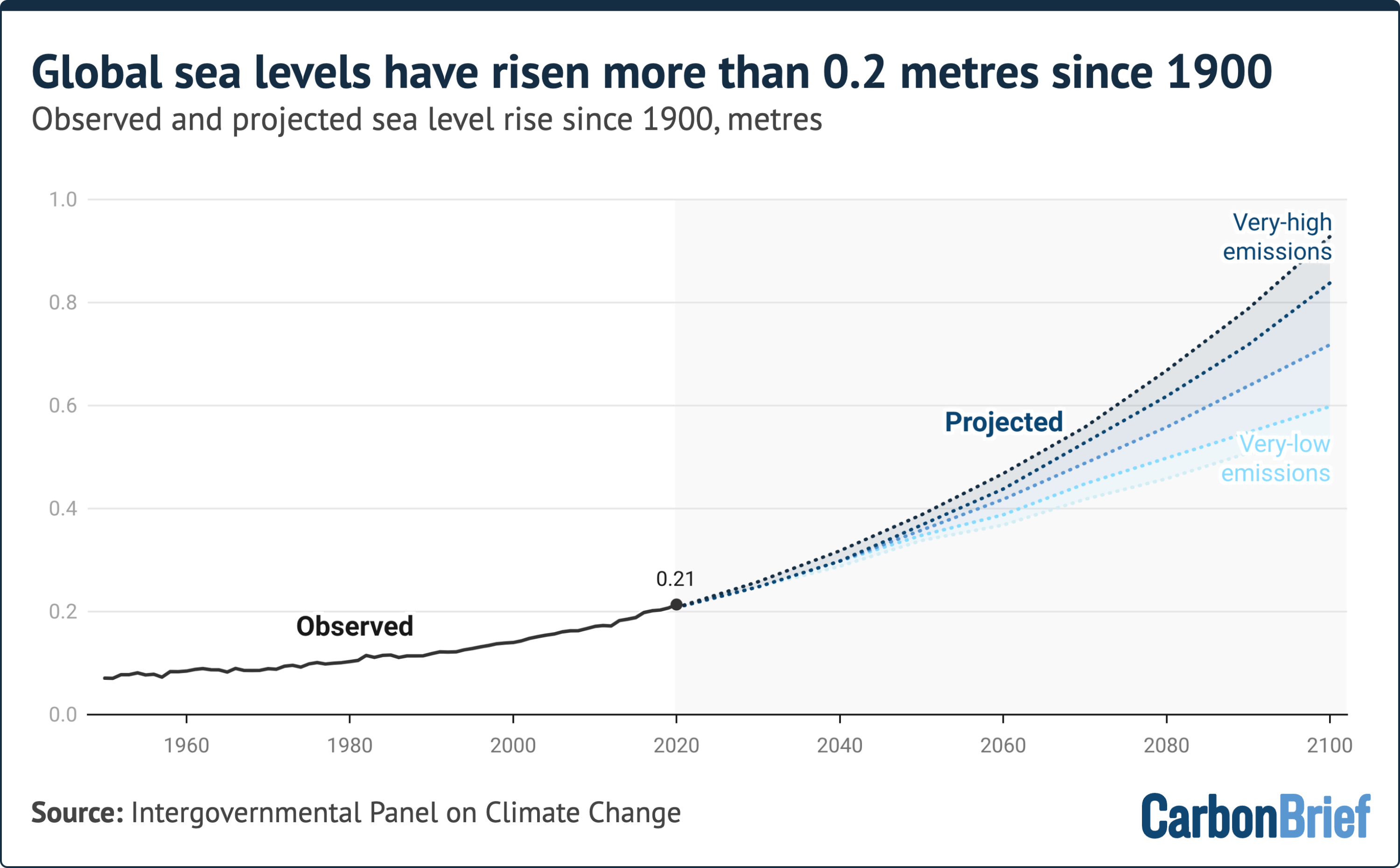
The global average sea level rose by 20 centimetres between 1901 and 2018. While this number may seem incremental, the rate of acceleration is alarming. Since 1993 alone, oceans have risen by 10.6 centimetres. This phenomenon is driven by two primary mechanisms: the thermal expansion of seawater as it absorbs heat from the atmosphere, and the rapid melting of glaciers and ice sheets. Additionally, shifts in land-water storage—the way we manage groundwater and build reservoirs—have played a significant role.
Under moderate-emissions scenarios, scientists project an additional 56-centimetre rise by the year 2100 compared to the 1995-2014 baseline. However, sea level rise is not uniform. Due to seismic activity, volcanic shifts, and the complex gravitational pull exerted by melting ice sheets, local sea levels can deviate significantly from the global average.
A Chronology of Acceleration
To understand the current crisis, we must look at the historical trajectory:
- Pre-1970: Human influence began to mount, but the rate of rise remained relatively stable compared to previous centuries.
- 1970-Present: Human-induced climate change emerged as the dominant driver of global sea level rise.
- 1993-2026: We have entered a period of unprecedented acceleration, with satellite altimetry confirming that the rate of rise has surged in the last three decades.
- 2025-2026: Recent reports, including the UN’s latest assessment, have officially categorized sea level rise as an "acute and existential threat," prompting the high-level diplomatic declaration currently under discussion.
Vulnerability and Supporting Data
The human cost of this shift is staggering. Approximately 770 million people—10% of the world’s population—live in areas classified as being at "acute risk," defined as being less than five metres above the high-tide line. Major metropolises such as Mumbai, Kolkata, Shenzhen, and Guangzhou are increasingly vulnerable.
The economic implications are equally profound. In the world’s 136 largest coastal cities, annual flood losses could balloon from $6 billion in 2005 to $52 billion by 2050, even without accounting for future sea level rise. When factoring in the compounding effect of storm surges and land subsidence, these figures may prove conservative.
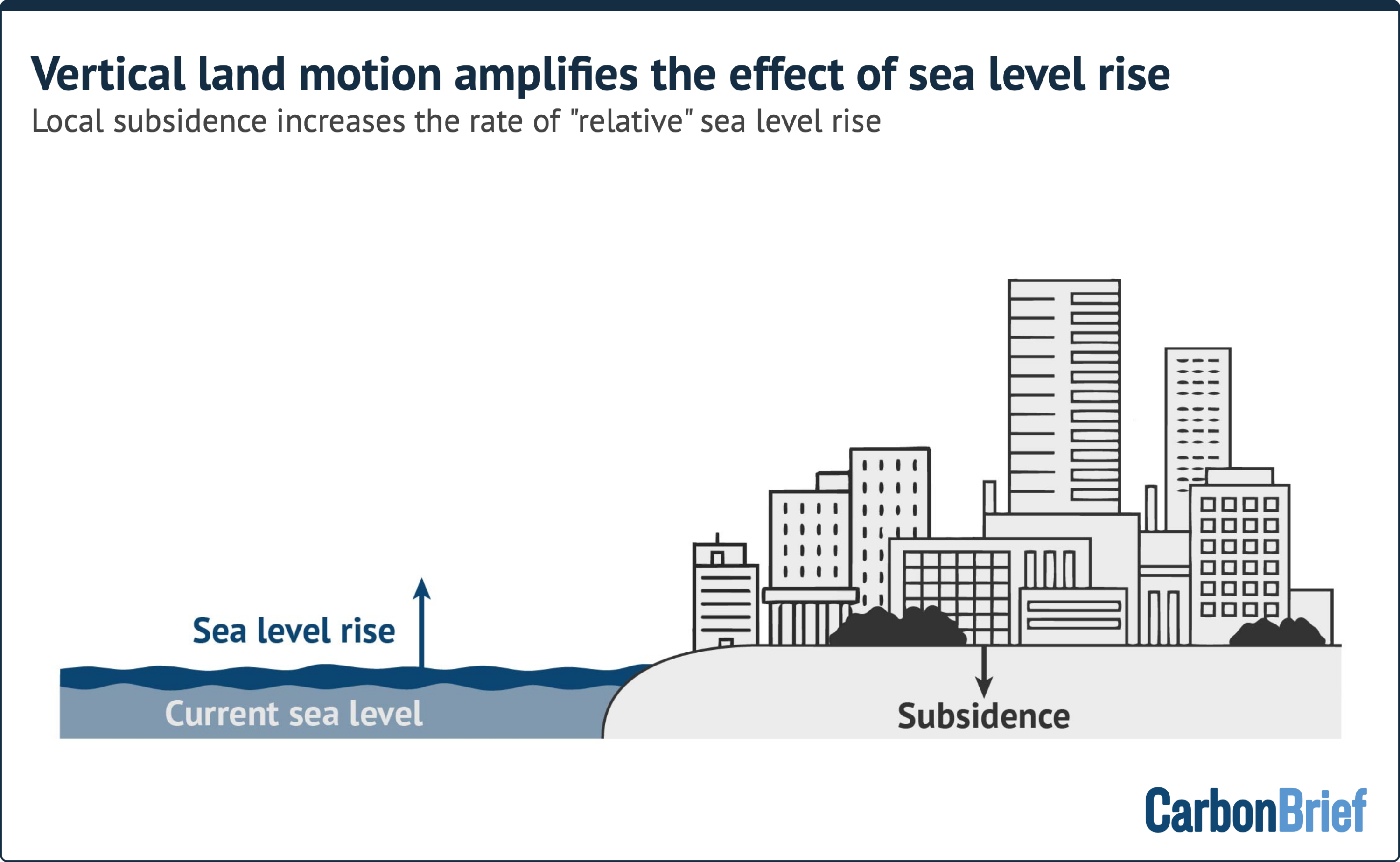
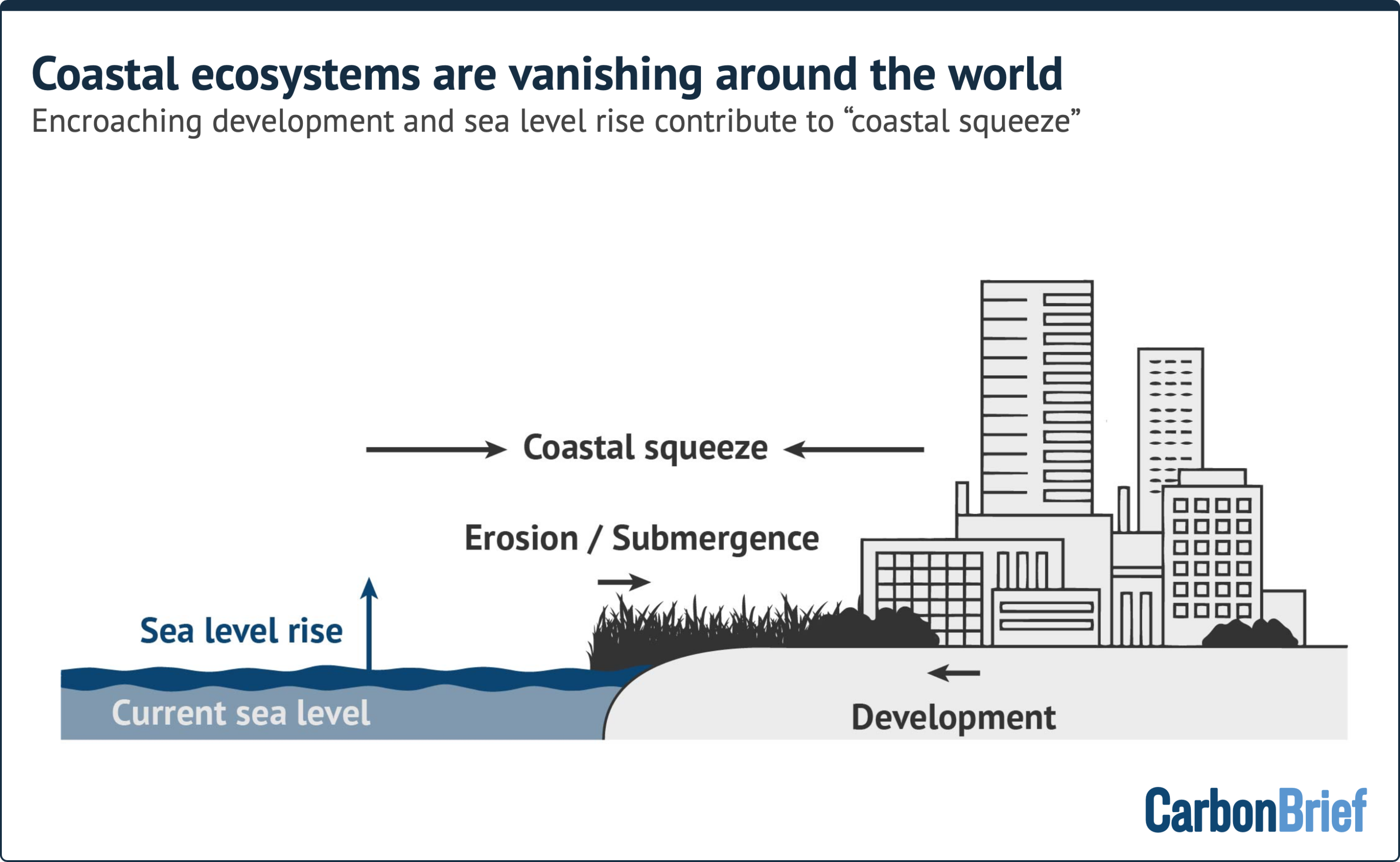
Vertical land motion—the sinking of land due to groundwater extraction—is a critical multiplier of risk. In Jakarta, Indonesia, land subsidence has reached 15 centimetres per year, causing relative sea levels to rise far faster than the global average. This "coastal squeeze," where human development prevents natural ecosystems like marshes from migrating inland, exacerbates the danger to both people and nature.
Ecosystems on the Brink
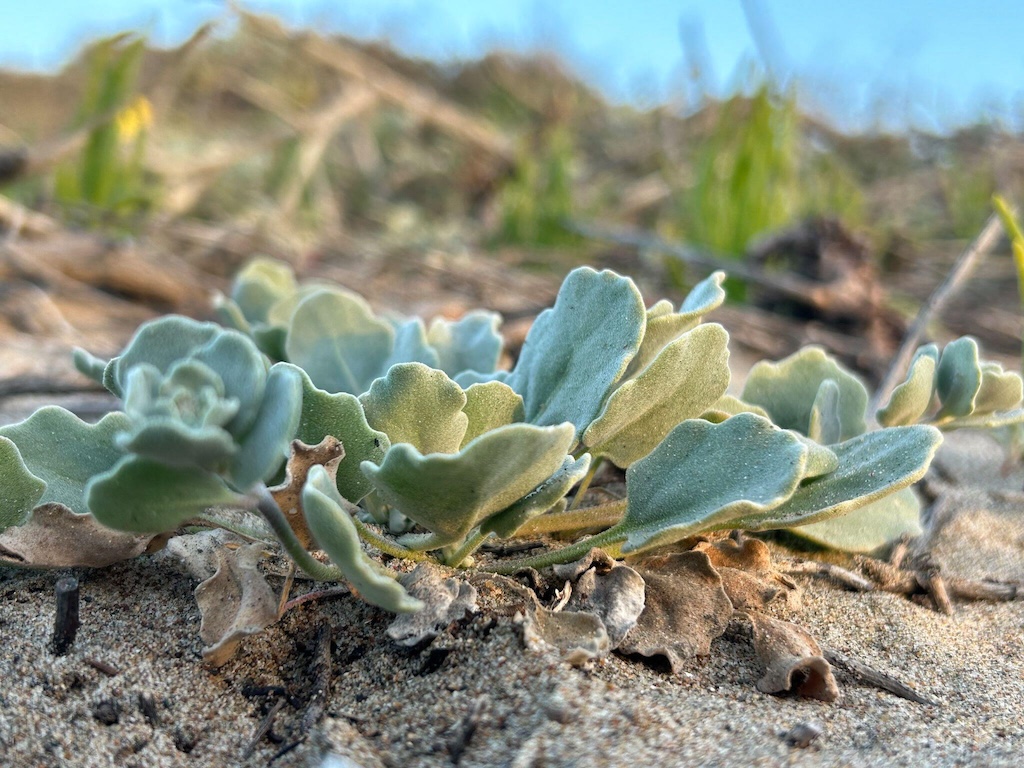
The environmental toll is becoming visible in the rapid degradation of coastal biodiversity. Nearly 28 million hectares of coastal wetlands have vanished since 1970—an area roughly the size of Ecuador. These ecosystems act as natural buffers against storm surges; their loss leaves human populations even more exposed.
Coral reefs, the nurseries of the ocean, are also under siege. As the ocean rises, the water deepens, potentially reducing the light required for photosynthesis in coral-associated algae. While some reefs have managed to grow vertically to "keep pace" with the rising water, most lack the biological capacity to survive the projected rates of change. Furthermore, the erosion of these reefs removes a critical physical barrier, allowing higher energy waves to strike shorelines directly, accelerating the destruction of coastal homes and infrastructure.
Official Responses: Adaptation and Governance
The international community is grappling with the immense financial and legal challenges posed by a retreating coastline.
Technological and Natural Adaptations
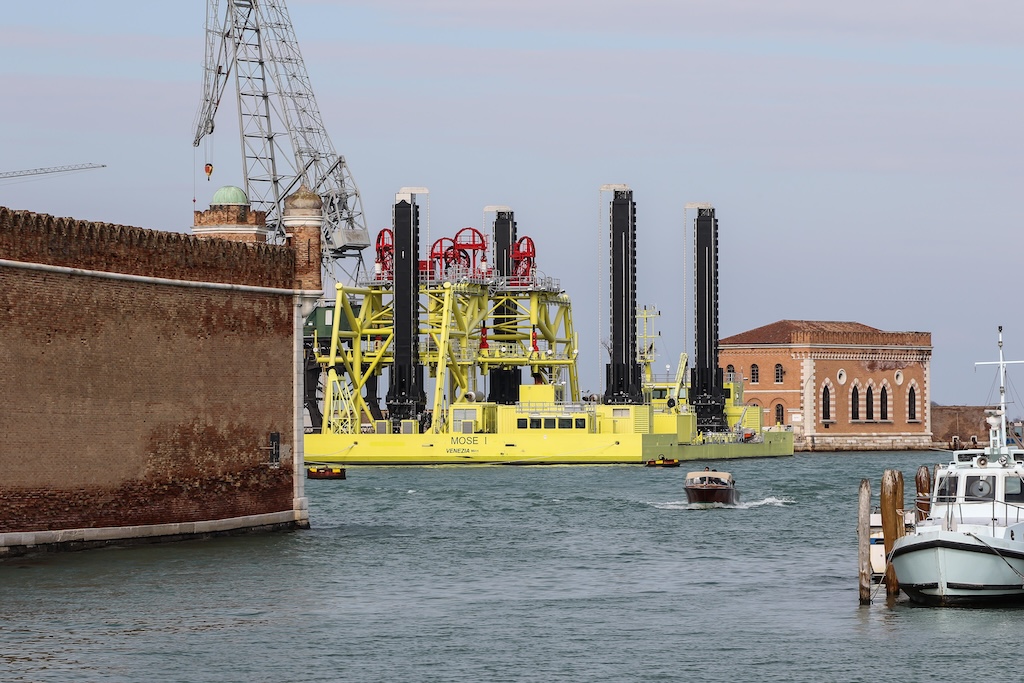
Responses vary from the high-tech to the nature-based. Venice’s MOSE floodgate system, which has been engaged nearly 50 times since 2020, represents the peak of engineering intervention. Conversely, other regions are focusing on "managed retreat"—moving critical infrastructure and entire communities inland. Between these extremes lie strategies such as constructing seawalls and restoring mangrove forests, which offer a more sustainable, if less permanent, defense.
Legal and Diplomatic Frontiers
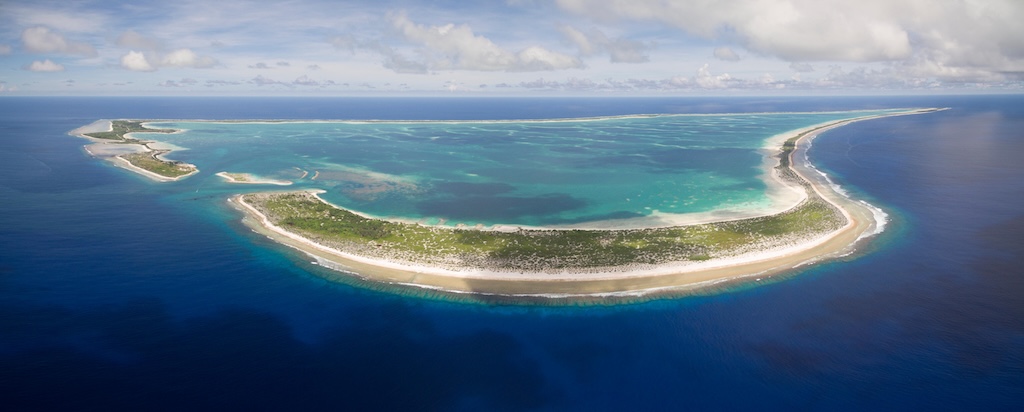
One of the most complex issues involves the sovereignty of Small Island Developing States (SIDS). If a nation’s land is submerged, what happens to its maritime boundaries and Exclusive Economic Zones? A 2025 report by the UN International Law Commission has provided a glimmer of hope, suggesting that international law could allow national borders to remain fixed despite changes to the physical coastline. This provides a legal lifeline for nations facing potential total displacement.
However, the "finance gap" remains a cavernous problem. SIDS require approximately $6 billion annually for climate adaptation by 2035, yet they received only $1.2 billion in public adaptation finance in 2022-23. The UN declaration emphasizes that these nations are bearing the brunt of a crisis they did not create, calling for an urgent increase in international financial support.
Implications for Humanity and Heritage
The threat to cultural heritage is perhaps the most poignant indicator of the scale of the challenge. Nearly 49 UNESCO World Heritage sites in the Mediterranean are currently at risk from erosion or flooding. From the ruins of Carthage and Ephesus to the Cathedral of St. James in Croatia, centuries of human history are at risk of being reclaimed by the sea.
As global temperatures rise toward the 3°C threshold, one-fifth of all UNESCO cultural sites globally could be impacted. The loss is not merely physical; it represents a severance of our connection to history, traditions, and sacred landscapes.
Conclusion: A Call to Action
The evidence presented in the latest UN declarations and scientific reports creates an undeniable mandate for action. The dual strategy of aggressive emissions mitigation—to slow the rate of warming and ice melt—and robust adaptation, is the only viable path forward.
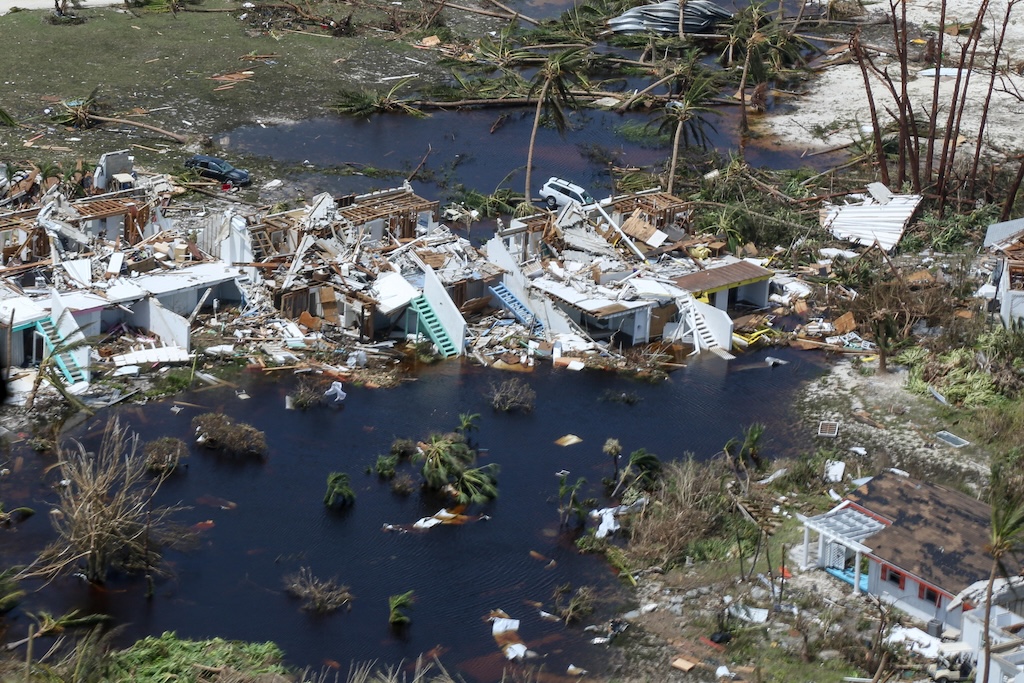
As we look toward the end of the century, the "acute risk" described today will become the standard. The choice before world leaders is no longer whether to address sea level rise, but how quickly and effectively they can protect the millions of people, the vast biological diversity, and the irreplaceable cultural heritage currently caught in the rising tide. The declaration at the UN is a starting point, but the work of survival will require a sustained, global, and multi-generational commitment to adapting to a planet where the shoreline is constantly moving.


 Laily UPN
 Lina Hope
 Iffa Jayyana
 Rifan Muazin
 Suro Senen
 Lina Irawan