
 Jia Lissa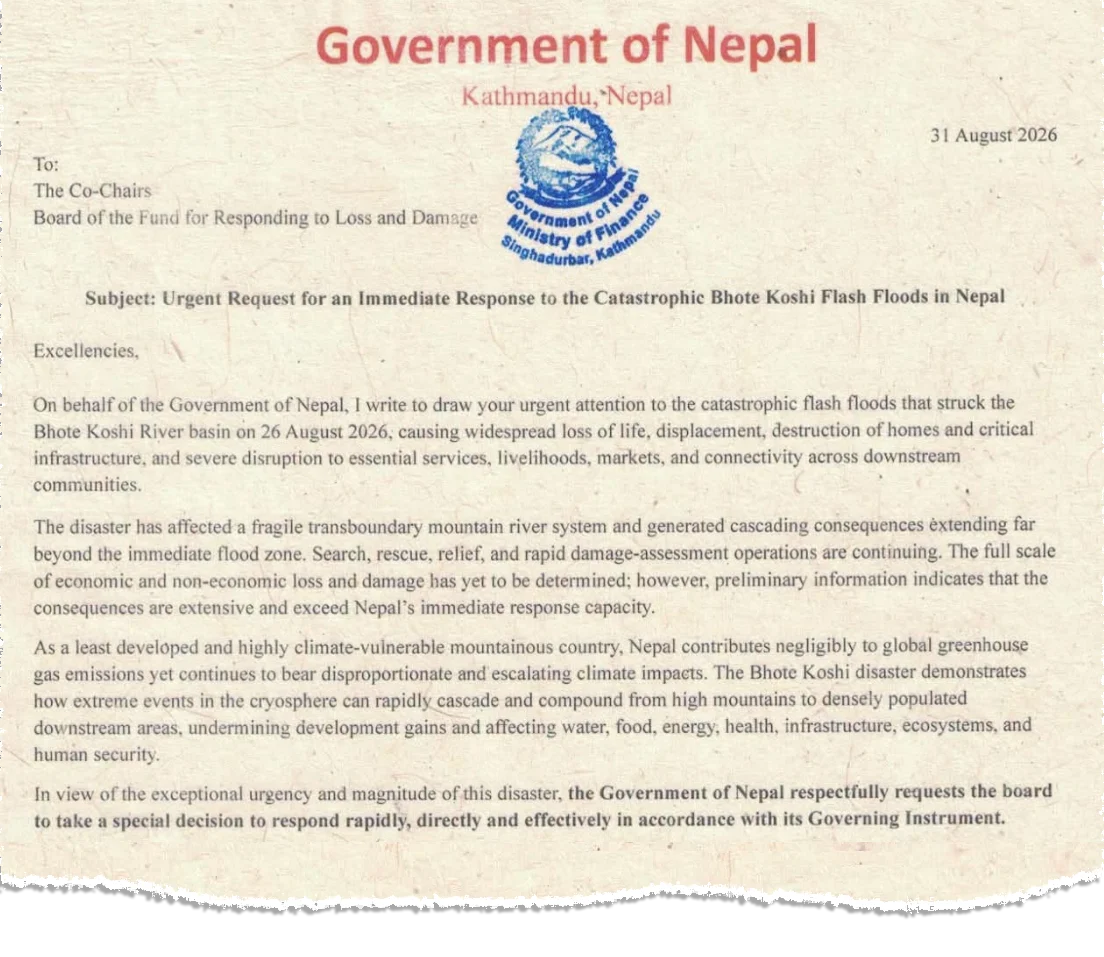
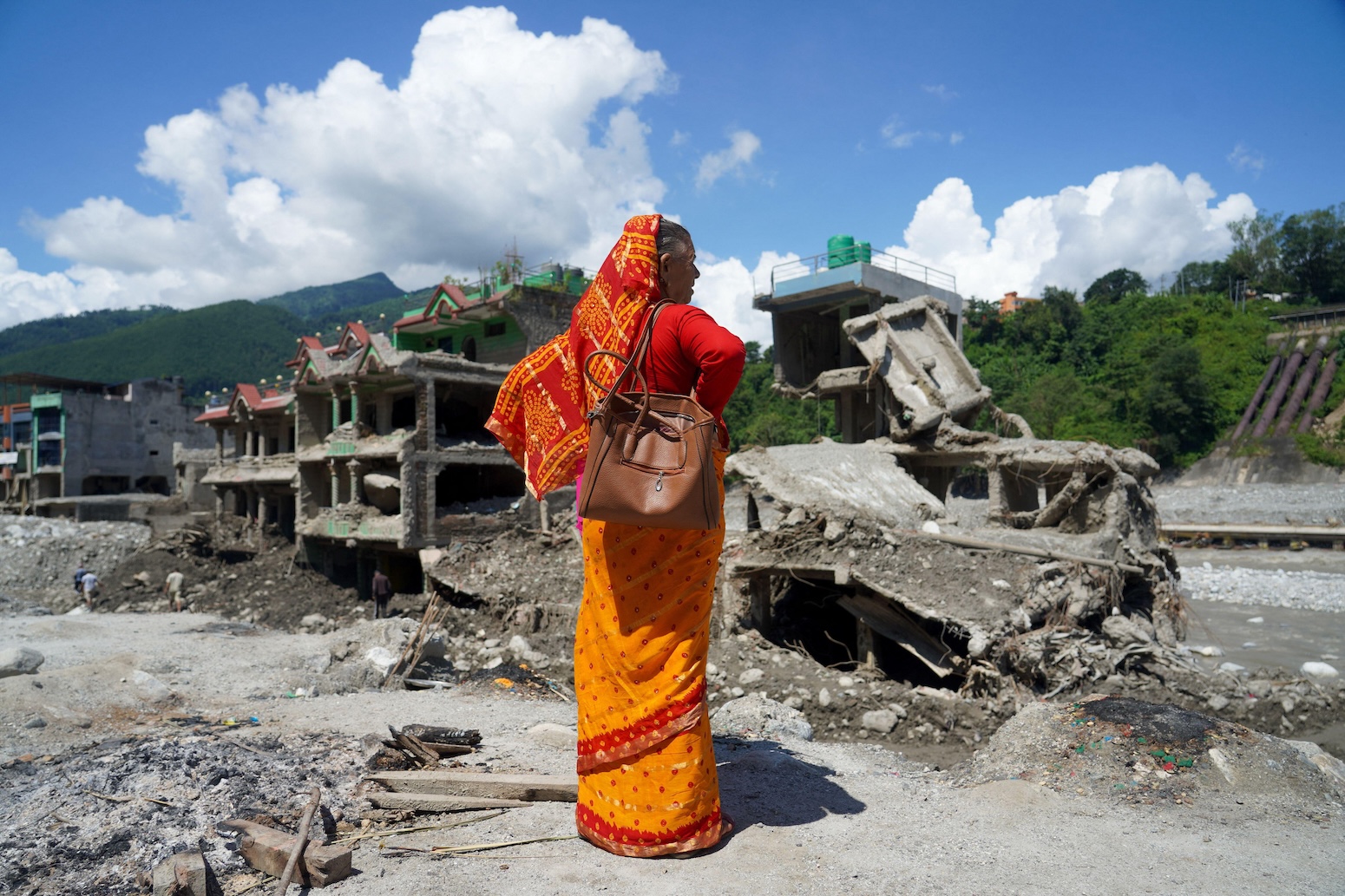
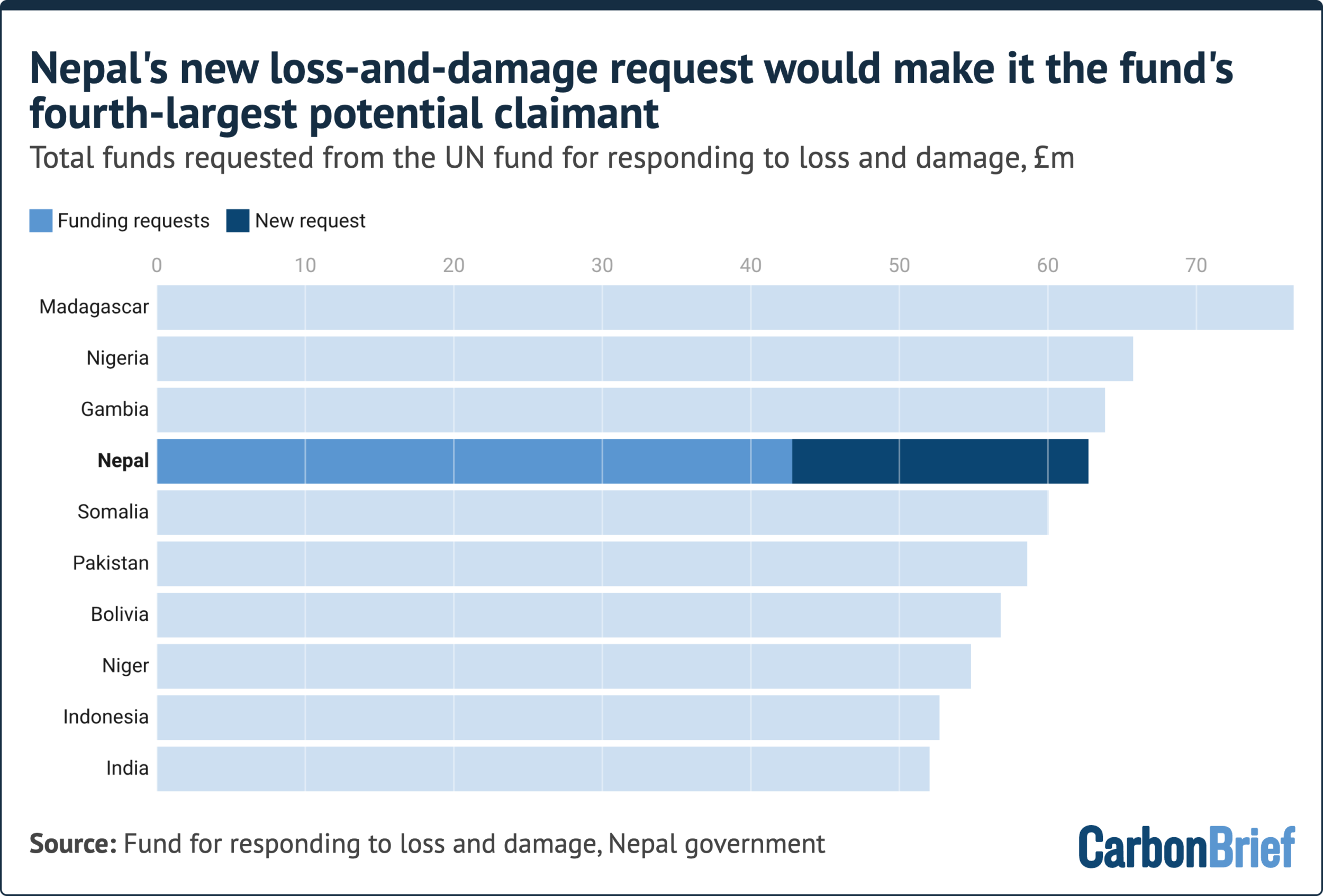
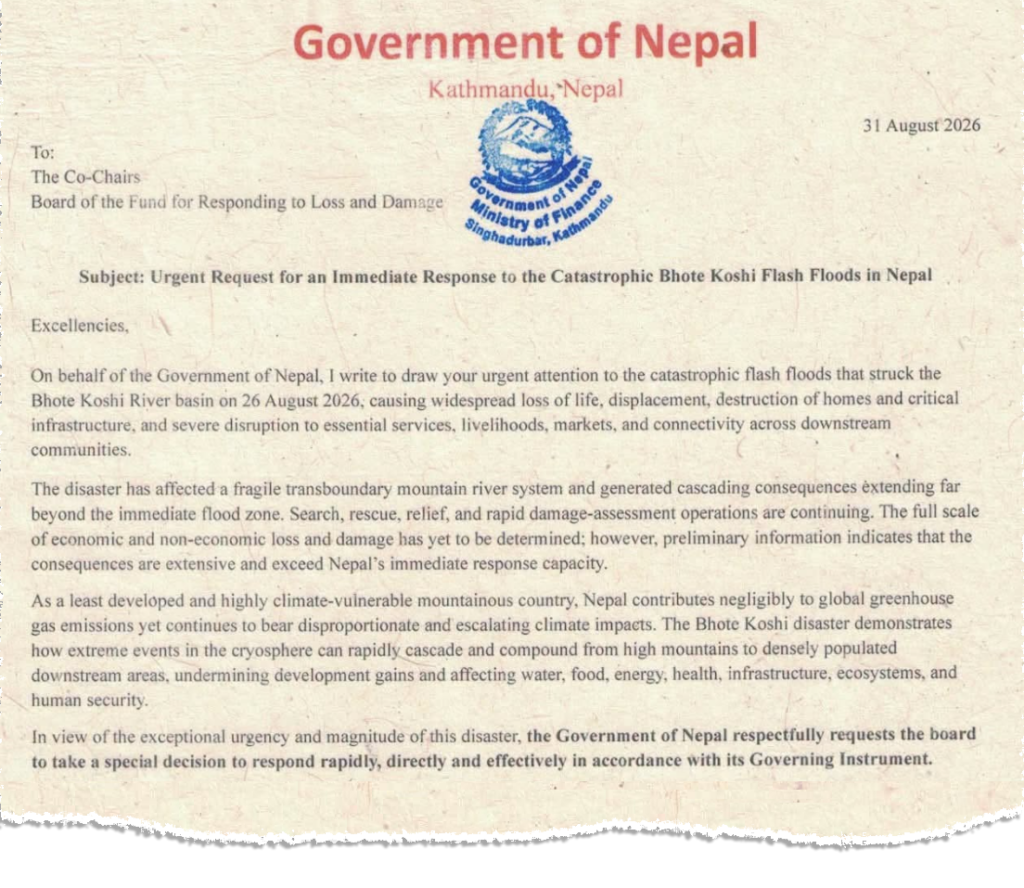
In the wake of a catastrophic Himalayan flood that has claimed over 1,400 lives and left thousands more missing, the government of Nepal has issued a desperate appeal to the international community. On August 26, 2026, a massive rock-ice avalanche triggered devastating flash floods, shattering infrastructure and devastating rural communities. In response, Kathmandu has requested $20 million from the UN’s newly established "Loss and Damage" fund.
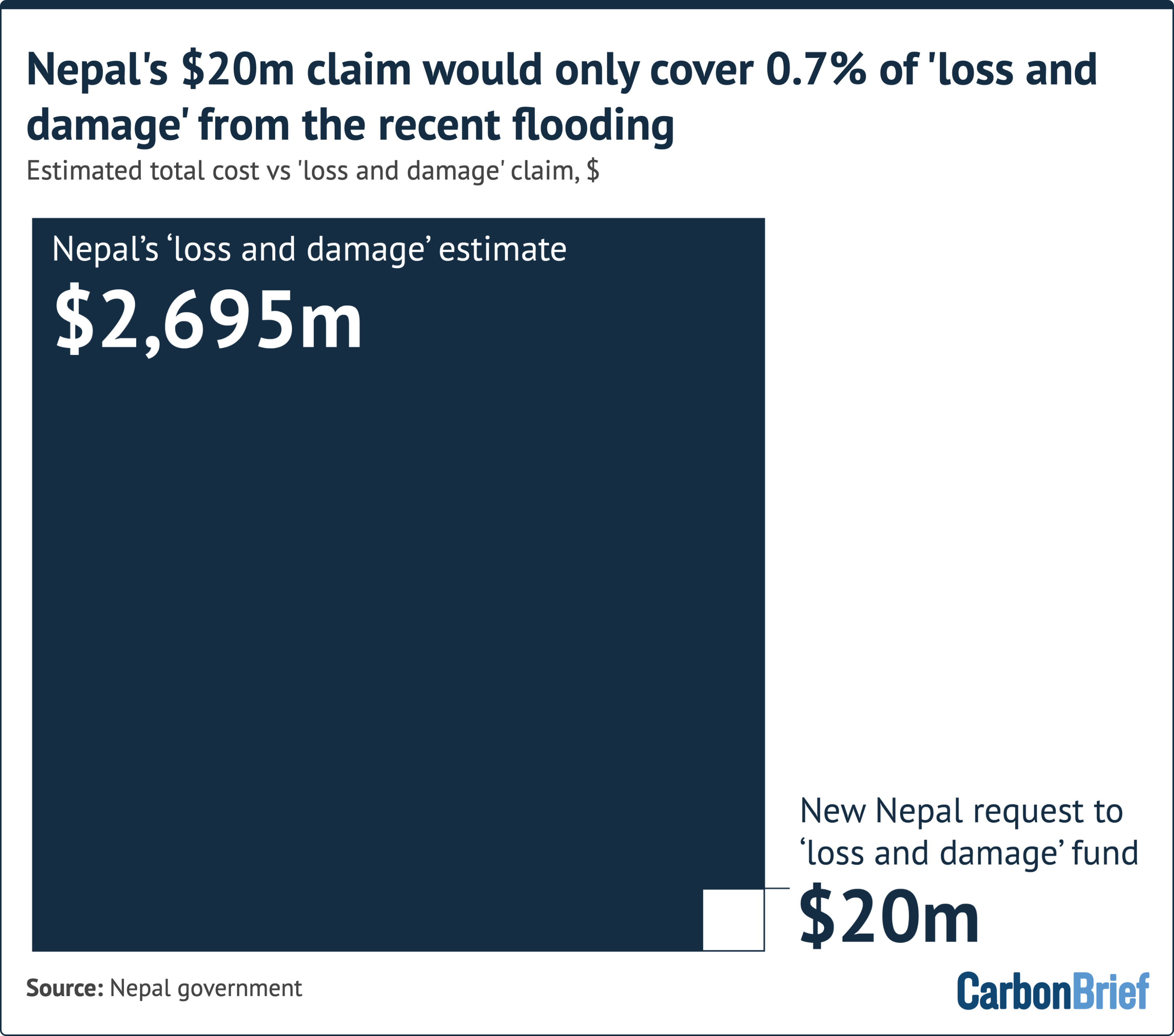
While the sum is critical for immediate relief, it represents a mere fraction—0.7%—of the $2.7 billion in physical and economic losses estimated by the Nepali government. As the nation battles to recover from the wreckage, the request has ignited a fierce debate regarding the viability, speed, and moral obligation of the global climate finance architecture. With the fund having yet to distribute a single penny since its inception in 2023, Nepal’s struggle has become a litmus test for the promise of climate justice.
A Chronology of Catastrophe and Plea
The disaster began on August 26, 2026, when a high-altitude rock-ice avalanche cascaded into the Himalayan border region, setting off a chain of flash floods that swept away homes, bridges, and livelihoods. The speed and intensity of the event left little time for evacuation, resulting in a humanitarian crisis of immense scale.
Days later, the Nepali government, led by Finance Minister Dr. Swarnim Wagle, reached out to the board of the UN Loss and Damage Fund. The government formally requested the maximum permissible amount for a single project—$20 million—to facilitate an "urgent response."
Despite the urgency, the process has been mired in administrative inertia. While the board has acknowledged the application and discussed the "consultation" process, no commitment for actual disbursement has been made. As the nation moves toward October, the victims remain largely unsupported by the very mechanism designed to assist them, raising questions about whether the fund is built for the rapid-onset disasters it was explicitly created to address.
The Chasm Between Requests and Pledges
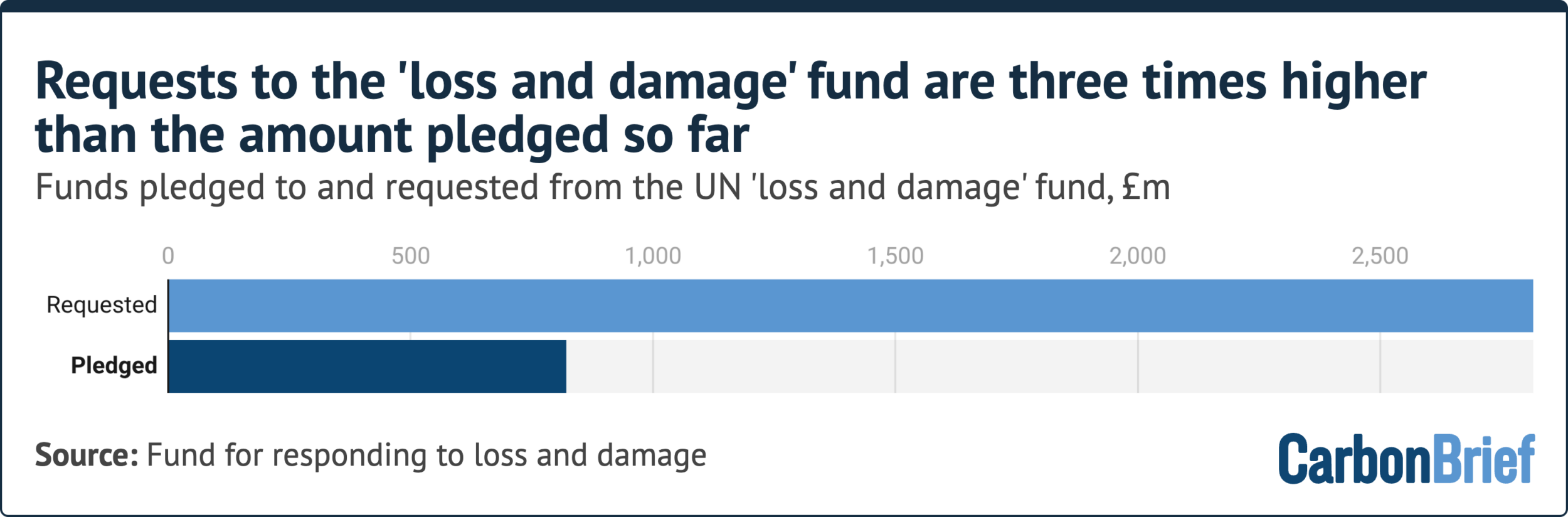
The situation in Nepal is not an isolated incident but rather the most recent symptom of a systemic funding gap. According to analysis of the UN fund’s pipeline, developing nations have submitted 176 applications between December 2025 and July 2026, requesting a collective $2.8 billion to recover from droughts, storms, and floods.
Against these massive needs, predominantly developed nations have pledged only $822 million—less than one-third of the requested amount. Compounding this shortfall, only about half of the pledged funds have actually been deposited into the fund by donor nations, with significant arrears from countries including France, Italy, and the UAE.
This mismatch has left the fund in a state of suspended animation. Although $342 million was ostensibly made available in the July 2026 funding round, the lack of actual distributions to date suggests that the bureaucratic hurdles are outweighing the humanitarian imperative.
Supporting Data: The Scale of Destruction
To understand the inadequacy of current funding mechanisms, one must look at the math of recovery. Nepal’s disaster management authority has conducted a rapid preliminary assessment, pegging the total "damage and loss" at $2.7 billion. If one includes the broader definition of "recovery and reconstruction" costs, the total financial requirement balloons to $7.5 billion.
In this context, the $20 million request—the current cap for any individual project—is barely enough to patch the most urgent infrastructure gaps. Raju Pandit Chhetri, a lead climate negotiator for Nepal, put it bluntly: "That money is going to be a peanut if it was to be invested into reconstruction."
The data highlights a grim reality: the UN fund is currently operating under caps that prevent it from providing meaningful, large-scale relief. For countries like Nepal, which account for a significant portion of the requests alongside small-island nations and other "least developed countries," the current model serves as a palliative measure rather than a transformative solution.
Official Responses and Diplomatic Tensions
The response from the international community has been marked by a stark division. Members of the board representing Asia-Pacific and African nations have been vocal in their support for Nepal, drafting letters that urge the board to establish a "provisional set-aside" for rapid-response funding. They argue that the board’s handling of this disaster will set a precedent for future extreme-weather events.
In contrast, representatives from developed nations have maintained a cautious, and some argue, cold stance. While they have expressed support for "consultations," they have been hesitant to commit to a rapid disbursement process. Experts like Harjeet Singh, a veteran loss-and-damage strategist, suggest that this hesitation is tactical. Developed nations fear that a rapid, large-scale payout to Nepal would create a precedent that would leave them under constant, unmanageable pressure to fund every subsequent climate disaster.
"Developed countries gave a really cold response to Nepal’s request," says Singh. "They have not addressed it because they know that if this happens once, they are going to be under pressure all the time. This is unacceptable."
The Role of Attribution Science
Nepal is now attempting to bolster its claim by leveraging climate attribution studies. Recent analysis by World Weather Attribution and other climate experts suggests that the specific conditions of the Himalayan floods—including accelerated glacial retreat and permafrost thaw—are directly linked to anthropogenic global warming.
By linking the specific disaster to climate change, Nepal hopes to shift the narrative from one of "charity" to one of "liability." Prime Minister Balendra Shah is expected to bring this argument to the UN General Assembly on September 24, where he will likely highlight the inherent vulnerability of mountain nations and the failure of current mechanisms to provide climate justice.
Implications: A Test of Global Solidarity
The failure of the Loss and Damage Fund to move beyond the talking stage holds profound implications for the future of international climate negotiations.
1. The Erosion of Trust
The primary risk is the total loss of confidence in the UN climate framework. For the "Global South," the loss and damage fund was the primary concession won at COP28. If that fund fails to deliver in a moment of acute crisis, the political will for future climate cooperation—including emission reduction targets—may evaporate.

2. The Need for "Rapid Response" Architecture
The current structure of the fund is modeled on long-term development loans, which require extensive vetting and project-planning cycles. However, extreme weather events require a "humanitarian" model—one that can deploy cash within days, not months. The Nepal case proves that the current institutional design is fundamentally incompatible with the nature of climate-induced disasters.
3. The Future of Climate Litigation
If the UN framework remains paralyzed, it is likely that developing nations will shift their efforts toward regional cooperation or, more aggressively, to international legal forums. The move to use attribution science is the first step in this direction, signaling that if wealthy nations will not pay through voluntary funds, they may soon be forced to pay through litigation.
4. A Deadlock at the Board Level
With the next board meeting not scheduled until December 15, two months after the disaster, the timeline for potential relief is already dangerously delayed. By that time, the immediate, life-saving impact of the funds will have passed, and the country will be deep into a self-funded, painful recovery process.
Conclusion
Nepal’s $20 million request is more than a financial application; it is a plea for the international community to honor the promise of climate justice. As the world watches, the Loss and Damage Fund stands at a crossroads. It can either evolve into a nimble, responsive mechanism capable of addressing the harsh realities of a warming world, or it can remain a symbolic gesture—a hollow promise that fails the very people it was created to protect.
For the victims of the Himalayan floods, the bureaucratic maneuvering in boardrooms in distant cities offers no warmth, no shelter, and no rebuilding of their shattered lives. The "test" for the fund, as described by Chhetri, is simple: if it cannot act now, in the face of such clear and tragic devastation, it is difficult to imagine a scenario where it will ever function as intended. The world is waiting to see if solidarity is a policy or merely a talking point.


 Laily UPN
 Lina Hope
 Iffa Jayyana
 Rifan Muazin
 Suro Senen
 Lina Irawan