
 Evan Lee Salim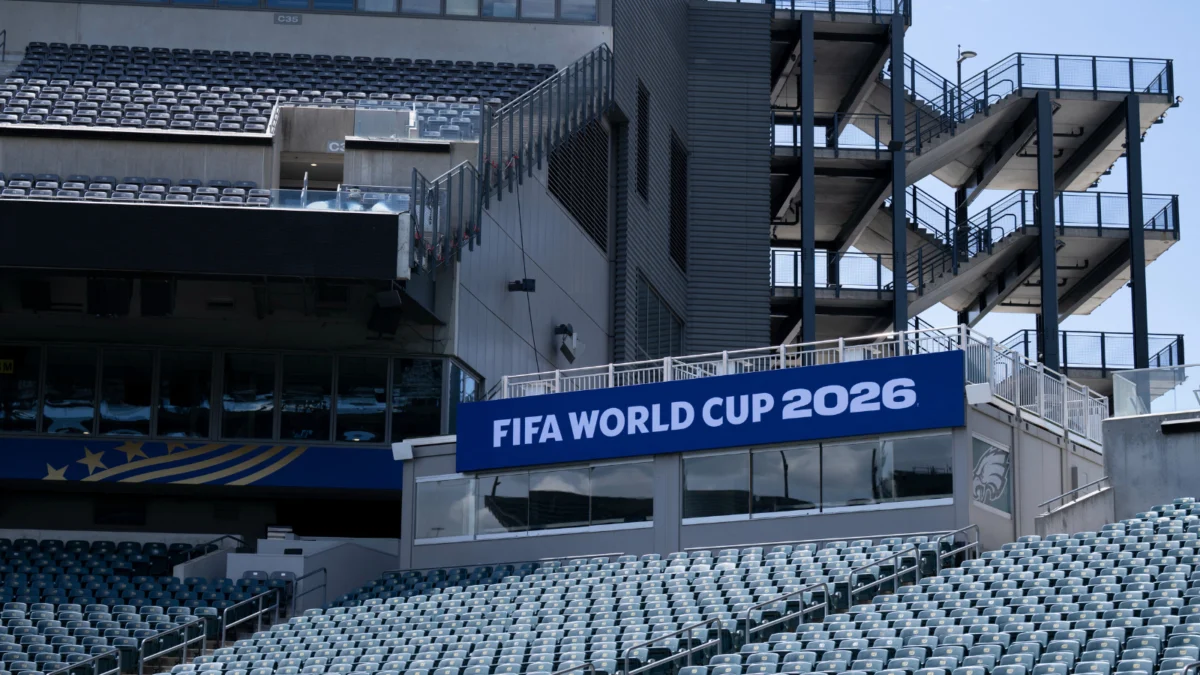
As the global sporting community prepares for the upcoming World Cup, a significant rift has emerged between the tournament’s high-stakes commercial strategy and the populist sensibilities of its domestic host. Recent comments by President Donald Trump regarding the exorbitant cost of entry—specifically his vocal disapproval of $1,000 baseline tickets—have ignited a broader debate about the accessibility of "the beautiful game" and the economic projections surrounding the tournament.
While organizers maintain that the pricing reflects the unprecedented demand for a global event hosted on American soil, the disparity between these figures and the financial realities of the average fan has become a flashpoint. This report examines the intersection of high-finance sports management, political advocacy, and the cooling enthusiasm of the international tourism market.
The Catalyst: A Presidential Critique
The controversy began in earnest last month when President Trump, during an exclusive interview with the New York Post, expressed profound shock upon learning the entry-level pricing for World Cup matches.
"If people from Queens and Brooklyn and all of the people that love Donald Trump can’t go, I would be disappointed," the President stated. "I would like to be able to have the people that voted for me to be able to go. I wouldn’t pay it either, to be honest."
For a tournament that prides itself on being a unifying cultural force, these remarks struck a nerve. The President’s focus on his core demographic—specifically working-class residents of boroughs like Queens and Brooklyn—highlights a fundamental tension in modern sports hosting: the push to maximize luxury revenue versus the optics of excluding the "common fan."
Chronology of the Pricing Dispute
The evolution of this ticket controversy can be traced back to the initial bidding and organizational phases of the tournament:
- 2023–2024 (The Planning Phase): Organizers projected record-breaking revenue, fueled by premium corporate packages and a belief that the U.S. market’s high disposable income would absorb aggressive pricing models.
- Early 2026 (The Public Launch): As ticket tiers were officially released, early reports indicated a significant shift toward "dynamic pricing" models and high-end hospitality seating, pushing base-level tickets to the four-figure range for marquee matchups.
- May 2026 (The Political Intervention): President Trump’s public critique in the New York Post forced a pivot in the media narrative. The focus shifted from the spectacle of the sport to the socio-economic accessibility of the event.
- Late May 2026 (The Current Standoff): With the tournament dates approaching, organizers are struggling to balance fiscal requirements with the growing political pressure to introduce more affordable ticket tiers for local residents.
Supporting Data: The Economic Disconnect
While the tournament is expected to shatter domestic attendance records, the underlying data suggests a more complex reality. The primary issue is not just the price of the tickets, but the shift in the attendee demographic.
The "International Visitor" Gap
Initial projections from sports economists suggested a massive influx of international tourists, which would drive local hospitality and retail spending. However, recent data indicates that international visitor numbers are lagging significantly behind expectations.
Experts point to several factors:
- Inflationary Pressures: The global cost-of-living crisis has dampened long-distance travel, particularly for European and South American fans who typically make up the bulk of World Cup attendees.
- Currency Fluctuations: The strength of the U.S. dollar against foreign currencies has made an American-hosted World Cup prohibitively expensive for many international travelers.
- Visa and Logistics Hurdles: Complexities in international transit have led many global fans to choose local viewing parties over travel to the U.S.
Ticket Pricing Structures
A breakdown of the current pricing models reveals that "entry-level" tickets are often held in limited quantities, while the bulk of the inventory is funneled into premium, VIP, and hospitality packages. This "premiumization" of sports events is a trend seen in the NFL and NBA, but it is causing significant friction in the context of the World Cup, which has historically been a more egalitarian, global event.
Official Responses and Stakeholder Positions
The response to the President’s comments has been measured but pointed. FIFA officials, speaking on condition of anonymity, have defended the pricing as necessary to sustain the tournament’s immense operational costs, including stadium security, infrastructure upgrades, and the global logistics of moving teams and officials.
"The World Cup is a unique event," one representative noted. "The demand for the 2026 tournament is unlike anything we have seen in history. Pricing reflects market demand, but we are also committed to ensuring that the tournament remains accessible to the true fans of the sport."
However, local organizing committees in cities like New York and Los Angeles have expressed concern. City officials, who are responsible for the logistical burden of hosting, are worried that if local residents are priced out, the "home-field advantage" and the cultural vibrancy of the host cities will be diminished.
The Implications: What This Means for Future Events
The current impasse carries significant weight for the future of mega-sporting events in the United States.
1. The Politicization of Sports Pricing
President Trump’s involvement signals a new era where ticket pricing is no longer just a business decision; it is a political issue. If future events are viewed as "elitist" or inaccessible to the working class, they may face scrutiny from federal regulators or, at the very least, a public relations backlash that complicates corporate sponsorships.
2. The Shift in Tourism Strategies
The shortfall in international attendance forces a re-evaluation of the "World Cup economic miracle." Cities that invested heavily in hotel capacity and public transit expecting a wave of foreign visitors may need to pivot their marketing efforts toward domestic tourism. This requires a complete overhaul of the event’s promotional materials, which were previously geared toward a global audience.
3. The "Accessible Tier" Necessity
Moving forward, organizers of major U.S. sporting events will likely be forced to include "community-focused" ticket quotas. By reserving a percentage of seats for local residents or lottery-based entry at a lower price point, organizers can mitigate the optics of exclusivity and maintain community goodwill.
4. Brand Reputation and Corporate Social Responsibility
Brands that are heavily invested in the World Cup—the "top marketers" mentioned in industry circles—must now navigate a landscape where their association with the event could be perceived as endorsing the high-cost barrier. Marketing teams are currently recalibrating their campaigns to emphasize "community engagement" rather than just the exclusivity of the VIP experience.
Conclusion: A Balancing Act
The 2026 World Cup stands at a crossroads. While the commercial success of the tournament is nearly guaranteed by the sheer volume of U.S. demand, the "soul" of the event remains a point of contention.
President Trump’s comments have catalyzed a long-overdue discussion about who exactly these global spectacles are for. If the World Cup remains a playground for the affluent, it risks losing the raw, grassroots energy that defines the sport. Conversely, if organizers adjust their pricing to appease political and public pressure, they risk alienating the investors and sponsors who bankrolled the tournament’s ambitious infrastructure.
As the countdown to the first match continues, all eyes will be on whether the organizing committee can bridge the gap between the boardroom and the bleachers. For now, the "price of admission" remains a subject of intense debate—one that will likely shape the trajectory of professional sports for years to come.
As the industry continues to evolve, staying informed is critical. The future of brands is being shaped in real-time at events like Brandweek, where the world’s top marketers gather to decode these complex shifts in consumer behavior and political influence.

 Reynand Wu
 Iffa Jayyana
 Raul Delapena Setiawan

 Sagoh
Sagoh

 Azzam Bilal Chamdy
 Ali Ikhwan