
 Jia Lissa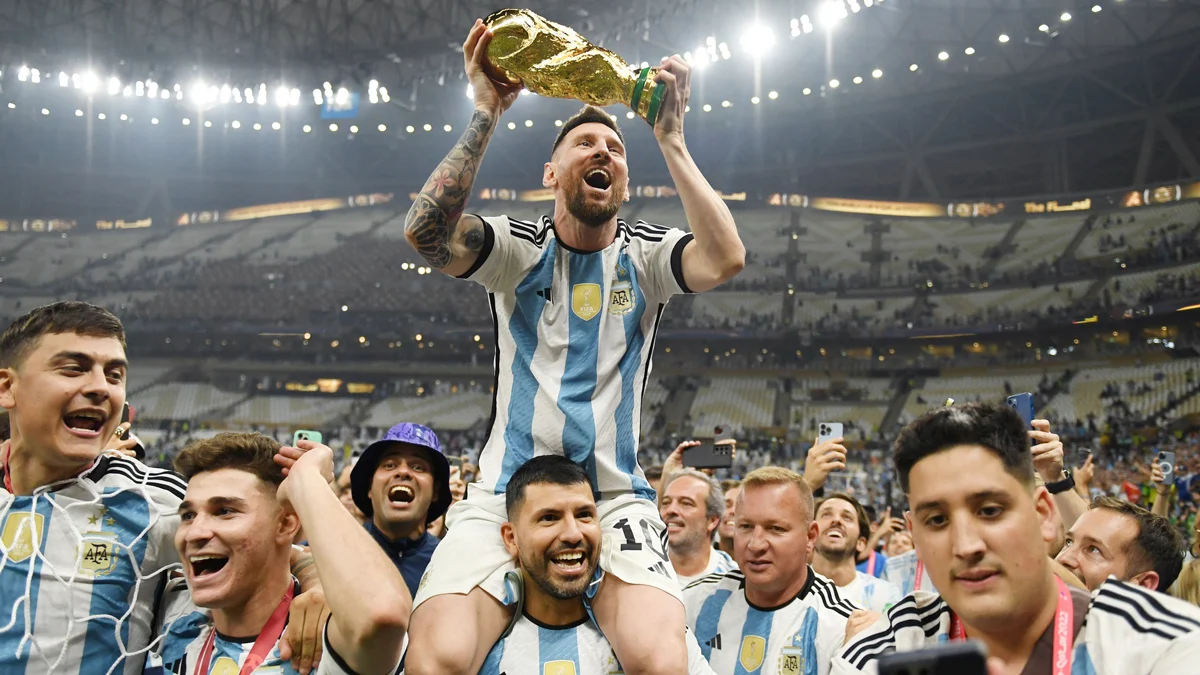
As the global appetite for soccer—and live sports at large—reaches a fever pitch, the intersection of fandom, media, and commerce has never been more volatile or more lucrative. On Thursday, industry leaders gathered at the iconic Edge in Manhattan for the ADWEEK House: Sports Summit, an event designed to dissect how brands can navigate the increasingly complex landscape of modern sports engagement.
The consensus among the gathered marketers and media executives was clear: The traditional, static marketing campaign is dead. In its place, the future of brand equity belongs to those who can pivot with precision, responding to cultural moments as they unfold in real time.
Main Facts: The Shift Toward Reactive Strategy
The central premise of the summit was that sports are no longer just content; they are the bedrock of cultural conversation. With the world turning its eyes toward the 2026 World Cup and the continued professionalization of emerging leagues, the "moment" has become the primary vehicle for consumer connection.
For brands, the challenge lies in moving away from long-lead, rigid media planning. During the inaugural panel, When the Moment Becomes the Media Plan, industry heavyweights argued that the velocity of digital media requires a shift in infrastructure. Marketing teams can no longer afford to spend months crafting a narrative that may be rendered obsolete by a single viral play, a referee’s controversial call, or an underdog’s historic victory. Instead, success now depends on the ability to embed a brand’s presence into the fabric of the live event, making the brand a participant in the narrative rather than an interrupter of it.
Chronology: A Day of Strategic Unpacking
The summit’s opening session set a frantic, high-energy tone that mirrored the industry it aimed to define.
- 9:00 AM – The Opening Frame: Bill Bradley, Adweek’s editor, opened the floor by posing a fundamental question: How does a brand build a media plan when the outcome of the "content" is entirely unpredictable?
- 9:20 AM – The Data Integration Phase: Tony Marlow of Genius Sports highlighted the role of data-driven real-time odds and performance metrics in keeping fans engaged across second screens.
- 9:45 AM – The Monetization Pivot: Representatives from Fox Television Stations and MadHive dissected the shift toward programmatic advertising during live windows, emphasizing the necessity of speed in ad-buying infrastructure.
- 10:15 AM – The Fandom Ecosystem: Courtney Carter (Seattle Sounders/Reign) and Andrew Perlmutter (NBA Take-Two) shifted the focus to the human element, discussing how clubs are turning fans into micro-influencers to bridge the gap between stadium experience and digital footprint.
- 10:45 AM – Cultural Curation: The panel concluded with Regan Clark of Suntory Global Spirits, who underscored that while the delivery is digital, the emotional resonance remains rooted in traditional rituals, such as celebrating a win with a drink.
Supporting Data: Why "Live" Is the Final Frontier
The arguments presented at the summit were bolstered by the undeniable trajectory of audience consumption. According to current market data, live sports remain the only genre capable of drawing massive, simultaneous audiences in an era of fragmented streaming.
- The "Live" Premium: Advertisers are shifting budget away from scripted primetime slots toward live sporting events. The value of an impression during a live match—where the audience is emotionally invested—is estimated to be 40% higher than during pre-recorded content.
- The Second Screen Reality: Over 75% of sports fans report using a mobile device to interact with social media or betting platforms while watching a live game. This "dual-screen" behavior represents the single greatest opportunity for brands to insert themselves into the conversation.
- Real-Time ROI: Marketing campaigns that utilize dynamic creative optimization—changing the ad copy based on the score or the minute of the game—have seen a 25% increase in conversion rates compared to static creative during the same live event.
Official Responses and Expert Insights
The panel represented a cross-section of the sports-media-marketing complex, providing a 360-degree view of the transformation.
Tony Marlow (Genius Sports) emphasized the technological backbone required for this shift. "We are in the era of ‘contextual relevance.’ If you aren’t using data to understand exactly what a fan is seeing on their screen at the exact second they are seeing it, you are losing the opportunity to be part of their experience."
Courtney Carter (Seattle Sounders/Reign FC) focused on the community aspect. "Fandom isn’t a top-down broadcast anymore. It’s a peer-to-peer conversation. Our job as a club is to provide the platform and the cultural touchpoints, and then step back and let the fans drive the narrative. Brands that try to hijack that conversation usually fail; brands that join the conversation as a peer succeed."
Regan Clark (Suntory Global Spirits) provided the brand perspective, noting the balance between innovation and heritage. "We want to be where the celebration is. When a team wins, that’s a moment of peak emotion. If we can facilitate that moment—if we are part of the ritual of the post-game drink—we aren’t just an ad; we’re a partner in the memory."
Anthony Campanella (MadHive) addressed the technical reality of media buying. "If you’re still buying inventory three months out and hoping for the best, you’re playing the old game. The infrastructure now allows for split-second adjustments. The question is: do you have the creative assets ready to deploy the moment the game changes?"
Implications: The Future of the Marketing Playbook
The implications of the ADWEEK House: Sports Summit are profound for CMOs and agency leads globally. To survive in the coming decade, the marketing function must undergo three fundamental changes:
1. From "Content Creator" to "Moment Curator"
Brands must stop viewing themselves as creators of long-form, polished commercials. Instead, they must become curators of "moments." This requires a leaner, more agile creative team capable of producing content in hours, not weeks. The ability to "meme-ify" a brand’s presence in response to a game-winning goal is now a critical business skill.
2. The Integration of Betting and Commerce
With the explosion of sports betting, the line between watching a game and participating in the financial stakes of that game has blurred. Brands are now looking at how to integrate transactional elements—buying a jersey, ordering a drink, or placing a wager—directly into the streaming experience.
3. The Death of the "Broadcast" Mindset
The era of the "big broadcast" is evolving into the era of "hyper-personalized streams." AI and machine learning will soon allow for different viewers to see different advertisements based on their personal preferences and betting history during the same live match. This level of granular targeting is the new gold standard.
4. Cultural Literacy as a Competitive Advantage
Finally, the summit underscored that sports marketing is no longer just about demographic reach; it’s about cultural literacy. Brands that understand the specific nuances of soccer, basketball, or hockey—the lingo, the legends, and the rivalries—will outperform those that simply buy space on a scoreboard.
Conclusion: Meet Us in New York
As the industry looks toward the 2026 World Cup—a massive global event that will serve as the ultimate proving ground for these new methodologies—the message from the ADWEEK House is clear: the future is live, the future is reactive, and the future is collaborative.
For those looking to stay at the vanguard of this shift, the conversation continues in New York City. The lessons debated at the Edge are only the beginning of a larger, systemic change in how brands interact with the most powerful medium on the planet: sports. Whether you are a legacy brand looking to stay relevant or a startup looking to capture the energy of the next generation, the playbook has been rewritten. The only question remains: are you fast enough to follow it?
For more insights into the future of the industry, join the conversation at the ADWEEK Sports Summit in NYC on July 16.

 Reynand Wu
 Iffa Jayyana
 Raul Delapena Setiawan

 Sagoh
Sagoh

 Azzam Bilal Chamdy
 Ali Ikhwan