
 Neng Nana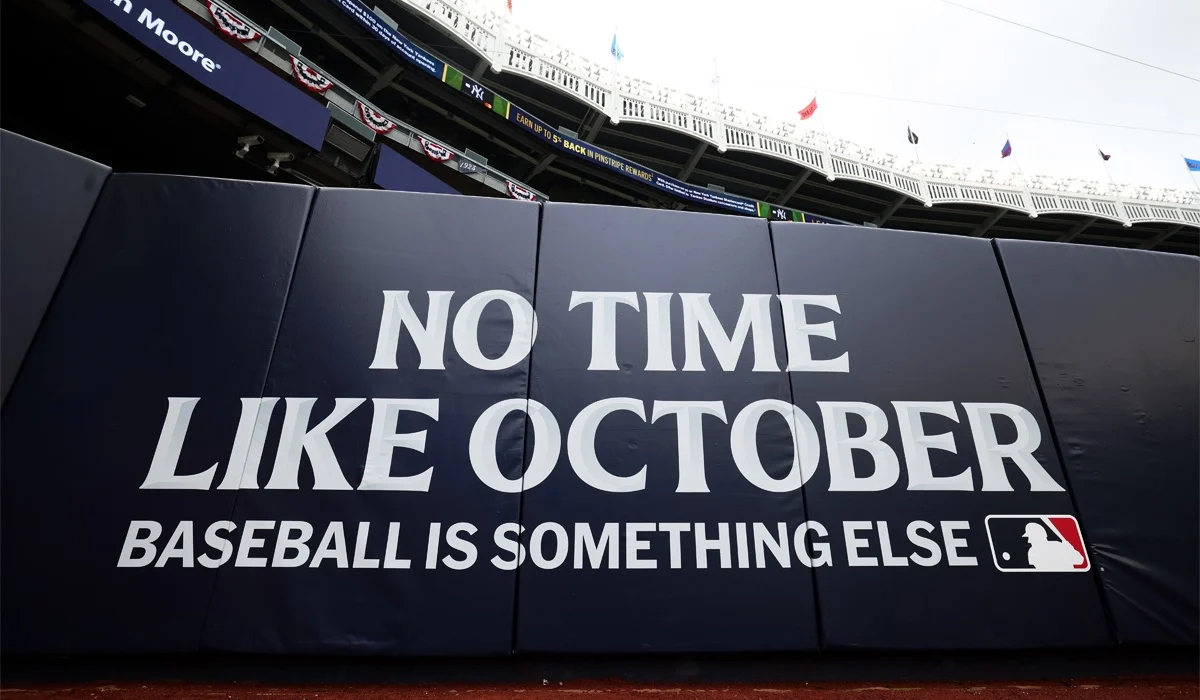
As the crisp autumn air descends upon baseball stadiums across North America, Major League Baseball (MLB) is orchestrating more than just a series of high-stakes games. For the 2026 postseason, the league has embarked on an aggressive, multi-channel marketing campaign designed to transform the month of October into an unavoidable cultural phenomenon. By merging traditional print prestige with a high-velocity digital strategy, MLB is attempting to solve a perennial challenge for sports leagues: maintaining momentum in an increasingly fragmented media landscape.
The Strategy: "No Time Like October"
At the heart of this year’s initiative is the campaign tagline: "No Time Like October." This messaging is more than a slogan; it is a directive aimed at reclaiming the fan’s attention span.
In late September, the league executed a calculated "stunt" that bridged the gap between legacy media and digital discourse. MLB purchased full-page advertisements in the New York Times, the Los Angeles Times, and other regional papers in key postseason markets. The copy was stark and evocative: "October Starts Today."
This move served a dual purpose. First, it functioned as a psychological anchor, signaling to the casual viewer that the regular season’s conclusion is merely the prelude to the true main event. Second, it provided a visual centerpiece for social media amplification. By occupying the physical space of a traditional newspaper, MLB leveraged the authority of established print media to generate buzz on platforms like X (formerly Twitter), where the campaign immediately trended among baseball enthusiasts and sports commentators.
A Chronology of the Campaign Launch
The rollout of the 2026 postseason marketing effort was a masterclass in pacing, designed to build a crescendo toward the World Series.
- Late August 2026: Internal creative teams and external agencies finalize the "No Time Like October" assets, focusing on high-contrast, fast-paced video content that emphasizes the "unpredictable nature" of playoff baseball.
- September 20, 2026: The initial teaser phase begins. MLB influencers and team-affiliated content creators start dropping hints about a "shift in the calendar."
- September 25, 2026: The "October Starts Today" print campaign hits newsstands in New York, Los Angeles, Chicago, and other critical baseball markets. This serves as the primary "disruption" event.
- September 26, 2026: Digital integration begins. A series of short-form videos highlighting iconic, split-second moments from previous postseasons goes live across Instagram, TikTok, and YouTube.
- October 1, 2026: Official launch of the postseason broadcast campaign, utilizing high-frequency ad spots during nationally televised games and streaming platforms.
Supporting Data: Why Attention Metrics Matter
The shift in MLB’s marketing strategy comes at a time when the sports industry is grappling with the evolution of Connected TV (CTV) and the move away from traditional "impressions" as a primary KPI. As noted by industry leaders in the recent ADWEEK Exchange Series, the industry is pivoting toward measuring "real audience attention."
In the context of the 2026 postseason, MLB is utilizing advanced analytics to track how viewers engage with playoff content. According to industry experts, the "No Time Like October" campaign is being measured not by how many screens the ads appear on, but by the "dwell time" and "engagement velocity" of the content.
For brands looking to replicate this success, the lesson is clear: mere frequency is no longer enough. The fragmentation of the audience—spread across cable, streaming, and mobile devices—requires a narrative that transcends the screen. By creating an "urgency" factor, MLB encourages fans to prioritize the live viewing experience, effectively combating the "second-screen" distraction that often dilutes the value of sports broadcasts.
Official Responses and Industry Sentiment
The league’s approach has received significant attention from both brand marketers and sports media analysts.
"The goal this year was to disrupt the routine," said a spokesperson for MLB’s marketing department. "Fans have hundreds of entertainment options. Our job is to remind them that October isn’t just a month on the calendar; it’s a finite window of high-stakes drama that, once missed, cannot be recaptured. ‘No Time Like October’ is an invitation to be present."
Industry analysts have praised the campaign’s blend of "analog prestige" and "digital urgency." Marketing consultant Marcus Thorne notes, "By going into the New York Times with a print ad, MLB is signaling that this is a premium event. They are effectively using old-world media to drive new-world digital traffic. It’s a sophisticated play that respects the history of the game while aggressively targeting the Gen Z and Millennial fanbases who live on social media."
The Implications for Sports Marketing
The success of this campaign has broader implications for how sports organizations approach their postseason windows.
1. The Death of the "Passive" Viewership Model
MLB is explicitly rejecting the idea of the "background" game. By emphasizing that every pitch has the potential to alter history, the campaign aims to turn every playoff game into a "must-watch" event. This is a direct response to the decline of traditional cable viewership, as the league seeks to drive direct subscriptions to its streaming platforms.
2. The Return of Print as a "Disruption" Tool
In an era where digital ads are easily ignored or blocked, a physical, full-page advertisement acts as a "pattern interrupt." It forces the reader to stop and engage with the brand in a physical space, which is then translated into digital value through social sharing.
3. Cross-Platform Consistency
The campaign demonstrates the necessity of a unified voice. From the print ads to the TikTok videos, the messaging remains focused on the theme of "urgency." This consistency builds brand equity and makes the postseason feel like a singular, cohesive narrative rather than a collection of disparate games.
Challenges and Future Outlook
Despite the enthusiasm, the campaign faces significant hurdles. The primary challenge remains the unpredictability of the teams involved. Should the playoffs be dominated by smaller-market teams, the league must work twice as hard to maintain the national buzz they have generated.
Furthermore, the competition for attention is stiffer than ever. With the overlap of the NFL season, the beginning of the NBA/NHL seasons, and the constant churn of streaming entertainment, MLB’s insistence that "October Starts Today" is a bold claim.
However, the data suggests that fans are responding. Early metrics indicate that social media engagement around the "October" hashtag is up 15% compared to the 2025 postseason. The league is currently tracking "intent to watch" metrics, which are trending positively among the 18–34 demographic.
Conclusion: The Road to the World Series
As we move deeper into the month, the "No Time Like October" campaign will continue to evolve. We can expect to see further integration of player-led content, where athletes share their own experiences of the "pressure" of October, further humanizing the high-stakes narrative.
For MLB, this is a litmus test for the future of baseball. If they can successfully convert the "urgency" narrative into sustained viewership numbers, it will set a new blueprint for sports marketing. They are betting that by making the postseason feel like an essential, fleeting cultural moment, they can bring the casual fan back into the fold—and keep the hardcore fan glued to the screen.
In a world where time is our most limited commodity, Major League Baseball is making a persuasive argument that, at least for thirty-one days, there truly is no time like October. As the league continues its, it is clear that they are not just selling baseball games; they are selling the feeling of being part of something that matters, right now. And in the competitive landscape of 2026, that is the most valuable commodity of all.
For those interested in how these strategies translate into higher ROI for CTV and digital media, further insights on audience measurement and strategy can be found at the upcoming ADWEEK Exchange Series. With stops in New York and Boston, the series provides a unique opportunity to learn from industry leaders at companies like Havas, Wayfair, and WHOOP. Seats are limited; registration is advised for professionals looking to stay ahead of the curve.


 Evan Lee Salim
 Jia Lissa
 Basiran
 Iffa Jayyana
 Raul Delapena Setiawan
 Rifan Muazin
 Asro
Asro