
 Dwi Wanna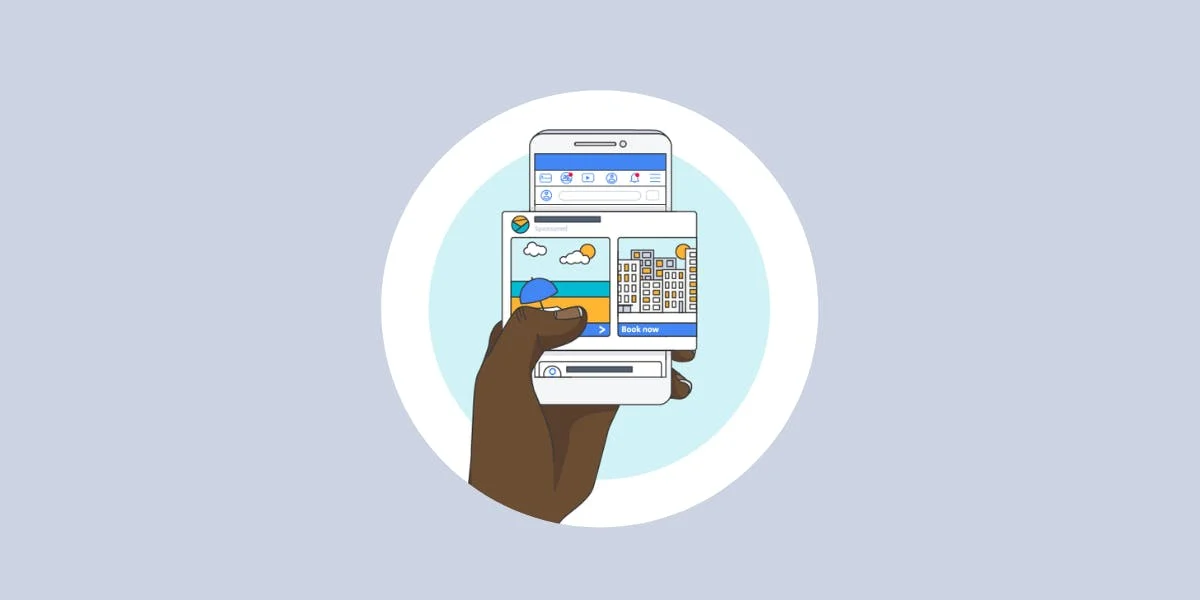
The digital landscape is currently undergoing a period of profound transformation. As platforms shift from simple content distribution hubs to comprehensive ecosystems of commerce, entertainment, and artificial intelligence, the traditional "social media playbook" is being rewritten. For brands, the imperative to maintain cultural relevance has never been higher, nor has the risk of being viewed as an unwelcome intruder in the user’s feed.
In this latest industry round-up, we examine how global giants are leveraging the FIFA World Cup 2026 to redefine sports sponsorship, why synthetic influencers are moving from novelty to business strategy, and how TikTok’s latest venture is collapsing the consumer purchase funnel.
I. The World Cup 2026: From Sponsorship to Cultural Participation
The 2026 World Cup has arrived as the definitive "short-form video" tournament. With algorithms prioritizing high-energy, snackable content, the traditional television-led sponsorship model is facing a major disruption. Brands are finding that the old method of "interruption advertising" is failing to resonate with a digitally native audience that demands authenticity.
The Unilever Pivot
Unilever has emerged as a primary case study in this shift. Having committed to a "social-first" pivot in late 2025, the company is using the World Cup as the ultimate stress test for this new strategy. Rather than relying on traditional ad breaks—which have faced public backlash for prioritizing revenue over the viewer experience—Unilever has launched "The Locker Room."
This 24/7 content hub acts as a digital nexus for creators and football experts, designed to ensure the brand remains part of the ongoing conversation rather than a temporary distraction. By embedding its personal care brands directly into the fan experience, Unilever aims to build genuine "brand desire."
The "Organic Reach" Lesson
While major sponsors invest millions, the most potent marketing moments often occur organically. The recent viral saga involving Scotland fans in Boston serves as a stark reminder of this. When fans reportedly "drank the city dry" of lager, the resulting social media surge provided Sam Adams beer with a level of visibility that no paid campaign could replicate. The takeaway for brands is clear: the most successful activations are those that contribute value to the fan’s experience, rather than simply attempting to monetize their attention.
II. Synthetic Influencers: The Rise of the Scroll-Proof Avatar
The intersection of generative AI and influencer marketing has produced a new, albeit controversial, phenomenon: the AI-generated personality. While virtual influencers like Lil’ Miquela have existed since 2016, the current iteration represents a quantum leap in sophistication.
The "Scroll Test" and Beyond
Modern AI influencers are now capable of passing the "scroll test"—the ability to blend seamlessly into a user’s feed without triggering an immediate sense of artificiality. This shift is driven by the democratization of GenAI tools, which allow brands to generate, manage, and scale their own "stable" of influencers.
For many corporations, the appeal is primarily risk mitigation. A synthetic influencer is entirely brand-safe; they do not have a public history, they are immune to PR scandals, and they offer total control over the brand narrative.
The Backlash and the Need for Transparency
However, the integration of AI characters is not without friction. The recent controversy involving the UK lifestyle magazine Sheerluxe and its AI "editor," Reem, highlights the potential for public resentment. When consumers feel deceived, the backlash can be swift. Sheerluxe was forced to issue a formal clarification, emphasizing that no human jobs were replaced and that the AI was merely an image-based tool, not a content creator.
This serves as a cautionary tale: transparency is the only viable path forward. If brands choose to utilize synthetic avatars, they must clearly disclose the nature of these assets. Failure to do so risks alienating the very audience they seek to influence.
III. TikTok GO: Collapsing the Purchase Funnel
In May 2026, TikTok officially launched "TikTok GO," a move that signals the platform’s intent to dominate the entire travel booking ecosystem. Historically, the travel consumer journey was fragmented: a user would find inspiration on social media, exit the app to search for flights, visit third-party websites to compare hotels, and finally navigate to a separate booking engine. This "leaky funnel" resulted in significant drop-off rates.
Frictionless Conversion
TikTok GO eliminates this friction. By allowing users to discover and book travel experiences—hotels, tours, and attractions—without ever leaving the TikTok environment, the platform is effectively compressing the consumer journey from inspiration to conversion into a few seamless taps.
Industry leaders, including the CEOs of GetYourGuide and other booking partners, have lauded this as a transformative moment for the travel industry. By placing the point of sale at the exact moment of discovery, TikTok is leveraging its most valuable asset: the user’s attention.
IV. Implications: What This Means for the Future of Marketing
The common thread connecting these developments is the shortening of the distance between brand and consumer. Whether through the "always-on" content of a 24/7 sports hub, the scalability of synthetic influencers, or the frictionless purchasing power of TikTok GO, the underlying trend is the removal of barriers.
Strategic Recommendations for Modern Brands
- Prioritize Cultural Integration: In the age of short-form video, brands must shift from "interruptive" advertising to "participatory" content. If your brand does not add value to the conversation, you are likely to be ignored or blocked.
- Adopt a "Human-Plus" AI Strategy: Synthetic influencers should not be viewed as replacements for human talent. Instead, they should be used to augment the marketing mix, handling repetitive or highly controlled interactions while human creators continue to nurture community and drive deep-level engagement.
- Data Sovereignty vs. Convenience: As platforms like TikTok capture more of the purchase journey, brands must weigh the benefit of increased conversion rates against the loss of direct customer data. A hybrid strategy—where platforms are used for discovery, but brands maintain owned digital touchpoints—remains the gold standard for long-term loyalty.
- Embrace Social Listening: The volatility of public sentiment requires robust, real-time social listening. Brands that fail to measure the impact of their digital presence against shifting consumer expectations risk not just a failed campaign, but long-term reputational damage.
The Road Ahead
The digital landscape is no longer a destination; it is an infrastructure. As we look toward the remainder of 2026, it is clear that the brands that win will be those that master the art of being "present" without being "intrusive."
The evolution of social media has moved beyond the simple "like" and "share." It has entered an era of total integration, where the line between content and commerce is increasingly blurred. For marketing professionals, the challenge is no longer just about reaching an audience—it is about providing them with a frictionless experience that feels as natural as it is profitable.
As the industry continues to iterate, staying agile is not just an advantage; it is a necessity for survival in a world that moves at the speed of a TikTok scroll.
For those looking to deepen their understanding of these shifts, Econsultancy will be hosting an expert webinar, "Social media beyond the ‘like’," featuring Specsavers Head of Brand Communications, Lisa Hale, on June 30th at 1pm BST. Attendees will gain actionable insights on how to build brand equity in an increasingly crowded and automated digital ecosystem.


 Ali Ikhwan
 Layla Zulfa
 Lina Irawan
 Ammar Sabilarrohman
 Nana Wu

 Suro Senen
 Jia Lissa