
 Raul Delapena Setiawan
In the contemporary digital economy, "content" is no longer just a byproduct of business; it is the primary interface through which customers experience a brand. However, the mandate for absolute precision in messaging often collides with the reality of fragmented digital ecosystems. As organizations struggle to maintain a presence across an ever-expanding array of channels, teams find themselves stretched thin, leading to operational bottlenecks, diluted brand voices, and inconsistent audience engagement.

To cut through the relentless noise of the digital marketplace, organizations must pivot from reactive, manual production to a centralized, data-driven architecture. This shift requires replacing guesswork with a robust, integrated technology stack—a cohesive ecosystem that streamlines workflows, unearths actionable audience intelligence, and ultimately drives measurable business revenue.
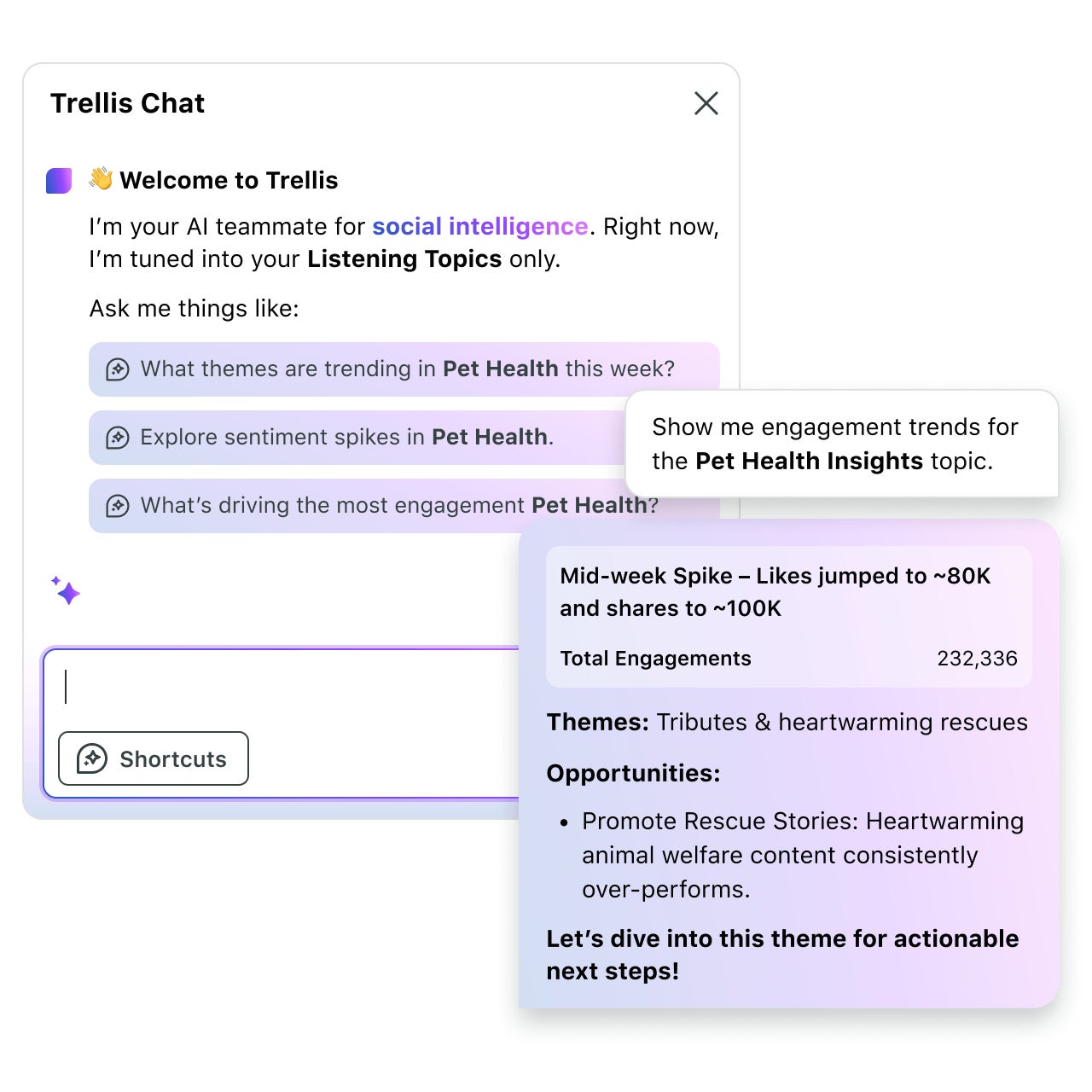
The Evolution of the Marketing Stack: A Chronology of Necessity
The journey toward a centralized marketing stack has evolved significantly over the last decade. Historically, content marketing was a siloed endeavor: writing occurred in word processors, design in desktop software, and distribution via fragmented manual uploads.
- Phase 1: The Manual Era (Pre-2015): Teams relied on spreadsheets and individual logins for every platform. Measurement was reactive, often relying on month-end reports that were already obsolete by the time they reached leadership.
- Phase 2: The Integration Era (2015–2020): With the rise of APIs and cloud-based SaaS, platforms began to "talk" to one another. Marketing Hubs like HubSpot emerged, promising a "single source of truth."
- Phase 3: The Intelligence Era (2020–Present): The current landscape is defined by AI-driven automation and predictive analytics. Today’s stack does not just store content; it recommends timing, optimizes for search, predicts performance, and automates administrative tasks, allowing human talent to focus on high-level strategy.
Foundational Tools for Cross-Channel Mastery
Managing distribution across a fragmented digital landscape often leaves teams guessing where their audience truly spends their time. Foundational tools are the bedrock upon which cohesive cross-channel strategies are built.
Sprout Social: Unified Social Intelligence
Sprout Social stands as the gold standard for social media management, designed to transform organic and paid social investments into measurable business impact. By consolidating publishing, active engagement, and AI-enhanced customer care into a single workspace, it eliminates the need to jump between siloed applications.
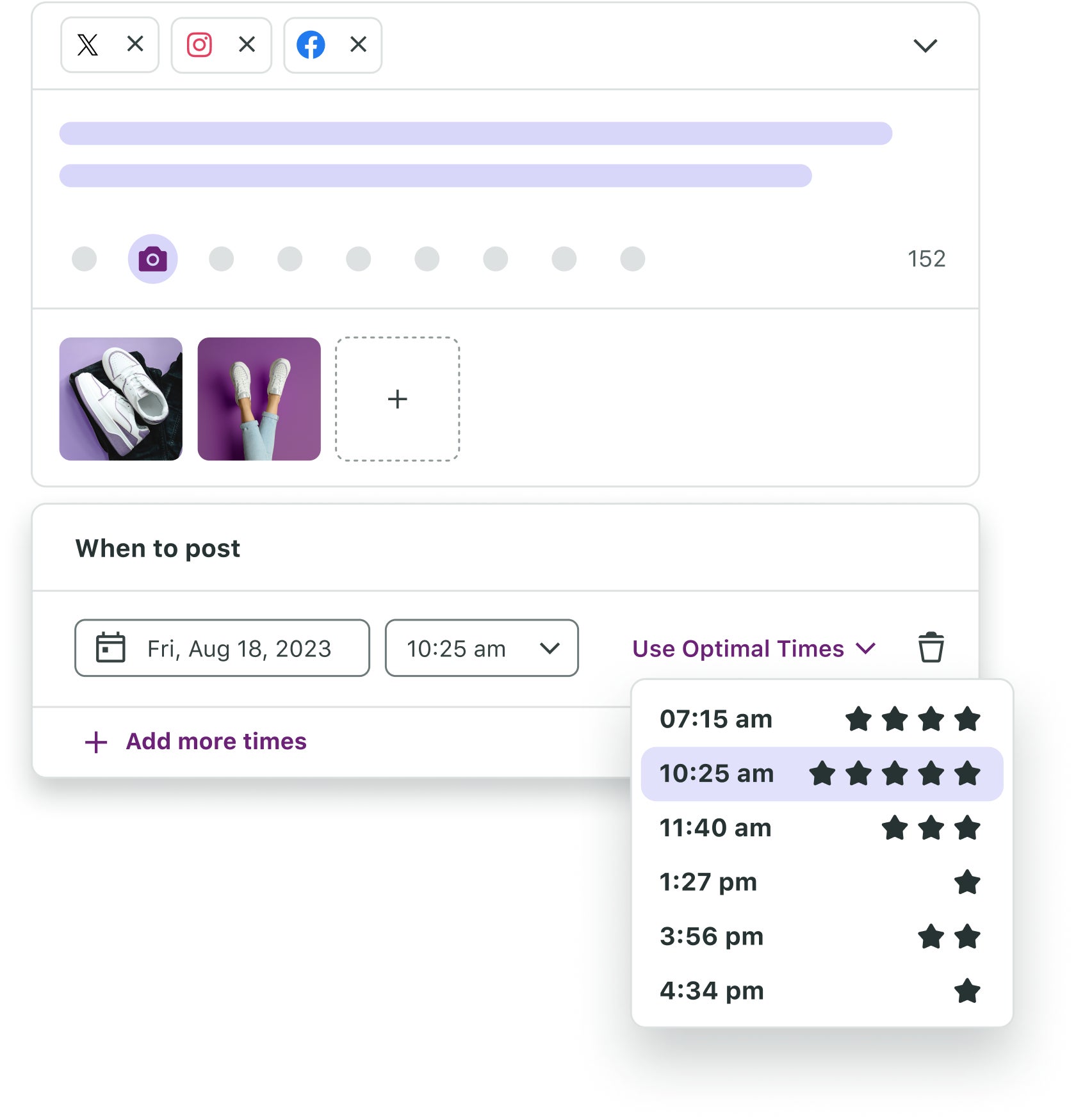
What truly distinguishes Sprout is its human-centric AI and advanced analytics. By processing over one billion daily messages, the platform strips away digital noise, delivering decision-ready intelligence. Furthermore, with patented ViralPost® technology, Sprout removes the guesswork from publishing, automatically dispatching content at the precise moments of peak audience receptivity. With industry-leading usability, teams can achieve onboarding in an average of 34 days, accelerating the path to a potential 268% return on investment.
HubSpot Marketing Hub
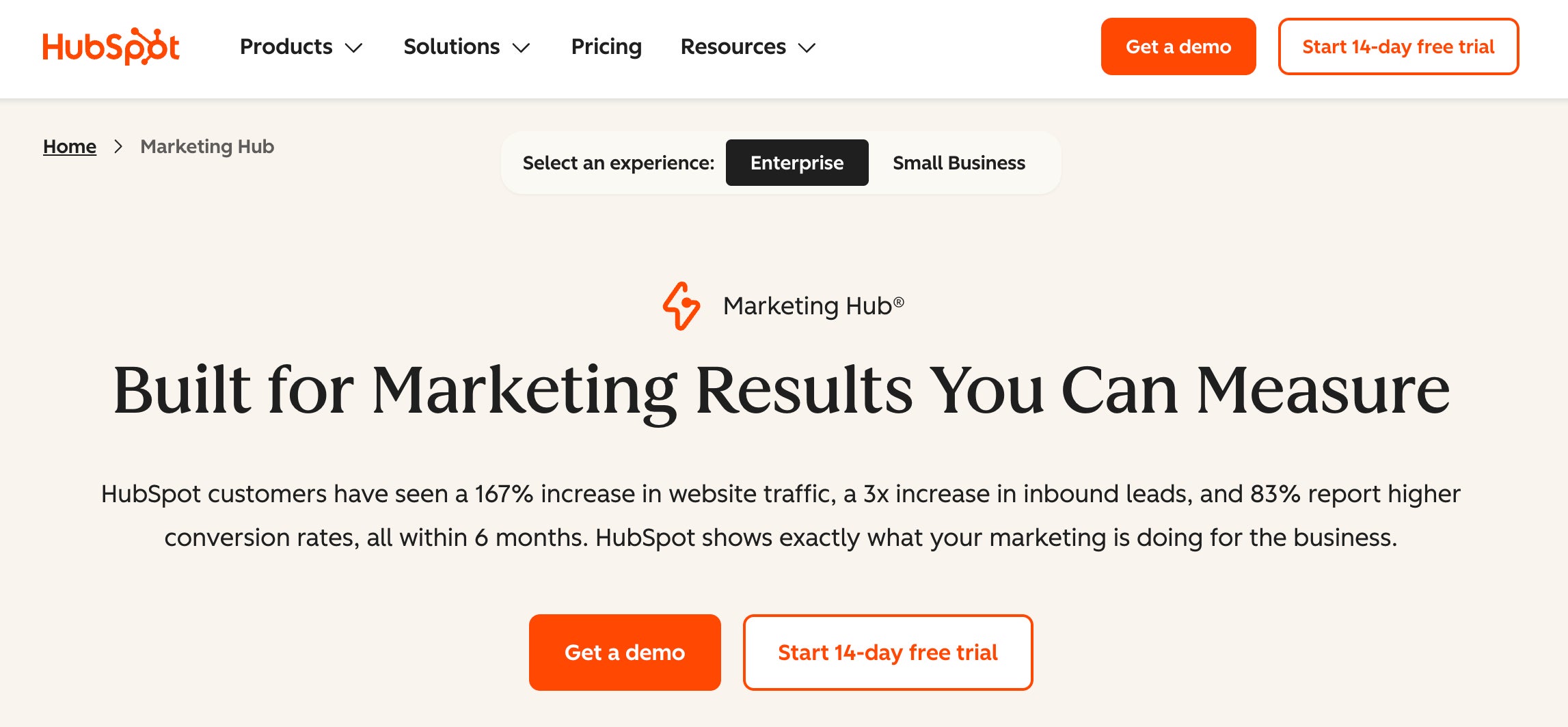
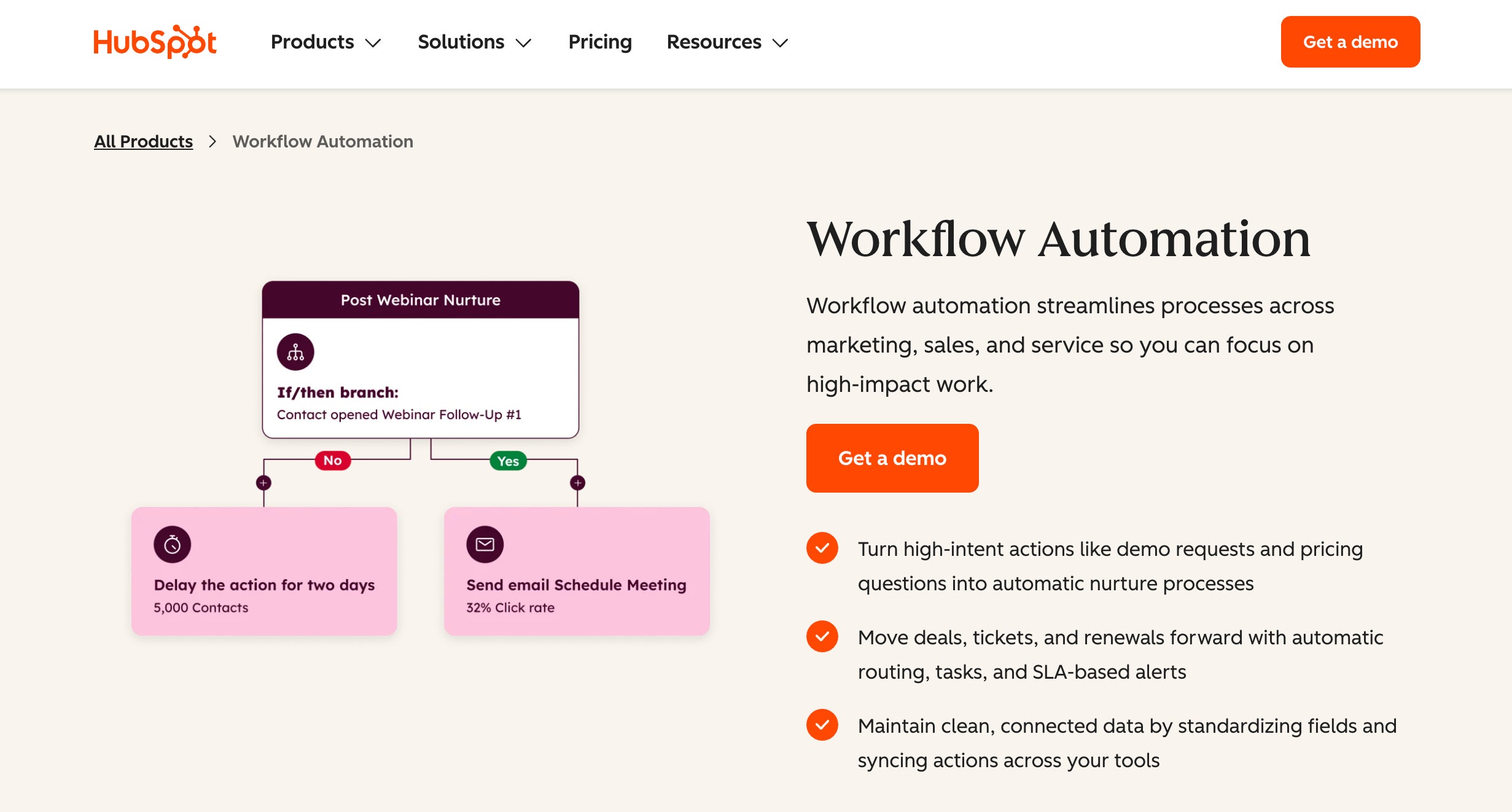
HubSpot remains the premier choice for organizations seeking to unify their entire customer lifecycle. By connecting top-of-funnel attraction tactics with automated nurture sequences, HubSpot allows marketers to track the ROI of every piece of content from the initial click to the final sale.
The AI Revolution: Scaling Production Without Diluting Quality
While "generative AI" is often criticized for creating generic, low-quality noise, when used correctly, it acts as a force multiplier for creative teams. Advanced AI tools are now essential for maintaining velocity in an enterprise environment.
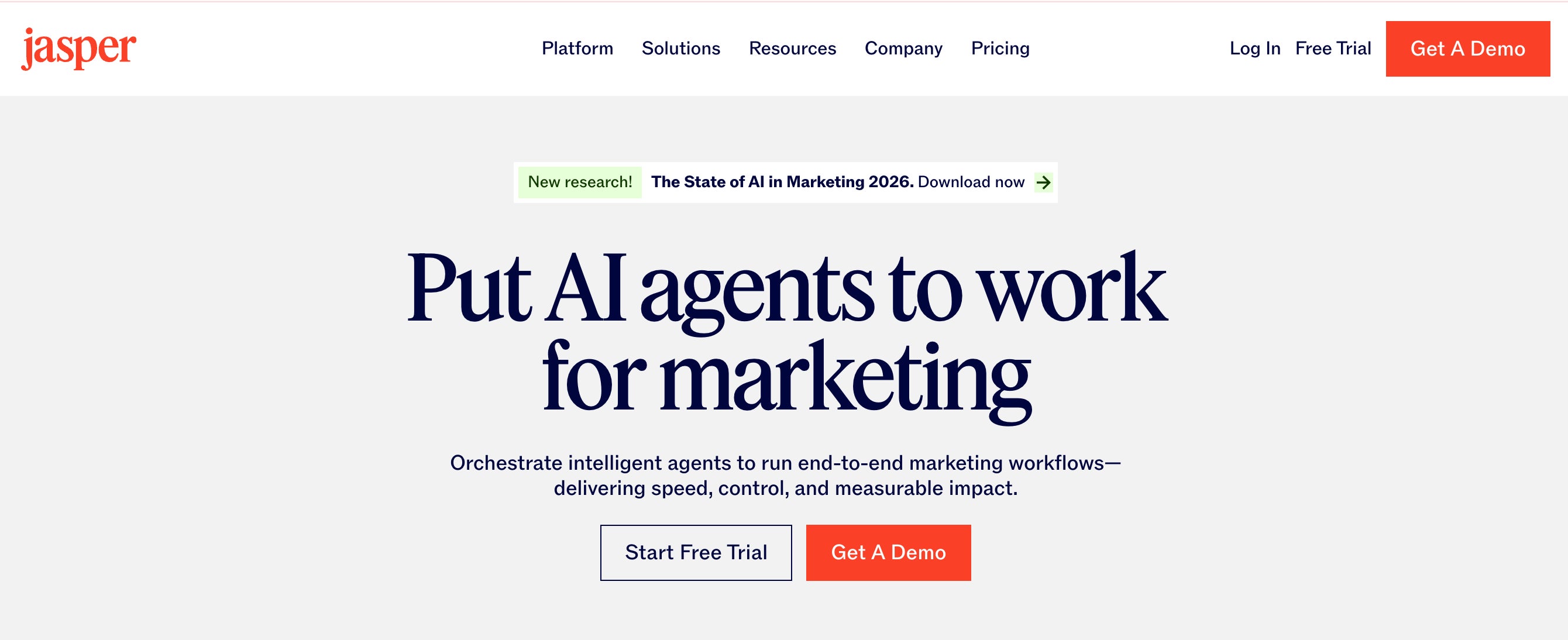
- Jasper: Focused on enterprise workflows, Jasper serves as a generative writing assistant that adheres to specific company style parameters. It excels at translating raw creative briefs into structured, on-brand promotional assets and blog frameworks.
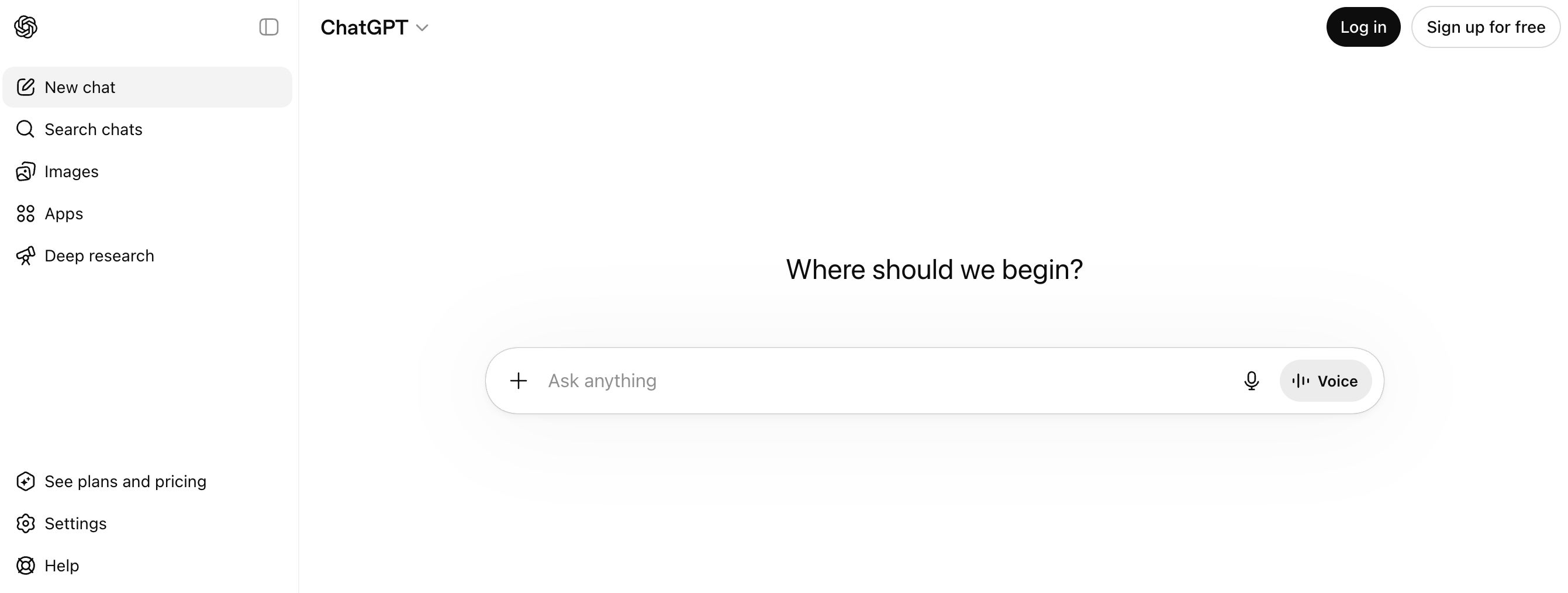
- ChatGPT: As a versatile large language model, ChatGPT is the industry standard for ideation and editorial brainstorming. It functions as a "thought partner," helping writers stress-test messaging angles and restructure complex technical documents.
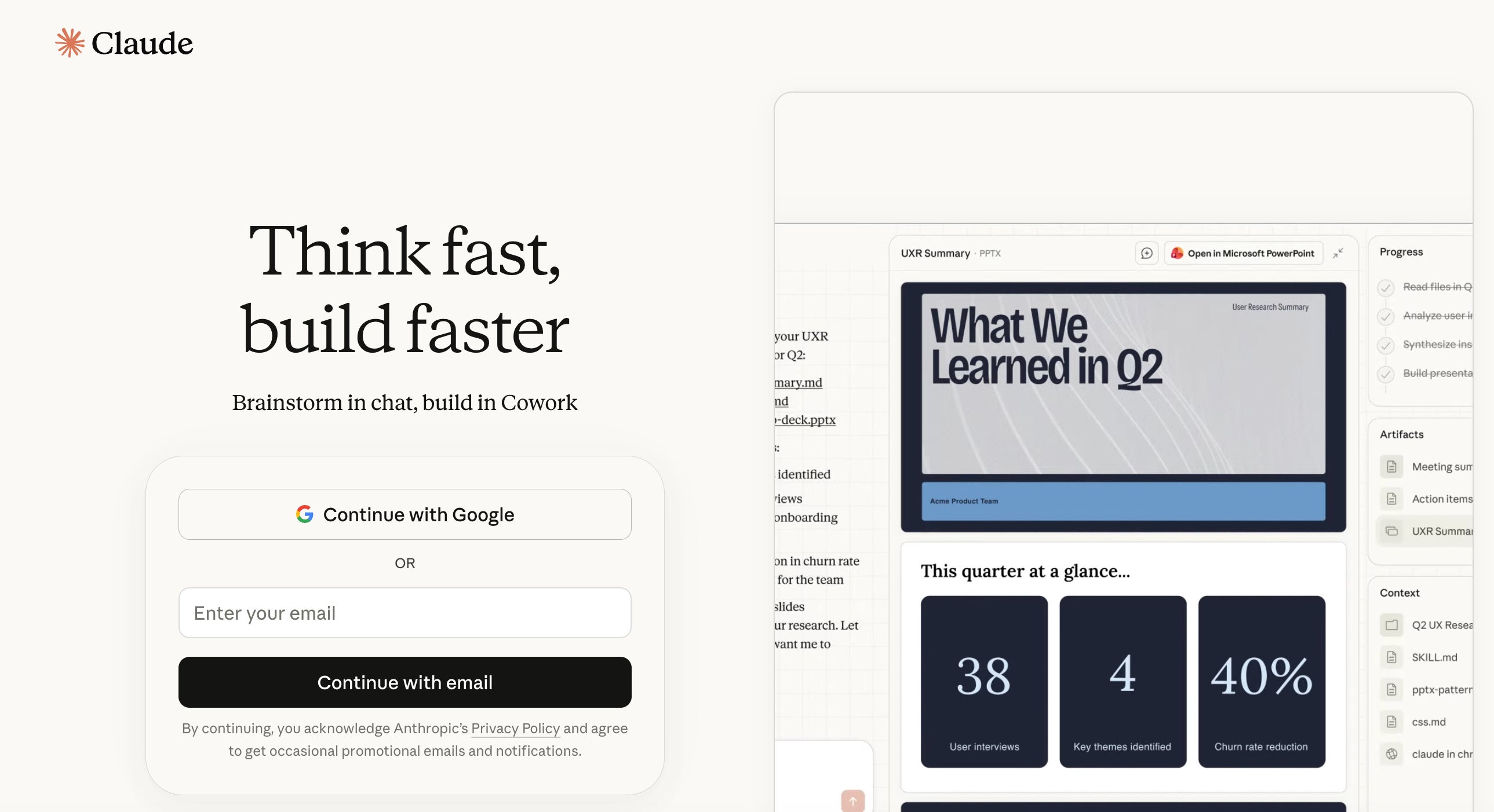
- Claude: Renowned for its advanced natural language processing, Claude is the preferred choice for editorial teams handling long-form content. Its expansive context window allows for deep document synthesis, enabling it to maintain brand voice consistency across massive content libraries.
Analytics: Moving Beyond Vanity Metrics
Audience expectations have shifted toward human-centric experiences. Diagnostic instruments are now the only way to ensure that content is not just being seen, but being consumed and acted upon.
- Google Analytics 4 (GA4): The baseline for any digital ecosystem. GA4 provides the granular event data necessary to understand user pathways across devices, ensuring that content creators know exactly which web assets contribute to lead milestones.
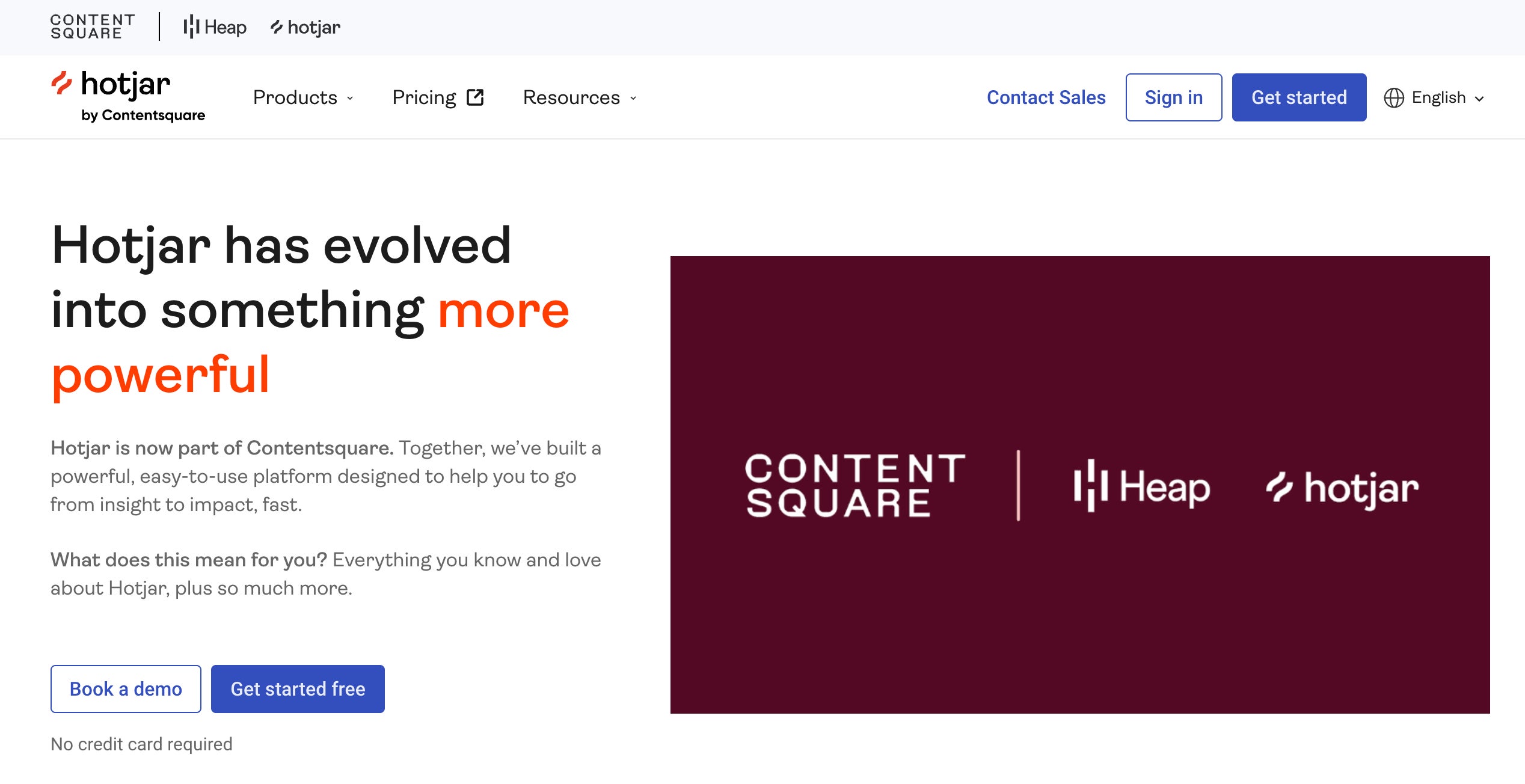
- Hotjar: By providing visual insights such as heatmaps and session recordings, Hotjar clarifies exactly how users interact with layouts. It identifies friction points—such as confusing navigation or buried call-to-actions—that compromise conversion.
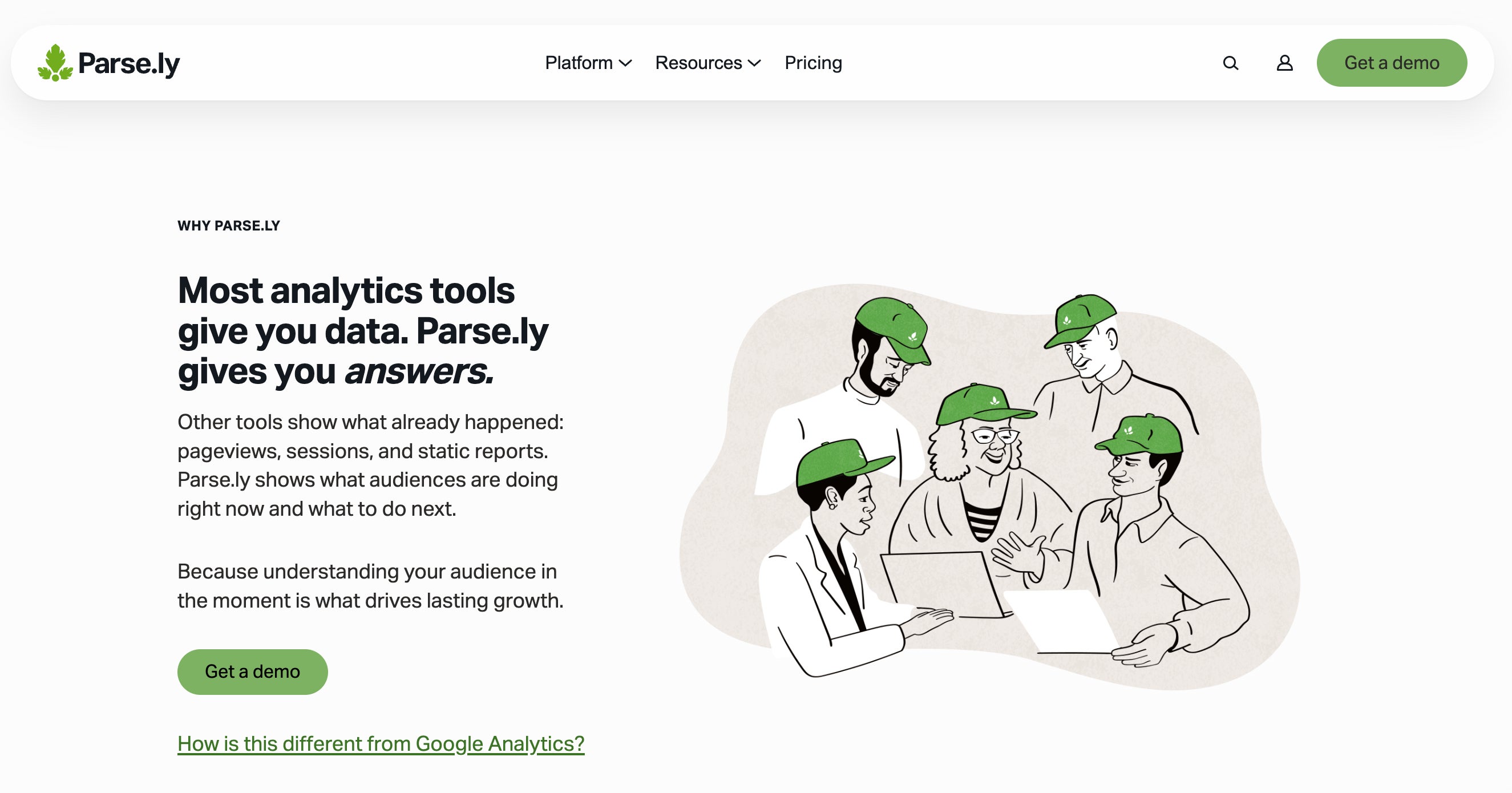
- Parse.ly: Specifically designed for media organizations and high-volume content hubs, Parse.ly translates complex engagement data into dashboards that tell authors exactly which topics hold reader attention in real-time.
Automation and Operational Clarity
Manual processes are the primary cause of team burnout. By bridging operational gaps, automation tools allow organizations to scale their output without increasing their headcount.
Integration Engines: Zapier and Make
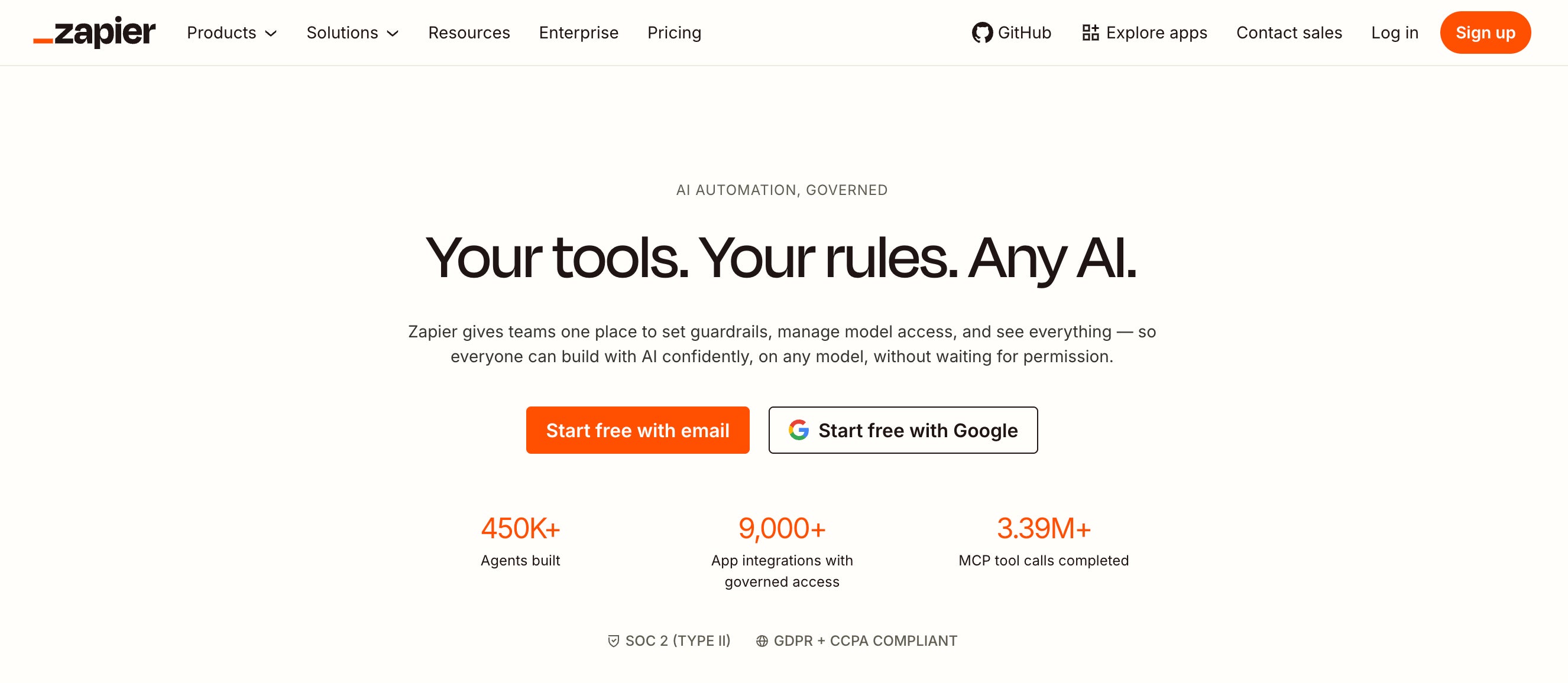
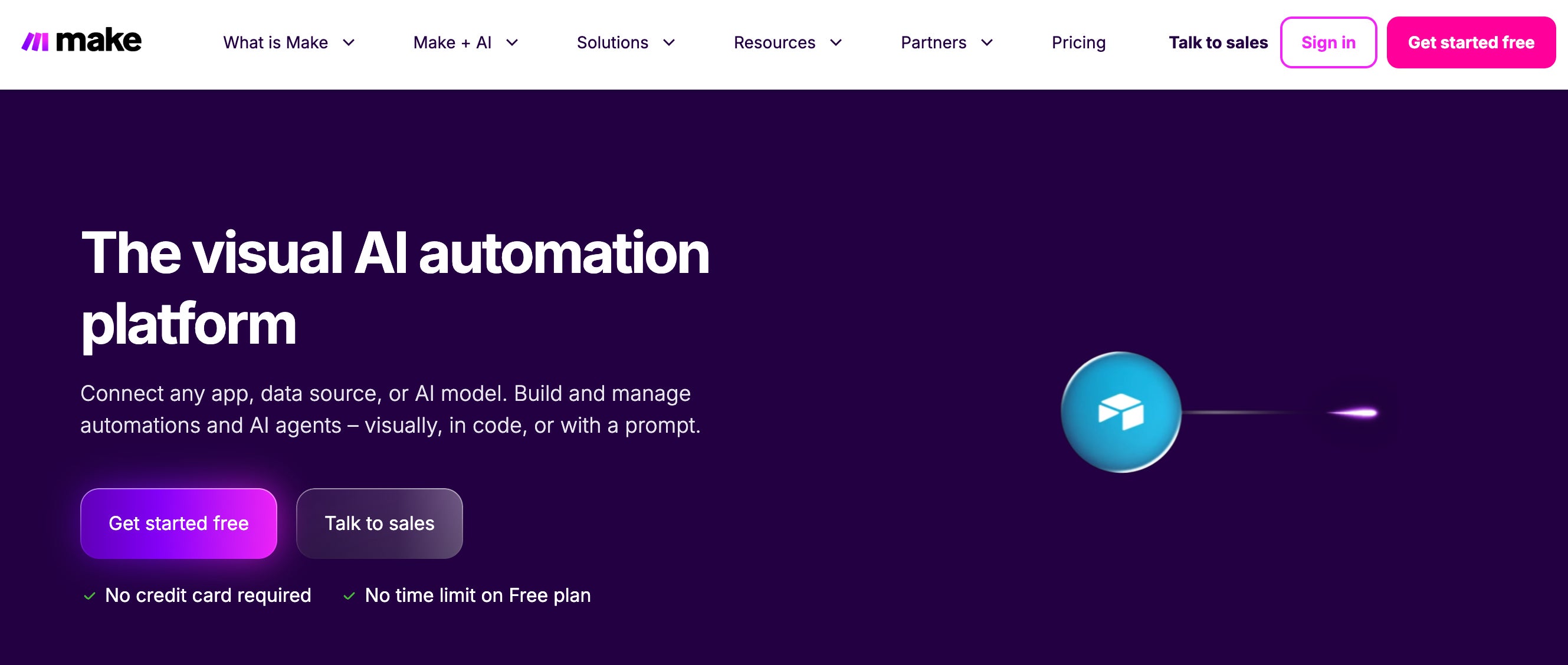
These platforms act as the "connective tissue" of the modern stack. Zapier enables programming-free connections between disparate apps, while Make provides a more advanced, visual environment for managing complex, multi-step data pipelines. Whether it is automatically syncing new leads to a CRM or pushing creative assets to a cloud storage drive, these tools ensure data flows seamlessly.

Project Management: Monday.com, Asana, and Notion
Operational silos are the death of creativity. Monday.com offers a highly visual, status-driven environment for tracking multi-stage approvals. Asana provides the structure needed for mapping task dependencies, while Notion acts as the ultimate "single source of truth," housing editorial calendars, brand guidelines, and collaborative wikis in a modular environment.
Enterprise Governance and Global Scaling
For Fortune 500 companies, the stakes of content production are significantly higher. Governance, compliance, and security are not optional—they are mandatory.
- Contently: This platform pairs workflow management with a vetted network of enterprise-level creators, providing governance over the entire asset lifecycle.
- Adobe Experience Manager (AEM): The industry leader for digital asset management. AEM allows massive organizations to store creative properties securely and deliver localized, personalized variations of content on a global scale.
- Optimizely: A comprehensive command center for campaign orchestration. It is designed specifically to handle the complex, multi-tiered approval structures inherent in global corporate marketing.
Implications for the Future of Marketing
The move toward an integrated tech stack is not merely a trend; it is a survival mechanism. Organizations that continue to operate with disconnected tools will inevitably fall behind those that leverage automation to predict cultural trends and personalize audience experiences at scale.
As we look toward the future, the integration of AI, analytics, and automation will continue to narrow the gap between content creation and business revenue. The most successful teams will be those that view their technology stack not as a collection of subscriptions, but as a strategic asset. By removing the mechanical burden of production, these tools empower marketers to return to their core purpose: telling human stories that resonate in an increasingly digital world.
Frequently Asked Questions
Q: How many tools should a content marketing stack contain?
A: Most high-performing teams utilize between five and eight tools covering research, creation, optimization, project management, and analytics. The goal is not to match the complexity of larger organizations, but to ensure that the tools you choose integrate seamlessly to prevent manual data silos.
Q: What is the most critical starting point for a small team?
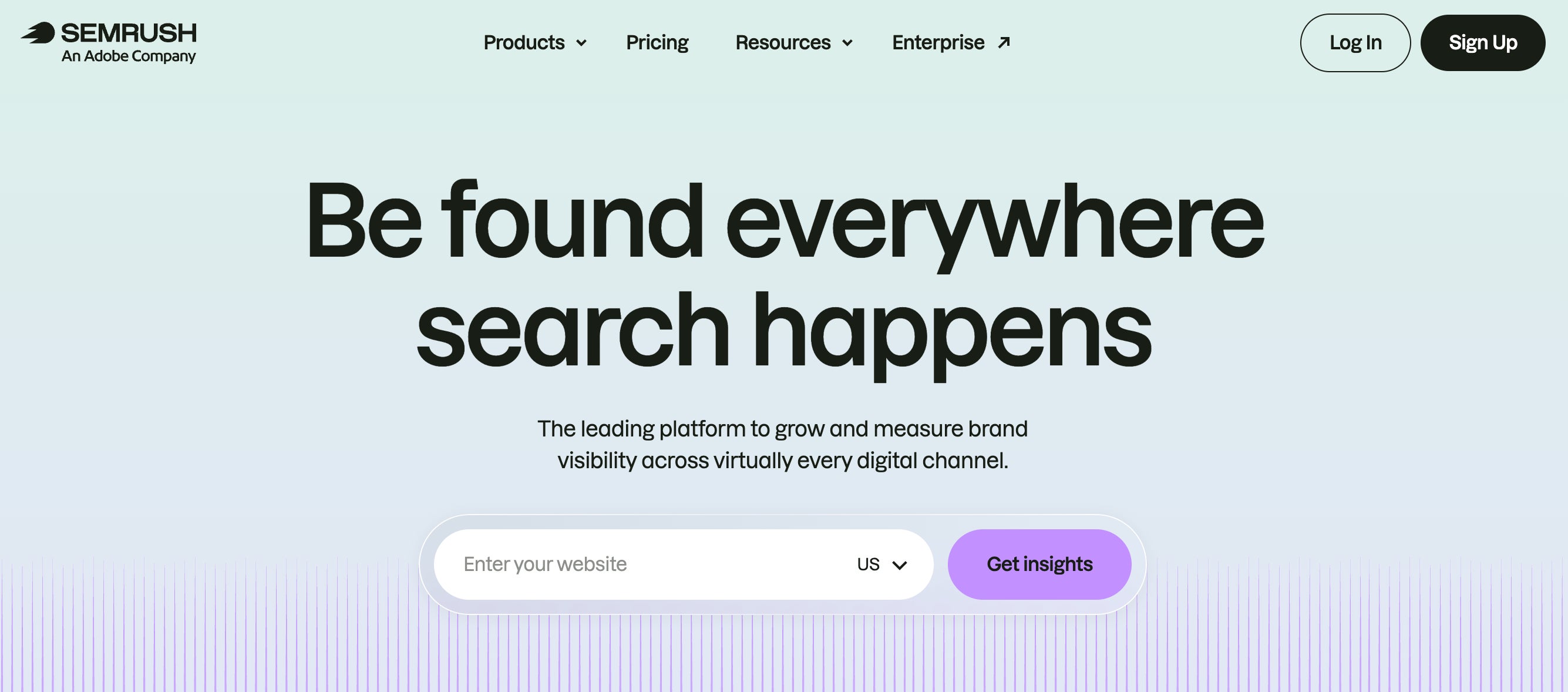
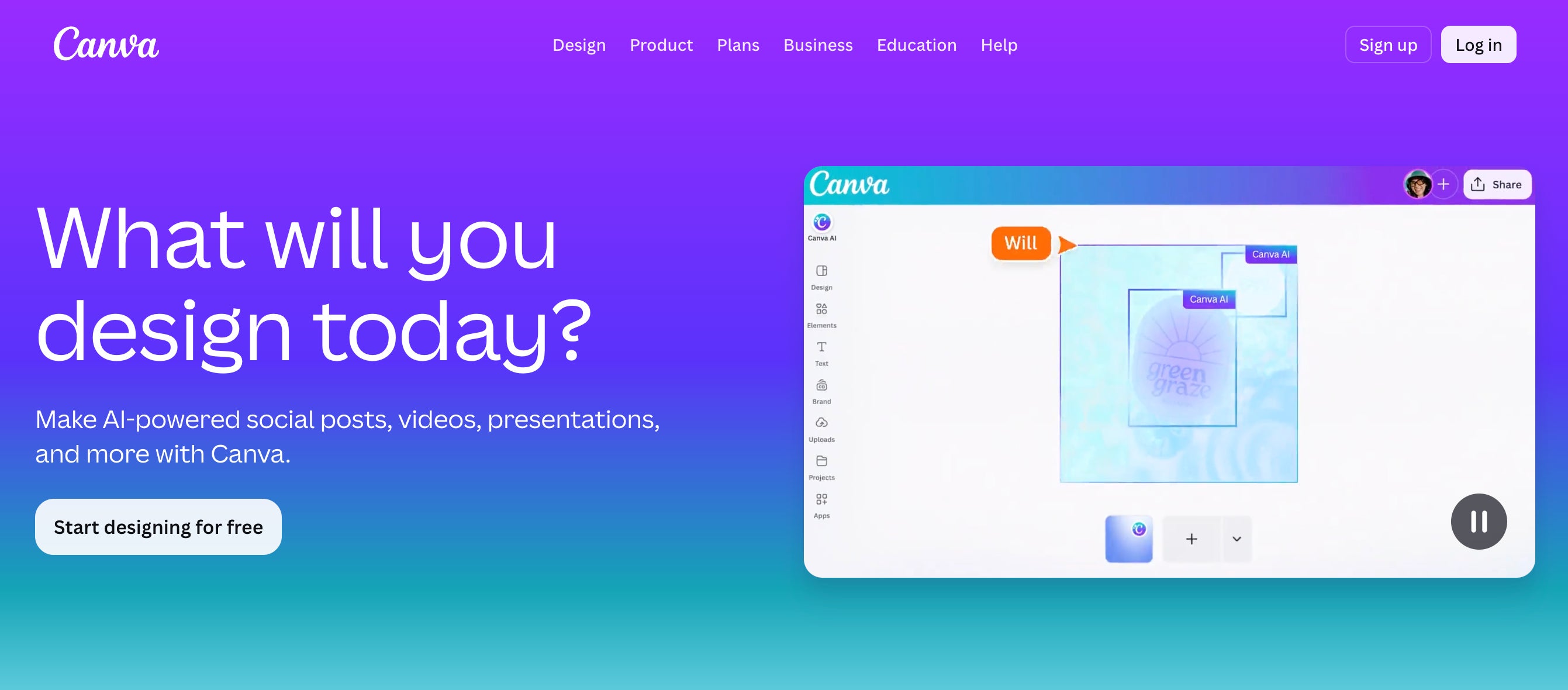
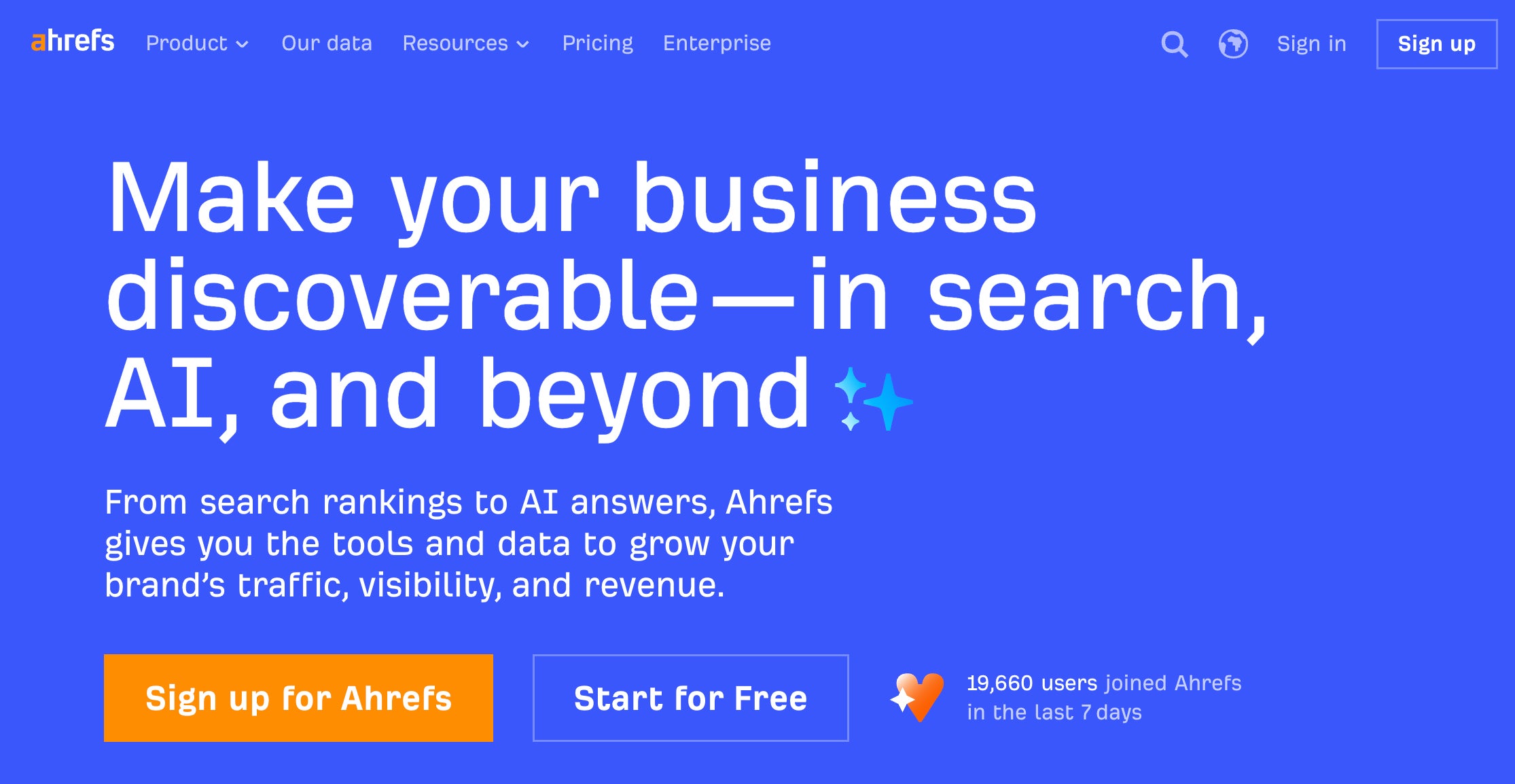
A: Focus on the "Holy Trinity" of content: a keyword research tool (like Ahrefs or Semrush), a writing or design platform (like Jasper or Canva), and an analytics suite (like GA4). Once these are established, layering on project management and automation tools will naturally follow as your output increases.
Q: Is AI replacing human content strategists?
A: On the contrary, AI is elevating the role of the strategist. By automating the "mechanical" aspects of content—such as drafting, SEO tagging, and data reporting—AI frees up human talent to focus on high-level brand positioning, emotional resonance, and creative strategy—areas where machines cannot compete.


 Reynand Wu
 Iffa Jayyana


 Sagoh
Sagoh

 Azzam Bilal Chamdy
 Ali Ikhwan