
 Asro
Asro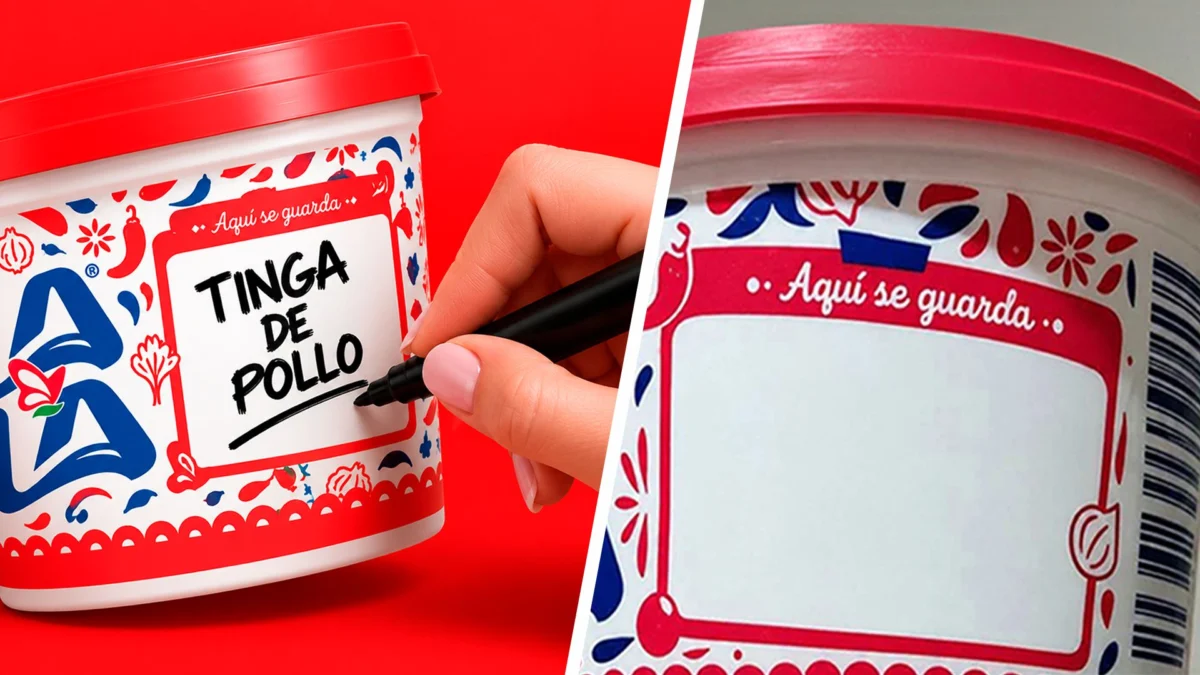
In the landscape of modern consumer branding, authenticity is often a manufactured commodity. Brands spend millions on focus groups and high-concept advertising campaigns in a desperate attempt to feel "relatable." Yet, in Mexico, one dairy giant has achieved the holy grail of brand loyalty—not by telling its customers who they are, but by finally listening to who they have been all along.
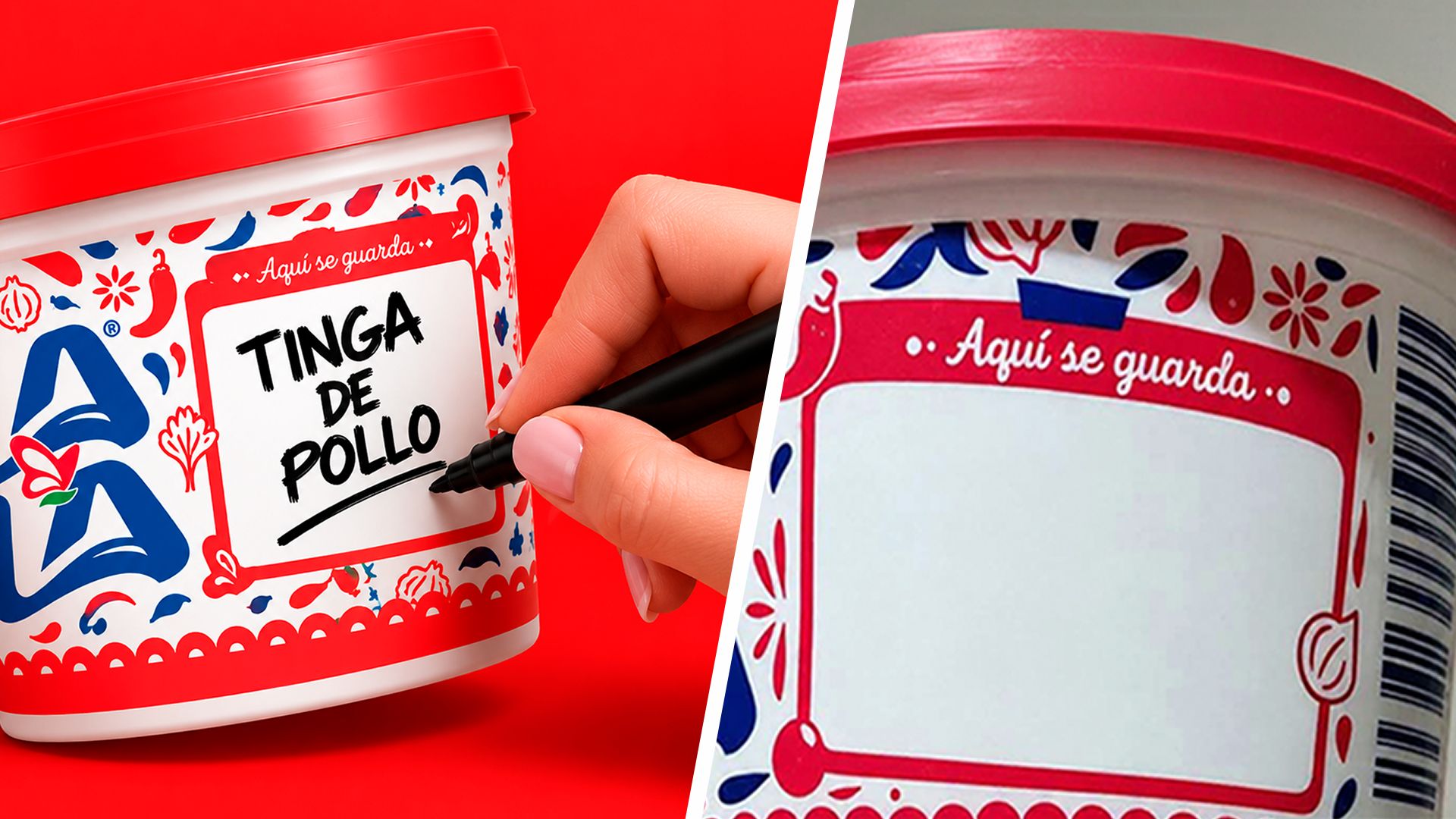
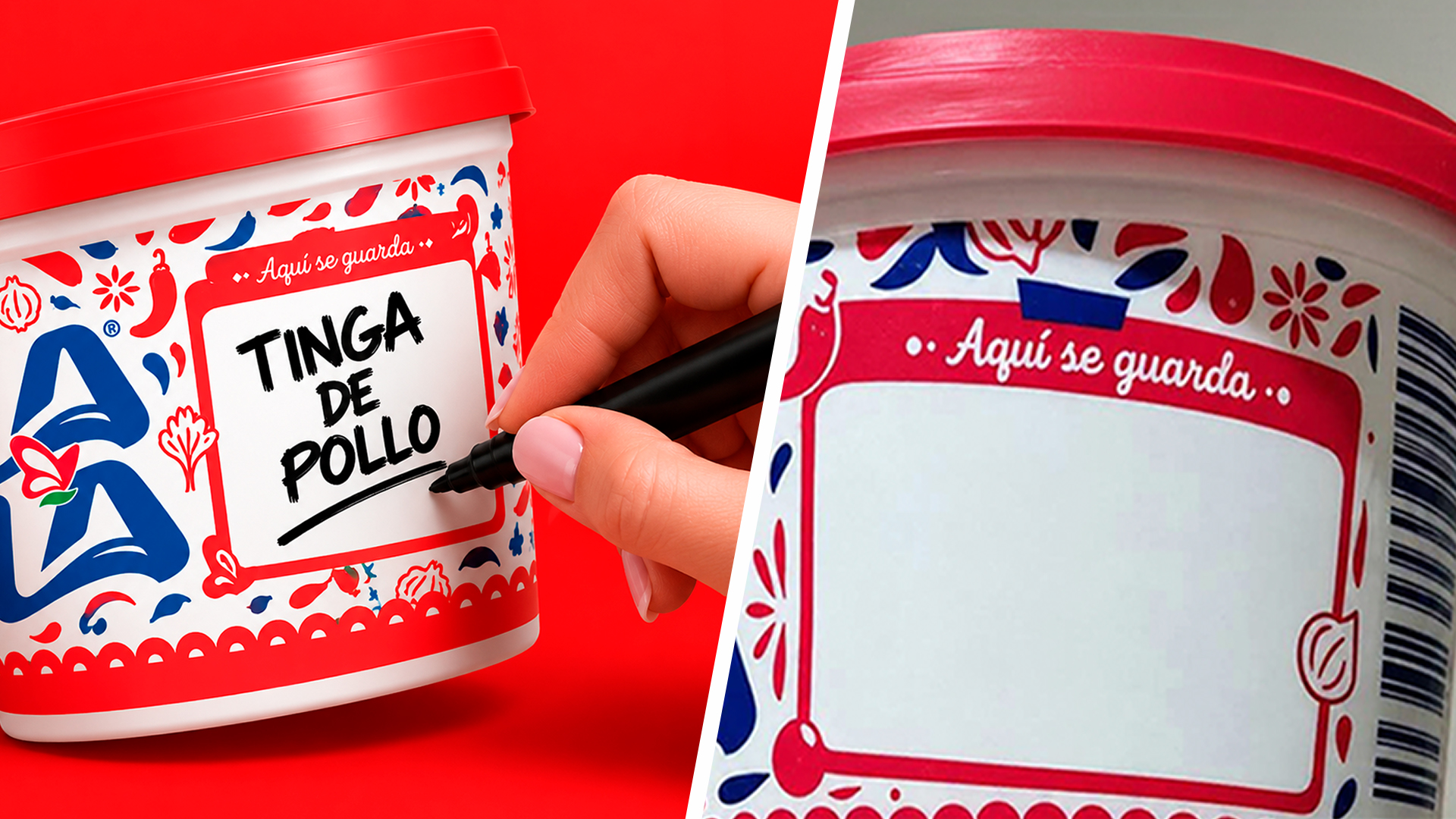
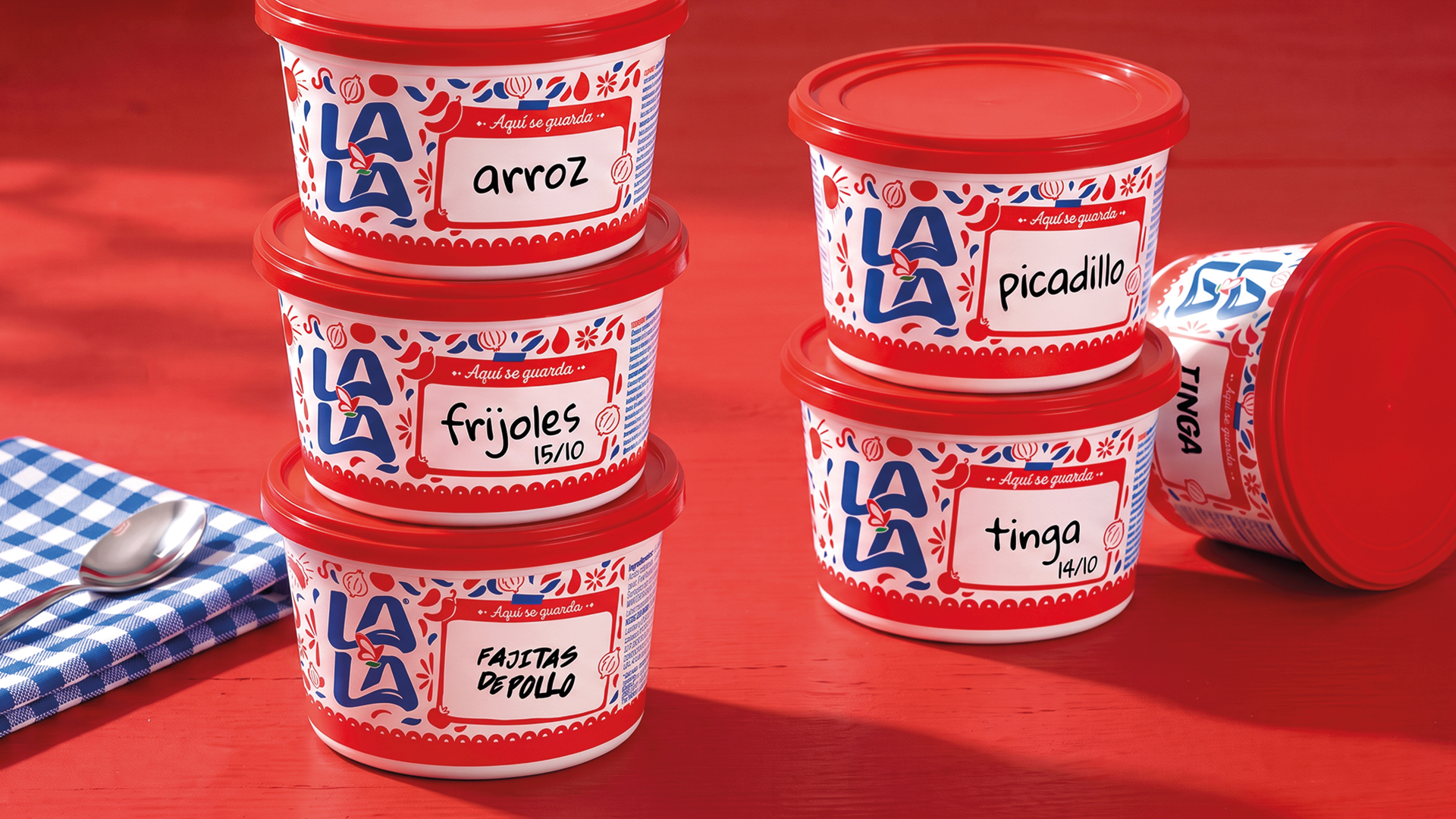
Lala, the ubiquitous Mexican dairy brand, has officially embraced a decades-old household secret: its cream containers are rarely used for cream. Instead, they serve as the nation’s unofficial pantry storage system, holding everything from leftover salsa and beans to rice and tinga. Through the "Mexiconteiners" project, a collaborative effort by creative agencies Zurda México and Conciergency, the brand has transformed a humorous cultural "life hack" into a brilliant piece of functional packaging design. By adding a dedicated, writeable label to their tubs, Lala has validated a generational habit, proving that the most effective innovation often hides in plain sight.
The Cultural Phenomenon: "Fridge Russian Roulette"
To understand the genius of the Mexiconteiners, one must understand the specific frustration of the Mexican culinary experience. For generations, opening a plastic container in a Mexican refrigerator has been an act of mild deception. You reach for the familiar Lala branding, expecting a dollop of rich cream for your tacos, only to find a cold portion of yesterday’s frijoles refritos.
This recurring disappointment has become a staple of Mexican comedy—a "fridge Russian roulette" that has inspired countless memes, social media threads, and family jokes. It is a shared, universal experience that transcends socio-economic lines. Everyone, from students living in shared apartments to grandmothers managing large family kitchens, has fallen victim to the "Lala lie."
Until now, this was merely a quirk of domestic life. The brand remained the passive observer of its own repurposed packaging. However, as sustainability becomes an increasingly urgent topic in industrial design, the concept of the "second life" of packaging has moved from a fringe benefit to a core marketing requirement.
A Chronology of a Design Shift
The transition from a simple dairy tub to a cultural icon did not happen overnight. It was the result of a deliberate, observant creative process.
- Phase 1: Observation (The "Aha!" Moment): The creative teams at Zurda México and Conciergency began by looking at consumer behavior rather than market data. They noticed that the most loyal customers weren’t just buying the cream; they were buying the container.
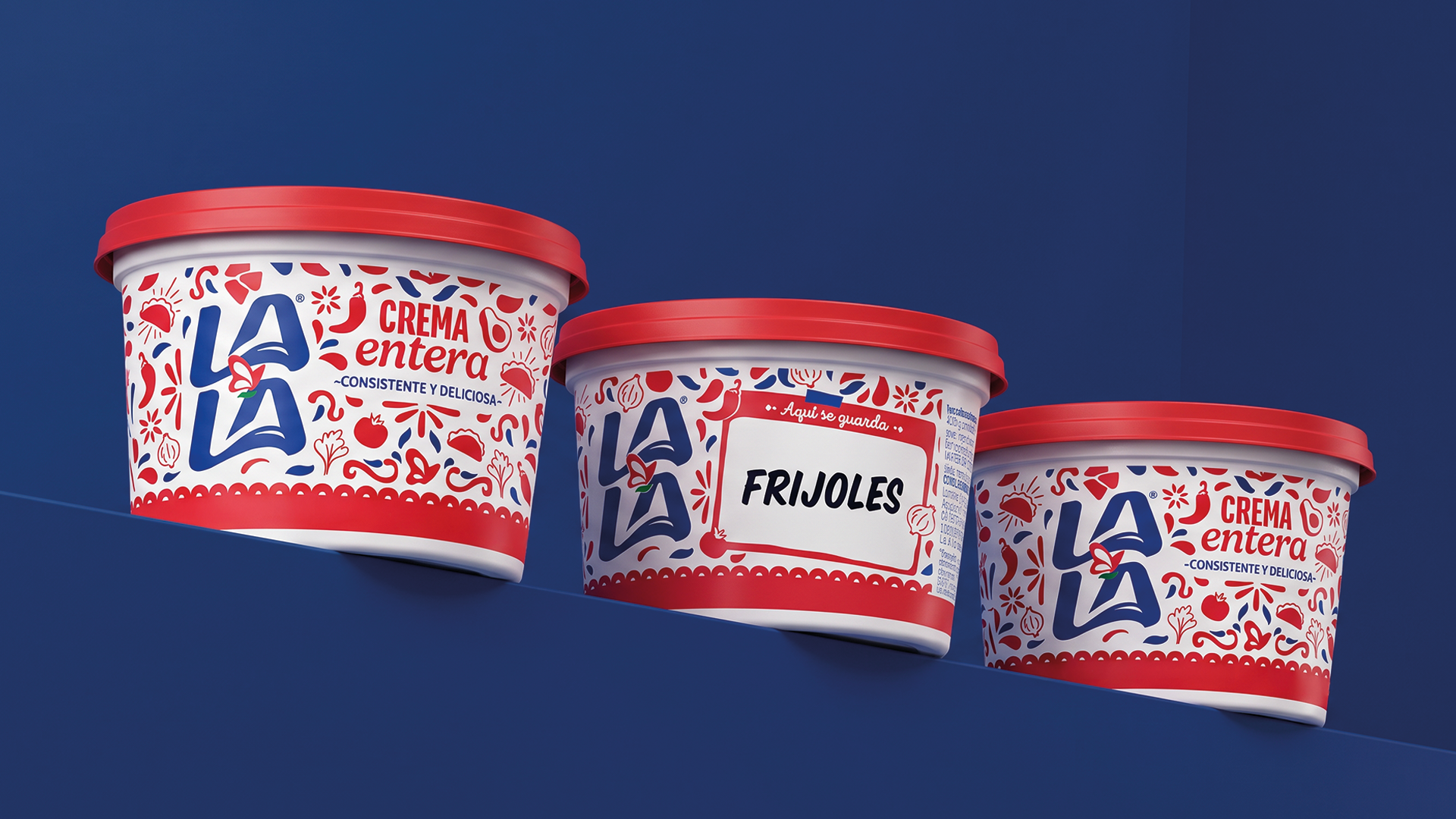
- Phase 2: Concept Development: The agencies realized that the brand didn’t need to reinvent the product; they needed to lean into the existing behavior. They developed the "Mexiconteiners" concept: a slight modification to the label that provided a designated, blank space for consumers to write the contents of the tub once it was repurposed.
- Phase 3: The Pilot Launch: The new packaging was introduced to the market with minimal fanfare but maximum impact. The design was intended to look and feel like the classic Lala packaging, ensuring that the brand equity remained intact while the new utility was immediately obvious.
- Phase 4: The Viral Response: Almost immediately, social media users began sharing photos of their labeled containers. The campaign transitioned from a marketing experiment into a genuine social trend, with users competing to show off their most inventive (and sometimes questionable) storage choices.
- Phase 5: Expansion: Following the initial success, the project evolved into a long-term platform. The brand began incorporating pop-culture collaborations, such as Peanuts-branded containers, further cementing the tub as a collectible, reusable household asset.
Supporting Data: Why Functionality Trumps Form
While the design is playful, the underlying strategy is rooted in hard-headed business logic. In the competitive FMCG (Fast-Moving Consumer Goods) sector, product differentiation is notoriously difficult. By turning a standard piece of packaging into a functional kitchen tool, Lala achieved several key marketing goals:
- Extended Brand Presence: A standard container is discarded after the cream is consumed. A "Mexiconteiner" remains in the fridge for weeks or months, serving as a constant, daily reminder of the brand.
- Increased Emotional Equity: By laughing with the consumer rather than at them, the brand moved from a cold corporate entity to a participant in the household culture.
- Sustainability Perception: Even if the plastic container remains the same, the perception of its lifecycle changes. By encouraging reuse, the brand aligns itself with the circular economy, an increasingly important factor for younger, eco-conscious demographics.
The success of the campaign is evidenced by the shift in social media sentiment. Prior to the project, mentions of Lala containers were often centered on the "annoyance" of the deception. Post-launch, the conversation shifted to "pride" in organization. Users were no longer victims of the container; they were curators of their own kitchen inventories.
Official Responses from the Creative Minds
The project’s success is a testament to the philosophy of the creative directors behind it. Diego Gueler Montero, chief creative officer at Zurda México, has been vocal about the importance of lived experience in advertising.
"It was 100% a lightbulb moment born out of lived experience," says Montero. "You don’t need a focus group or a massive research study for this; you just need to have grown up in Mexico. Every single Mexican has played that fridge Russian roulette. It’s a generational inside joke the brand had never officially acknowledged. All we did was connect the dots between that universal truth and a product innovation."
Valentina Zuchiatti, chief creative officer at Conciergency, emphasizes the technical challenge of the design. "The challenge was to make that new function feel completely integrated into the brand," she explains. "We incorporated illustrations and graphic codes rooted in Mexican culture and everyday life, together with a dedicated space where people could write what they were storing inside, while keeping the pack unmistakably Lala."
The focus was never on redesigning the logo or changing the identity; it was about "designing for the user’s reality." This restraint is what makes the project feel so authentic.
Implications: The Future of "Cultural Branding"
The "Mexiconteiners" project offers a blueprint for how global brands can localize their identity in a way that feels organic rather than performative. In an era where many brands are criticized for "woke-washing" or forced inclusivity, Lala’s approach serves as a masterclass in reading the room.
1. The Death of the "Single-Use" Mindset
This campaign signals a broader shift in how designers view secondary packaging. If consumers are going to reuse a container anyway, a brand has two choices: ignore the behavior or facilitate it. By facilitating it, Lala has effectively hijacked the consumer’s pantry, securing "real estate" in the most private space in the home: the refrigerator.
2. Design as a Conversational Platform
The shift from a campaign to a "platform" is significant. By opening the design to collaborations—such as the Peanuts-licensed series—Lala has proven that the container is now a media space. It is a canvas that can be updated, themed, and collected, much like the iconic limited-edition bottles from brands like Coca-Cola or Absolut Vodka.
3. Cultural Resilience
Finally, the project demonstrates that brands which acknowledge their place in a culture’s daily rituals become immune to the typical cycles of product obsolescence. Even if a competitor offers a cheaper cream, the consumer is now more likely to stick with the "Lala container" because it has become an essential part of their household organizational system.
Conclusion: A Lesson for Global Creatives
The brilliance of the "Mexiconteiners" project lies in its simplicity. It did not require a disruptive new technology or a massive pivot in production; it required the humility to notice a human habit and the courage to formalize it.
As designers and brand managers look to the future, the Lala case study serves as a poignant reminder: your best product innovation might not be what you put inside the box, but how you design the box to live on once the product is gone. In the end, the most successful brands are those that stop trying to command their customers’ attention and start helping them manage their daily lives. By turning a frustration into a feature, Lala has not only kept its customers, it has earned a permanent spot on their kitchen shelves—and in their hearts.

 Neng Nana
 Asep Darmawan
 Raul Delapena Setiawan
 Dwi Wanna
 Muslim
 Nana Wu

 Rifan Muazin