
 Layla Zulfa
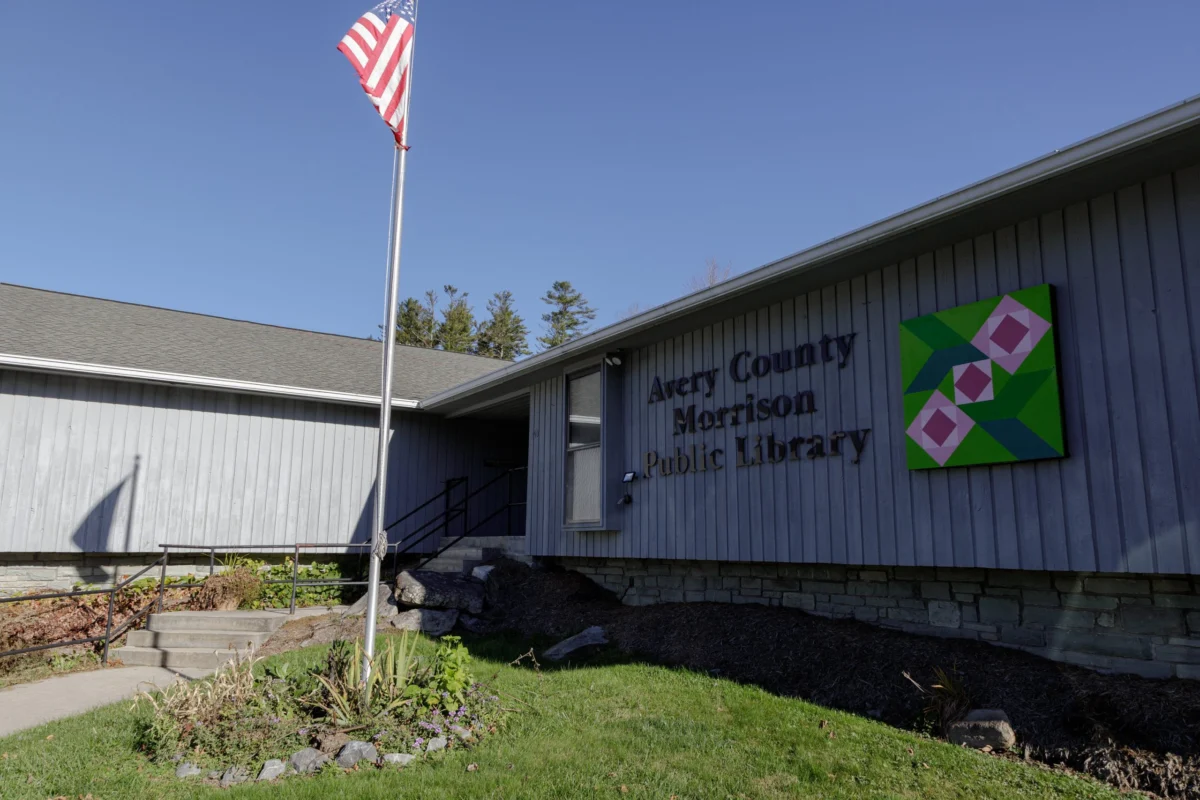
In the modern American landscape, the term "critical infrastructure" typically conjures images of steel bridges, sprawling electrical grids, or the high-speed fiber-optic cables that power our digital lives. Yet, there exists a pervasive, essential network of community hubs that remain largely overlooked by policymakers and tech innovators alike: the public library system. With over 17,000 locations—a footprint that dwarfs the number of hospitals or McDonald’s restaurants nationwide—public libraries serve as the quiet bedrock of American civic life.
Despite their ubiquity, libraries are facing a paradox. While the programs they offer have evolved into sophisticated engines of social mobility, the methods used to promote these services remain firmly rooted in the analog past. As budget cuts threaten community resources across the nation, the reliance on these institutions is surging, yet the "discovery gap"—the distance between a family’s need and their awareness of available library services—remains a critical hurdle.
The Main Facts: More Than Just Books
Public libraries in the United States have undergone a profound metamorphosis over the last two decades. No longer merely repositories for dusty tomes, they have become multifaceted community centers that offer everything from high-end STEAM (Science, Technology, Engineering, Arts, and Mathematics) education to workforce development and early childhood literacy.
In 2023, Americans made more than 800 million visits to public libraries. This figure represents an average of 2.2 million visits per day, nearly doubling the engagement numbers recorded in 2021. This surge is not accidental; it is a direct result of libraries expanding their scope to address the specific, evolving needs of their local populations. Whether it is a single-room library in a remote Idaho town providing after-school care for working parents or the District of Columbia Public Library system hosting thousands of summer events, these institutions provide a vital safety net that is increasingly rare in an era of public sector austerity.
A Chronology of Change
The evolution of the library as a social anchor has been long in the making, yet its acceleration is recent.
- The Carnegie Era (Late 19th–Early 20th Century): Andrew Carnegie’s philanthropic vision established the modern library system. By funding the construction of nearly 1,700 libraries, he bet that widespread access to knowledge was the primary stabilizer of a democratic society.
- The Digital Transition (Early 2000s): Libraries began integrating computer access and internet services, shifting from book-centric to access-centric institutions.
- The Pandemic Shift (2020–2021): The COVID-19 pandemic caused a sharp decline in physical foot traffic, forcing libraries to pivot toward remote services and virtual programming.
- The Post-Pandemic Rebound (2022–2023): As the nation returned to public spaces, libraries reported a massive influx of visitors. This period marked a transition where libraries proved they were not obsolete, but essential, leading to the current push for digital modernization.
Supporting Data: The Disconnect Between Supply and Demand
The current struggle for libraries is not a lack of quality or volume of services, but a failure of visibility. Research by Child Trends indicates that parents typically rely on internet searches, school websites, and word-of-mouth recommendations to find educational resources. However, while parents are searching for terms like "tutoring near me free" or "STEM camp for kids," many public libraries continue to rely on physical flyers posted in building windows—a tactic that only reaches those who are already walking through the door.
This creates a "discovery gap." A working parent, searching on their phone at 9 p.m. for help with a child’s college essay or English language classes, is unlikely to find that their local library offers exactly these services for free. Meanwhile, these same parents may be shelling out hundreds of dollars for private enrichment centers that offer inferior or comparable programming to what the local library provides for no cost.
The Role of Philanthropy and Modern Infrastructure
If public funding is the engine that keeps the lights on and the collections stocked, philanthropy must be the catalyst for digital innovation. The precedent for this exists, but it requires a shift in focus. Instead of funding building renovations or specific book collections, modern donors should look to the "shared infrastructure" of the library system.

The Need for Scalable Tech
Small, rural, and underfunded libraries often lack the internal IT capacity to maintain modern, user-friendly event calendars or mobile-responsive websites. By funding shared, regional, or national platforms that integrate with existing school and community portals, philanthropists could enable thousands of libraries to broadcast their offerings simultaneously.
Bridging the Digital Divide
The goal is not to reinvent the wheel, but to bridge the gap. If a parent is checking their child’s grades on a school district website or browsing a local community organization’s portal, the library’s calendar of events should be right there, surfacing relevant, free, and local programming. This requires "middle-ware"—technology that allows library databases to talk to the platforms families already use and trust.
Official Perspectives and Implications
The decline of faith in public institutions is a well-documented trend in American sociology. Yet, in this climate of distrust, the public library remains one of the few institutions that still commands high levels of public confidence.
Bridging the Civic Divide
Libraries serve as one of the last remaining "third places"—spaces that are neither work nor home, where individuals from diverse backgrounds interact. By failing to modernize their outreach, we risk letting these spaces drift into invisibility. If these institutions are allowed to languish because they are perceived as outdated, the community loses a vital, non-partisan bridge.
The Economic Case
From an economic standpoint, the library is an incredible investment. Programs like "STEAM Teams," where students construct catapults or produce podcasts, provide the kind of hands-on learning that prepares the next generation for the modern workforce. For families struggling with the rising cost of living, the library is a buffer against inequality. If a family cannot afford a $300 robotics camp, but can access a free version at the local branch, the library is actively narrowing the opportunity gap.
Conclusion: A Call to Action
The future of the American public library depends on our ability to value it as a piece of "smart" infrastructure. We must stop viewing libraries as static repositories and start treating them as active, digital-first hubs of opportunity.
Philanthropy has the unique capacity to fund the "connective tissue" that brings library services into the pockets of every parent. By investing in staff who can manage digital outreach, creating shared technology stacks for rural libraries, and integrating library offerings into the platforms families use daily, we can ensure that these vital institutions remain the bedrock of our democracy.
The buildings are already there. The programs are already excellent. The final step is simply making sure that every family in America can find them when they need them most. In an era where information is abundant but access is often gated, the free, reliable, and expert-led support of the public library is not just a luxury—it is a necessity for a functioning, equitable society.


 Dwi Wanna

 Azzam Bilal Chamdy

 Iffa Jayyana

 Suro Senen

 Pevita Pearce

 Basiran

 Nila Kartika Wati
