
 Iffa Jayyana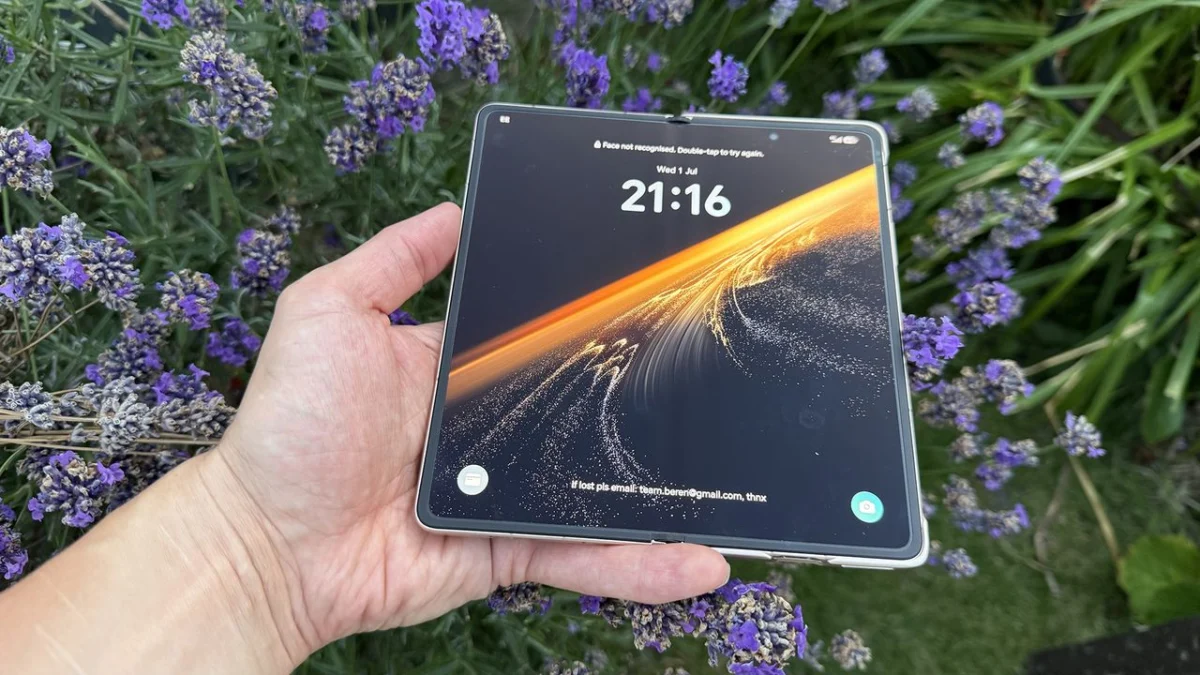
The foldable smartphone market has officially entered its most competitive phase to date. With the recent, highly anticipated launch of the Samsung Galaxy Z Fold8 series, the tech giant has once again attempted to cement its status as the industry benchmark. However, the battle for the consumer’s pocket is far from decided. In a move that industry analysts interpret as a direct counter-offensive to Samsung’s high-profile rollout, Honor has aggressively slashed £100 off its Magic V6 flagship, signaling that the premium foldable segment is no longer a one-horse race.
The Main Event: Samsung’s Strategic Expansion vs. Honor’s Value Proposition
This week, all eyes were on Samsung as the company unveiled the Galaxy Z Fold8 and the specialized Fold8 Ultra. These devices have been marketed as the pinnacle of mobile engineering, boasting refined hinges, improved crease management, and the signature Samsung software ecosystem that millions of users have integrated into their daily workflows. The excitement surrounding these devices is palpable, driven by a polished marketing campaign and the promise of a seamless transition for existing Galaxy power users.
Yet, lurking in the shadows of this high-profile launch is the Honor Magic V6. Released earlier this year in March, the Magic V6 has been quietly building a reputation as a "disruptor." By reducing its price point by £100, Honor is making a calculated play: attempting to peel away value-conscious early adopters who might be hesitant to pay the premium required for the latest Samsung hardware.
For the average consumer, the choice between the two is no longer about which phone is "better" in a vacuum, but rather which brand offers the most compelling ecosystem and long-term value. While Samsung offers the security of a well-established brand, Honor is leaning heavily into hardware innovation and competitive pricing to capture market share.
A Chronological Overview: How We Got Here
The evolution of the foldable market has been rapid, moving from experimental prototypes to functional daily drivers in less than five years.
- 2019–2021: The Formative Years. Samsung pioneered the category with the original Galaxy Fold, suffering through teething issues but setting the stage for the industry.
- March 2024: Honor Stakes Its Claim. Honor launched the Magic V6, positioning it as a lightweight, high-performance alternative to the heavier, bulkier designs that had dominated the market previously.
- July 2024: The Mid-Year Pivot. With the summer launch of the Z Fold8 series, Samsung looked to reclaim its dominance.
- Present Day: The current landscape is defined by a price war. Honor’s decision to offer a £600 total saving (when combining the price drop with current promotional bundles and freebies) is an aggressive attempt to change the narrative from "spec-matching" to "economic accessibility."
Analyzing the Hardware: What Drives the Competition?
To understand the intensity of this rivalry, one must look under the hood. The Galaxy Z Fold8 represents the refinement of an existing design language. Samsung’s focus has been on durability and software optimization, ensuring that its multitasking features remain the gold standard.
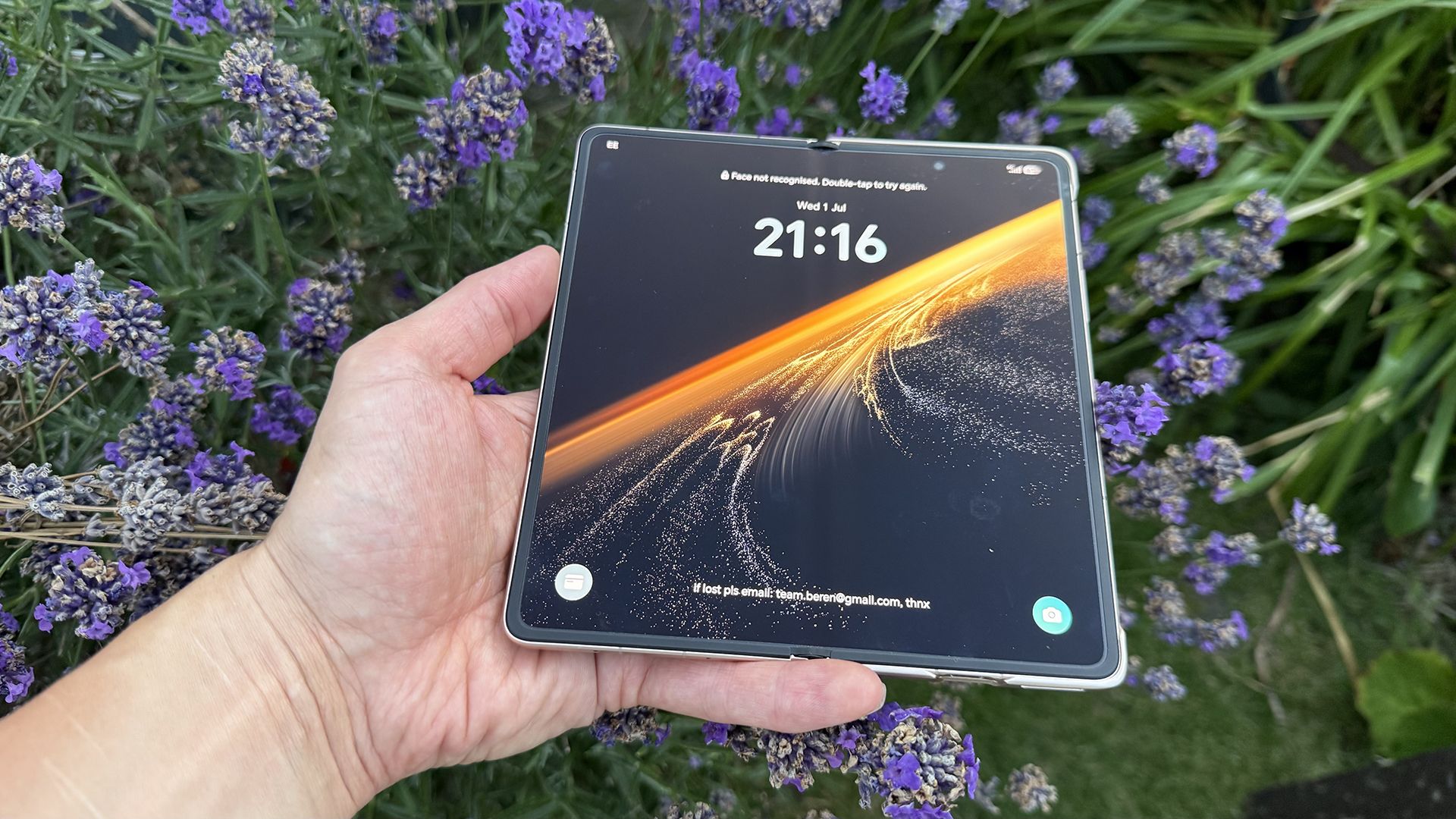
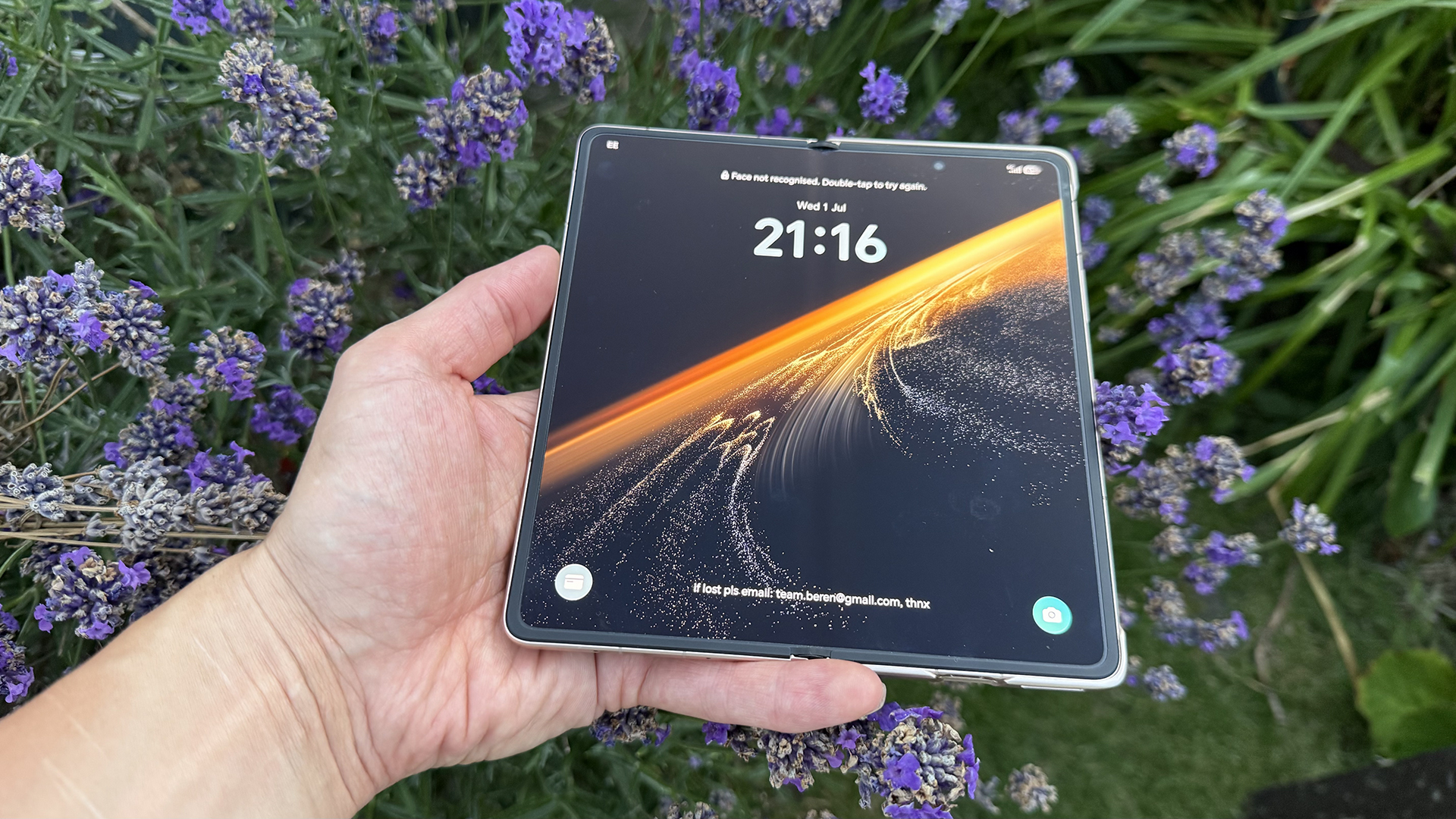
Conversely, the Honor Magic V6 has prioritized design ergonomics. By pushing the boundaries of how thin a foldable device can be without compromising battery life or cooling efficiency, Honor has attracted a demographic that values portability. The "Magic" in the V6 refers largely to the engineering feat of its hinge and screen durability, which have held up remarkably well in independent stress tests conducted throughout the year.
Performance Benchmarks
When comparing the two, performance is largely a tie. Both devices utilize top-tier mobile processors, high-refresh-rate AMOLED displays, and advanced camera arrays. The primary differentiator for the consumer is the software "skin." Samsung’s One UI is dense, feature-rich, and deeply integrated with the wider Samsung ecosystem (watches, tablets, and appliances). Honor’s MagicOS, by contrast, is known for being lighter, snappier, and slightly more intuitive for those who prefer a less cluttered experience.
Official Responses and Market Positioning
While neither company has issued a direct "shot across the bow" in a traditional press release, their marketing activities speak volumes. Samsung’s messaging centers on the "complete experience"—the idea that buying a Z Fold8 is an investment in a lifestyle and a reliable, global support network.
Honor’s strategy is decidedly more guerilla-style. By highlighting the £600 total savings package, they are directly challenging the assumption that the "best" phone must be the most expensive one. In statements to industry partners, Honor representatives have emphasized that the foldable form factor should be accessible to the mass market, not just tech enthusiasts with high disposable income.
This pricing strategy also serves to highlight the "Samsung Tax"—the premium that consumers pay simply for the brand name. Honor is betting that if they can get enough of these devices into the hands of influential users, the word-of-mouth growth will eventually overcome the brand inertia that Samsung currently enjoys.
The Implications: What This Means for the Future
The current state of the foldable market carries significant implications for the wider smartphone industry.
1. The Death of the "Early Adopter" Premium
As competition heats up, the "first-mover" premium is evaporating. We are seeing a shift where foldables are moving toward becoming standard flagship fare rather than luxury items. This benefits the consumer, as brands are forced to innovate not just on hardware, but on price and service.
2. The Ecosystem Lock-in
Samsung’s biggest defense remains its ecosystem. A user who owns a Galaxy Watch, Buds, and Tab is far less likely to jump ship to Honor, regardless of how good the V6 hardware is. This suggests that in the future, the "foldable wars" will be fought less on screen quality and more on software integration and smart-home interoperability.
3. The Rise of "Niche" Innovation
Honor’s foray into experimental tech—such as their rumored "Robot Phone" concept—suggests that while they are competing with Samsung today, they are planning to leapfrog them tomorrow. By establishing themselves as the brand that takes risks, they are carving out a unique identity that separates them from the more conservative, iterative approach currently taken by the market leader.
Final Verdict: Which Path Should You Choose?
For the consumer, this period of intense competition is the ideal time to buy. If you are already deep within the Samsung ecosystem, the Z Fold8 is a logical, high-quality upgrade that will ensure your devices continue to communicate perfectly. The brand loyalty is earned, and the software experience is undoubtedly premium.
However, for those who are "tech-agnostic," the Honor Magic V6 is an undeniably compelling proposition. When you factor in the current price drops and the sheer quality of the hardware, it becomes difficult to justify the higher cost of entry for the Samsung alternative. If you value a slim, aesthetically pleasing design and are open to a fresh software experience, the V6 is not just a budget alternative—it is a flagship in its own right.
Ultimately, the competition between these two titans is forcing both to improve. Whether it is better software support, more durable hinges, or lower prices, the winner of this battle is undoubtedly the consumer. As we look toward the remainder of the year, one thing is certain: the foldable phone is no longer a gimmick. It is the new standard, and the race to lead that standard is only just beginning.


 Lina Irawan
 Pevita Pearce
 Ammar Sabilarrohman
 Suro Senen
 Jia Lissa
 Evan Lee Salim

 Ali Ikhwan