
 Reynand Wu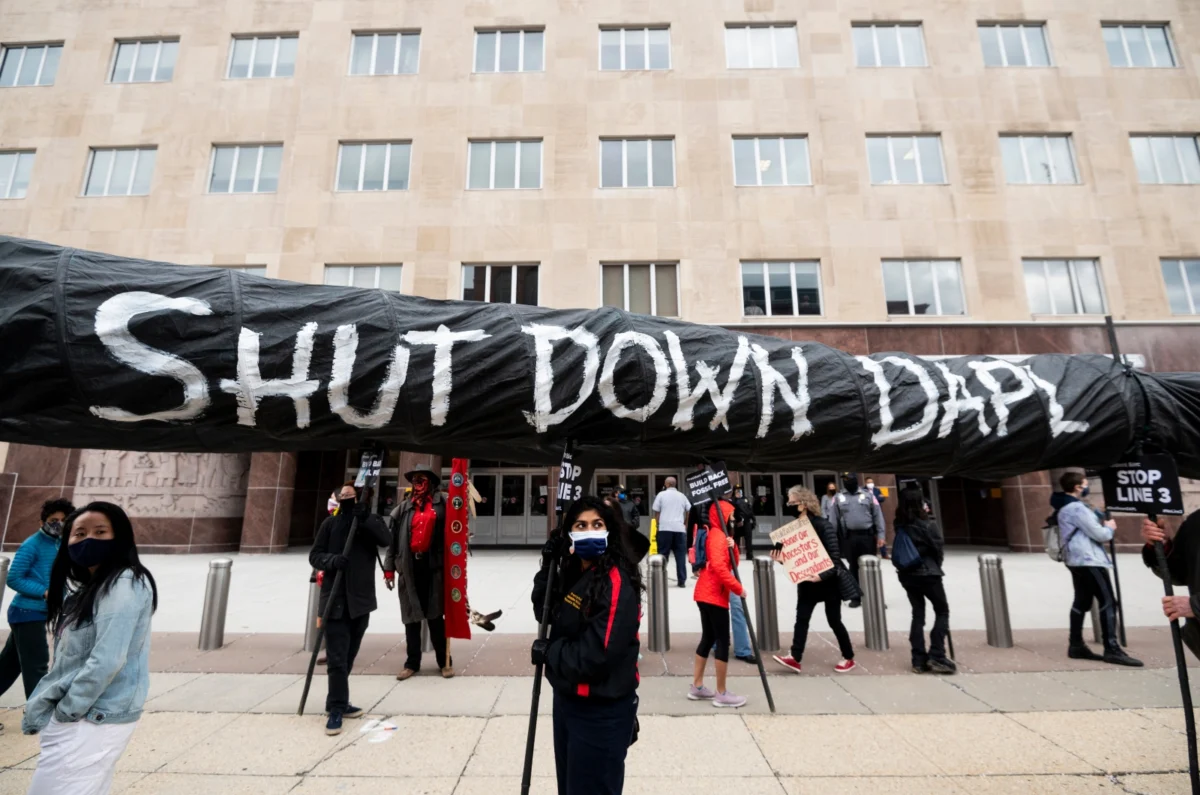
The American climate movement, long united by the singular goal of decarbonizing the economy, has entered a period of profound internal fracture. At the heart of this schism is the Bipartisan American Affordability and Jobs Act (BAAJA), a sprawling 400-page legislative package that has set the nation’s environmentalists, policy experts, and energy developers on a collision course.
For decades, the movement’s strategy was relatively binary: stop the burning of fossil fuels and replace them with clean energy. However, the BAAJA bill forces a choice between those two goals, creating a civil war within the environmental community. The legislation, designed to accelerate the construction of everything from wind farms and transmission lines to natural gas pipelines, does so by rolling back core environmental protections. This has pitted "builders"—those who believe speed is the only path to survival—against "blockers"—those who fear that sacrificing environmental oversight will cause irreversible harm to marginalized communities and the natural world.
The Anatomy of the BAAJA Bill
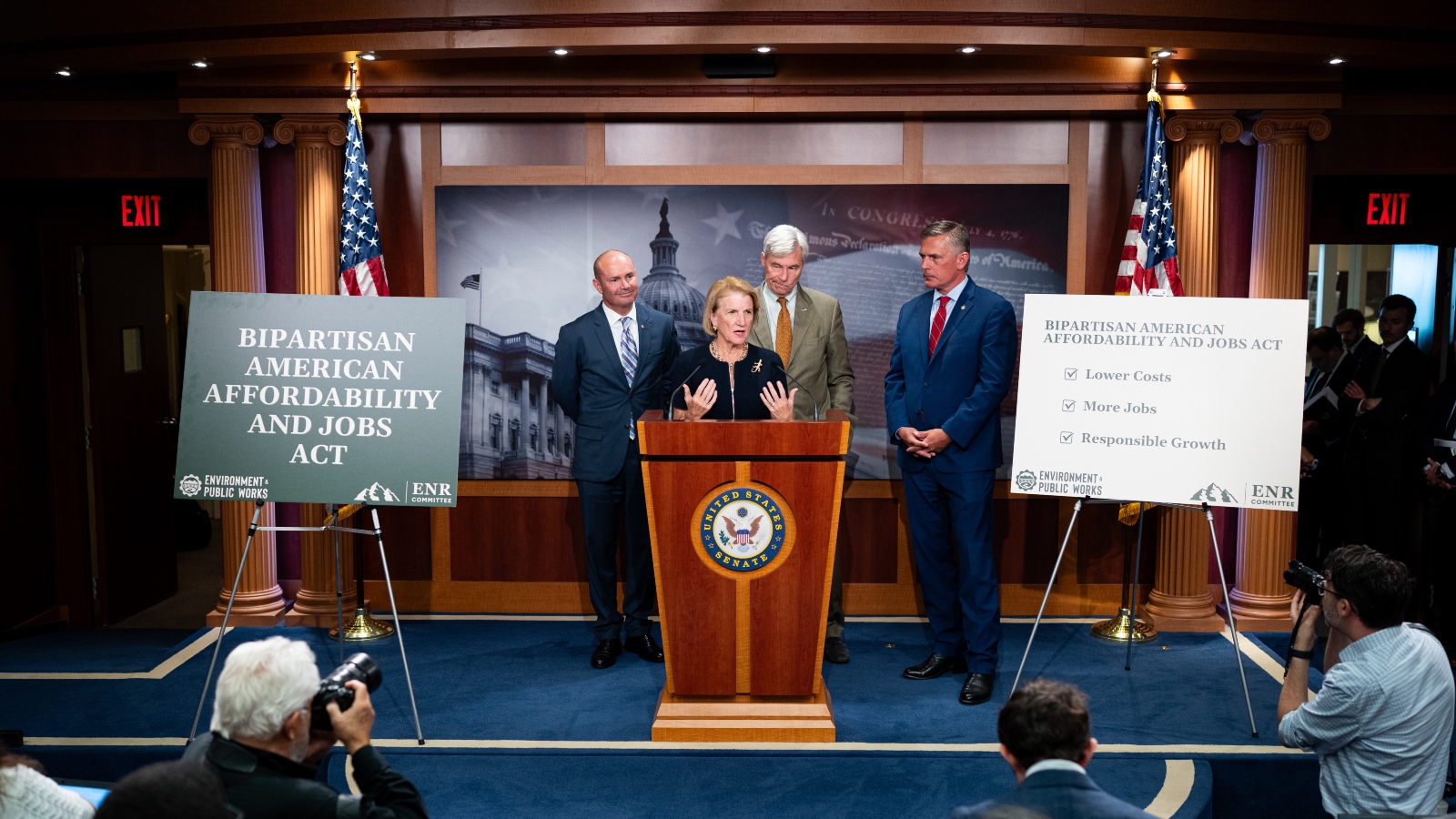
The Bipartisan American Affordability and Jobs Act is the product of months of intense, high-stakes negotiations between four key Senate figures. Known as the “four corners,” the group includes Democratic Senators Sheldon Whitehouse of Rhode Island and Martin Heinrich of New Mexico—both staunch climate hawks—and Republican Senators Mike Lee of Utah and Shelley Moore Capito of West Virginia, both of whom have historically championed fossil fuel interests.
The bill’s central premise is that the current permitting process, governed largely by the National Environmental Policy Act (NEPA), is an insurmountable barrier to the energy transition. To remedy this, the bill proposes:
- Shrinking the Litigation Window: Currently, lawsuits can be filed against federal agencies years after an environmental review is complete. BAAJA would limit this to 150 days.
- Restricting Injunctions: Courts would be limited in their ability to halt projects entirely during a legal challenge, instead being pushed to allow construction to continue while agencies revise their environmental analysis.
- Permitting Certainty: The bill aims to provide developers with ironclad assurances that their projects will not be canceled by executive whim, a provision that protects both clean energy investments from future political swings and fossil fuel infrastructure from regulatory delays.
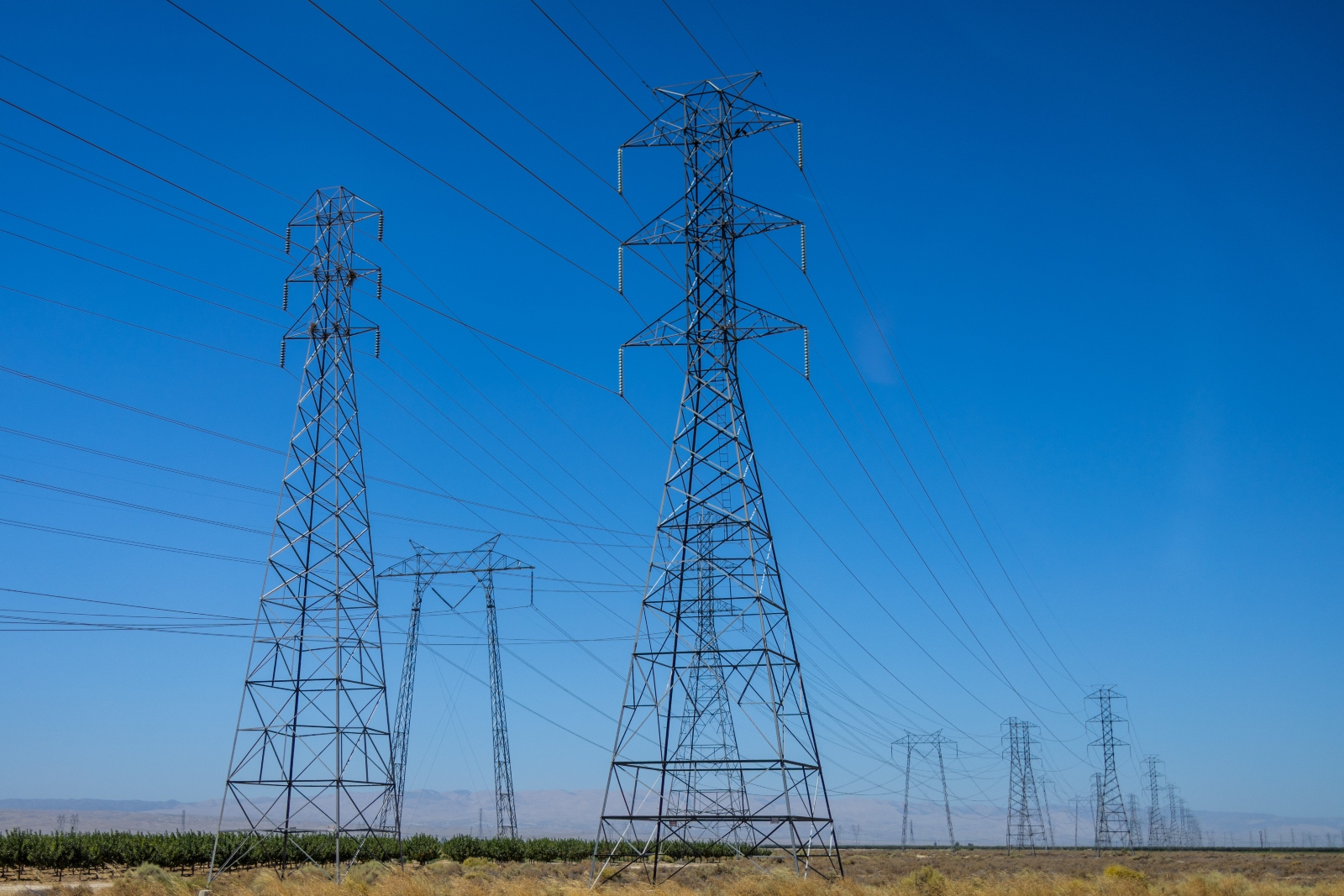
- Transmission Reform: Perhaps the most significant provision, the bill mandates that utilities and regional grid operators plan for large-scale, interregional transmission lines to carry renewable energy from remote areas to power-hungry cities.
A Chronology of the Conflict
The friction between the "build" and "block" factions did not emerge overnight. It is the culmination of years of frustration.
2010s: The Era of Resistance
The modern climate movement gained significant momentum during the fracking boom, centered on grassroots opposition to pipelines like Keystone XL and the Dakota Access Pipeline. This period was defined by legal victories and protests that successfully delayed or canceled fossil fuel infrastructure, establishing the "blocker" strategy as the primary weapon in the climate arsenal.
2020–2025: The Bottleneck Realization
As solar and wind energy became the cheapest sources of power, a new problem emerged: they could not be built fast enough. Developers found themselves stuck in a purgatory of permitting, where transmission lines and renewable farms faced the same regulatory hurdles as oil and gas plants. Studies released throughout 2025 indicated that over 60 percent of solar projects were facing NEPA-related litigation.
September 2026: The "Four Corners" Deal
Following months of closed-door negotiations, the bipartisan group unveiled BAAJA just before the congressional fall recess. The bill’s introduction immediately sent shockwaves through the environmental movement, prompting a scramble of lobbying that will continue until the Senate returns post-midterms.
Supporting Data: Why the "Builders" Are Pushing Back
The proponents of BAAJA, including industry trade groups like ACORE and research organizations like Berkeley Earth, argue that the status quo is fundamentally broken. They point to the geographical mismatch between where renewable energy is abundant—the wind-swept plains of the Dakotas and the sun-drenched deserts of Nevada—and where electricity is consumed.
"Historically, it didn’t matter too much where power plants were located, so we built them close to where the power was needed," explains Chirag Lala, chief economist at the Center for Public Enterprise. "But we don’t have that same luxury with clean energy, which is very location-specific. If you’re going to rely on those resources, you have to ship the power over long distances."
The data supports this: the lack of high-voltage interstate transmission lines is the single biggest bottleneck preventing the U.S. from achieving its climate goals. Furthermore, the constant threat of litigation—even against renewable projects—has driven up capital costs, making developers hesitant to enter the market. Proponents argue that if the U.S. does not build out massive capacity in the next four years, energy prices will skyrocket and the country will miss its emission reduction targets.
Official Responses and Political Calculations
The response to the bill has been profoundly fragmented. While some major nonprofits, such as the Natural Resources Defense Council, have adopted a cautious "wait and see" approach, others have been more vocal.
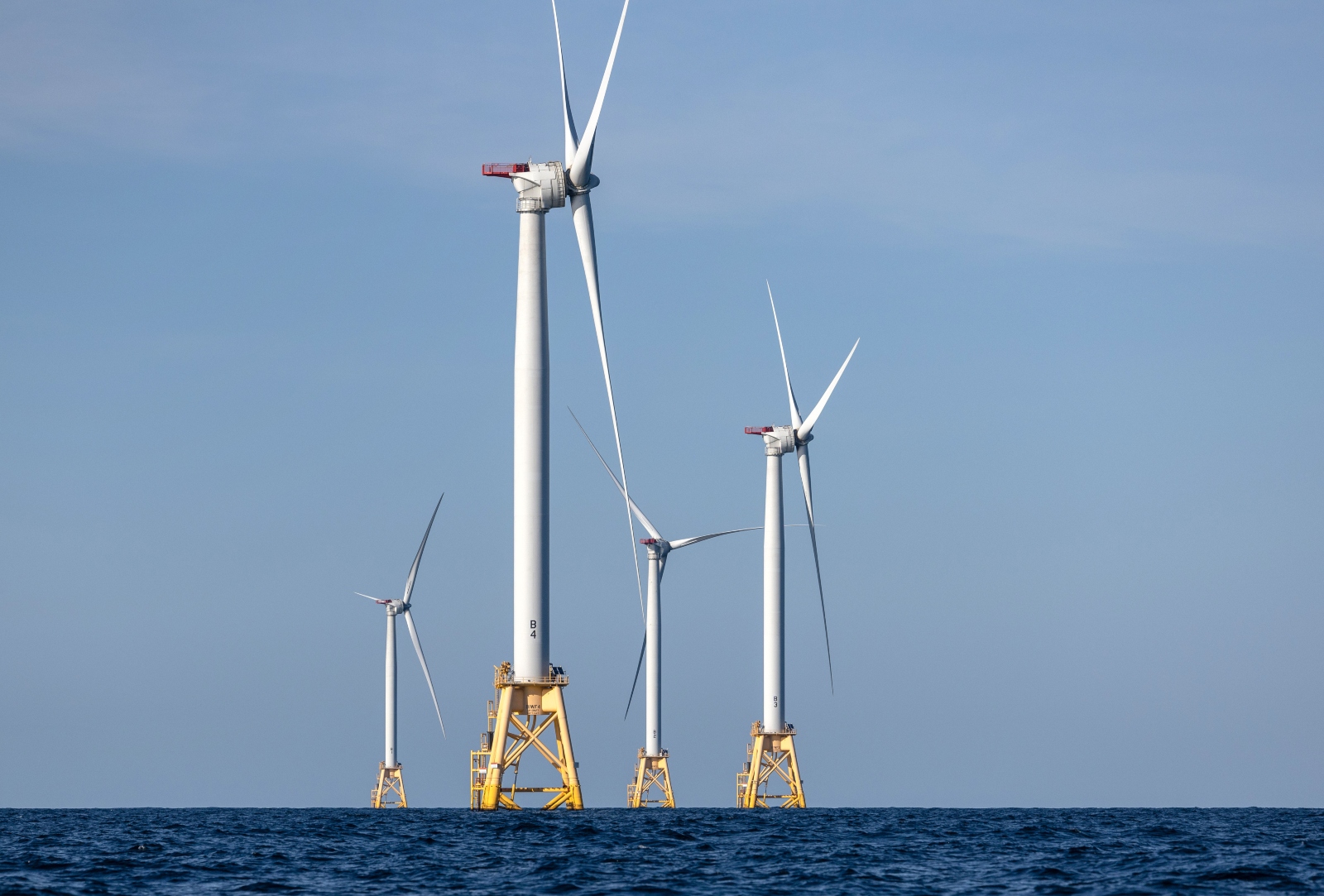
Representative Jared Huffman, a Democrat from California, has emerged as a leading skeptic, labeling the bill a "Trojan horse." Huffman argues that the bill is heavily weighted toward fossil fuel industry giveaways and that the political environment after the midterms might allow for a cleaner, less regressive deal.
Conversely, supporters like Zeke Hausfather of Berkeley Earth contend that the perfect is the enemy of the good. "I don’t want us to run roughshod over any community," Hausfather noted, "but we also can’t give everyone a veto for an issue as important as climate change."
The fossil fuel industry, meanwhile, views the "permitting certainty" provisions as a major victory, as it prevents the executive branch from using aggressive administrative actions to pause or block natural gas and oil projects, as seen under recent presidential administrations.
Implications: The Long-Term Fallout
The passage of BAAJA—or its failure—will define the future of the American climate movement for a generation.
1. The Erosion of Tribal and Local Power:
Indigenous groups, led by organizations like the National Association of Tribal Historic Preservation Officers, argue that the bill effectively silences their input. By narrowing the window for comment and limiting the power of courts to intervene, they fear that sacred sites and marginalized communities in the Gulf South will be sacrificed for the "greater good" of national grid modernization.
2. The "Lock-in" Effect:
Opponents, including the Center for Biological Diversity, warn that by making it easier to build energy infrastructure generally, the bill creates a "lock-in" effect for fossil fuels. They argue that once a pipeline is permitted and built, it will be operated for decades, effectively undermining the very climate benefits that the renewable energy portions of the bill were meant to achieve.
3. A New Strategic Reality:
The most profound implication is the shift in philosophy. The climate movement has long been defined by its ability to stop the "bad stuff." The current debate suggests a fundamental pivot: if the movement can no longer rely on the courts to stop fossil fuel development, it must focus entirely on building a renewable system that is so large and so efficient that fossil fuels become economically obsolete.
As Congress prepares to return to session, the climate movement remains a house divided. Whether this legislative effort represents a pragmatic compromise necessary for survival or a betrayal of environmental principles remains the most contentious question in Washington. One thing is certain: the era of the "blocker" is being challenged by a new, more aggressive era of the "builder," and the fallout from this transition will be felt in every community across the United States.

 Laily UPN
 Lina Hope
 Iffa Jayyana
 Rifan Muazin
 Suro Senen
 Lina Irawan