
 Laily UPN
The B2B marketing landscape is undergoing a profound transformation. As we look toward 2025, the traditional divide between business-to-business and business-to-consumer strategies is blurring. The era of cold, sterile corporate messaging is rapidly being supplanted by a demand for human-centric, authentic, and high-utility content. For B2B organizations, the stakes have never been higher: mastering social media is no longer a peripheral activity but a core driver of lead generation, brand authority, and customer retention.
Based on insights from the Social Pros podcast and the latest Netline B2B Content Consumption Report, this analysis outlines the strategic playbook that will define competitive success in the coming year.
The Core Shift: From Corporate Facade to Authentic Connection
For years, B2B brands operated under the assumption that professional services required a buttoned-up, detached tone. However, current market data suggests the opposite. According to the Netline B2B Content Consumption Report, audiences are increasingly gravitating toward content that reflects real-world challenges and relatable human experiences.
The Humanization of B2B
The "Human-to-Human" (H2H) approach is the defining trend for 2025. Brands that successfully leverage this strategy do not just sell a product; they tell a story. By showcasing internal culture, the hurdles overcome by engineering teams, or the personal values of leadership, companies are building emotional equity with their prospects.
This authenticity creates a defensive moat. In a crowded digital marketplace, potential buyers are more likely to partner with organizations that demonstrate transparency and a shared vision rather than those that simply recite feature sets.
Video Strategy: The Duality of Short-Form and Long-Form
Video remains the undisputed king of digital engagement, yet its application in 2025 requires a nuanced, bifurcated approach.
The Short-Form Velocity
Platforms like TikTok, Instagram Reels, and LinkedIn Shorts have fundamentally changed the attention economy. With 72% of B2B marketers reporting success in lead generation through short-form video, these assets have become essential for top-of-funnel awareness.
- Why it works: Short-form content provides a "snackable" entry point. It allows brands to showcase product "hacks," quick industry tips, or behind-the-scenes glimpses that humanize the company.
- Strategic implementation: These videos should focus on a single, punchy takeaway. Whether it is a 30-second explanation of a complex software update or a quick interview with a subject matter expert, the goal is to trigger immediate curiosity and click-through.
The Long-Form Authority
While short-form captures attention, long-form content—webinars, deep-dive YouTube documentaries, and comprehensive podcasts—builds the trust necessary for high-ticket sales. As seen with industry leaders like Salesforce and HubSpot, long-form content is where the "real" education happens. These assets serve as the primary source of truth, establishing the brand as a thought leader and providing the depth required for complex B2B buying cycles.

Thought Leadership as a Competitive Moat
In 2025, thought leadership is not merely a content pillar; it is a critical SEO and trust-building mechanism. Executives who actively share their perspectives on platforms like LinkedIn are effectively turning their personal profiles into brand-building assets.
Building Credibility
Thought leadership is most effective when it moves beyond "safe" corporate announcements. Instead, it should involve:
- Predictive Analysis: Sharing views on where an industry is headed in the next 3–5 years.
- Contrarian Views: Taking a stance on industry norms to spark healthy debate.
- Educational Case Studies: Breaking down the "why" and "how" behind successful projects, rather than just the result.
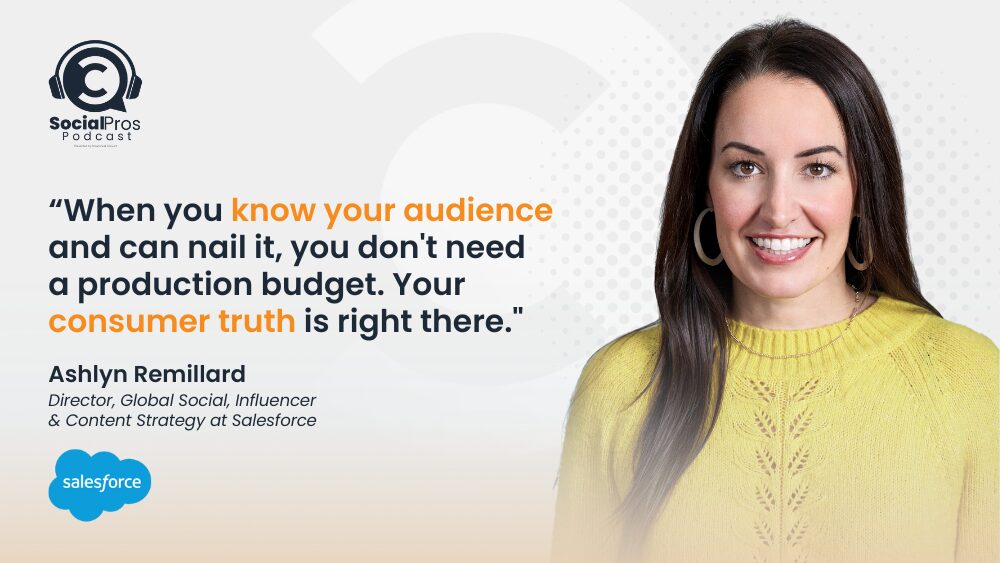
By consistently providing value, brands like IBM and Microsoft have demonstrated that the executive voice is often more trusted by the market than the brand voice itself.
The Rise of B2B Influencer Marketing
Once considered the exclusive domain of lifestyle brands, influencer marketing has matured into a powerful B2B growth engine. The logic is sound: professionals are more likely to trust an established industry expert or peer than a sponsored advertisement.
Why B2B Influencers Deliver
B2B influencers are not necessarily social media celebrities; they are often industry consultants, academics, or practitioners with niche, highly engaged followings. Partnering with these individuals allows brands to:
- Gain Immediate Credibility: An endorsement from a trusted industry figure acts as a "seal of approval."
- Access Niche Audiences: Influencers have already done the heavy lifting of community building within specific verticals.
- Accelerate Reach: Campaigns involving influencers consistently show higher conversion rates due to the pre-existing trust dynamic.
A prime example is Oracle’s "On the Fly" series, which utilized 30 industry influencers to create content. The result was not just higher engagement, but a marked increase in qualified traffic to their digital properties, proving that influencer-led content creates a halo effect around the brand.
AI Integration: Efficiency at Scale
Artificial Intelligence is no longer a future prospect; it is a present-day operational necessity. In 2025, the primary benefit of AI for B2B marketers is not replacing human creativity, but removing the administrative friction that prevents it.
Strategic AI Application
- Content Repurposing: Using AI tools to transcribe a webinar and transform it into a blog post, a series of LinkedIn snippets, and a newsletter summary.
- Predictive Analytics: Utilizing AI to analyze historical data to determine the optimal time to post content or the specific pain points a target persona is currently searching for.
- Engagement Automation: While human connection is key, AI chatbots are becoming sophisticated enough to provide immediate answers to top-of-funnel questions, allowing sales teams to focus on high-value interactions.
As emphasized in the 5 Steps to AI Readiness framework, the key for marketing leaders is to treat AI as a force multiplier that allows lean teams to maintain a massive digital footprint.
Solving for Customer Pain Points
At its core, all B2B marketing should be an exercise in empathy. The most effective content strategies are those that map directly to the specific problems a customer faces daily.
The Solution-First Framework
Content that addresses pain points creates a direct line of sight between the brand and the solution. This involves:
- "How-To" Guides: Providing tangible, actionable steps to solve a specific technical or operational challenge.
- Comparative Analysis: Offering unbiased comparisons that help the buyer understand their options.
- Crisis Management/Advice: Addressing industry-wide shifts or economic downturns with clear, calm, and practical guidance.
When a brand positions itself as a partner in solving problems rather than a vendor seeking a transaction, it shifts the power dynamic of the sale and builds long-term loyalty.
Implications and The Road Ahead
As we navigate 2025, the overarching implication is clear: The barrier to entry for high-quality marketing has lowered, but the barrier to excellence has risen.
The convergence of AI, video, and influencer-led strategies means that the B2B market is becoming increasingly noisy. To cut through, brands must stop "broadcasting" and start "conversing." The winners of the next year will be those who:
- Prioritize Authenticity: Move toward human-first storytelling.
- Adopt a Hybrid Content Model: Use short-form for reach and long-form for authority.
- Leverage Expert Networks: Integrate influencer voices into the brand narrative.
- Embrace AI Efficiency: Use automation to fuel, not replace, strategic thinking.
The evolution of B2B social media is not just about adopting new platforms; it is about adopting a more agile, empathetic, and human-centric mindset. Organizations that lean into these trends will find that their social media presence is no longer just a support function, but a fundamental driver of business growth and brand equity. As the landscape continues to shift, the brands that remain rigid will be left behind, while those that adapt will define the future of the industry.


 Evan Lee Salim
 Jia Lissa
 Basiran
 Neng Nana
 Iffa Jayyana
 Raul Delapena Setiawan
 Rifan Muazin
 Asro
Asro