
 Ammar Sabilarrohman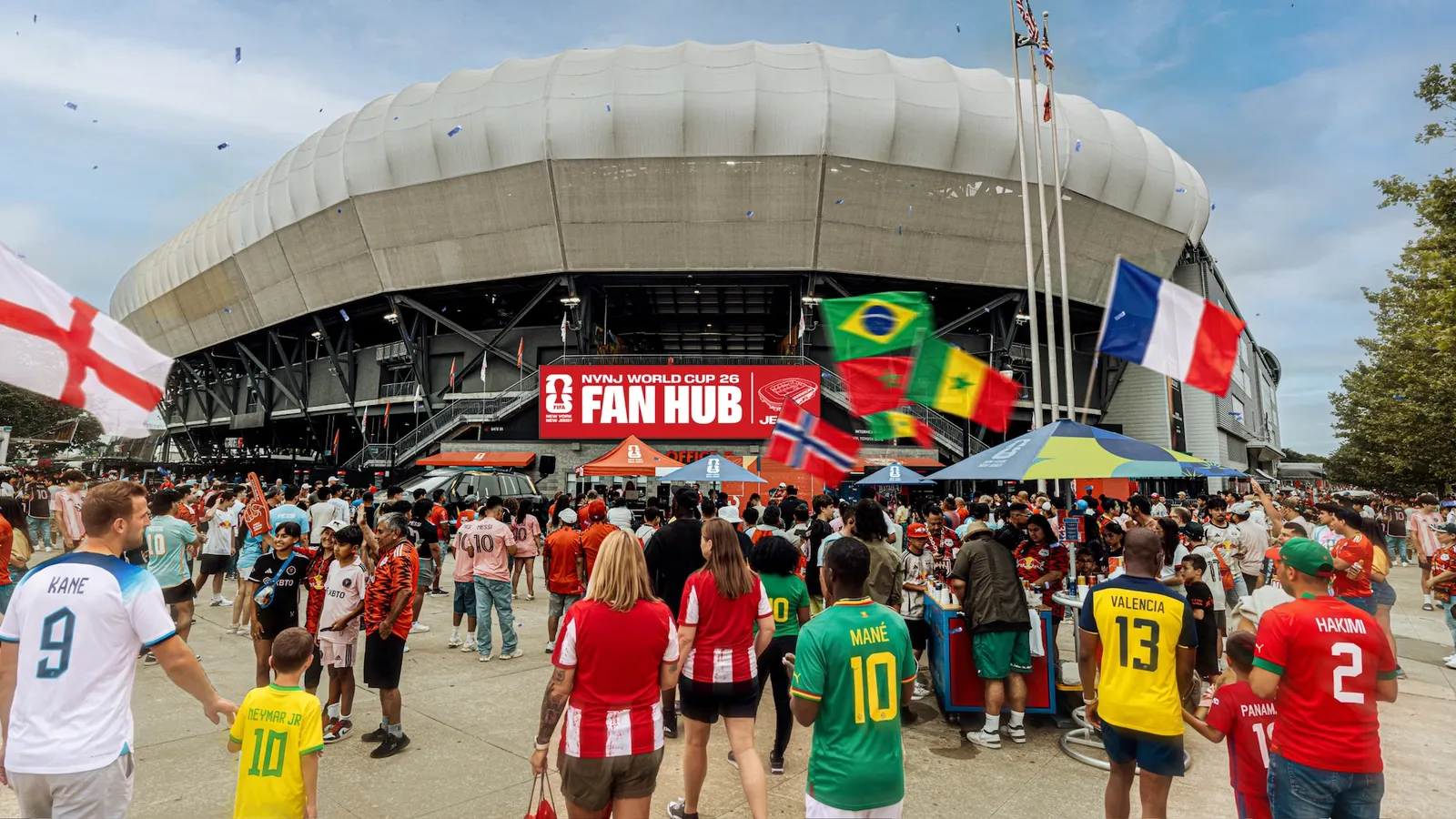
In an era defined by economic volatility and a rapidly shifting media landscape, Volkswagen of America is doubling down on a philosophy that favors long-term cultural integration over ephemeral, transactional advertising. Following a summer that saw soccer’s global profile reach unprecedented heights in North America, the automaker has announced a massive extension of its presenting partnership with U.S. Soccer through 2032. This commitment is not merely a brand placement strategy; it is a calculated effort to insulate the German automotive giant from the headwinds currently battering the global auto industry.
By moving beyond traditional linear commercials and embedding itself into the fabric of American sports and entertainment, Volkswagen is positioning itself as a "challenger brand" that prioritizes emotional resonance—a strategy spearheaded by Rachael Zaluzec, the company’s Chief Marketing Officer and Senior Vice President of Customer Experience.
The Strategic Expansion: A Decade of Soccer
The extension of the U.S. Soccer partnership represents one of the most significant marketing investments in the organization’s history. The deal covers all 27 U.S. National Teams, but the scope has been significantly broadened. Volkswagen will now serve as a primary sponsor for U.S. Soccer’s newly unveiled flagship National Training Center in Atlanta, Georgia.
This infrastructure investment is complemented by an increased focus on grassroots programming, aimed specifically at increasing youth access to sports. By supporting the full breadth of the federation—including the Deaf, Powerchair, Futsal, and Beach Soccer national teams—Volkswagen is reinforcing its global reputation for inclusivity while deepening its connection to the American demographic.
"We were early adopters," said Zaluzec during an interview at Advertising Week. "We aren’t on the bandwagon. We are a challenger brand, and soccer is a challenger sport. We are about democratizing mobility, and they are about democratizing the sport to let everyone play. That cultural fit is why this works."
Chronology of an Evolving Brand Strategy
Volkswagen’s modern marketing trajectory can be mapped through a series of intentional, high-profile cultural pivots:
- 2019: Volkswagen officially signs on as the presenting partner of U.S. Soccer, identifying a synergy between the brand’s "people’s car" ethos and the accessibility of the sport.
- 2023–2024: The brand leans into heavy nostalgia and high-impact tentpole events. The "Saturday Night Live" 50th-anniversary celebration serves as a proving ground for the integration of the ID. Buzz electric bus into pop culture narratives.
- Early 2025: A Super Bowl appearance signals a return to heritage, as the brand revives the iconic "Drivers Wanted" campaign. This move, supported by influencer partnerships like that with Emma Chamberlain, bridges the gap between historical brand equity and modern digital consumer behavior.
- Late 2025–2026: The launch of the 2027 Atlas serves as a critical product milestone. Concurrently, the brand aligns with NBCUniversal’s centennial celebrations, proving that the "SNL" formula of celebrity-led, high-concept creative can be scaled to broader entertainment platforms.
- 2027–2032: The long-term horizon focuses on sustained presence, anchored by the Women’s World Cup in Brazil (2027) and the Los Angeles Summer Olympics in 2028.
Supporting Data: Why "Culture-First" Matters
In the current automotive market, consumers are increasingly price-sensitive, and manufacturers are engaged in a "race to the bottom" regarding discounts and incentives. However, Volkswagen’s data suggests that transactional marketing is insufficient for building long-term brand loyalty.
Zaluzec notes that Volkswagen is an "intentional purchase," meaning the customer journey is rarely impulsive. By leveraging the scale of fandoms—whether through the U.S. Soccer federation or NBC’s massive television audience—Volkswagen achieves "mental availability."
The shift toward athlete-ambassadors is a key component of this data-backed approach. Because many members of the U.S. Women’s National Team are parents, their personal usage of Volkswagen vehicles provides authentic, relatable content for social media channels. This "peer-to-peer" marketing carries significantly more weight than a traditional, high-gloss television ad, as it allows the brand to integrate into the daily lives of consumers rather than interrupting them.
Official Responses: The CMO’s Vision
During her appearance at Advertising Week, Rachael Zaluzec offered a candid assessment of the current state of the industry. Addressing the "noise" of the modern advertising market, she emphasized that Volkswagen’s strategy is built on credibility.
"Planting those seeds and making those emotional connections now will not only pay off today, but it’s going to pay off in the future," Zaluzec stated. "That’s why partnerships are so critically important. I get the credibility, but I also get the scale of the fandom of those different entities."
When asked about the potential for a Super Bowl return, Zaluzec remained disciplined, framing the Super Bowl not as an annual requirement, but as a specific tool for specific moments. "You only go if you have something really relevant to say," she explained. With the 2027 Atlas launch occurring in the fourth quarter, the brand has already identified its "what to say" moment for the current cycle, signaling that they will not participate in the Super Bowl unless the narrative justifies the massive investment.
Industry Implications: Navigating Economic Headwinds
The automotive sector is currently navigating a period of profound restructuring, characterized by global trade tensions, shifting manufacturing footprints, and the transition to electrified platforms. Volkswagen is not immune to these pressures, having recently announced a significant restructuring plan that includes workforce adjustments.
For the marketing department, these pressures dictate a "do more with less" mentality—not in terms of budget, but in terms of efficacy. The focus has moved away from "rinse and repeat" advertising to highly targeted, non-traditional integrations.
The Shift Toward Authenticity
Volkswagen’s collaboration with NBCUniversal for the network’s 100th anniversary is a prime example of this. Rather than simply buying commercial spots, the brand is associating with talent like Tina Fey and Rachel Dratch, and showing up in cultural moments like the Macy’s Thanksgiving Day Parade. This ensures that the brand remains visible in a way that feels organic rather than forced.
Maintaining Mental Availability
As the market remains price-sensitive, the temptation for competitors is to focus exclusively on price-point advertising. Volkswagen, however, is betting that maintaining brand equity is the only way to avoid the "commodity trap." By staying in linear television—where the audience is vast—while simultaneously building deep, authentic connections through social media and grassroots sports, they are attempting to capture both the broad market and the passionate enthusiast.
Conclusion: The Road Ahead
Volkswagen of America’s strategy is a testament to the idea that in a digital world, the most effective marketing is often the most human. By anchoring its future to the growth of U.S. Soccer and the continued relevance of major cultural institutions like NBC, Volkswagen is insulating itself against the volatility of the automotive market.
As the industry moves toward a future that is as much about software and experience as it is about internal combustion or batteries, Volkswagen’s commitment to "emotional connections" serves as its primary differentiator. Whether through the winky personality of the ID. Buzz or the shared dedication of the U.S. National Soccer teams, the brand is clearly signaling that it intends to remain a permanent fixture in the American cultural landscape through 2032 and beyond.


 Evan Lee Salim
 Jia Lissa
 Basiran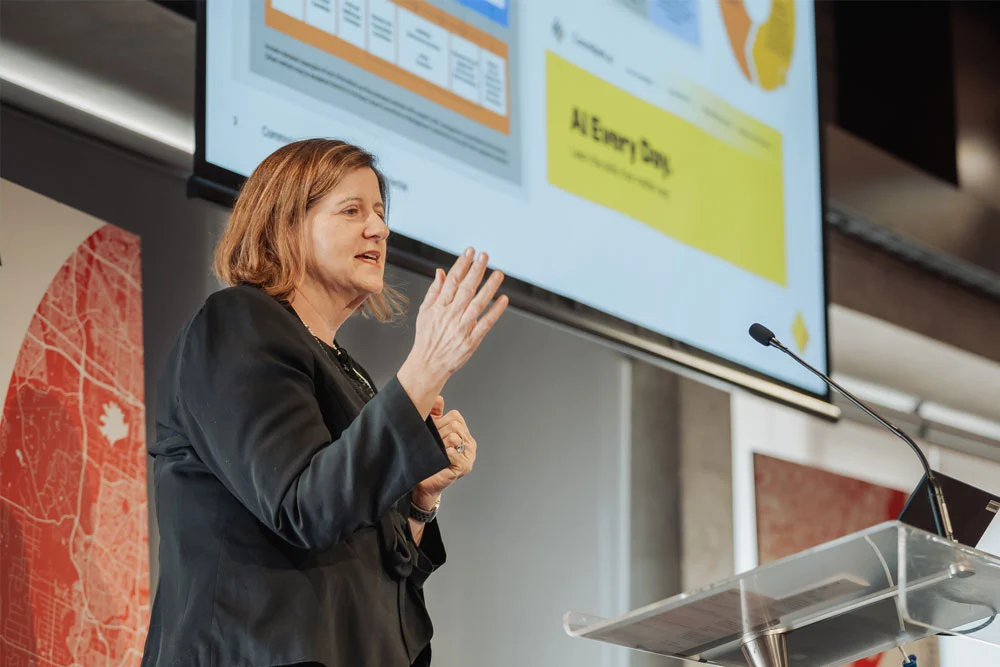
 Neng Nana
 Iffa Jayyana
 Raul Delapena Setiawan
 Rifan Muazin
 Asro
Asro