Layla Zulfa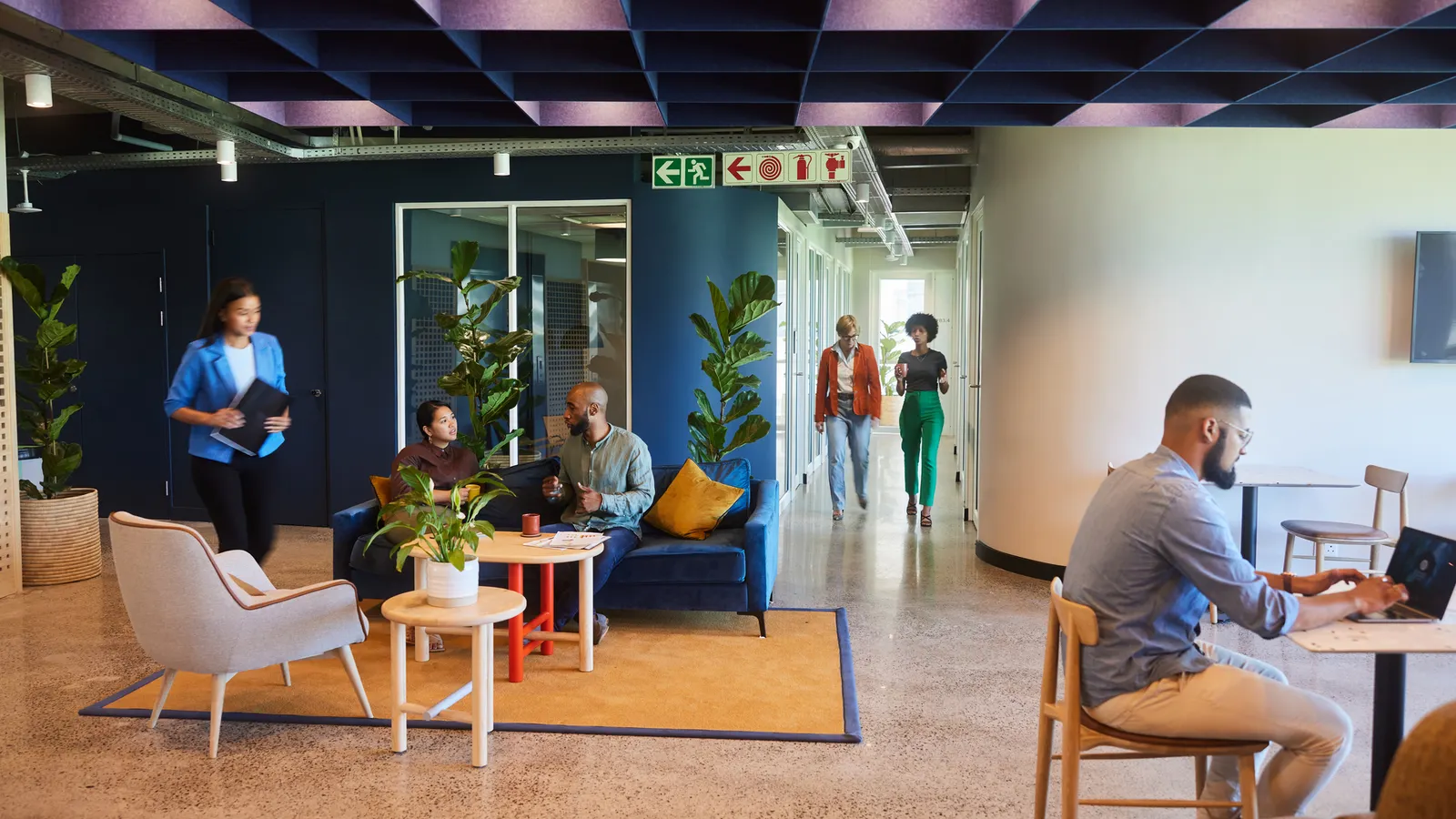
By Joe Burns, Facilities Dive | Published July 21, 2026
The push to revitalize the physical workplace is gaining significant momentum, fueled by a profound shift in how organizations and employees perceive the purpose and design of office environments. Research from global real estate giant CBRE indicates a substantial rise in office utilization rates, a trend attributed not only to more stringent attendance policies but, crucially, to a smarter alignment of physical space with the evolving needs and desires of the modern workforce. This evolution marks a departure from the traditional focus on individual task completion, pivoting towards a more collaborative and relationship-centric model.
The Shifting Paradigm of Productive Workspaces
For years, the conversation around the "future of work" has been dominated by remote and hybrid models. However, recent data suggests a recalibration, with companies actively seeking to bring employees back to the office. This resurgence isn’t a simple return to pre-pandemic norms; it’s a strategic reimagining of what an office should be. CBRE’s latest analysis reveals that the most successful organizations are no longer designing spaces primarily for individual, heads-down work. Instead, the contemporary office is being meticulously crafted to foster team cohesion, nurture professional relationships, and facilitate spontaneous interactions.
This paradigm shift is vividly reflected in the allocation of office real estate. In the Americas, a comprehensive study revealed a remarkable 35% increase in shared support spaces between 2021 and 2025. This category encompasses a wide array of environments, including traditional meeting rooms, dedicated project rooms, and more informal gathering areas designed for serendipitous encounters and collaborative brainstorming. Concurrently, the report noted an equal decline in individual workspaces, signaling a deliberate move away from the cubicle farms and private offices that once defined corporate landscapes.
The Ascendancy of Amenity and Social Spaces
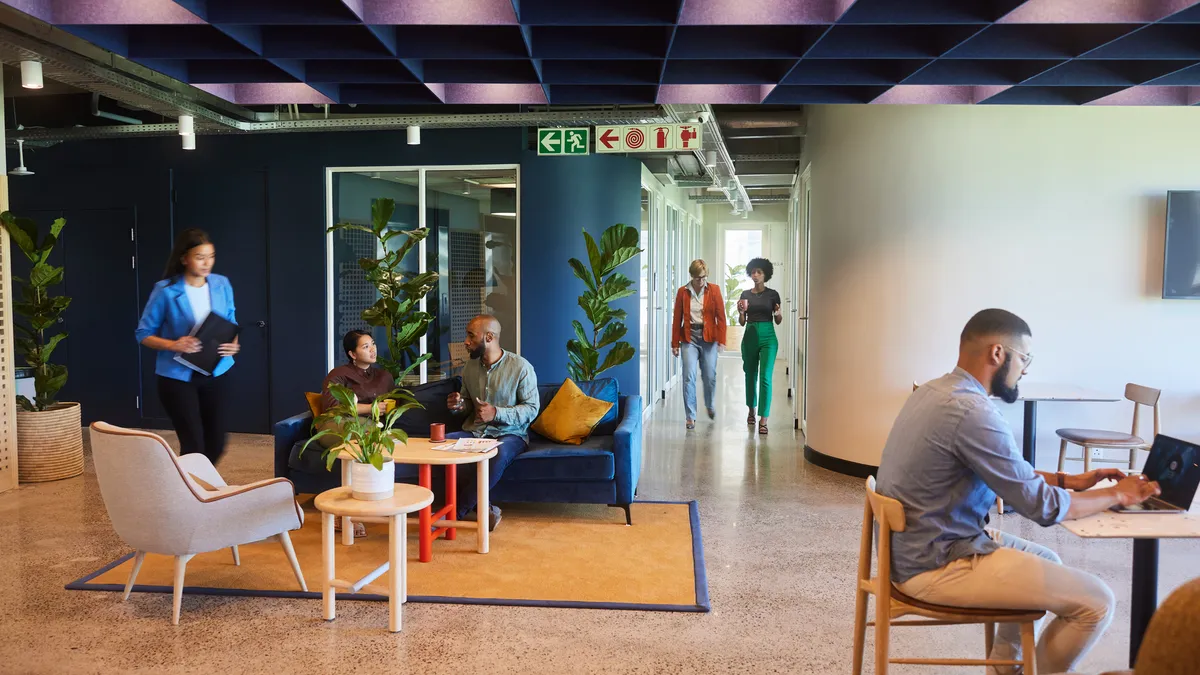
Perhaps the most striking indicator of this evolving office philosophy is the explosive growth of amenity spaces specifically designed for social connection, shared experiences, and informal interaction. These areas, ranging from comfortable lounge areas and well-equipped kitchens to dedicated wellness zones and recreational spaces, have seen an astonishing 120% surge in prevalence since 2021.
CBRE articulates this trend as a growing conviction among organizations that "culture is cultivated, not assumed." In essence, companies are recognizing that a vibrant and engaged workforce doesn’t materialize organically; it requires a physical environment that actively supports and encourages the development of a strong organizational culture. "If utilization data indicates that people are returning to the office, then space allocation data indicates what they expect when they get there," the firm states, underscoring the direct correlation between employee return and the design of appealing, purpose-driven workspaces.

Data-Driven Space Optimization and Increased Occupancy
The tangible impact of these design changes is evident in global occupancy rates, which CBRE reports have now reached an impressive 111%. This figure signifies that more people are sharing existing office space than ever before, a testament to the successful implementation of new workplace strategies. The long-standing, almost universal, practice of a 1:1 employee-to-desk ratio has largely become an exception. Most organizations are now embracing a more dynamic approach, with employee-to-seat ratios ranging between 1.01 and 1.49.
This optimization is not haphazard. While a notable third of organizations are pushing beyond the 1.5 employees per seat mark, the overwhelming majority (83%) are employing a nuanced strategy that considers job function when determining sharing ratios. Furthermore, over three-quarters of these organizations are actively calibrating these ratios by leveraging real-time space utilization data, ensuring that the office footprint remains efficient and responsive to actual usage patterns.
Looking Ahead: Continued Growth and Strategic Advantage
CBRE’s projections indicate a sustained upward trajectory for office utilization through 2027. This continued growth is anticipated to be driven by a multifaceted approach, encompassing the consistent enforcement of return-to-office policies, a stronger alignment of physical spaces with evolving company cultures, and a growing appreciation for the strategic advantages that in-person connection offers.

The firm emphasizes that organizations that have proactively invested in collaborative and social spaces are strategically positioned to capitalize on this trend. "Employees will vote with their feet for environments that make the trip worth it, while leaders will need the office to deliver on its promise of culture and performance," CBRE concludes. This sentiment highlights a crucial interplay: employees will be drawn to offices that offer compelling reasons to be present, while leadership will expect these revitalized spaces to deliver tangible benefits in terms of both cultural cohesion and operational performance.
Supporting Data and Key Trends:
- Shared Support Space Growth: In the Americas, shared support spaces (meeting rooms, project rooms, informal gathering areas) increased by 35% from 2021 to 2025.
- Decline in Individual Spaces: Concurrently, individual task-focused workspaces saw an equal percentage drop.
- Amenity Space Boom: Social connection and informal interaction spaces saw the fastest growth, up 120% since 2021.
- Global Occupancy Rates: Currently stand at 111%, indicating increased space sharing.
- Shift in Employee-to-Desk Ratio: The traditional 1:1 ratio is declining, with most organizations moving towards 1.01 to 1.49 employees per seat.
- Data-Driven Ratios: 83% of organizations consider job function, and over 75% use space utilization data to determine sharing ratios.
- Future Outlook: Utilization rates are expected to continue rising through 2027.
Official Responses and Industry Insights:
CBRE’s research reflects a broader industry consensus. Facilities managers and corporate real estate leaders are increasingly vocal about the need to create "sticky" workplaces – environments that employees genuinely want to be in. The emphasis is shifting from merely providing a desk to curating an experience. This includes incorporating flexible furniture, advanced technology to support hybrid meetings, and amenities that cater to employee well-being and social interaction.
The move towards more collaborative spaces is also being driven by a recognition that innovation and problem-solving often thrive in informal, face-to-face settings. While individual work remains essential, the serendipitous conversations and spontaneous collaborations that occur in shared areas are viewed as critical drivers of creativity and efficiency.
Implications for the Future of Workplaces:
The implications of this trend are far-reaching. For organizations, it means a potential reduction in overall real estate footprints, offset by a higher quality and more purposeful use of remaining space. It also necessitates a greater investment in interior design, technology, and amenities that foster a positive employee experience.
For employees, it signals a return to an office that is less about mandatory attendance and more about offering tangible benefits. The "trip to the office" will need to be justified by opportunities for meaningful collaboration, professional development, and a sense of community that may be harder to replicate in a fully remote setting.
The data clearly indicates that the office is not dead; it is transforming. The successful organizations of the future will be those that can masterfully blend policy with purpose, creating physical environments that are not just functional but inspirational, driving both employee engagement and business performance. The era of the amenity-rich, collaboration-focused workplace has truly begun.

 Lina Hope
 Reynand Wu
 Nila Kartika Wati
 Jia Lissa
 Basiran
 Sagoh
Sagoh