
 Pevita Pearce
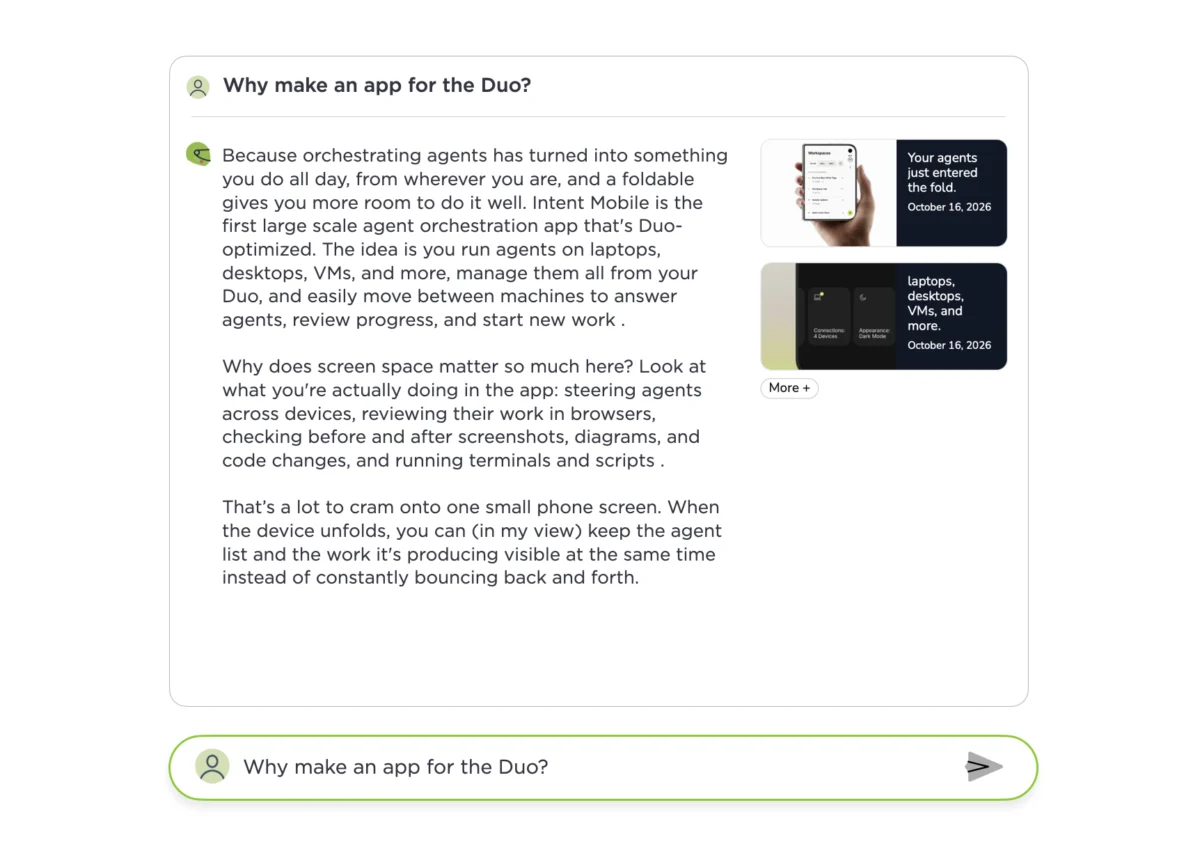
In the rapidly evolving landscape of generative AI, the transition from general-purpose large language models to highly specialized, personal AI assistants has become the new frontier. For digital product design expert Luke Wroblewski, this evolution is not just a theoretical pursuit but a practical project three years in the making. His "Ask LukeW" feature, a specialized interface designed to answer complex questions about product design using his own body of work, has recently undergone a major architectural overhaul. By shifting from manual, fragmented content management to a fully automated, multi-modal ingestion pipeline, Wroblewski has effectively turned his decades of expertise into a dynamic, real-time knowledge base.
Main Facts: The Anatomy of an Intelligent Corpus
The core challenge of building a personal AI is the "garbage in, garbage out" dilemma. An AI can only be as insightful as the data it is fed. Previously, Wroblewski’s system relied on a manual ingestion process, where he had to curate and upload articles, presentations, and files individually. This created a significant bottleneck in keeping the AI relevant.
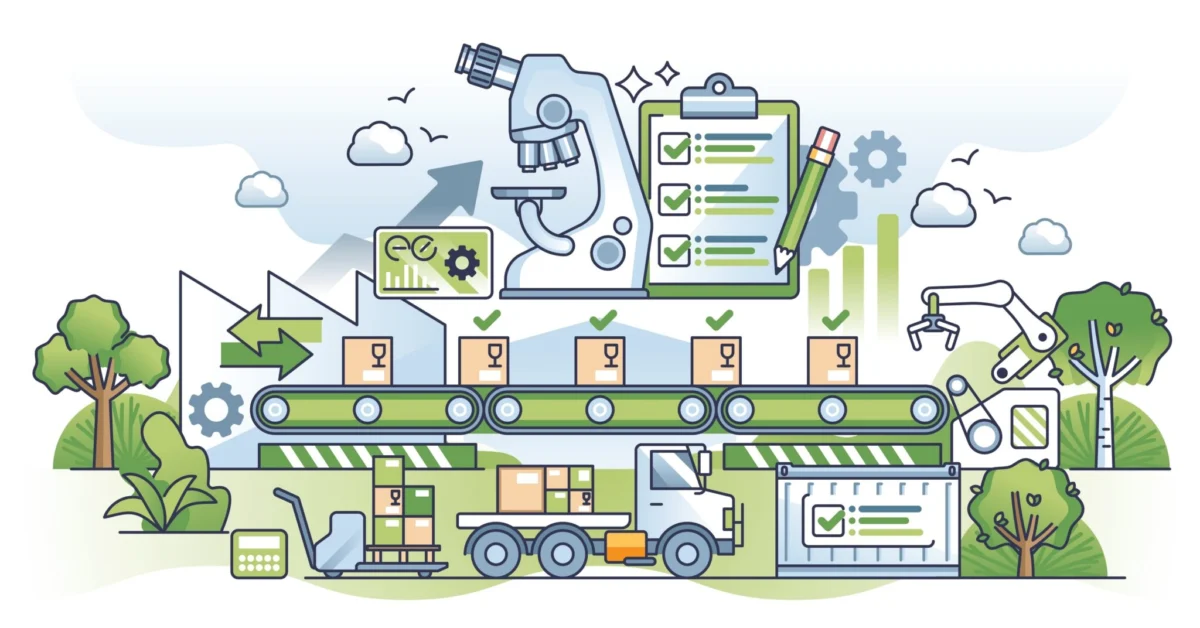
The new system solves this through a robust, hourly automated ingestion pipeline. When new content is generated—whether it be a blog post, a video presentation, or a post on X (formerly Twitter)—the system detects, processes, and indexes the information in real-time. This process involves sophisticated multi-modal AI models capable of transcribing audio, parsing complex visual diagrams in PDF slides, and interpreting the contextual nuances of social media interactions. By transforming raw, unstructured data into a semantically searchable format, the system ensures that "Ask LukeW" can provide answers that are not only accurate but also visually and contextually rich.
Chronology: A Three-Year Path to Automation
The development of "Ask LukeW" has been a gradual, iterative process, reflecting the broader maturation of AI technology.
- 2021–2022 (The Foundation): Wroblewski launched the initial version of the AI tool, primarily focused on answering questions about digital product design based on his static library of articles. The system was rudimentary, relying on basic text search and a limited corpus.
- Early 2024 (Retrieval Improvements): A significant effort was made to refine the retrieval system, moving away from simple keyword matching toward semantic search, which allowed the AI to understand the intent behind user queries.
- Mid-2024 (The Automation Pivot): Recognizing that manual ingestion was a hindrance to the system’s longevity, the development focus shifted to automation. This involved building webhooks and background processing queues to handle new content ingestion every hour.
- Late 2024 (Integration of Social Media and Multi-modal Analysis): The final piece of the current architecture was the integration of nearly 20,000 historical and real-time posts from X, combined with advanced vision models to parse slides and image assets, effectively completing the "always-on" knowledge loop.
Supporting Data: Processing the Digital Footprint
The sheer scale of the information Wroblewski has digitized is impressive. To make this data accessible to an LLM, his system utilizes a specialized pipeline for each media type:
The Audio-Visual Transcription Pipeline
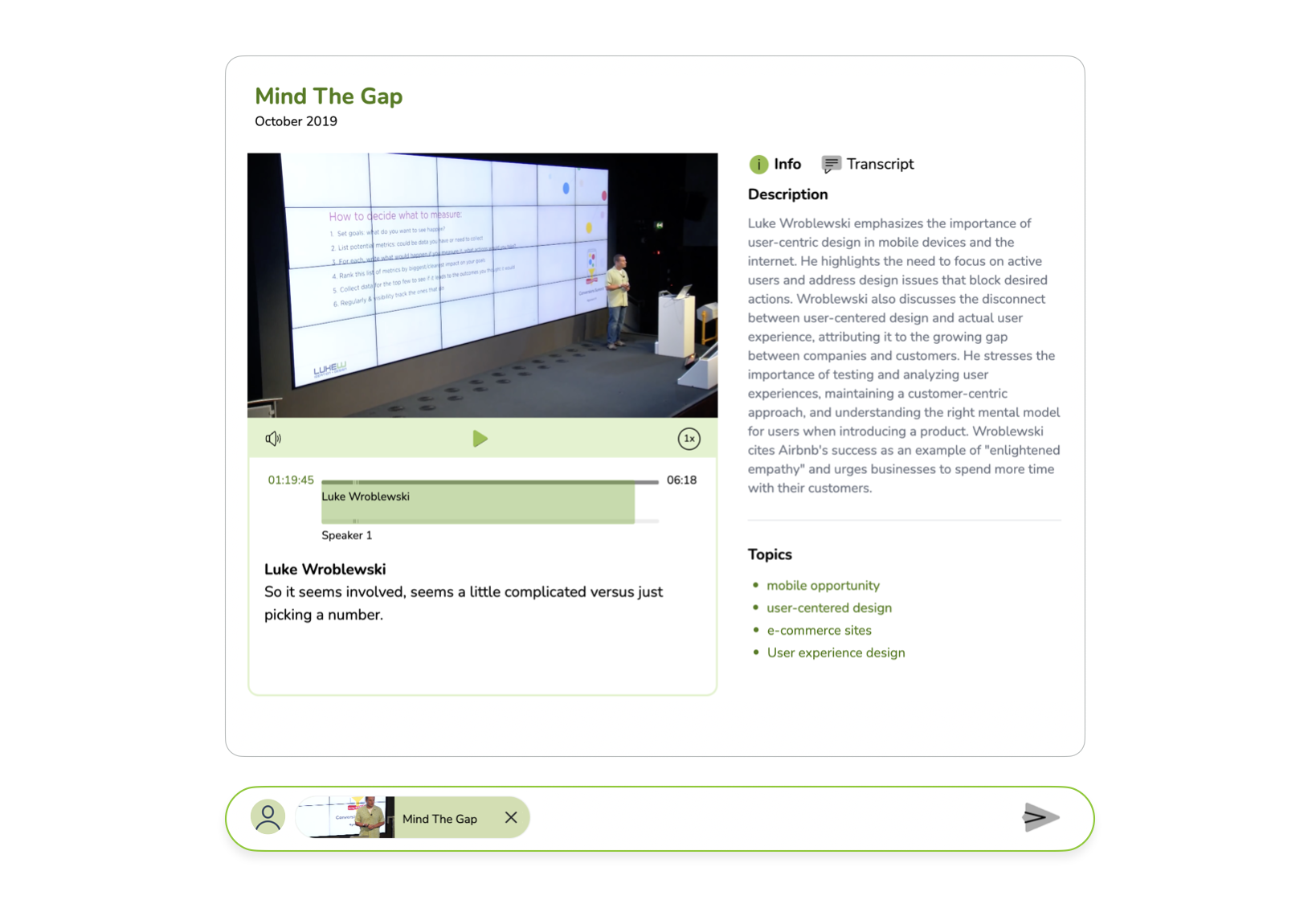
For video and audio files, the system employs voice-recognition technology specifically tuned to Wroblewski’s speaking patterns. This ensures that the AI can distinguish the speaker, generate accurate timestamps, and create metadata—such as summaries, topic tags, and relevant dates. By splitting transcripts into distinct passages, the system allows users to jump directly to the specific moment in a video where a particular design concept was discussed, bridging the gap between text-based AI answers and original video content.

The Vision-Model PDF Parser
Presentations are a staple of design education, but they are notoriously difficult for standard text-crawlers to interpret. Wroblewski’s new system uses vision-language models to "see" his slides. It extracts text while simultaneously describing charts, diagrams, and iconography. By indexing these slides individually, the system can render them inline within the answer interface, reducing the prevalence of "walls of text" and allowing the AI to present visual evidence alongside its textual explanations.
The X (Twitter) Integration
With nearly 20,000 posts dating back to 2008, his social media presence represents a massive, untapped repository of design philosophy. The system now performs a deep integration with X:
- Real-time synchronization: New posts are fetched automatically via server-side notifications.
- Data sanitization: Deleted or "half-baked" posts are automatically removed from the index.
- Link expansion: Shortened URLs are resolved to provide full context to the AI.
- Contextual threading: The system preserves the structure of quoted posts and threads to ensure that the AI understands the conversation, not just the isolated statement.
Official Perspectives: The Problem of "Discoverability"
One of the most critical aspects of this update is how it addresses the "cold start" problem of AI interaction. Most AI assistants require the user to formulate a precise, well-informed question. If a user doesn’t know the capabilities or the limits of the system, they are unlikely to use it effectively.
Wroblewski notes that by automating the ingestion of social media and daily updates, the system can now "start the conversation" by presenting an answer to a common question before the user even asks it. This proactive approach solves a significant UX challenge in AI design: users don’t need to guess what the AI knows; the AI surfaces relevant insights from the most recent discussions, effectively educating the user on the system’s utility as they interact with it.
Implications: The Future of Personal Knowledge Management
The implications of this project extend far beyond one designer’s website. Wroblewski’s work highlights a paradigm shift in how experts can manage their "personal brand" and intellectual property.
1. From Curation to Automation
For creators, the era of manually updating personal websites is waning. The "Ask LukeW" architecture suggests a future where an individual’s digital presence acts as a living, breathing entity. Instead of archiving content, creators will build automated pipes that feed their work into an AI-powered brain that grows in intelligence as they do.
2. Reducing Cognitive Load through AI
By providing visual context—such as slide images and direct video clips—the system significantly reduces the cognitive load on the user. The AI is no longer just a summarizer; it is a curator of multi-modal evidence. This sets a new standard for how professional information should be presented: precise, referenced, and visually grounded.
3. The End of the "One-Way" Archive
Traditionally, blogs and portfolios have been static, one-way repositories. The integration of real-time social media streams and intelligent indexing makes these repositories conversational. By turning 20,000 tweets into a searchable database, Wroblewski has demonstrated that even ephemeral, short-form content can be transformed into a durable asset when processed through the right AI architecture.
4. Challenges and Considerations
While this automated system is powerful, it raises questions about content quality and data privacy. Wroblewski’s decision to exclude replies and reposts from his import, while keeping original ideas, suggests a filter for quality control that is essential for any AI system. Future iterations will likely need to deal with the nuances of evolving design trends, where older, obsolete advice must be either weighted lower or explicitly labeled as historical context to ensure the AI remains accurate.
In conclusion, the "Ask LukeW" update is a masterclass in applying AI to individual professional workflows. By automating the ingestion of diverse content formats and prioritizing semantic depth, Wroblewski has created a blueprint for how professionals can leverage generative AI to make their lifetime of work more accessible, more relevant, and more valuable to their audience. As we move further into the age of AI, the winners will be those who, like Wroblewski, successfully transform their fragmented digital footprints into a cohesive, intelligent whole.

 Sagoh

 Asep Darmawan

 Ali Ikhwan
 Rifan Muazin
 Nana
