
 Dwi Wanna
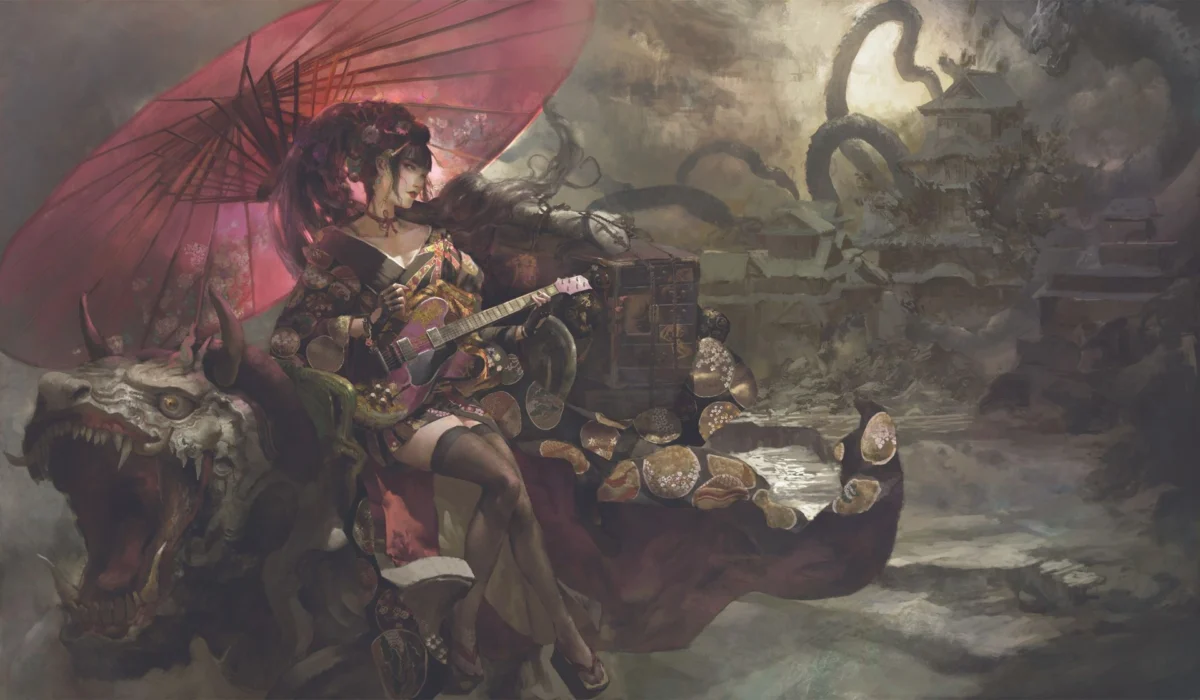
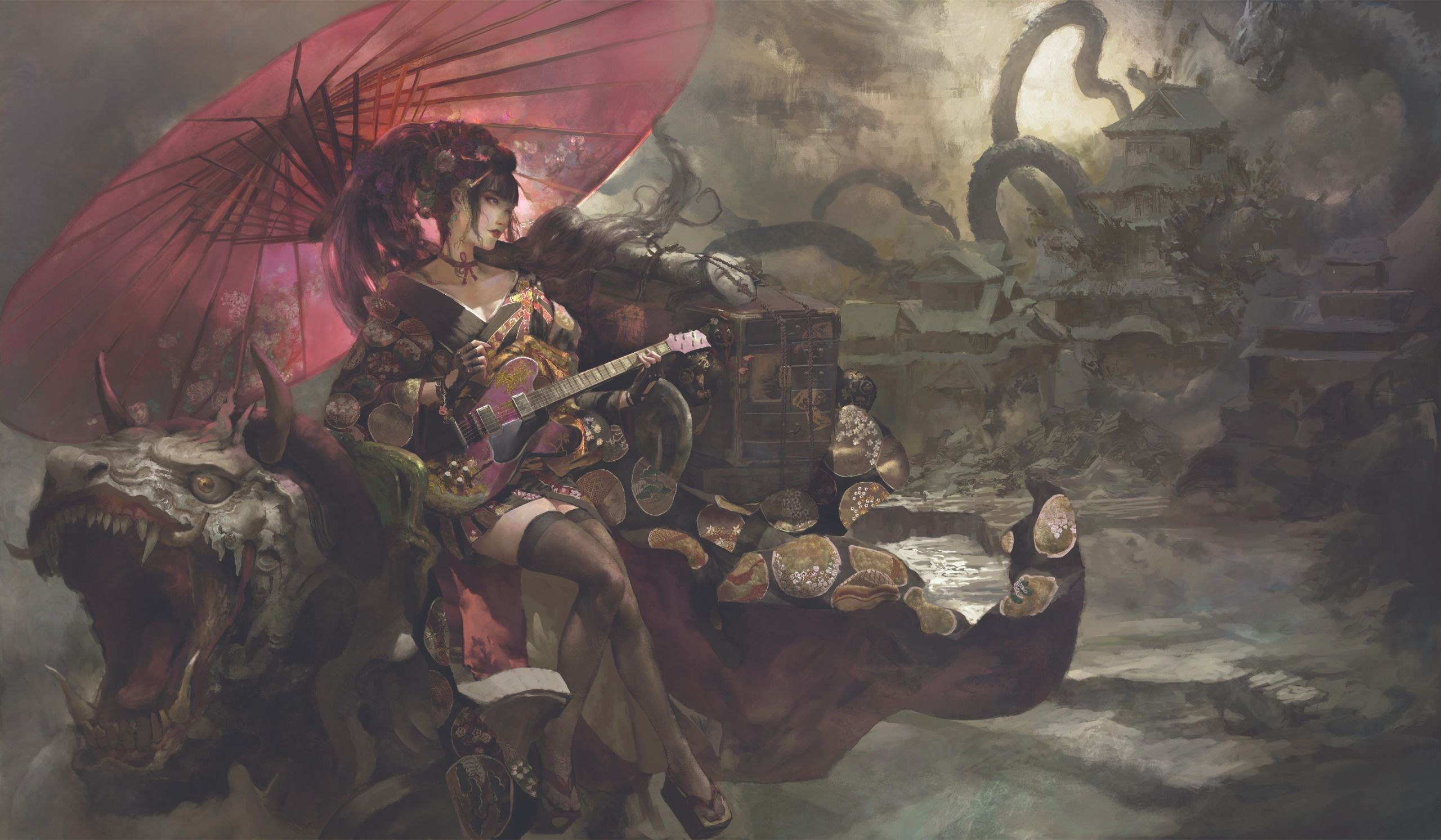
In the realm of digital fantasy art, few projects capture the imagination quite like those that blend historical cultural motifs with high-concept supernatural lore. Christian Angel, a visionary digital artist, has recently unveiled his latest passion project, Oiran Summoner. The work explores a meticulously crafted world where Oiran—traditionally high-ranking courtesans of Japan’s Edo period—possess the supernatural ability to summon fearsome monsters through the melodic resonance of their musical instruments.
The piece is more than just a static illustration; it represents the pilot visual for an expansive, original world-building project. By merging the rigid elegance of traditional Japanese attire with the chaotic, vibrant energy of high-fantasy creature design, Angel has created a narrative-dense image that invites the viewer to look beyond the canvas and into an entire ecosystem of myth.
A Technical Deep Dive: The Workflow
The creation of Oiran Summoner was a process of iterative experimentation, utilizing a hybrid software pipeline to achieve its distinct aesthetic. Angel began the foundation of the piece in Procreate, valuing the software’s intuitive interface for rapid sketching and gesture control. Once the core composition was established, he transitioned to Adobe Photoshop to refine the textures, lighting, and final polish.
A key technical insight shared by the artist involves the strategic use of "exclusion layers" throughout the painting process. "I would often go back and forth with parts of the piece by using the exclusion layer over it," Angel notes. This technique proved vital for maintaining atmospheric consistency. By periodically applying an exclusion layer, the artist could effectively reset his values and unify color palettes, particularly in instances where the contrast range threatened to become too chaotic or disjointed. This workflow allowed for a flexible, non-destructive experimentation phase that ensured the final image retained a cohesive "fantasy" atmosphere.
Chronology: From Concept to Final Render
Phase 1: The Character Sketch
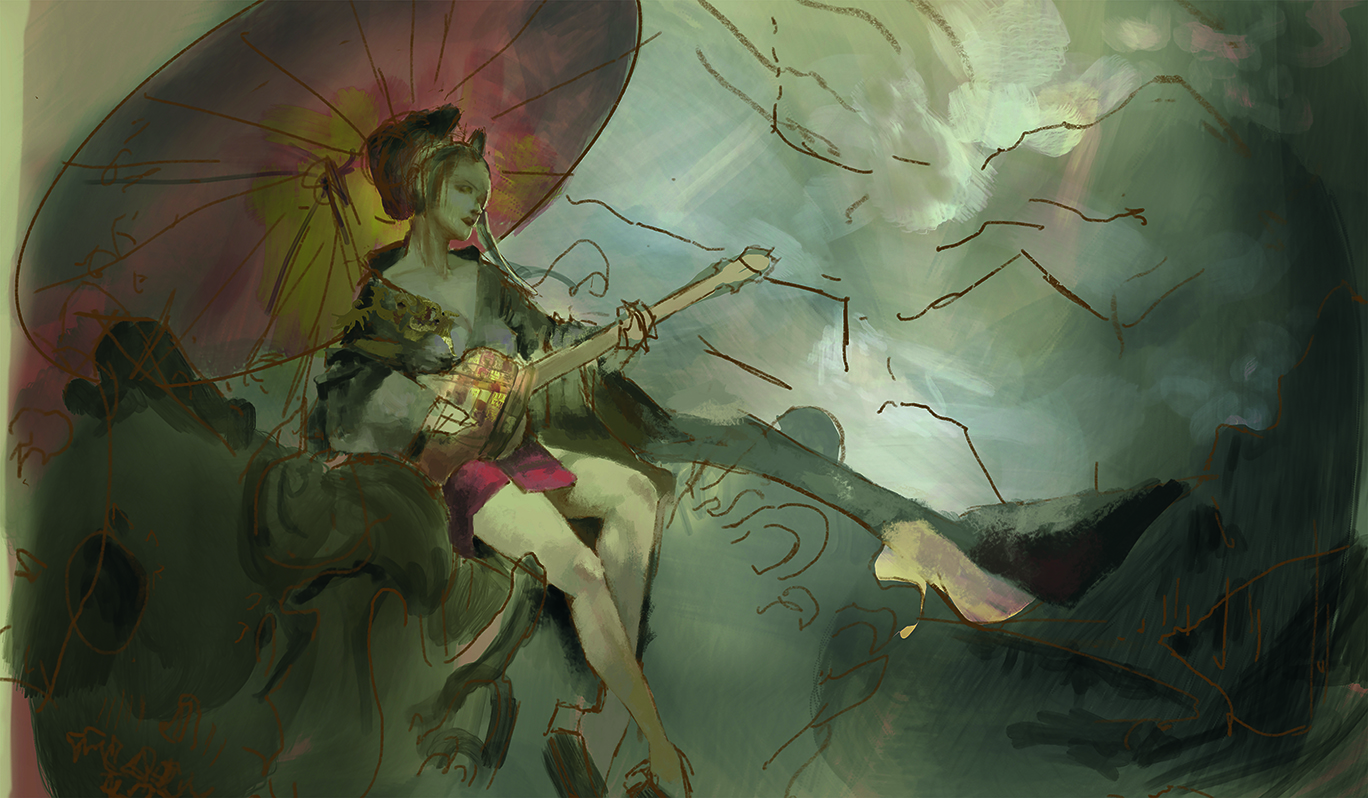
The journey began with the conceptualization of the Oiran herself. Angel produced several thumbnail sketches before settling on a pose that prioritized storytelling and dynamic flow.
"I knew I wanted the light source to kind of hit her lap and not her face directly," the artist explained. This specific lighting choice was deliberate, designed to draw the viewer’s eye toward the interplay between the character’s ornate outfit and the instrument she wields. By focusing the light on the lap, Angel effectively utilized the fabric of the character’s attire to guide the eye across the composition, creating a natural visual rhythm that pulls the viewer through the scene.
Phase 2: Refining the Fantasy Aesthetic
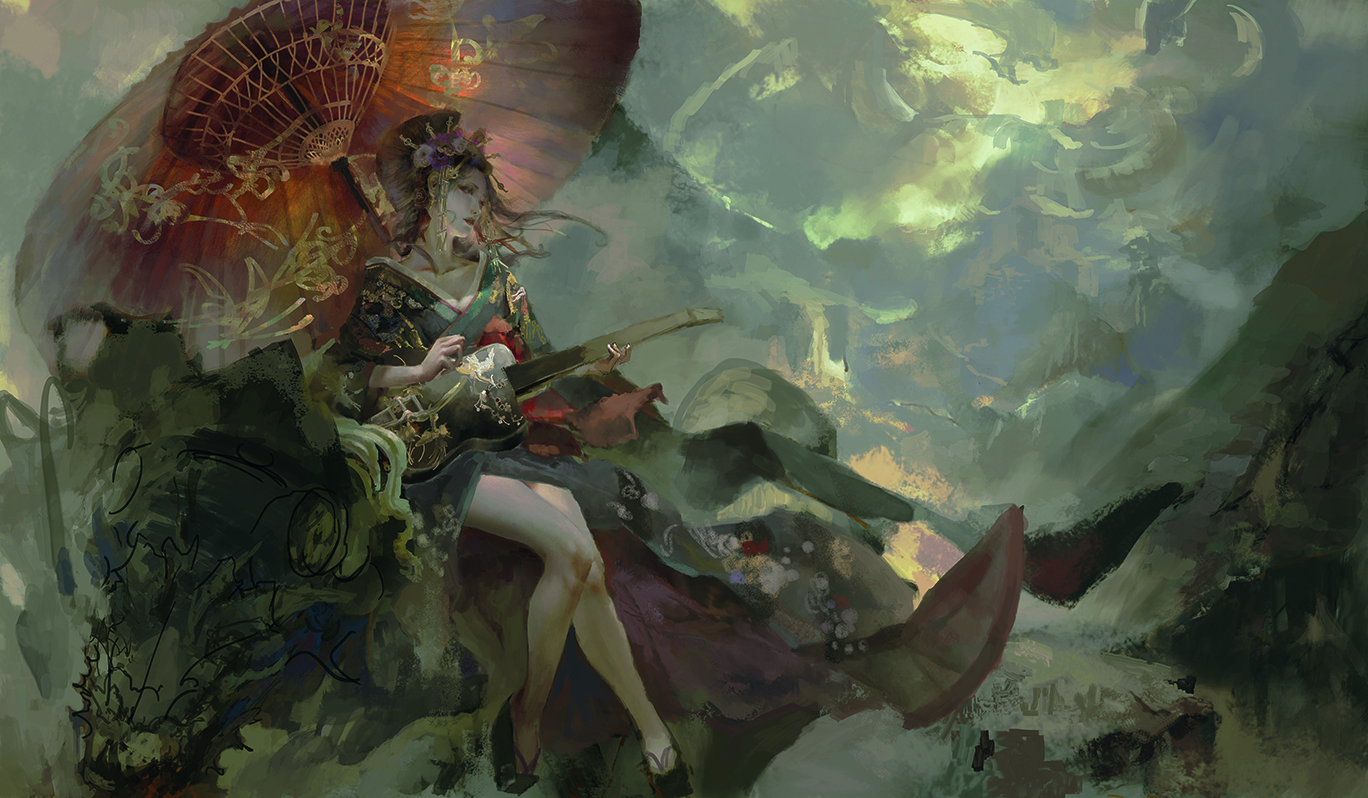
As the piece progressed, the challenge shifted from composition to thematic depth. While the initial sketch was structurally sound, Angel felt the character lacked the "high fantasy" punch required for his vision. The scene risked feeling too grounded in historical reality, which clashed with the intended supernatural elements of the beast-summoning narrative.
To bridge this gap, Angel undertook a significant revision of the character’s design. The goal was to maintain the authentic essence of an Oiran while injecting otherworldly elements. By modifying the character’s silhouette and the aesthetic of the summoned creature, he managed to elevate the image into the realm of high-concept fantasy without losing the cultural roots of the character’s identity.
Phase 3: The Intricacy of Finishing Details
The final phase was dedicated to material definition and intricate detailing. A central focus was given to the Oiran’s instrument, which was rendered with a deep, reflective lacquer finish to contrast with the matte textures of her surroundings.
Perhaps the most impressive display of technical finesse was the treatment of the uchikake (outer robe). To achieve a look of intricate, hand-stitched embroidery, Angel employed a creative digital brush technique: "I painted some orbs with subtle colours and contrast shifts, then sampled them with the mixer brush to paint the embroidery designs onto the fabric." This process allowed for complex patterns to emerge organically, mimicking the density and depth of real-world silk embroidery.
Supporting Data: The Artist’s Toolkit
For those looking to replicate or learn from Angel’s workflow, the hardware and software choices are paramount. Angel’s reliance on Procreate for the initial ideation stage emphasizes the importance of portability and tactile sketching in modern art. Meanwhile, the robust capabilities of Photoshop for post-processing and color management remain the industry standard for professional concept artists.
For artists seeking to build their own setups to tackle projects of this scale, industry experts recommend investing in high-fidelity drawing tablets. Whether utilizing a pen display with integrated color-accurate screens or a high-performance drawing laptop, the goal remains the same: minimizing the barrier between the artist’s intent and the digital canvas. The ability to manage layers and utilize advanced blending modes—as evidenced by Angel’s use of the exclusion layer—requires a machine capable of handling heavy file sizes and complex brush engines.
Implications for World-Building in Digital Art
Oiran Summoner stands as a testament to the power of "project-based art." By creating a character that serves as a vessel for a larger, unexplored universe, Angel is participating in a growing trend among digital illustrators: the shift from single-image commissions to long-term intellectual property development.
The implications for this approach are significant. When an artist focuses on building a "world" rather than just a "scene," the resulting work carries more weight. The viewer is not just looking at a beautiful woman in an elaborate dress; they are looking at a protagonist within a specific set of rules, magic systems, and cultural histories. This narrative-first approach increases engagement, as audiences are more likely to connect with art that hints at a larger story waiting to be told.
Furthermore, the integration of traditional cultural aesthetics with modern fantasy tropes serves as a bridge for diverse storytelling. The Oiran, as a historical figure, is rich with symbolism and visual potential. By subverting this history through the lens of fantasy—turning the traditional instrument into a conduit for supernatural creatures—Angel invites a dialogue about how we can honor historical inspiration while pushing it into entirely new creative territories.
Final Reflection
The journey of Oiran Summoner highlights a critical lesson for aspiring artists: the importance of iteration. From the initial thumbnail to the complex embroidery textures, the piece underwent multiple transformations. The willingness to pivot, to reset contrast values, and to constantly push for a higher "fantasy" threshold is what separates a good illustration from a memorable one.
As digital tools become more sophisticated, the focus for artists remains squarely on the marriage of technique and imagination. Christian Angel’s work serves as a reminder that whether one is working in Procreate or Photoshop, the soul of the image lies in the story behind the brushstrokes. For those inspired by this project, the path forward is clear: start with a sketch, build a world around it, and never be afraid to use an exclusion layer to bring the atmosphere into perfect alignment.
This article originally appeared in ImagineFX magazine. For more insights into the digital art industry, tutorials from top-tier professionals, and the latest news in creative technology, subscribe to ImagineFX. Creative Bloq continues to provide streamlined access to these resources through our official mobile applications on both iOS and Android platforms.

 Sagoh

 Asep Darmawan

 Raul Delapena Setiawan

 Reynand Wu



 Azzam Bilal Chamdy

 Ali Ikhwan
