
 Rifan Muazin
By [Your Name/Journalistic Staff]
In July 2023, Claire Galloway-Jones assumed leadership of the Office of Educational Equity in Brookline, Massachusetts, a district renowned for its academic prestige and proximity to Boston’s intellectual hubs. She arrived at a critical juncture: the district was reeling from a series of high-profile failures to protect students from racial harassment, including a disturbing incident where an eighth grader mimicked the murder of George Floyd by kneeling on a Black classmate’s neck. For Galloway-Jones, the mission was clear—to restore trust and institutionalize anti-bias measures. Yet, less than two years later, her office would be shuttered by a school board vote, marking a symbolic and practical defeat for diversity, equity, and inclusion (DEI) initiatives across the region.
The closure of Brookline’s equity office is not an isolated incident. It serves as a flashpoint in a broader national struggle, where shrinking school budgets and a polarized political climate are forcing districts to treat equity-focused departments as expendable. As these offices disappear, advocates, parents, and educators warn that the loss will have profound, long-term consequences for the students who need them most: Black, brown, low-income pupils, and those with disabilities.
A Pattern of Instability and Disinvestment
The challenges facing Brookline were systemic long before the 2024–25 budget deficit reached a projected $8 million. The district has been characterized by a volatile leadership environment, having churned through five superintendents in the last decade. This instability has permeated the staff level, particularly among educators of color. Data reveals a concerning trend of attrition: from 2021 to 2023, 18 educators of color resigned from their positions.
When the district faced the $8 million shortfall, the Office of Educational Equity became an early target. Despite Galloway-Jones’ attempts to secure external funding—including a $25,000 state grant specifically designed to recruit and retain teachers of color—the district reportedly denied the routine request without providing a substantive explanation. By the spring of 2025, the school board had proposed the total elimination of the office. Despite a grassroots effort by parents and local organizers who raised over $188,000 to save the department, the school board voted 5–4 in March 2025 to dissolve it. The funds were returned to donors, and the office’s functions—ranging from anti-bias training to staff recruitment—were effectively neutralized.
The Chilling Effect: Political and Legal Pressures
The erosion of these departments is compounded by a hostile national political climate. In early 2025, the U.S. Department of Education issued a "Dear Colleague" letter that threatened to pull federal funding from schools engaged in DEI programs, arguing that such initiatives discriminated against white and Asian students. While the guidance was eventually struck down by a federal judge in August 2025 for being unconstitutionally vague and infringing on free speech, the damage had been done.

The threat of federal intervention created a "chilling effect" in school board meetings across the country. As Raul Fernandez, director of the local advocacy group Brookline for Racial Justice and Equity, observed, the federal directive provided a "permission structure" for those inclined to dismantle equity work. "That letter was all some people needed to say, ‘OK, great. Now we have the pretext to say it’s not us,’" Fernandez noted.
While states like Massachusetts, Connecticut, Maine, and Rhode Island formally pushed back against the Trump administration’s directives, affirming their commitment to inclusive education, the financial realities on the ground have often overridden these political stances.
Case Studies in Disinvestment: Brockton, Framingham, and Newton
The trend of cutting equity staff extends well beyond Brookline:

- Brockton Public Schools: In 2024, facing a $25 million deficit, this majority-Black district of 15,000 students shuttered its equity, diversity, and inclusion office, dissolving four staff positions. While officials maintain that their commitment to equity remains "unwavering" and that the work belongs to "everyone in the district every day," students and local advocates argue that the absence of a dedicated office is palpable. High school student Marcos Gomes, who protested the cuts, described the office as "life-changing," noting that the hallways of the school feel fundamentally less inclusive without the restorative justice and support programs it provided.
- Framingham Public Schools: This diverse district, which has seen a decline of over 700 students in two years, has struggled to balance its budget while maintaining civil rights compliance. After firing its diversity, inclusion, and compliance manager in March 2024, the district faced a lawsuit alleging that it denied professional advancement to staff of color. Despite hiring a "director of belonging" in late 2025, the position was almost immediately threatened by a $9 million budget cut.
- Newton Public Schools: Newton’s recent budget approval included significant cuts to its diversity office. Once a department of three, it has been reduced to a single part-time position. Parents, such as Rielle Montague, have expressed frustration, stating that even before the cuts, the office was already under-resourced for a district of 11,000 students.
The Human Cost: Belonging and Academic Outcomes
The removal of dedicated equity staff does not merely impact administrative policy; it impacts the lived experience of students. Jennifer Herring, executive director of the Worcester Education Collaborative and an expert on school trauma, emphasizes the psychological toll of these cuts. "If students don’t feel a sense of belonging, and if they don’t feel heard and valued, then they are less likely to pursue higher education and career opportunities," Herring said.
In Brookline, the loss of equity-focused initiatives has been broad. The district also ended its participation in the Calculus Project—a program specifically designed to close achievement gaps for Black, Latino, and low-income students—following a dispute over implementation. While the district has replaced it with a new program, Fostering Excellence in Math (FEx), the transition has left students like 10th grader Sofia Laforest feeling disconnected. Laforest, who has attended Brookline schools for a decade, noted that she has never had a teacher of color who wasn’t a substitute, highlighting the critical need for the very recruitment initiatives that were recently defunded.
Legal and Legislative Landscapes
While the federal "Dear Colleague" letter was ultimately neutralized following a settlement with the NAACP, the legislative battle has shifted to the state level. In New Hampshire, for instance, lawmakers are pushing the "CHARLIE Act," which seeks to prohibit history curricula that frame societal conflict through the lens of "oppressed" and "oppressor" groups. Named after right-wing activist Charlie Kirk, the bill threatens the licensure of teachers who discuss systemic racism. New Hampshire’s Attorney General has opposed the act, citing constitutional concerns, yet the push reflects a growing trend of "parental rights" legislation designed to codify anti-DEI sentiments into state law.

Moving Forward: The DNA of Resistance
Despite the setbacks, there is a resilient core of educators and advocates who view equity work as non-negotiable. Claire Galloway-Jones, now operating a consulting business, continues to draw strength from her family history. As a descendant of Sarah and Benjamin Roberts—the first family to legally challenge school segregation in the United States 176 years ago—she views her career as a continuation of a generational fight.
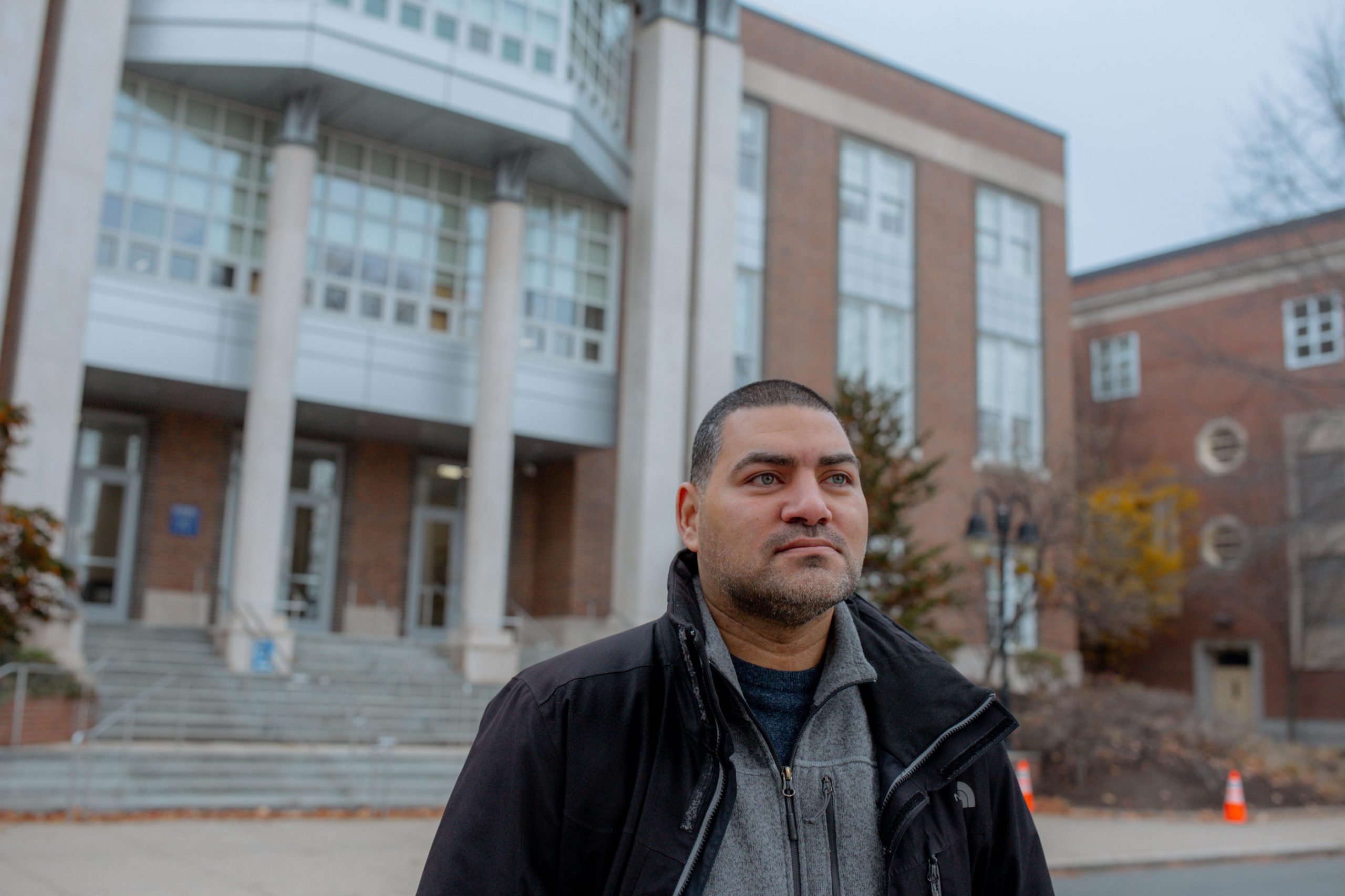
"I always said it’s kind of in my DNA," Galloway-Jones reflected, standing outside the Sarah Roberts Elementary School in Roslindale. "When you think about that repair and the work that we’re doing, you say to yourself, you know what, it’s tough, it’s hard, but we can do it. We have to continue to do it. Diversity work, equity work, is not a one-and-done."
The closure of offices in Brookline, Brockton, and Newton signifies a challenging chapter for public education in New England. As districts face the "new normal" of declining enrollment and budget volatility, the future of inclusive education will likely depend on whether communities can find new, sustainable models to support marginalized students—or whether the loss of these offices will lead to a long-term decline in student outcomes and community trust. For now, the "equity gap" in Massachusetts schools remains a reality, and for many, the work of bridging it has only just begun.


 Siti Muinah
 Nana Muazin
 Nila Kartika Wati
 Jia Lissa
 Basiran
 Sagoh
Sagoh

 Lina Hope