
 Asro
Asro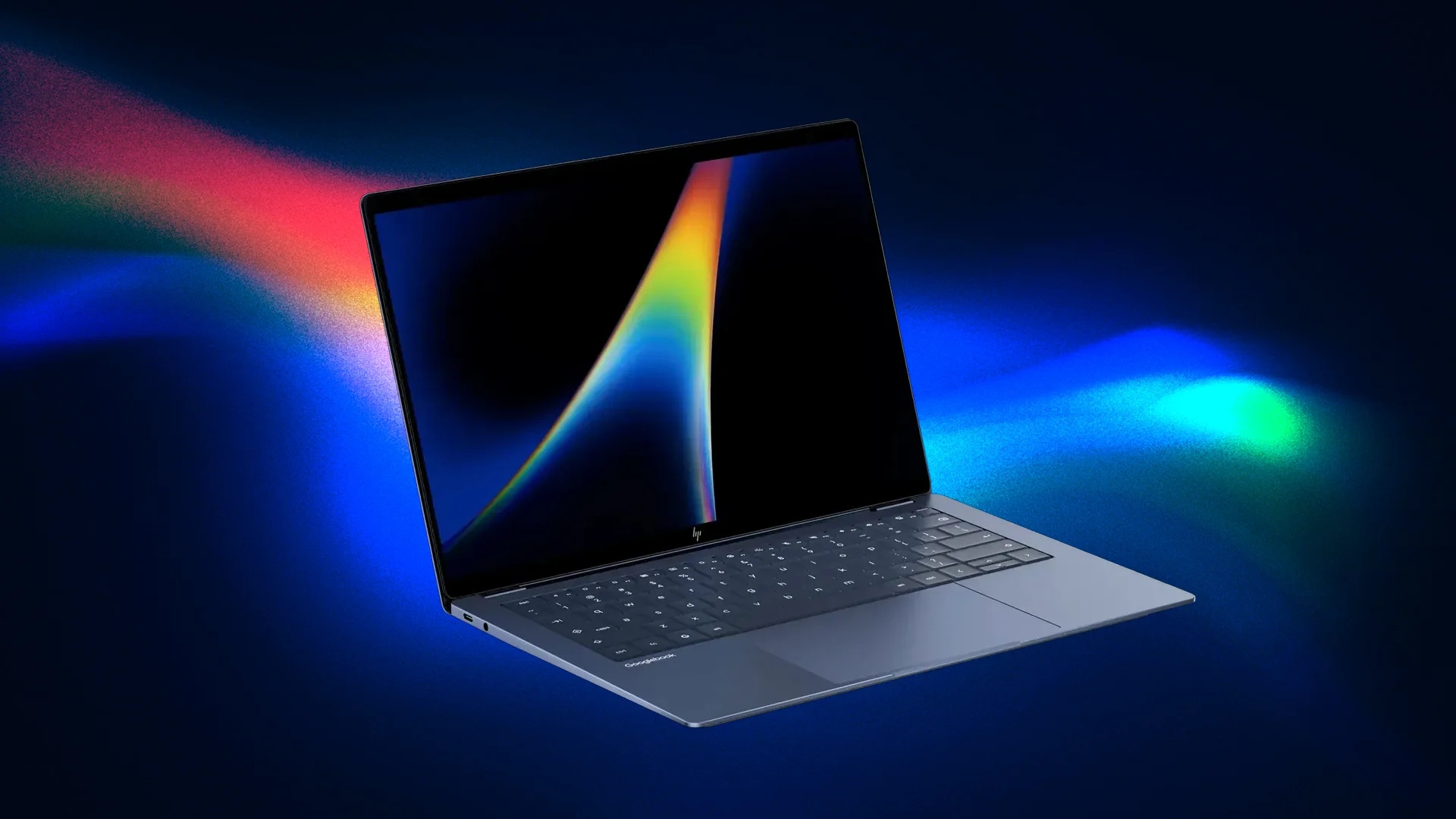
For over a decade, the Chromebook stood as a symbol of a radical, idealistic vision: a future where the operating system was secondary, and the open web was the primary destination for all human digital activity. With the recent announcement of "Googlebooks"—a new line of Android-based hardware—Google has effectively signaled the sunset of that vision. As the tech giant prepares to phase out ChromeOS entirely by 2034, we are forced to ask: What happens when the company that championed the web decides to wall it off?
The Shift: From Browser-Centric to Ecosystem-Locked
Googlebooks represents a fundamental shift in Google’s hardware strategy. Unlike their predecessors, these devices are designed as a native extension of the Android ecosystem. By moving away from the lightweight, browser-first architecture of ChromeOS toward a platform that emphasizes native Android applications and tight integration with smartphones, Google is pivoting toward a "walled garden" model.
Central to this transition is the integration of Gemini, Google’s generative AI engine. While Chromebooks were designed to be minimalist portals to the internet, Googlebooks are designed to be proactive AI agents. With Gemini features integrated into the core OS, the device is no longer just a browser; it is a personalized, AI-driven workspace. While this promises increased productivity, it also moves the user further away from the neutral, open-web experience that ChromeOS originally promised.
A Chronology of a Disappearing Dream
2009: The Genesis of Simplicity
In July 2009, Google announced its intent to build an operating system that would change the trajectory of personal computing. At the time, the PC market was bloated with heavy, insecure, and slow operating systems. Google’s manifesto was clear: "Speed, simplicity, and security are the key aspects of Google Chrome OS." The goal was to remove the friction of traditional computing, focusing on a minimal interface where the user’s entire digital life lived in the browser.
2011: The Arrival of the First Chromebooks
The first consumer-facing Chromebooks hit the market in 2011. They were controversial, limited, and inherently "thin." They lacked storage, struggled with offline functionality, and could not run traditional desktop software. However, they were revolutionary in their maintenance-free nature. They didn’t get slower over time, they didn’t require complex antivirus software, and they transformed the education sector, becoming the default tool for students globally.
2017–2020: The Android Creep
The first signs of the "Googlebook" transition began years ago when Google introduced Android app support to ChromeOS. While initially touted as a feature to expand the utility of Chromebooks, it marked the beginning of a shift away from web-native development. Slowly, the focus moved from optimizing the browser experience to ensuring Android apps performed well on laptops.
2024: The Announcement of the End
Google’s recent announcement confirmed the long-rumored transition. Existing ChromeOS models will be transitioned to the new Android-based Googlebook OS over the coming years, with full support for the legacy OS ending in 2034. This marks the definitive end of the "web-only" era.
Supporting Data: Why the Pivot Matters
The transition is not merely a change in branding; it is a change in software architecture.
- Market Penetration: Chromebooks currently hold a significant share of the education market, often exceeding 50% in the United States K-12 sector. Moving this entire user base to an Android-based environment ensures that Google’s mobile ecosystem becomes the dominant computing platform for the next generation.
- Performance Metrics: ChromeOS was built on the Linux kernel with a focus on web standards. Android, while also Linux-based, is built on a different set of APIs designed for touch interfaces and mobile-first apps. The "bloat" that Google once sought to eliminate is being reintroduced in the form of deep-level OS integration for AI and app compatibility.
- Longevity: Google has committed to a ten-year support window for the transition, but the move essentially makes "web-only" hardware obsolete. Data shows that users increasingly favor native apps over web apps for high-intensity tasks, providing Google with the statistical justification to prioritize Android over ChromeOS.
Official Responses and Corporate Strategy
Google’s official stance, as articulated in their recent press briefing, frames this move as an "evolution of the computing experience." According to a spokesperson, the integration of Android and ChromeOS is a response to user demand for "continuity."
"Our users no longer see a distinction between their phone and their laptop," the statement read. "By unifying the platforms under a single, AI-powered framework, we are providing a seamless experience that allows users to move between devices without friction. This is the natural evolution of our goal to make computing fast, secure, and smart."
However, industry analysts note that this "seamlessness" serves a secondary purpose: user retention. By locking users into the Android/Gemini ecosystem, Google creates higher switching costs, ensuring that the user’s data, app preferences, and AI interactions remain within their sphere of influence.
The Implications: Is the Open Web Dying?
The broader implications of this move are profound. When Google introduced ChromeOS, it was a major benefactor of the "open web"—a space where sites were accessible via any browser, regardless of the operating system. By shifting to a platform that prioritizes native Android apps, Google is quietly incentivizing developers to move away from web-standard development and toward platform-specific development.
1. The Death of the Thin Client
The dream of a "thin client"—a machine that does nothing but access the cloud—has been compromised. Googlebooks will require more processing power, more storage, and more frequent updates to manage the overhead of the Android runtime and AI-processing requirements.
2. The AI-Gated Internet
With Gemini baked into the OS, the way users access the web is changing. Instead of visiting websites, users are increasingly likely to use AI to "summarize" or "extract" information. This threatens the economic model of the open web, which relies on traffic to individual websites. If the OS extracts the value from the site, the site owner loses the incentive to maintain the content.
3. The End of Neutrality
ChromeOS was the closest thing we had to a neutral operating system. It was a vehicle for the web. Googlebooks, by contrast, is a vehicle for Google’s services. The prioritization of native Android apps means that non-Google services may be treated as second-class citizens on the new hardware, further centralizing the digital landscape.
Conclusion: A Dream Runs its Course
Looking back at the 2009 vision of ChromeOS, it is difficult not to feel a sense of loss. It was a time when the web felt infinite and democratic. Google’s move to phase out ChromeOS in favor of a more controlled, AI-centric Android environment is a pragmatic business decision, but it is also a concession. It acknowledges that the "open web" as a primary computing platform was not enough to keep users tethered to Google’s broader ecosystem.
As we approach 2034, the Chromebook will likely be remembered as an experiment—a bold, decade-long attempt to simplify the complexities of modern computing. It succeeded in changing how we think about laptops, but it failed to convince the world that the browser was enough. We are entering an era of AI-integrated, platform-locked computing, and while the new Googlebooks will undoubtedly be faster and "smarter," they will be fundamentally less open than the machines they are replacing. The web is still there, but the gateway is changing, and the keys are firmly in Google’s hands.


 Evan Lee Salim
 Suro Senen
 Laily UPN
 Jia Lissa
 Neng Nana
 Iffa Jayyana

 Rifan Muazin