
 Basiran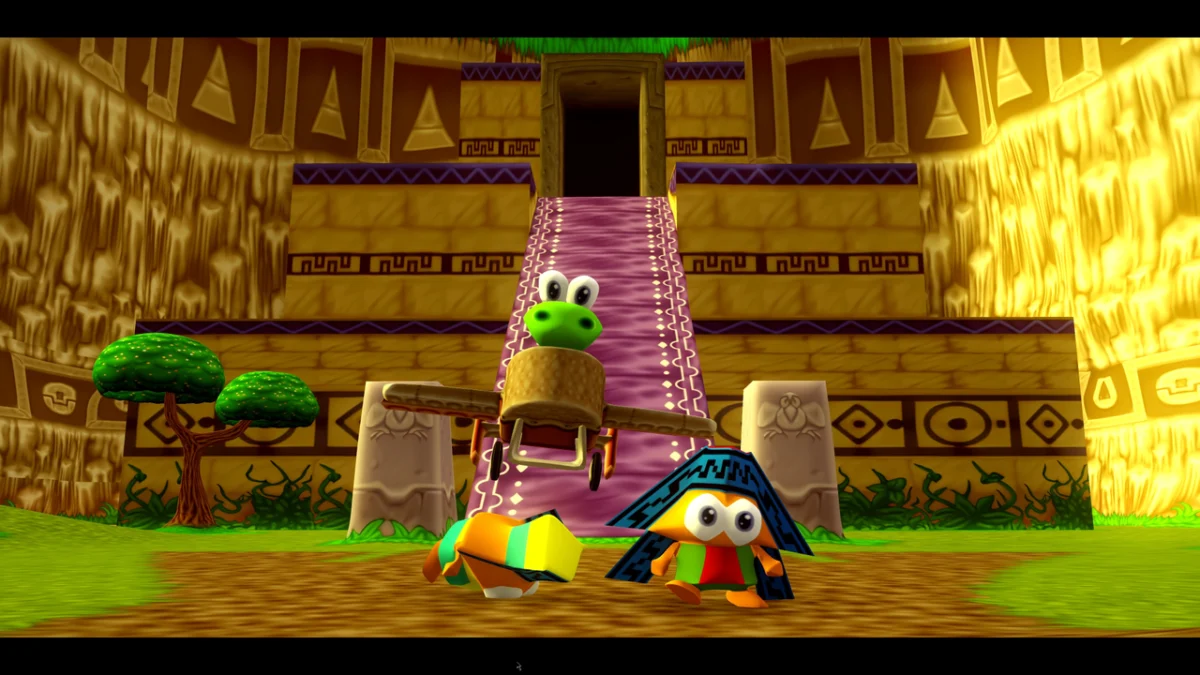
The resurgence of 90s platforming icons shows no signs of slowing down. UK-based studio Argonaut Games, a titan of the golden era of gaming responsible for legendary titles such as Star Fox and the Starglider series, has officially confirmed that it is following up the successful revitalization of Croc: Legend of the Gobbos with a full-scale remaster of its beloved sequel.
Croc 2: Kingdom of the Gobbos is currently in active development, with a targeted release window of Q4 2026. This announcement serves as a major milestone for the studio, which successfully re-emerged onto the scene last year, proving that there is a significant appetite for modern iterations of classic 3D platformers.
The Core Facts: What to Expect in the Sequel
The upcoming remaster promises to be more than a simple resolution boost. Argonaut Games has confirmed that the title will officially adopt its original working Croc 2: Kingdom of the Gobbos. This stylistic choice pays homage to the game’s development history and aligns the branding with the nostalgia-heavy market that has championed the studio’s recent output.
The game is slated for a multi-platform release, ensuring that fans across all major ecosystems can experience the adventure. Confirmed platforms include:
- Nintendo Switch
- PlayStation 5 and PlayStation 4
- Xbox Series X/S
- PC (via Steam)
Mechanically, the game will retain the charm of the original while implementing modern quality-of-life adjustments. Perhaps most exciting for returning fans is the inclusion of an enhanced move set; in addition to the classic maneuvers that defined the original gameplay, Croc will now be able to perform a triple jump, offering players more verticality and precision in navigation.
A Legacy Restored: The Chronology of the Croc Franchise
To understand the significance of this remaster, one must look back at the trajectory of the franchise. In the late 1990s, Argonaut Games was at the forefront of the transition from 2D to 3D platforming. The original Croc title helped define the genre on the original PlayStation and PC, showcasing a level of environmental design and character movement that was considered revolutionary at the time.
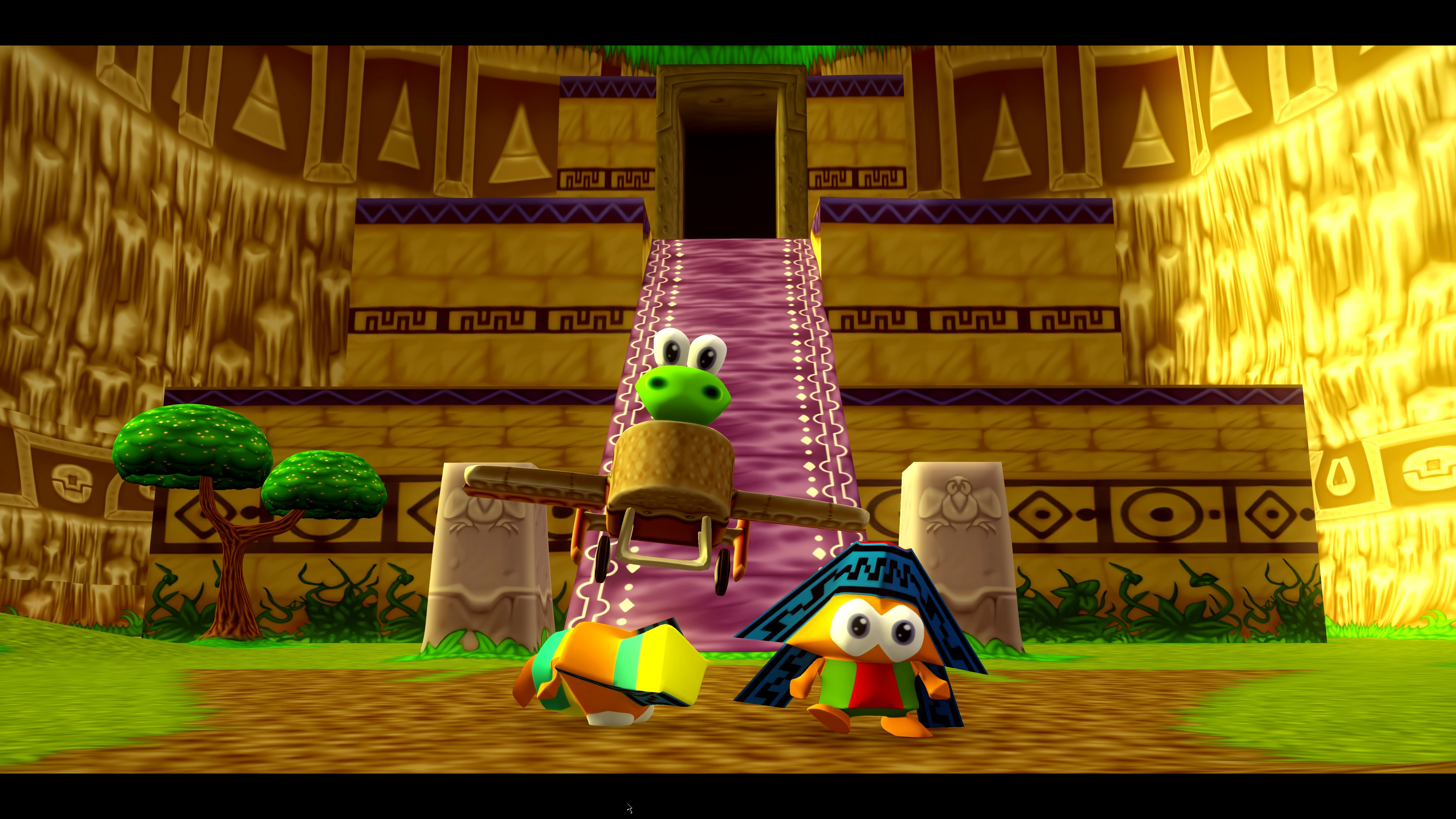
Croc 2 arrived in 1999, expanding the scope of the world significantly. The narrative saw our reptilian hero venturing away from his home turf to the mainland in a desperate search for his long-lost parents. The story quickly escalated, however, as the villainous Baron Dante—the series’ primary antagonist—was resurrected by a nefarious group known as the Dantinis.
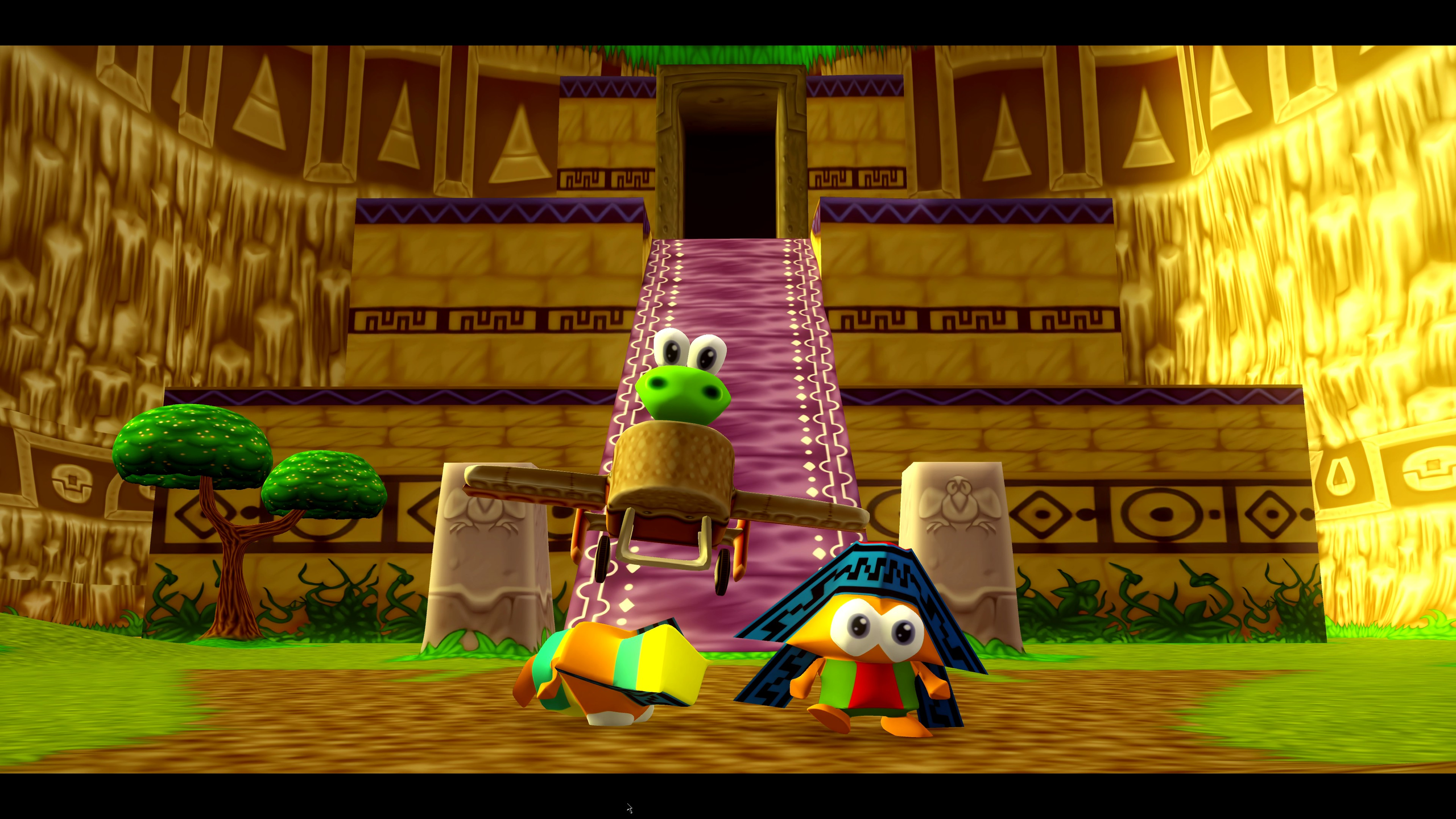
The quest took players across four distinct, expansive villages, requiring them to rescue kidnapped Gobbos and engage in challenging boss encounters, including the iconic battle against Soveena the Squid. By remastering this specific title, Argonaut is not just updating graphics; they are preserving a specific chapter of gaming history that bridges the gap between the experimental 3D platformers of the 90s and the refined mechanics of the modern era.
Behind the Scenes: The Engineering Challenge
The development of a remaster is rarely as simple as updating textures. Mike Arkin, co-CEO of Argonaut Games, provided insight into the technical hurdles the team has faced during the transition from the original source material to current-generation hardware.
"Croc 2 was originally built on a totally different engine to the first Croc game," Arkin noted in a recent statement. "This posed its own unique set of remastering challenges. However, the early work we did to validate our approach during the first game’s development really paid off here."
Arkin also emphasized the overwhelming success of the first remaster, noting that the fan response "exceeded what we hoped for." This success provided the studio with the necessary capital and confidence to commit to the sequel. The team’s commitment to quality is evident in their decision to once again include the "Croc2pedia." Much like the museum found in the first remaster, this digital archive will offer players a deep dive into the development process, including never-before-seen materials, cut content, and exclusive interviews with the original creators.
The Implications: Why 90s Platformers Matter Now
The decision to remaster Croc 2 is part of a broader industry trend where developers are increasingly looking to their back catalogs to satisfy a growing demographic of "nostalgia-gaming" enthusiasts.
Preservation of Digital History
One of the most significant implications of this project is the preservation of gaming history. Many titles from the late 90s are becoming difficult to play on modern hardware due to software degradation or the obsolescence of original consoles. By bringing these titles to Steam, Switch, and current-gen consoles, Argonaut Games is ensuring that these games remain playable for future generations.
The Evolution of Design
The inclusion of a "triple jump" and various quality-of-life improvements highlights the delicate balance between preservation and modernization. Developers today are learning that modern audiences have higher expectations for control responsiveness and camera management. By retaining the "soul" of the original movement while sharpening the rough edges, Argonaut is attempting to strike a balance that pleases both purists and newcomers who may find older control schemes clunky or unforgiving.
Economic Viability of Remasters
From a business standpoint, the success of the Croc franchise acts as a case study for smaller, independent studios looking to revive legacy IP. Rather than chasing the AAA market with massive, budget-draining original titles, Argonaut Games is leveraging established fan bases to create sustainable, high-quality products. The reliance on digital museums and "behind the scenes" content also adds value to the purchase, positioning the remaster as a collector’s item rather than a simple digital re-release.
Anticipation and Future Outlook
As we look toward the Q4 2026 release, the gaming community is keeping a close watch on Argonaut Games. The developer has proven that they can handle the legacy of their most famous creations with care and respect.
The inclusion of the Croc2pedia ensures that the game serves as both a playable experience and an interactive documentary. For fans who grew up in the era of the PlayStation and the Saturn, the return of the Gobbos feels like a homecoming. For newer players, it serves as an opportunity to experience a foundational piece of 3D platforming history that paved the way for modern hits like Super Mario Odyssey and A Hat in Time.
As development continues, Argonaut is expected to release further trailers and gameplay demonstrations. For now, the prospect of returning to the vibrant, colorful world of the Gobbos, with modernized visuals and a polished, responsive moveset, is enough to secure Croc 2: Kingdom of the Gobbos a spot on the most-anticipated lists for the coming years.
In an industry often obsessed with the "next big thing," Argonaut Games is reminding us that sometimes, the best way to move forward is to look back—and ensure that the legends of the past are given the shine they deserve.


 Lina Irawan
 Pevita Pearce
 Ammar Sabilarrohman
 Suro Senen
 Jia Lissa
 Evan Lee Salim

 Ali Ikhwan