
 Ammar Sabilarrohman
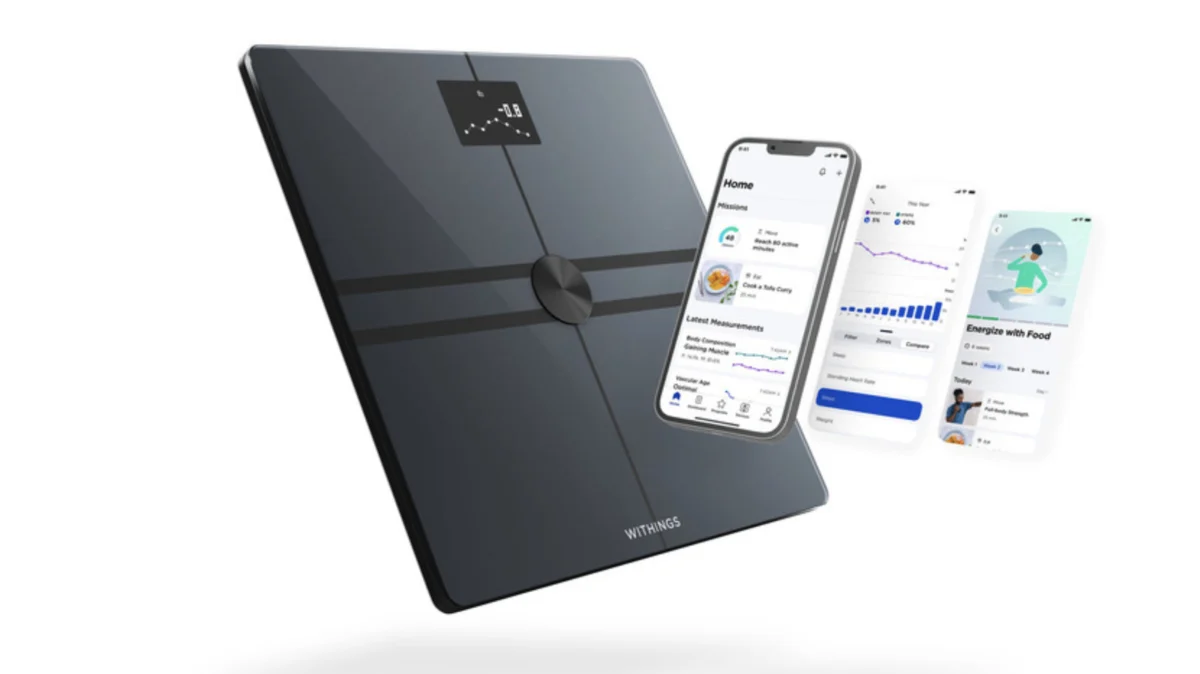
In a move that has sent shockwaves through the health-tech community, Withings—a company long celebrated for its premium smart scales and health-tracking wearables—has implemented a controversial policy shift. As of October 13, new users who purchase Withings hardware will no longer have access to automatic third-party data synchronization, such as integration with Apple Health or Google Fit, unless they subscribe to the company’s "Withings+" premium service. This subscription is priced at approximately $100 per year.
For a demographic that views interoperability as a fundamental expectation of modern smart devices, the decision to gate a core utility—data portability—behind a recurring paywall has ignited a firestorm of criticism. While the company maintains that this is a value-added service, users and industry analysts alike are questioning whether the manufacturer is effectively "renting" the utility of the hardware they have already purchased.
The Core Facts: What Has Changed?
The essence of the controversy lies in the decoupling of "automatic syncing" from the standard user experience. Historically, Withings devices functioned on an open-ecosystem model. Users would step on a scale or wear a watch, the data would sync to the Withings app, and that information would be pushed seamlessly to Apple Health, Google Fit, or other fitness tracking platforms like MyFitnessPal.
Under the new policy, this ecosystem has been bifurcated:
- Existing Users: Those who created their accounts and linked their devices prior to October 13, 2024, are currently grandfathered in. Their automatic syncing capabilities remain intact and free of charge.
- New Users: Any account created after the October 13 cutoff is subject to the new restrictions. For these individuals, automatic, real-time synchronization with third-party health apps is now a "Withings+" exclusive feature.
- The Manual Alternative: For those who refuse to pay the $100 annual fee, the company has not completely disabled data access, but it has rendered it cumbersome. Users are now required to manually export their data from the Withings ecosystem and import it into their preferred third-party apps on a per-event basis.
A Chronology of the Dispute
The escalation of this issue has been swift, moving from internal policy change to public outcry within a matter of days.
October 13, 2024: The Silent Implementation
Withings quietly updated its service terms and account protocols, effectively gating third-party API connectivity. No major marketing announcement accompanied this shift, leading to a period of confusion as new customers found their expensive hardware unable to perform basic functions that previous owners enjoyed.
Mid-October: The Forum Explosion
The company’s official support forums became the epicenter of the backlash. A thread titled "Unacceptable: Apple Health Sync is now behind a $99/year paywall for new accounts" quickly garnered hundreds of views and dozens of heated replies. Users expressed disbelief that a piece of hardware costing upwards of $200–$600 would require a subscription just to "talk" to the software already on their phones.
The Official Response
In response to the mounting pressure, a representative from Withings issued a statement on the forums. The response confirmed that the change was intentional, framing it as a shift in how they monetize their digital ecosystem. The official stance argued that the automatic sync feature was now considered part of the "Withings+" premium experience, rather than a standard utility of the hardware.
Supporting Data: The Cost of Connectivity
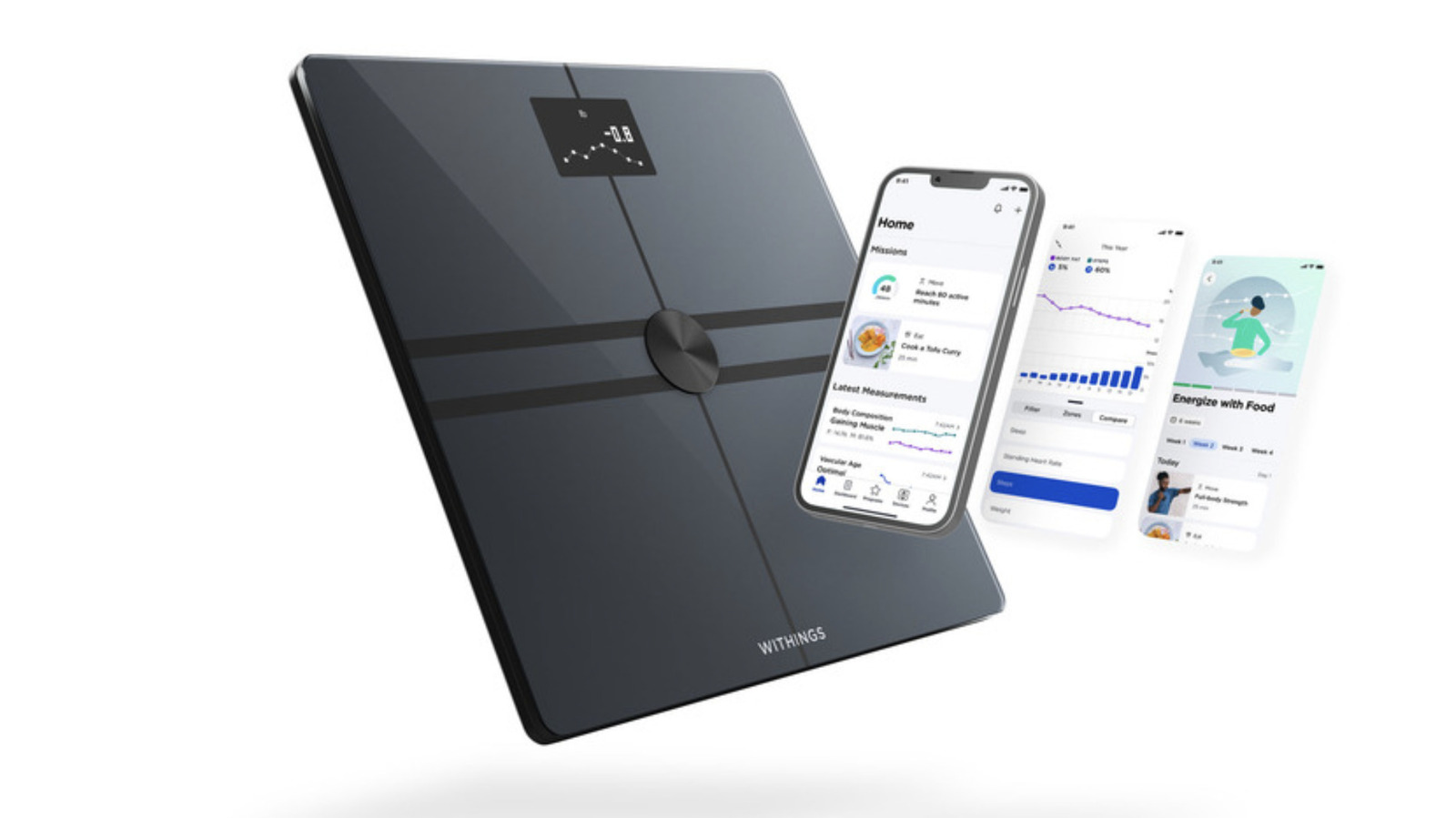
To understand the frustration, one must look at the price point of Withings hardware. The company occupies a "premium" tier in the consumer health market. For instance, their recently released Body Scan 2 smart scale retails for approximately $600. Their mid-range offerings, such as the Body Smart series, still command a price tag of around $280.
When a consumer spends $600 on a piece of diagnostic hardware, the expectation is that the hardware is a one-time investment. By requiring an additional $100 per year—essentially a 16% "tax" on the value of a $600 device in the first year alone—Withings has fundamentally altered the Total Cost of Ownership (TCO) for its products.
Industry Comparisons
The health-tech landscape is currently divided on the subscription model:
- Garmin: Generally allows full API access and synchronization with Apple Health/Google Fit without a subscription.
- Fitbit (Google): Offers a "Fitbit Premium" subscription, but it is focused on deeper analytical insights and coaching, not on the fundamental ability to sync basic metrics like steps or weight to a central health repository.
- Oura: Also utilizes a subscription model for access to historical data and in-depth sleep analysis, which has also been a point of contention for users.
Withings is effectively moving closer to the Oura model, but with a sharper focus on gating the "plumbing" (data movement) rather than just the "insights" (data interpretation).
Implications for the Consumer and the Market
The decision by Withings carries significant implications for the future of smart health hardware.
1. The Death of the "Ecosystem-Agnostic" Device
For years, the gold standard for smart health devices was to be "ecosystem-agnostic"—they worked with whatever platform the user preferred. By gating this, Withings is forcing users into a walled garden. If a user wants to use a Withings scale but prefers Apple Health for their holistic data dashboard, they are now paying for the privilege of integration.
2. The Normalization of "Feature Stripping"
This trend—often called "enshittification" in tech circles—involves taking a feature that was previously free and moving it behind a paywall. It creates a dangerous precedent where hardware manufacturers may eventually decide that other "basic" features, such as Bluetooth connectivity or historical graph views, should also be reserved for subscribers.
3. Trust and Brand Loyalty
Withings has built its reputation on clinical-grade reliability and ease of use. However, the current backlash suggests that the brand is trading long-term customer goodwill for short-term recurring revenue. In a market where competitors like Withings-compatible third-party apps are constantly evolving, users may simply choose to abandon the hardware entirely rather than enter a "subscription trap."
4. Regulatory and Privacy Concerns
While not illegal, the practice of gating health data portability raises questions about data ownership. If a user owns the scale, they technically own the data generated by that scale. By making the transmission of that data to another user-controlled platform a paid service, Withings is creating a friction point that may eventually attract the attention of consumer protection agencies concerned with anti-competitive practices.
Conclusion: The Future of the "Smart" Home
As the dust settles on this controversy, the tech industry is watching closely to see if Withings will backtrack. The company is currently in a defensive position, attempting to justify the $100 annual fee by pointing to the "value" provided by the Withings+ platform.
However, the consensus among the user base remains clear: consumers are willing to pay for premium insights and AI-driven coaching, but they are rarely willing to pay to use the basic functions of the hardware they already own. If Withings persists with this model, it may find that while it increases its revenue per user in the short term, it risks losing the very demographic that made the brand a leader in the smart health space.
For now, new buyers are left with a choice: pay the premium, endure the manual labor of data exports, or look toward competitors who still treat hardware connectivity as a right, not a luxury. The move serves as a stark reminder that in the era of the Internet of Things, the purchase price of a device is increasingly becoming the down payment on a lifetime of subscription fees.


 Jia Lissa

 Raul Delapena Setiawan

 Basiran

 Nana Wu

 Nana
 Siti Muinah


 Reynand Wu
