
 Nana Wu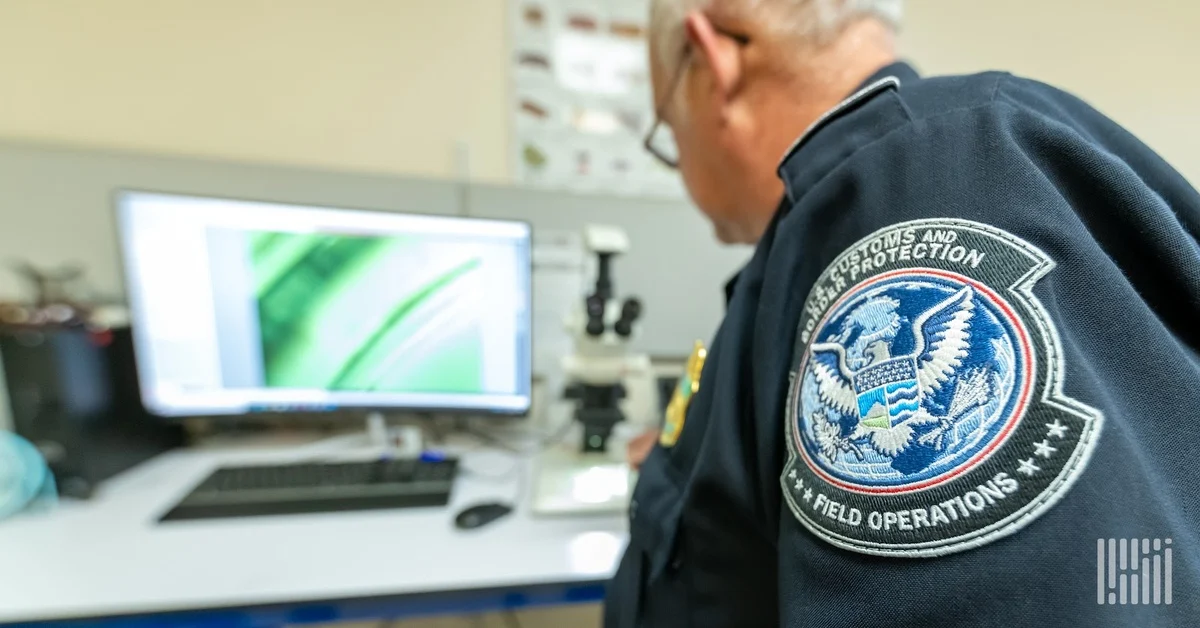
ROMA, Texas — In a sophisticated attempt to exploit international supply chains for illicit gain, smugglers recently attempted to move more than 1,000 pounds of methamphetamine across the U.S.-Mexico border, cleverly disguised within a commercial shipment of industrial detergent. U.S. Customs and Border Protection (CBP) officers at the Roma Port of Entry intercepted the narcotics, valued at an estimated $9.57 million, marking a significant victory for border security in the ongoing fight against transnational drug trafficking.
The seizure, which occurred on August 11, underscores the increasing complexity of smuggling operations, as criminal organizations continue to leverage legitimate commercial freight channels to transport high-value contraband.
The Chronology of an Interception
The incident began on the morning of August 11, when a 2012 tractor-trailer arrived at the Roma International Bridge, a vital transit artery connecting Roma, Texas, with Ciudad Miguel Alemán, Tamaulipas, Mexico. The vehicle, which was operating under a standard commercial manifest, declared a shipment of industrial-grade detergent—a seemingly mundane cargo intended to blend into the thousands of legitimate shipments that cross the border daily.
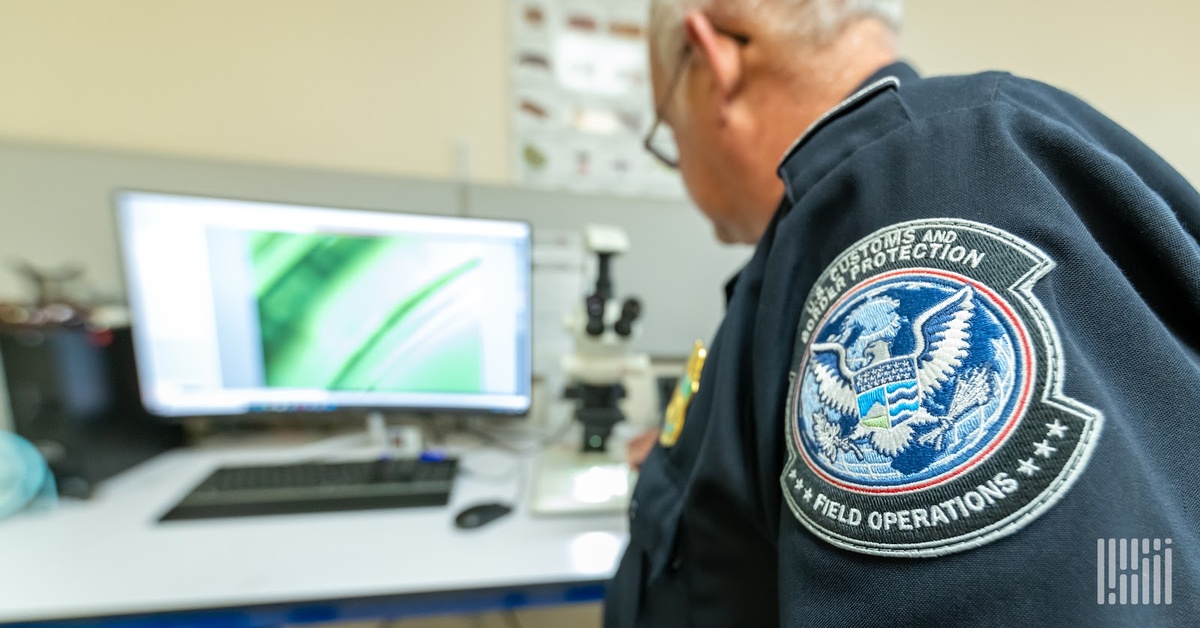
Upon arrival, the vehicle was flagged by frontline CBP officers for a secondary inspection. This decision was part of the standard, risk-based screening protocol that governs port operations. Once the tractor-trailer was diverted to the facility’s specialized inspection bay, officers utilized advanced non-intrusive inspection (NII) technology, commonly referred to as X-ray or gamma-ray imaging, to peer through the densely packed cargo.
The initial scans revealed anomalies within the pallets, prompting a more tactile, ground-level investigation. A canine team was deployed to the scene, and the drug-detecting dogs alerted officers to the presence of narcotics within the trailer. Following the canine alert, officers deconstructed the shipment, uncovering 240 distinct bundles of suspected methamphetamine meticulously concealed within the detergent containers. The precision of the concealment—designed to evade both physical and technological detection—suggests a high level of operational planning by the traffickers involved.
A Massive Payload: By the Numbers
The scale of the seizure is staggering. In total, CBP officers extracted 1,071 pounds (485.78 kilograms) of methamphetamine from the tractor-trailer. According to agency estimates, the street value of these narcotics exceeds $9.57 million.
The volume of the load—over half a metric ton—represents a significant blow to the supply chain of the criminal organization responsible for the shipment. Methamphetamine, a potent and highly addictive synthetic stimulant, remains a primary target for border enforcement agencies due to its devastating impact on public health and its role in funding cartel violence in border regions. The sheer weight of the seized product indicates that this was not a "mule" operation, but rather a large-scale logistics move orchestrated by a sophisticated criminal network.
Official Responses and Tactical Vigilance
Following the discovery, the Port of Entry leadership emphasized the critical intersection of technology and human expertise in modern border security.
"Drug smugglers sometimes try to hide in plain sight, but our frontline CBP officers remain vigilant," said Port Director Andres Guerra, who oversees the Roma Port of Entry. Guerra credited the successful interdiction to a combination of high-tech scanning equipment and the seasoned intuition of his officers, who are trained to spot deviations from standard shipping practices.
The Roma International Bridge is a critical hub for commercial trade, and the constant flow of freight makes it an attractive target for illicit actors. However, as Guerra noted, the agency’s multi-layered security approach—integrating intelligence, technology, and K-9 units—is specifically designed to disrupt these efforts regardless of the concealment method.
The Investigation: A Shift to Local Jurisdictions
Once the contraband was identified and secured, the focus of the operation shifted from border interdiction to criminal investigation. CBP officers processed the evidence and subsequently transferred the driver, the tractor-trailer, and the massive cache of narcotics to the Roma Police Department.
As of the latest reports, the investigation remains in its nascent stages. Authorities have not yet released the identity of the driver, nor have they confirmed if any criminal charges have been filed. Furthermore, the federal announcement remained noticeably silent on the deeper logistics of the crime: there is no public information regarding the shipper, the carrier, the customs broker, or the intended recipient of the shipment.
The absence of this data highlights the anonymity that often shrouds transnational crime. Smugglers frequently use "shell" companies or hijacked identities to move freight, making it difficult for investigators to trace the narcotics back to their original source or forward to their final destination. While local police are currently leading the criminal inquiry, the complexity of the case suggests that federal agencies, including the Department of Homeland Security and potentially the Drug Enforcement Administration (DEA), may be involved in tracking the broader syndicate behind the attempt.
Implications for Global Logistics and Security
The Roma incident serves as a stark reminder of the "concealment problem" within the global logistics sector. When legitimate supply chains are co-opted for illegal activity, it creates significant risks for the entire industry.
The Vulnerability of Routine Cargo
The primary challenge for border security is the necessity of maintaining the speed of commerce. Because the global economy relies on the rapid movement of goods, inspections cannot be 100% invasive for every vehicle. Smugglers rely on this balance, attempting to "hide in plain sight" by utilizing common products like detergent, celery, or auto parts to mask the odor and appearance of narcotics.
Cargo Theft and Fraud Risks
The risk is not only that legitimate freight is used to transport drugs, but that the security protocols surrounding these shipments can be compromised. Criminal groups are increasingly sophisticated, often mirroring legitimate business practices to move their product. This has led to an uptick in "fraudulent freight" scenarios, where carriers may be unknowingly (or sometimes knowingly) involved in the transport of illicit goods.
The Role of Technology
This seizure validates the continued investment in non-intrusive inspection (NII) technology. As smugglers become more adept at concealment, the ability to scan entire shipping containers for anomalies in density and chemical composition becomes the first line of defense. However, as evidenced by this case, technology is only as effective as the personnel analyzing the results. The successful interdiction at Roma was a testament to the officers’ ability to interpret the scans and follow up with a physical search.
Moving Forward: Challenges and Future Outlook
The investigation into the Roma seizure is ongoing, and officials suggest that more information may be released as the case develops. For the freight industry, this event underscores the vital importance of supply chain security. Businesses are increasingly encouraged to conduct rigorous due diligence on their partners, including carriers, warehouses, and brokers.
The "No Name Given" nature of this case—the lack of identified parties—remains a hallmark of transnational organized crime. Investigators are likely working to untangle the web of documentation, which may involve tracing the detergent manufacturer and the logistics chain back to the point of origin in Mexico.
For the border security community, this victory is one of many, yet the volume of attempted smuggling shows no signs of slowing down. As long as there is a high-profit demand for narcotics within the United States, criminal organizations will continue to test the boundaries of international ports of entry. The Roma case stands as a firm message that, despite the ingenuity of criminal concealment, the combination of technological surveillance and vigilant human oversight remains a formidable barrier to illegal operations.
For those interested in further exploration of logistics compliance, cargo fraud prevention, and industry best practices, FreightWaves continues to track the evolving landscape of supply chain security. Upcoming events, such as the Brokerage Compliance Symposium and the F3: Future of Freight Festival, will further address how the industry can navigate these systemic risks through better regulation, technology, and collaborative enforcement.

 Sagoh
Sagoh
 Ali Ikhwan
 Raul Delapena Setiawan
 Reynand Wu


 Azzam Bilal Chamdy
