
 Nila Kartika Wati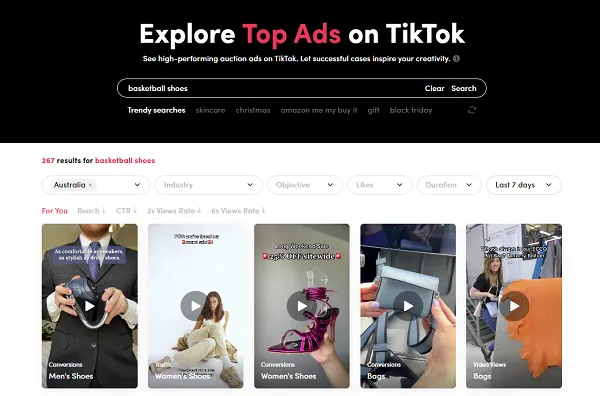
As the global marketing community sets its sights on the second half of 2026, the urgency to refine holiday promotional strategies has never been more pronounced. For many organizations, the upcoming peak shopping season represents a critical juncture to maximize brand awareness, customer engagement, and bottom-line revenue. While seasoned marketers often rely on established playbooks and legacy holiday schedules, the rapid evolution of social media consumption patterns mandates a shift in perspective. To remain competitive, brands must move beyond traditional approaches and embrace the nuanced, fast-paced ecosystem of platforms like TikTok.
In this comprehensive guide—the first in a series from Social Media Today—we examine the strategic imperatives for building a robust organic and paid presence on TikTok, a platform that has cemented its position as the definitive connector for younger demographics and a primary driver of modern consumer behavior.
The Strategic Importance of TikTok in 2026
TikTok has transcended its origins as a short-form video app to become a cultural powerhouse. Despite ongoing regulatory and political debates surrounding its ownership and data practices, its utility for marketers remains unmatched in terms of reaching Gen Z and Millennial audiences. Unlike static platforms, TikTok operates on a "discovery-first" algorithm that prioritizes content relevance over follower count, making it a democratized space where high-quality, authentic brand storytelling can achieve viral scale regardless of an organization’s size.
As we approach the 2026 holiday season, the challenge for brands is not merely "being" on TikTok, but understanding how to integrate into the daily discourse of users without alienating them through overly commercialized, interruptive advertising.
1. Leveraging Data-Driven Trend Identification
The cornerstone of any successful TikTok strategy is an empirical approach to content creation. TikTok provides an ecosystem of sophisticated tools designed to demystify what is currently resonating within specific niches.
Utilizing the TikTok Trends Tool
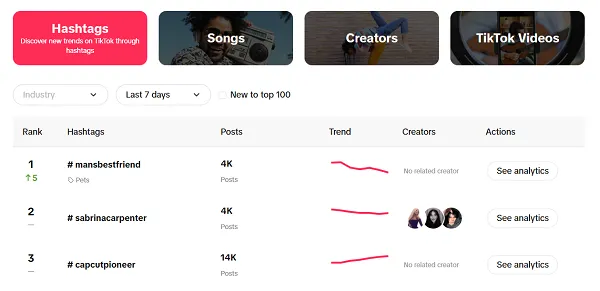
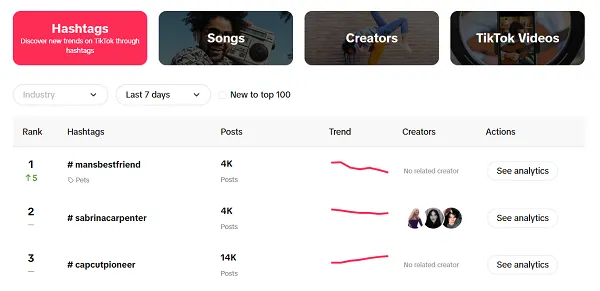
The TikTok Trends tool is an indispensable asset for marketers. By allowing users to track trending hashtags, songs, and creator topics by region and specific industry sector, it removes the guesswork from content planning. For the 2026 holiday season, brands should begin monitoring these trends as early as late Q3 to identify shifts in consumer sentiment and aesthetic preferences.
Analyzing High-Performing Ads
In addition to organic trends, TikTok’s Top Ads listing provides a transparent look into the creative strategies of successful competitors. By filtering for objective, format, and industry, marketers can deconstruct the elements—such as pacing, call-to-action (CTA) placement, and sound usage—that drive conversions.
Professional Insight: Beyond the visual metrics, pay close attention to the comment sections on high-performing ads. These threads are gold mines of consumer intent. When users ask, "Where can I buy this?" or "Does this come in another color?", they are providing a direct roadmap for your product development and promotional messaging.
2. Building a Strategic Content Library
Once the data has been collected, the next phase is the creation of a "thematic database." This is not a static list of video ideas, but a living repository of successful formats, narrative arcs, and visual styles that align with your brand identity.
Mapping Themes to User Interests
Successful holiday campaigns in 2026 will prioritize "value-add" content over "sales-only" content. By mapping your core holiday themes—such as gift guides, behind-the-scenes production, or sustainability initiatives—to the formats identified in your research, you create a cohesive narrative. If your data shows that users in your niche respond best to "educational storytelling," your holiday promotions should focus on explaining the craft behind your products rather than just displaying them on a shelf.
3. The Role of Influencers as Cultural Translators
Influencer marketing on TikTok is not merely about reach; it is about credibility. Because TikTok creators have spent years cultivating intimate relationships with their audiences, they possess an intuitive understanding of the platform’s "language"—the subtle cues, transitions, and trends that feel native to the app.
Selecting the Right Partners
When selecting influencers, move beyond vanity metrics like total follower counts. Instead, prioritize "Niche Authority." Use the TikTok Trends tool to identify which creators are consistently driving conversations within your specific industry. A creator with 50,000 highly engaged followers in the sustainable home goods space is often more valuable than a general lifestyle influencer with 1 million followers who lacks thematic focus.
Collaborative Creative
The most successful campaigns allow influencers creative freedom. Provide the brand guidelines and the core messaging, but empower the creator to adapt it to their own voice. This minimizes the "corporate feel" that often causes users to scroll past sponsored content.
4. Formulating a Cohesive Strategy
A strategy is only as effective as its execution. To thrive during the 2026 holiday window, brands must adopt an "Agile Content Framework."
- Preparation (Q3): Establish the baseline content themes and partner with creators.
- Activation (Early Q4): Launch initial awareness campaigns that focus on community engagement rather than direct conversion.
- Optimization (Mid-Q4): Use real-time data to identify which creative assets are over-performing and reallocate ad spend accordingly.
- Conversion (Late Q4): Pivot toward high-intent messaging, utilizing the social proof gathered during the earlier phases.
Implications for Stakeholders: The shift toward algorithmic content means that brands must remain hyper-aware of the evolving "broader conversation." A campaign that feels appropriate in November may feel disconnected by December if the cultural mood shifts. Constant monitoring is not just a suggestion; it is a requirement for brand safety and relevance.
5. The Criticality of Analytics and Iteration
Data is the final arbiter of success. The robust analytics dashboard within TikTok allows marketers to track not just views, but engagement rates, watch time, and conversion paths.
Measuring What Matters
- Watch Time: If users are dropping off at the 3-second mark, your hook is insufficient.
- Shareability: On TikTok, shares are a stronger signal of brand affinity than likes. Content that is shared is content that provides genuine value or entertainment.
- Comment Sentiment: This is your primary metric for audience satisfaction.
By aggressively doubling down on the formats and topics that elicit positive sentiment, and tactfully retiring those that do not, marketers can create a lean, efficient promotional machine that is far more effective than the traditional "blast" approach of past years.
Implications for the Future of Retail
As we look toward the conclusion of 2026, the broader implications for the retail sector are clear. The wall between "social" and "commerce" is effectively gone. TikTok has normalized the concept of "Shoppertainment," where the act of being entertained and the act of purchasing are part of the same seamless user experience.
For traditional brands, the challenge is behavioral. It requires a willingness to shed the rigid, high-production-value standards of traditional television advertising in favor of the raw, authentic, and fast-paced nature of the TikTok feed. Brands that resist this shift risk becoming invisible to the next generation of consumers.
Summary of Best Practices
- Authenticity Over Polish: High-production, overly corporate videos often struggle to gain traction. Lean into native, "lo-fi" content that feels like it belongs in a user’s feed.
- Niche Over Mass: Focus on your specific corner of the market. Dominate your niche before trying to capture the general public.
- Agility is Key: Be prepared to pivot your strategy within hours if a new trend emerges that aligns with your brand values.
- Community Engagement: Treat the comment section as a customer service and research department. Listen to what the audience wants and provide it.
In conclusion, success on TikTok during the 2026 holiday season will not be defined by the size of a marketing budget, but by the depth of a brand’s cultural intelligence. By leveraging the available tools, respecting the creative autonomy of influencers, and maintaining a commitment to data-backed iteration, brands can transform their social presence from a mere broadcast channel into a vibrant, revenue-generating community.


 Ali Ikhwan
 Layla Zulfa
 Ammar Sabilarrohman
 Suro Senen
 Jia Lissa
 Evan Lee Salim