
 Basiran
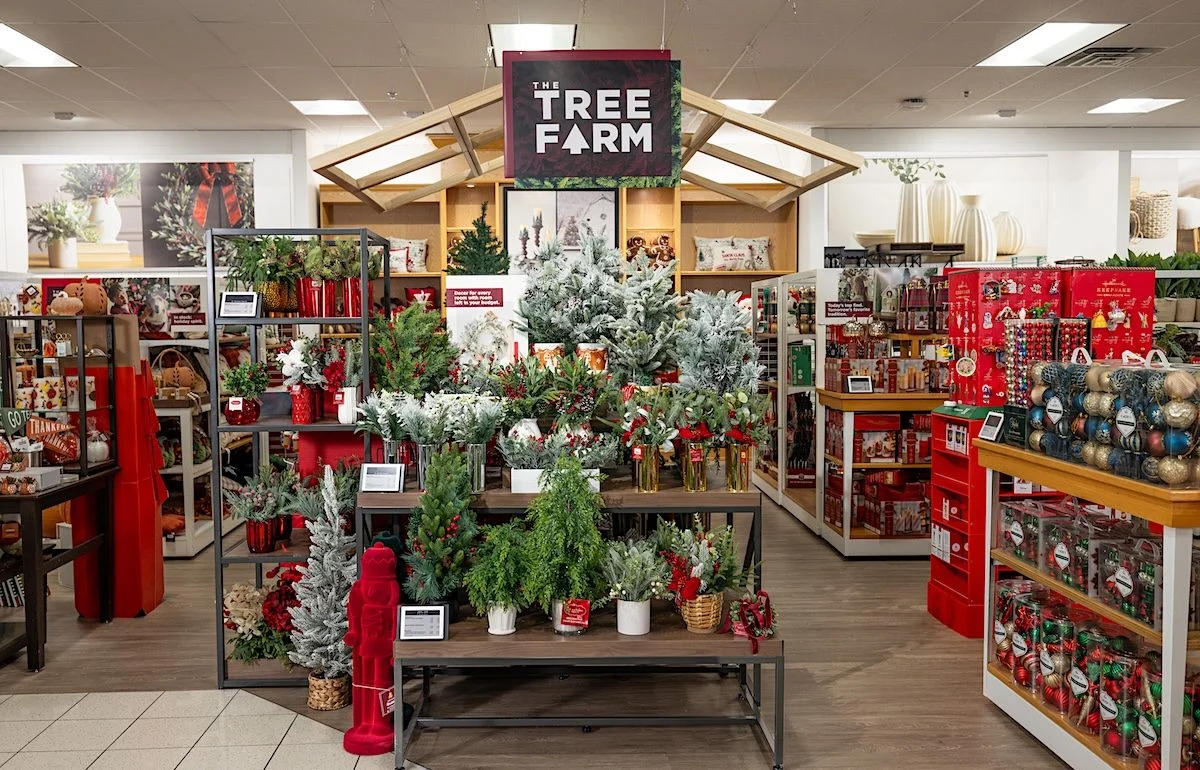
As the retail industry gears up for the critical final quarter of the year, Kohl’s has unveiled a comprehensive strategy designed to stabilize its market position and capture the attention of a budget-conscious consumer base. Facing a macroeconomic landscape defined by persistent inflation, rising energy costs, and the looming impact of potential tariffs, the department store giant is eschewing ambiguity in favor of radical transparency in its pricing and delivery models.
Under the leadership of CEO Michael Bender, who assumed the role in 2025, the company is attempting a significant turnaround. With a history of losing nearly 70% of its stock value over the past five years, Kohl’s is using the 2026 holiday season as a litmus test for its operational overhaul. By leaning into clear-cut discounts, expanded third-party delivery partnerships, and a simplified shopping experience, the retailer aims to transform its brand image from a traditional department store to a nimble, value-driven destination.
The Core Strategy: Clarity as a Competitive Advantage
The cornerstone of the Kohl’s holiday 2026 campaign is the implementation of "radical clarity." Executives admit that past messaging often obscured the true value proposition of their merchandise. This year, the retailer is pivoting toward explicit, math-friendly signage.
Simplifying the Consumer Experience
"The data that we’ve seen is that we haven’t always been as clear about our prices and as clear about value," explained Ryan Waymire, Kohl’s Chief Merchandising Officer. The new strategy involves prominent “X percent off” markers throughout physical stores and digital channels. The goal is to remove the friction of mental gymnastics for the shopper, allowing them to instantly gauge whether an item fits their budget.
Complementing this, the company has introduced rigid pricing tiers—$5, $10, $15, and $20—across key categories. By grouping products into these predictable price points, Kohl’s hopes to cater to the psychological comfort of shoppers operating under strict holiday budget constraints.
Leveraging Strategic Bundling
Beyond individual pricing, Kohl’s is heavily investing in bundled gift sets. This serves a dual purpose: it offers the consumer a lower price per unit while increasing the average transaction size. With over 400 gift sets available—including 40 exclusives via its successful partnership with Sephora—the retailer is positioning itself as a one-stop-shop for gift-givers. Whether it is premium beauty products or Advent calendars for the toy department, the strategy is clear: provide high-perceived value through curation and volume.
Chronology: From October Sales to Peak Holiday Demand
The transition into the holiday season for Kohl’s has been methodical and data-driven.
- October 2026: Kohl’s signaled its aggressive stance early with a series of pre-holiday sales events. Data from Placer.ai confirmed the efficacy of this approach, noting that store visits during its October sale outperformed the recent same-weekday average by 9.6%.
- Late October: On October 21, Chief Customer Officer Arianne Parisi officially briefed the media on the "North Kohl’s" campaign, outlining the shift toward accessibility, convenience, and the deployment of new financial tools like Klarna.
- November 2026: The retailer initiated its full-scale holiday rollout, including the activation of partnerships with DoorDash and Instacart, with Uber Eats scheduled to join the ecosystem by the end of the month.
- December 2026: As the peak shopping weeks approach, the focus shifts to inventory management and last-mile fulfillment. With over 50% of digital orders "touched by a store," the company is leveraging its physical footprint—80% of the U.S. population lives within 15 miles of a Kohl’s—to ensure on-time delivery.
Supporting Data: The Economic Reality of the 2026 Shopper
The urgency behind Kohl’s strategy is rooted in hard data. A recent survey by the National Retail Federation (NRF) highlighted that 56% of holiday shoppers are altering their spending plans due to economic pressures.
Kohl’s current financial health underscores the importance of this quarter. In August 2026, the company reported a year-over-year net sales decline of 0.9%. While the figure suggests stagnation, the company simultaneously raised its full-year 2026 financial outlook, signaling confidence in its current inventory strategy and its ability to manage margin compression.
The demographic data is particularly compelling. Through its expansion into same-day delivery platforms like Instacart and DoorDash, Kohl’s has observed that approximately 80% of customers using these services are "net new" to the brand. This suggests that while the core legacy customer remains, the company is successfully diversifying its reach to younger, time-starved urban dwellers who value convenience as much as cost.
Official Responses and Corporate Philosophy
Arianne Parisi, Chief Customer Officer
"We have a responsibility to cut through with value," Parisi stated during the October briefing. She emphasized that the company is keenly aware of how "pinched" the average consumer feels. The shift in marketing—moving away from vague promotions toward the "North Kohl’s" narrative—is designed to resonate with both the loyalist and the new shopper.
Ryan Waymire, Chief Merchandising Officer
Waymire’s focus remains on the product assortment. By balancing "owned brands" like Sonoma Goods for Life and LC Lauren Conrad with high-demand national labels like Nike, Under Armour, Adidas, and trending toys like NeeDoh and Lego, the company is attempting to capture a broader market share. "Anywhere we can bundle to provide a lower price per unit for the customers is a great gift and also great for self-purchase," Waymire noted.
Implications for the Future of the Department Store
The implications of the 2026 holiday strategy extend far beyond the current quarter. Kohl’s is in the midst of a critical reset.
The Role of Technology and AI
While the company is experimenting with AI-powered shopping assistants to drive styling inspiration, the data reveals a persistent trend: the majority of product discovery still stems from traditional search. This insight is helping the leadership team calibrate their digital spend, favoring practical tools over experimental tech that may not yet yield a direct return on investment.
Inventory and Omnichannel Success
The "touched by a store" metric is perhaps the most significant indicator of Kohl’s future viability. By converting its 60 million active customers into an omnichannel network, Kohl’s is mitigating the high costs associated with centralized warehouse shipping. The ability to use physical stores as micro-fulfillment hubs is a logistical advantage that many pure-play e-commerce competitors lack.
Competitive Positioning
Kohl’s is currently navigating a highly competitive landscape. By aligning its messaging with other retail players like Target—who are also emphasizing affordability and AI support—Kohl’s is signaling that it understands its role in the "value" tier of the market.
The success of the 2026 holiday season will likely determine the pace of the company’s ongoing transformation. With its reliance on private label expansion, creator-driven marketing, and a refined focus on the core customer, Kohl’s is betting that a return to basics—clear pricing, deep stock, and convenient delivery—is the most effective way to recover its lost market value.
As the company enters the final sprint of the year, it faces a dual challenge: maintaining the loyalty of its traditional base while proving its relevance to a new generation of value-conscious shoppers. Whether the "North Kohl’s" initiative provides enough momentum to reverse years of financial decline remains the central question for investors and industry analysts alike. However, for the average consumer navigating a volatile economy, the retailer’s current pivot toward simplicity and reliability may be the most significant development of the season.


 Reynand Wu
 Iffa Jayyana

 Raul Delapena Setiawan


 Sagoh

 Azzam Bilal Chamdy

 Ali Ikhwan
